
The immersive action RPG, MONGIL: STAR DIVE, offers a deeply engaging experience that spans from epic solo battles against formidable adversaries to strategically coordinated assaults within a player’s squad. While the game provides a robust foundation for individual progression and satisfying combat encounters, its integrated social features significantly enhance the overall gameplay loop, fostering a more connected and rewarding environment. These cooperative elements, though entirely optional, present substantial benefits, primarily through resource acquisition and community building, without forcing players into synchronous multiplayer scenarios. This comprehensive guide will meticulously detail the mechanisms of MONGIL: STAR DIVE’s friend system and its unique approach to co-op gameplay, offering insights into maximizing its advantages for sustained progression.
The Strategic Importance of Social Integration in MONGIL: STAR DIVE
MONGIL: STAR DIVE, a title from renowned mobile game publisher Netmarble (as inferred from in-game imagery and common industry practices), strategically incorporates social mechanics not as a mandatory gateway to core content but as an accelerator for player development. In an ecosystem often characterized by resource scarcity and the grind for advancement, the ability to leverage a network of in-game friends translates directly into tangible benefits, most notably in the form of crucial in-game currency and materials. This design choice underscores a broader trend in the mobile gaming sector, where asynchronous social interactions serve to deepen player engagement and retention without the logistical demands of real-time multiplayer combat, which can often be a barrier for casual or time-constrained players.
For newcomers embarking on their journey through MONGIL: STAR DIVE, understanding these systems from the outset is paramount. Beyond the direct benefits of friend-based resource sharing, an active social circle contributes to a richer, more persistent gaming experience. Players are encouraged to consult foundational resources such as the MONGIL: STAR DIVE Redeem Codes guide for initial gifts, the Difficulty Guide for optimal challenge settings, the Beginners Guide for fundamental gameplay mechanics, and the Reroll Guide for optimizing character acquisition during the initial stages of play. These resources, coupled with effective utilization of the friend system, lay a solid groundwork for long-term success.
Establishing Your Network: The Friend System Mechanics

Before players can reap the benefits of MONGIL: STAR DIVE’s cooperative features, the foundational step involves building an active friend list. The game streamlines this process, ensuring accessibility even for those new to its interface. The central hub for all social interactions is the Friends Menu, readily accessible from the game’s home screen. This intuitive design reflects a deliberate effort by Netmarble to prioritize social connectivity.
Upon entering the Friends Menu, players will navigate to the Add Friend tab. This section consolidates all available options for connecting with other players, offering both direct and indirect methods for expanding one’s in-game network. The primary and most direct method for initiating a connection is through the use of a Friend Code. Each player possesses a unique numerical identifier, which can be shared with acquaintances outside the game. To add a specific individual, a player simply inputs their Friend Code into the designated search bar within the Add Friend tab. Following a successful search, a "Request Friend" button will appear, allowing the player to send an invitation. This method is particularly efficient for connecting with known friends, ensuring a precise and immediate connection.
Alternatively, for players without a pre-existing network, MONGIL: STAR DIVE incorporates a recommended friends list. This feature serves as an invaluable tool for organically growing a friend base. The system intelligently suggests active players, often based on factors such as recent activity, player level, or shared server instances, thereby facilitating quick network expansion without requiring external coordination. This algorithmic approach helps new players integrate rapidly into the game’s social fabric, addressing a common challenge in online games where initial social connections can be difficult to establish.
It is crucial to note that sending a friend request is only the initial step. For a connection to be formalized, the recipient must accept the pending request. Until acceptance, the request remains in a pending state. Players can manage both outgoing and incoming requests via the Manage Friend Requests option, also located within the Friends Menu. This dedicated interface allows players to review, accept, or decline invitations, maintaining control over their social circle. The simplicity of this system minimizes friction, encouraging players to actively cultivate and curate their friend lists.
The MONGIL: STAR DIVE Co-op Model: Resource Sharing via Keys

Unlike many traditional RPGs that feature real-time dungeon crawling or combat encounters as their primary co-op mechanism, MONGIL: STAR DIVE adopts a distinct, asynchronous approach centered around resource sharing. The core of this cooperative model revolves around Keys, a vital in-game currency that underpins significant aspects of character progression. This design choice reflects a pragmatic understanding of mobile gaming habits, where brief, intermittent play sessions are common, and direct synchronous multiplayer might not always be feasible or preferred by the broader player base.
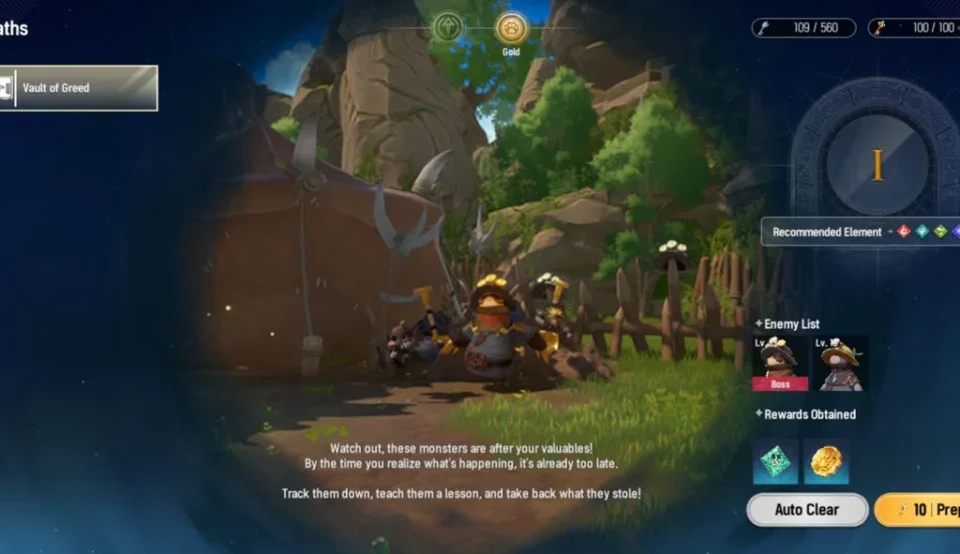
Keys are indispensable for farming essential materials and resources, particularly within specialized game content known as "Paths." These Paths are dedicated instances designed for repeatable resource generation, crucial for upgrading characters, enhancing equipment, and advancing through the game’s various progression systems. Given the continuous demand for these materials throughout a player’s journey, a consistent and abundant supply of Keys is paramount for maintaining optimal efficiency in resource acquisition. Without sufficient Keys, progression can slow considerably, creating bottlenecks in character development.
This is precisely where the friend system becomes a powerful asset. Through the Friends List, players are empowered to send and receive Keys daily from their network. Each entry on a player’s friend list is accompanied by two distinct buttons: one dedicated to sending Keys to that friend, and another for claiming Keys that friend has sent. This reciprocal exchange forms the backbone of MONGIL: STAR DIVE’s cooperative strategy. By engaging in this daily ritual, players can significantly augment their personal Key reserves, thereby extending their farming capabilities within Paths and accelerating their overall progression.
To further enhance user convenience and streamline the daily exchange process, the game incorporates Send All and Claim All functionalities. These quality-of-life features allow players to dispatch Keys to their entire friend list or collect all pending Keys with just a few taps, respectively. This minimizes the manual effort required for daily resource management, ensuring that players can quickly and efficiently maximize their gains without navigating individual friend interactions. Such features are critical for maintaining player engagement, as they reduce tedious micro-management and allow players to focus on core gameplay.
However, the Key exchange system operates within specific parameters. Players are permitted to send a maximum of 30 Keys per day to their friends, and concurrently, they can receive up to 20 Keys daily from their network. These daily caps introduce a strategic dimension to friend list management. To consistently hit the maximum incoming Key limit, players must cultivate and maintain a full and highly active friend list. An inactive friend list will result in missed opportunities for resource acquisition, underscoring the importance of regularly pruning inactive contacts and seeking out new, engaged players. This encourages players to be proactive in managing their social connections, reinforcing the community aspect of the game.

Strategic Implications and Broader Impact
The asynchronous co-op model in MONGIL: STAR DIVE, centered on Key sharing, carries several strategic implications for both player experience and game longevity. From a player retention standpoint, this system provides a compelling daily login incentive. The act of sending and receiving Keys becomes a routine, encouraging players to log in regularly, even if only for a few minutes. This consistent engagement is vital for mobile games, where player churn can be high. Furthermore, it subtly fosters a sense of community and mutual benefit, as players understand that contributing to their friends’ resource pool can lead to reciprocal gains.
From a developer’s perspective, this design choice by Netmarble likely serves multiple purposes. Firstly, it provides a valuable free-to-play progression accelerator. While Keys can often be acquired through other in-game activities or sometimes purchased, the friend system offers a sustainable, player-driven source of this critical resource. This can enhance player satisfaction and reduce the perceived "pay-to-win" pressure, as dedicated social engagement offers a viable alternative to direct monetary investment for resource acquisition. Secondly, an asynchronous system is significantly less demanding on server infrastructure compared to real-time multiplayer, reducing operational costs and technical complexities. This allows Netmarble to focus development resources on other areas, such as content creation and core gameplay enhancements.
The broader economic impact, while indirect, is also noteworthy. By facilitating resource acquisition through social means, MONGIL: STAR DIVE creates a balanced ecosystem. Players who actively engage with the friend system may find less immediate need to purchase certain resource packs, yet their consistent engagement and investment in the game’s community can lead to increased long-term spending on other cosmetic items or premium characters. It creates a value proposition where social activity is rewarded tangibly, aligning player incentives with game health. This model is echoed in many successful mobile titles, where daily gift exchanges or helper unit systems are prevalent, demonstrating its effectiveness in fostering a robust and loyal player base.
Looking ahead, the foundation laid by this co-op system presents opportunities for future expansion. While currently focused on resource sharing, the social framework could potentially evolve to include more direct co-op modes, such as guild-based challenges, cooperative boss raids with shared rewards, or even specialized social events that leverage the established friend network. Enhancements to the social UI, such as in-game chat functionalities tailored for friend groups or more dynamic "friend activity feeds," could further deepen community interaction. However, for now, the existing Key sharing system effectively bridges the gap between solo progression and social connectivity, offering a powerful tool for players to maximize their journey through the expansive universe of MONGIL: STAR DIVE.

Conclusion
The cooperative elements within MONGIL: STAR DIVE, while not conforming to traditional real-time multiplayer combat, offer a sophisticated and highly beneficial asynchronous system centered on the exchange of Keys. This mechanism not only provides a consistent and significant source of vital in-game resources but also actively promotes player engagement, community building, and long-term retention. By strategically building and maintaining an active friend list, players can unlock daily resource gains that are crucial for accelerating character progression and navigating the game’s challenges with greater efficiency. The design choice to prioritize accessible resource sharing reflects a keen understanding of mobile gaming dynamics, offering a balanced approach that rewards social activity without imposing the demands of synchronous play. Players are strongly encouraged to integrate these co-op features into their daily routine, leveraging the collective strength of their network to achieve greater success within MONGIL: STAR DIVE.