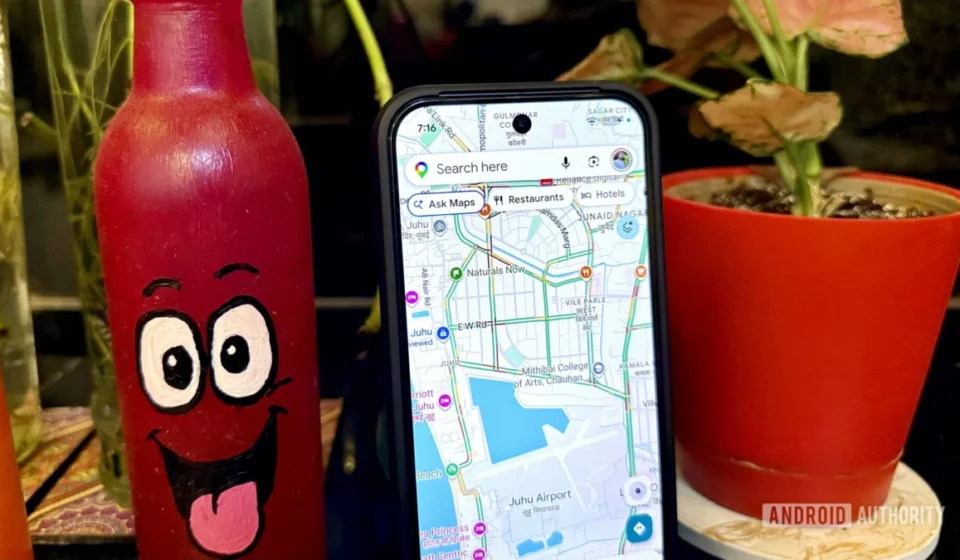
Google Maps’ AI Chat Tool: A Deep Dive into Enhanced Navigation and Personalized Exploration

The recent integration of an artificial intelligence (AI) chat tool, dubbed "Ask Maps," into Google Maps marks a significant evolution in digital navigation and travel planning. This feature, powered by Google’s Gemini AI, transforms the conventional mapping application into a dynamic, conversational travel assistant. Its introduction comes at a pivotal time when users increasingly seek more intuitive and personalized digital experiences, moving beyond mere point-A-to-point-B directions to holistic itinerary generation.
A recent real-world test during a trip to Mumbai underscored the profound utility of "Ask Maps." Navigating the sprawling metropolis, from the northern suburbs to the southern tip, and discovering hidden gems along the way, presented an ideal scenario to push the AI’s capabilities. The insights gleaned from this experience highlight how the tool can significantly optimize travel, offering benefits that extend far beyond traditional mapping functions.
From Mechanical Directions to Nuanced Planning: Optimizing for Effort and Experience
Traditional mapping applications excel at delivering data-driven routes based on objective metrics like distance and estimated travel time. However, they often fall short in accounting for qualitative factors that profoundly impact a traveler’s experience. These include the psychological toll of prolonged traffic, the physical discomfort of navigating under a scorching sun, or the desire for a specific ambiance. "Ask Maps" bridges this gap by leveraging its deep integration with Google’s vast data ecosystem, including user reviews, historical traffic patterns, weather information, and even sentiment analysis from local business descriptions.
This allows the AI to interpret and act upon nuanced requests. For instance, instead of merely asking for attractions in a city, a user can prompt the AI to "plan a half-day in Udaipur with minimal walking in the harsh sun." The AI, drawing on its understanding of local geography, weather patterns, and public transport options, can then suggest a curated itinerary featuring attractions that are close to each other, accessible via shaded routes, or well-served by air-conditioned transit.
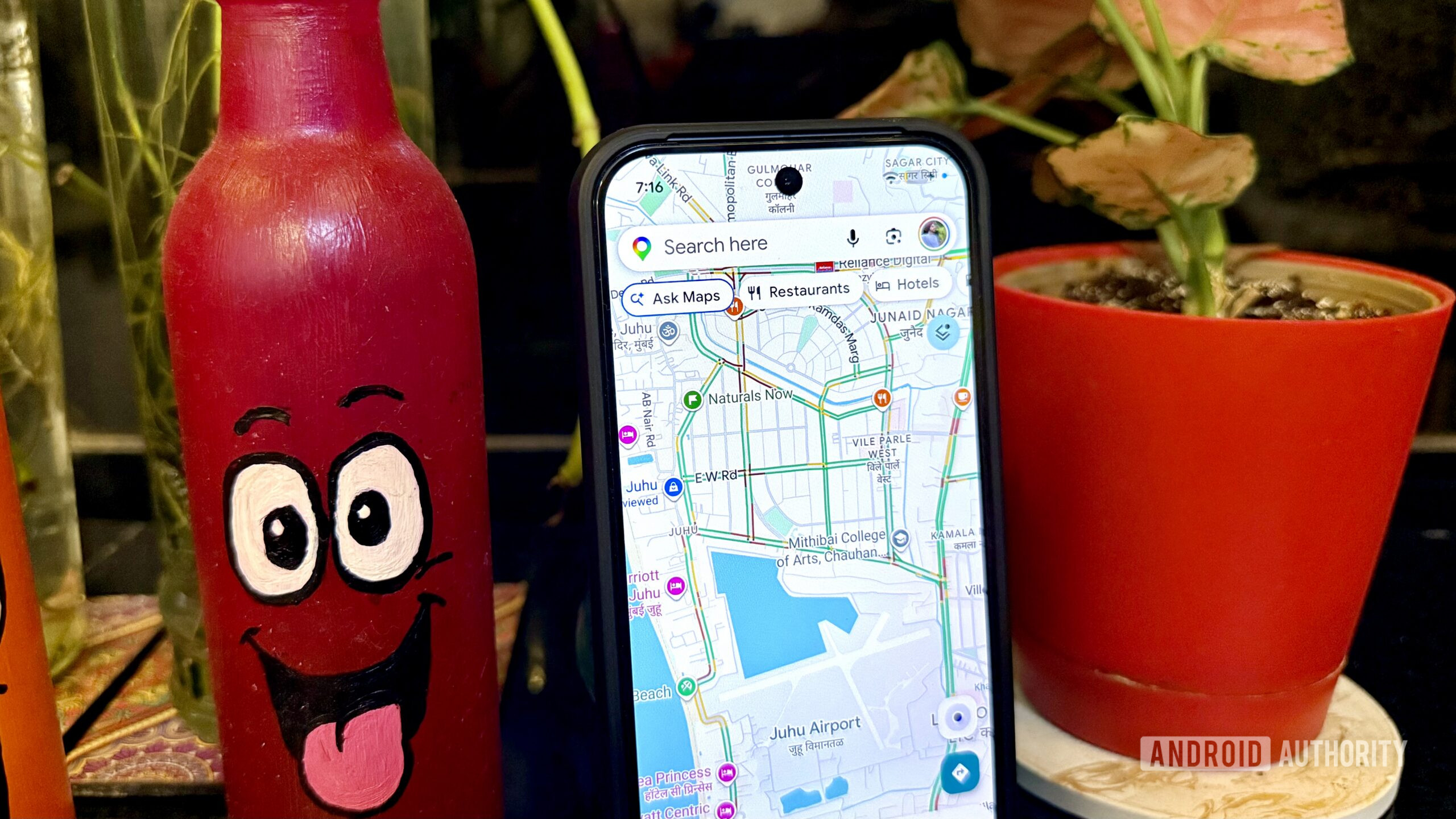
The Mumbai case study exemplified this, with the user requesting a "slow evening at Marine Drive, staying late into the night, with a few eateries serving local dishes on the way back home that were open past midnight." Such a prompt demands an understanding of opening hours, local cuisine preferences, and even the "vibe" of a late-night experience, all of which the AI can now process to craft a tailored plan. This capability fundamentally shifts the paradigm: instead of travelers adapting to the limitations of their navigation tools, the itinerary adapts to their specific desires and comfort levels, fostering a more enjoyable and less strenuous journey.
Strategic Time-Shifting: Navigating Crowds with AI Precision
One of the persistent challenges for travelers, especially in popular tourist destinations or bustling urban centers, is managing crowds. Google Maps has long provided "Popular Times" data, indicating how busy a location typically is throughout the day. "Ask Maps" elevates this existing data by integrating it directly into itinerary generation.
When planning a full day or weekend excursion, users can explicitly instruct the AI to "avoid peak hours" for specific attractions or dining spots. This proactive crowd avoidance is particularly valuable in cities like Mumbai, known for its vibrant but often congested cafes and eateries that rarely offer pre-booking. The AI can suggest visiting popular locations during off-peak times—early mornings, late afternoons, or specific weekdays—to enhance the visitor experience, reduce wait times, and improve opportunities for photography or unhurried enjoyment.
This capability, while manually achievable by a diligent planner, traditionally required extensive cross-referencing of "Popular Times" with personal schedules and route optimization. By automating this process, "Ask Maps" significantly reduces planning friction. The implications extend beyond individual convenience; it could potentially help distribute tourist traffic more evenly throughout the day, alleviating pressure on infrastructure during peak periods and fostering a more sustainable tourism model. This intelligent scheduling, driven by predictive analytics and real-time data, represents a powerful application of AI in urban and travel planning.
Demanding Justification: Enhancing Trust and Discovery
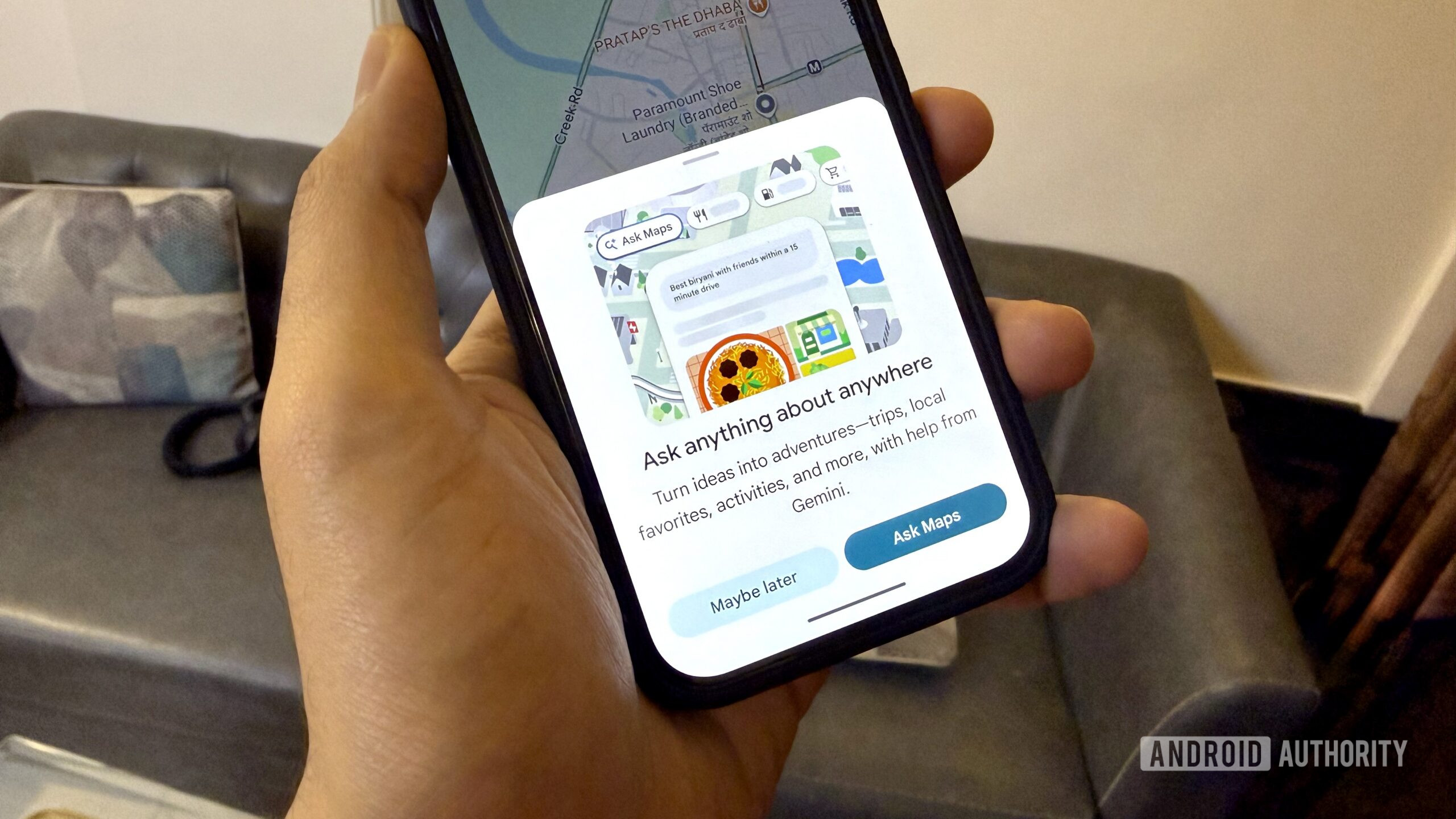
At its core, "Ask Maps" functions as an advanced conversational interface built upon Google’s Gemini AI and the colossal dataset accumulated by Google Maps over years of street photography, business listings, and user-generated reviews. This enables highly granular search queries, such as "an old-school cafe in South Bombay serving vegan meals that’s on the way to your next stop." Such a precise request, once a multi-step manual search, can now be resolved almost instantly.
A critical aspect of leveraging AI effectively is the ability to interrogate its suggestions. Users are encouraged to ask the AI to "justify why it suggested those places and in that order." This prompts the AI to provide the rationale behind its recommendations, drawing upon specific review excerpts, thematic connections between locations, or logistical advantages. This "interrogation mode" is vital for several reasons: it builds user trust by making the AI’s decision-making process transparent, helps filter out generic or overtly popular suggestions in favor of genuinely unique or underrated spots, and encourages a deeper engagement with the planning process. By demanding justification, users transform the AI from a mere list-generator into a collaborative travel advisor, ensuring that recommendations align with their specific, often unspoken, preferences. This feature taps into the broader trend of "explainable AI," where users not only receive answers but also understand the basis of those answers, fostering greater confidence in the AI’s utility.
Curating Experiences: Planning for "Vibe Shifts" Across the Day
Travel planning often focuses on tangible elements: where to eat, what to see, and how to get there. However, the emotional and experiential quality—the "vibe"—of a journey is equally important. Traditional mapping tools rarely cater to this subjective aspect. "Ask Maps" introduces the innovative ability to plan a day around desired emotional or atmospheric shifts.
Users can instruct the AI to curate their day based on a sequence of moods or experiences. For example, a traveler might request to "start the morning with a calm and slow experience," transition to "something more lively, like exploring a bustling local market" after breakfast, and then "end the day on a peaceful note by the sea." This provides the AI with a flexible yet structured framework within which to generate suggestions.
By understanding and incorporating these "vibe shifts," the AI moves beyond a logistical planner to become an experience designer. Its suggestions for restaurants, attractions, or activities are not just geographically convenient but also emotionally resonant, aligning perfectly with the user’s desired flow of the day. This level of experiential personalization, achieved through a brief conversational exchange, represents a significant leap from previous travel planning tools, allowing users to craft journeys that feel deeply personal and fulfilling. It caters to the growing demand for authentic, immersive travel rather than simply checking off tourist landmarks.
Leveraging User Sentiment: Asking for What People Regret Doing
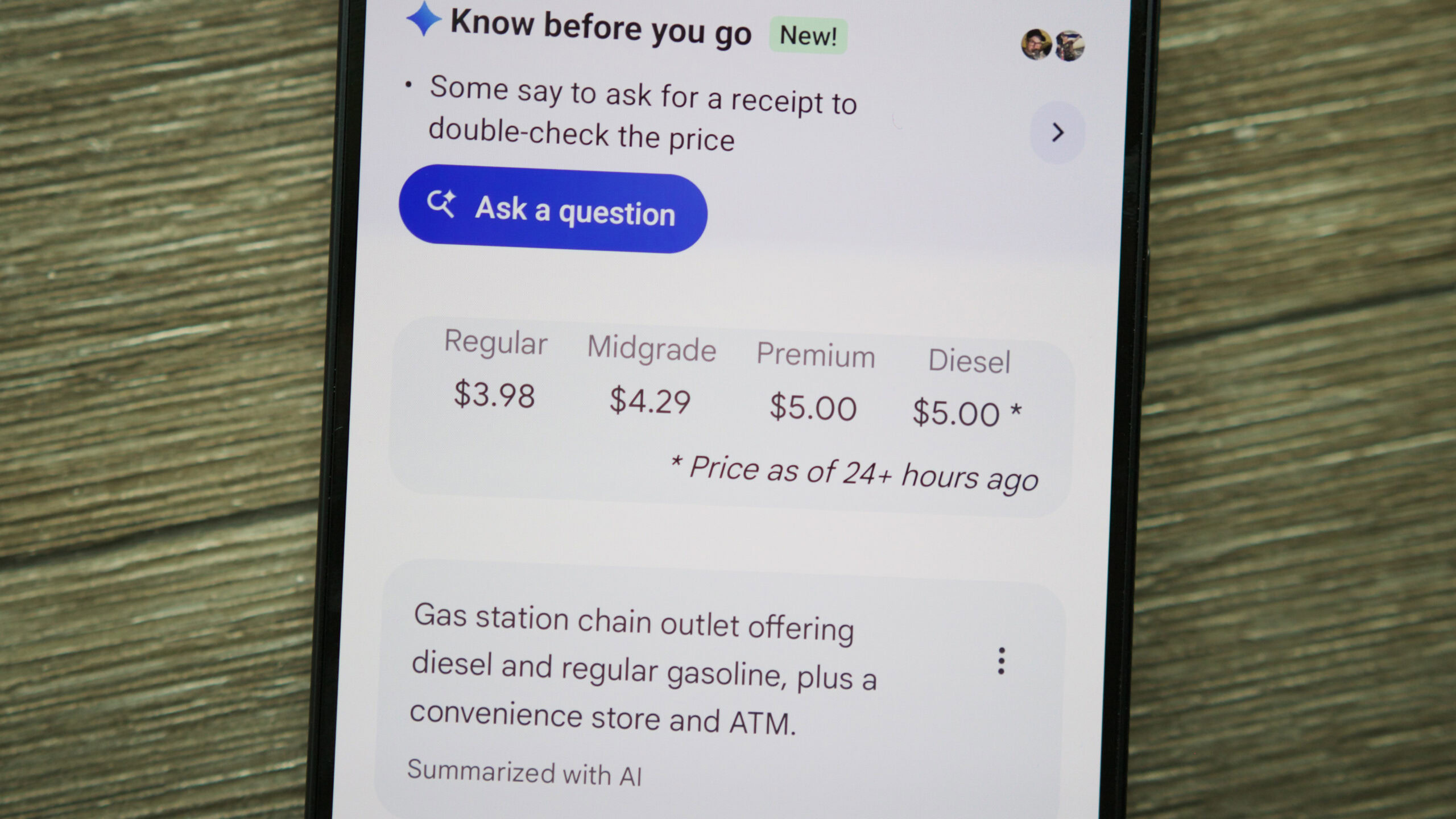
Google Maps’ vast repository of user reviews, star ratings, and shared photos is an invaluable source of qualitative data. While most users typically focus on positive reviews to find "the best" places, "Ask Maps" unlocks the potential to analyze negative feedback constructively. The AI can access nuanced information often buried in reviews—details about broken roads, inadequate parking, cleanliness of facilities, or staff demeanor—that might not appear in official listings.
A particularly powerful query involves asking the AI, "What do people regret doing at [specific location]?" or "What are common complaints about [type of place] in [city]?" By shifting focus from what is good to what has actively disappointed or inconvenienced others, users gain a more realistic and comprehensive understanding of what to expect. This "interrogation" strategy, akin to reading balanced three-star reviews, provides a truer picture of a location’s pros and cons.
For instance, knowing beforehand if a popular spot frequently has long queues, poor sanitation, or aggressive vendors can help a traveler make an informed decision to either prepare for it, adjust their expectations, or skip it entirely. This proactive problem avoidance, powered by the AI’s ability to synthesize vast amounts of user sentiment, transforms travel planning into a more resilient and enjoyable endeavor. It empowers travelers to avoid common pitfalls and focus their time and resources on genuinely worthwhile experiences, maximizing satisfaction and minimizing potential frustrations.
The Broader Implications of AI in Navigation
The integration of AI into Google Maps, spearheaded by "Ask Maps," represents more than just a new feature; it signifies a fundamental shift in how digital mapping services interact with users and the world.
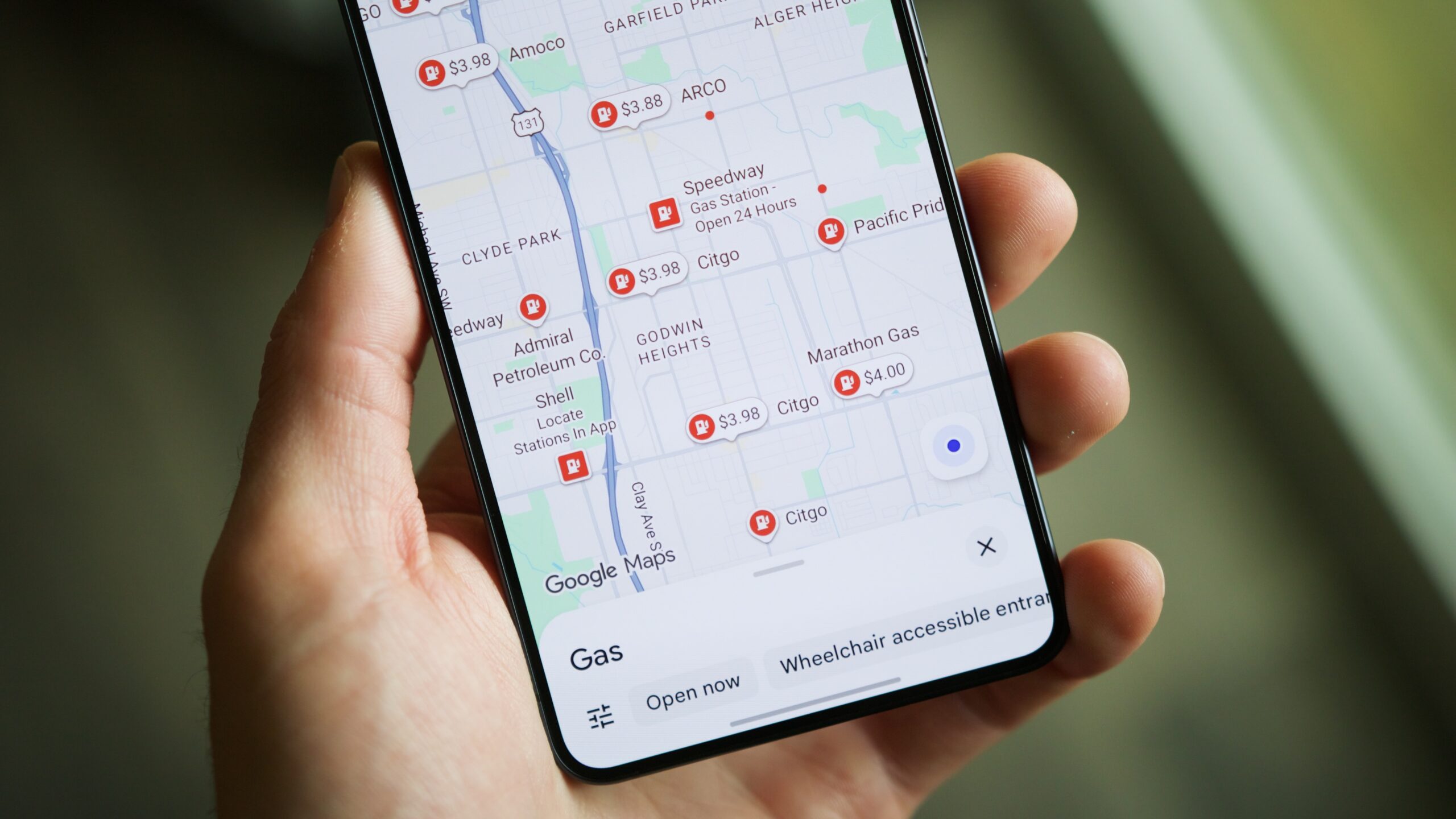
Technical Underpinnings: "Ask Maps" is powered by Google’s advanced Gemini AI models, which are large language models (LLMs) trained on an immense and diverse dataset. This allows Gemini to understand complex, nuanced natural language queries and generate contextually relevant, human-like responses. Its integration with Google Maps means it has direct, real-time access to the entire Maps database—places, reviews, traffic data, Street View imagery, public transport schedules, and business information. This synergistic relationship between an intelligent conversational AI and a comprehensive geographic information system (GIS) is what enables the sophisticated planning capabilities described.
Impact on Tourism and Local Economies: For tourists, "Ask Maps" offers an unprecedented level of personalization, potentially democratizing access to highly curated travel experiences previously only available through expensive human travel agents. For local businesses, especially small and medium-sized enterprises, it presents an opportunity for enhanced visibility, provided they have accurate and detailed information within Google Maps. The AI’s ability to recommend "underrated" or "specific-vibe" locations could help distribute tourist traffic beyond established hotspots, benefiting a wider range of businesses.
Challenges and Future Outlook: While transformative, the technology is not without its challenges. Data privacy remains a significant concern, given the highly personalized nature of the queries and the vast amount of data processed. Ensuring the AI’s recommendations are unbiased and reflect a diverse range of options, rather than defaulting to popular or algorithmically favored choices, is crucial. The potential for "AI hallucinations"—where the AI confidently presents incorrect or non-existent information—also needs continuous mitigation. As Google continues to refine its Gemini models, the accuracy, speed, and depth of "Ask Maps" are expected to improve further, making it an indispensable tool for future travelers.
In conclusion, "Ask Maps" is quickly becoming an indispensable feature for modern travelers. Its ability to move beyond basic navigation to offer deeply personalized, context-aware, and emotionally intelligent travel planning transforms Google Maps from a utility into a comprehensive travel companion. By optimizing for effort, time-shifting popular spots, demanding justification for recommendations, planning for specific "vibe shifts," and leveraging user experiences (both positive and negative), "Ask Maps" empowers users to discover and experience destinations in ways that are quicker, smarter, and profoundly more tailored to their individual needs. This evolution underscores Google’s commitment to embedding advanced AI capabilities into its core products, fundamentally reshaping how we explore and interact with the world around us.