

The digital realm’s primary gateway, the web browser, is undergoing a profound transformation driven by artificial intelligence. This shift, initiated by major tech players seeking to embed AI directly into our internet experience, has seen both ambitious ventures and unexpected retreats. A notable development in this evolving landscape is the recent announcement that ChatGPT Atlas, OpenAI’s AI-first web browser, will be sunsetting next month. This news, while perhaps surprising to some who were unaware of its existence, underscores the inherent challenges in disrupting deeply ingrained user habits and competing within a fiercely contested market dominated by established giants.
The Genesis of AI in Browsers: A Strategic Imperative

For decades, web browsers have served as our indispensable windows to the internet, evolving from rudimentary information displays to sophisticated platforms for work, entertainment, and communication. The advent of advanced artificial intelligence has prompted a new wave of innovation, with leading AI companies recognizing browsers as a critical frontier. The motivation is clear: embedding AI directly into the browser allows for a more intimate understanding of user intent and content consumption, thereby enabling more personalized, efficient, and proactive digital assistance. This strategic pivot marks a significant departure from traditional browser functionalities, moving towards a future where the browser actively anticipates and assists user needs rather than merely facilitating navigation.
The initial foray of AI into browsing can be traced back to the integration of AI-powered search engines, most notably Microsoft’s re-invigoration of Bing with OpenAI’s GPT models and Google’s subsequent rollout of Bard (now Gemini) into its search and browser ecosystem. These developments signaled a clear intent to move beyond static search results to conversational, context-aware interactions. The browser, by virtue of being the primary interface for consuming online content, naturally became the next battleground for AI integration. Companies envisioned AI-powered browsers that could summarize complex articles, compare products across multiple sites, generate content, or even perform multi-step tasks autonomously.
The Short-Lived Journey of ChatGPT Atlas
OpenAI’s attempt with ChatGPT Atlas, while conceptually aligned with this broader industry trend, ultimately failed to gain traction. Launched with the ambition of creating an "AI-first" browsing experience, Atlas struggled to carve out a niche in a market saturated with entrenched competitors like Google Chrome, Mozilla Firefox, and Microsoft Edge. The exact reasons for its sunsetting are multifaceted but likely include a combination of factors:
- Lack of User Adoption: Disrupting deeply ingrained user habits is incredibly difficult. Users are often reluctant to switch browsers unless there’s a compelling and unique value proposition that significantly outperforms their current choice. Atlas likely failed to demonstrate this sufficiently for a broad audience.
- Late Entry: The browser market is mature, with dominant players having spent years refining their offerings and building vast user bases. Entering such a market requires immense marketing power and a truly revolutionary product, both of which might have been challenging for a company primarily focused on foundational AI research and development.
- Focus Shift for OpenAI: OpenAI’s core mission revolves around advancing AI research and developing powerful models like GPT and DALL-E. Maintaining and evolving a consumer-facing browser product, with all its inherent complexities (security, compatibility, UI/UX design), might have diverted resources from its primary objectives. It’s plausible that the company decided to reallocate resources to areas where it could have a more significant impact.
- Integration vs. Standalone: Many users might prefer AI features integrated into their existing, familiar browsers rather than having to adopt an entirely new one. The success of AI sidebars and built-in AI tools in mainstream browsers suggests this preference.
The closure of ChatGPT Atlas serves as a cautionary tale for AI companies looking to enter crowded consumer software markets. It highlights that even with cutting-edge AI technology, success is not guaranteed without a clear path to user adoption, sustained development, and a strong competitive advantage against established players.
The Unstoppable March of AI Browsers: Current Leaders and Innovations
Despite Atlas’s withdrawal, the broader trend of AI integration into web browsers is accelerating, not diminishing. The convenience, efficiency, and potential for personalized experiences offered by AI-powered browsing are too significant to ignore. Major tech companies are pouring resources into making their browsers smarter, transforming them from mere content viewers into intelligent assistants.
Google Chrome: The Ubiquitous AI Assistant with Gemini
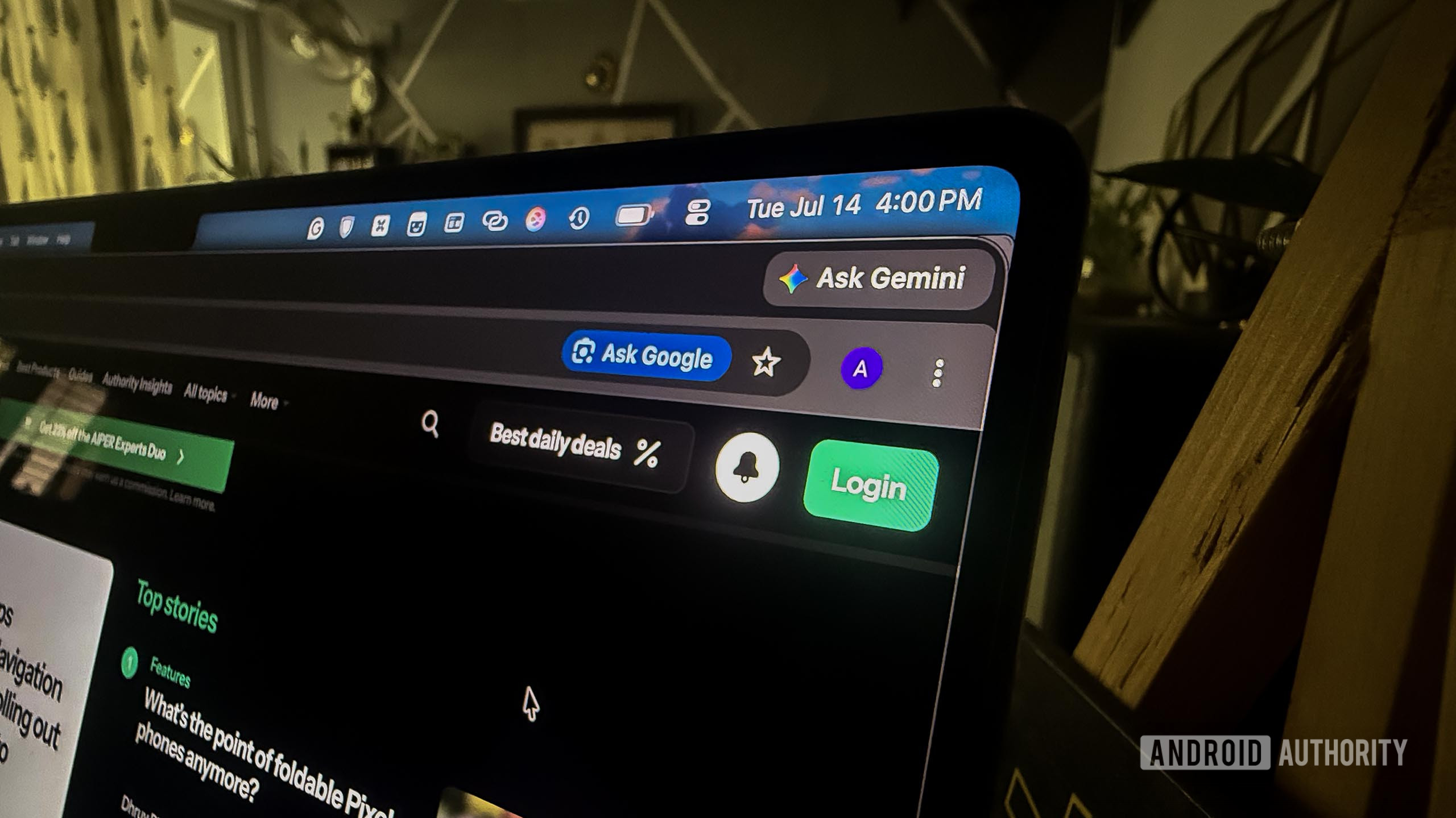
Google Chrome, already the undisputed leader in browser market share (consistently above 60% globally, according to StatCounter data for May 2024), has strategically integrated its advanced AI model, Gemini, directly into its interface. This move leverages Chrome’s vast user base and Google’s unparalleled AI capabilities. Gemini, accessible via an easily identifiable icon in the upper-right corner, offers a comprehensive suite of AI functionalities:
- Contextual Assistance: Users can engage Gemini in conversations about any open tab, facilitating tasks such as comparing product specifications across different e-commerce sites, customizing recipes based on ingredients found online, or extracting technical insights from complex documentation. This context-awareness significantly enhances productivity and information synthesis.
- Real-time Interaction (Gemini Live): Chrome distinguishes itself with Gemini Live integration, allowing for dynamic, real-time interaction with the AI. This goes beyond static prompts, enabling a more fluid and responsive conversational experience.
- Agentic Mode Experimentation: Google is actively experimenting with an "agentic" mode within Chrome, which would empower Gemini to take control of browser tabs and perform actions on the user’s behalf. Imagine Gemini automatically booking flights, filling out forms, or collating information from multiple sources without direct user intervention – a vision that truly blurs the line between a browser and a personal digital agent.
- Free Accessibility: Crucially, most of these advanced AI features are bundled free of charge, making powerful AI assistance accessible to Chrome’s enormous user base without additional cost. This strategy further solidifies Chrome’s market position and democratizes AI browsing.
Google’s deep integration of Gemini into Chrome is a powerful statement of intent, signaling its commitment to maintaining dominance in the evolving digital landscape by making AI an inseparable part of everyday internet use.

Dia: The Subtle Power of Smart Features
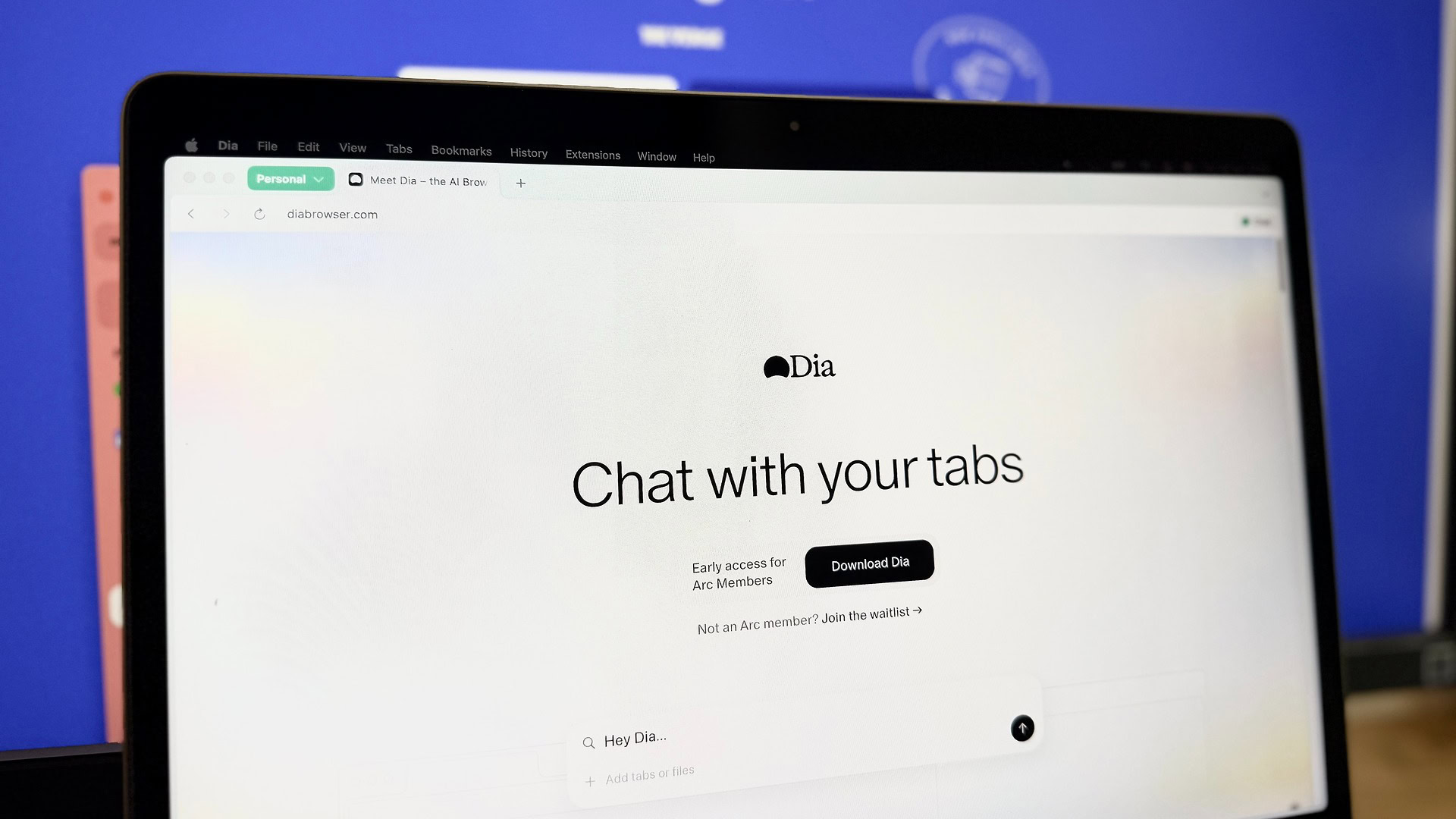
From The Browser Company, Dia represents a refined approach to AI integration, building upon the innovative foundations of its predecessor, Arc. Dia distinguishes itself by offering smart, baked-in features that enhance the browsing experience without being overtly "AI-first" in a chatbot-centric way. Its design philosophy leans towards intelligent assistance that seamlessly integrates into the user workflow.
- Arc’s Legacy: Dia inherits many of Arc’s acclaimed features, including intuitive quick shortcuts for common tasks like joining meetings and a highly efficient tab management system. This provides a robust, user-friendly core browsing experience.
- Discreet AI Sidebar: While not screaming "AI," Dia includes a capable AI sidebar for practical tasks such as summarizing lengthy articles or extracting key pointers from YouTube videos. This functionality is presented as a helpful tool rather than a dominant interface element.
- Custom Skills: Personalized Automation: Dia’s most compelling differentiator is its "Custom Skills" feature. This allows users to create personalized shortcut prompts that execute a sequence of actions. For example, a user can configure a skill to automatically scour their favorite tech news websites each morning and present a curated rundown of new developments. This moves beyond simple summarization to genuine workflow automation, empowering users to tailor their browsing experience to their specific needs and routines.
- Balanced Integration: Dia strikes a delicate balance between leveraging modern AI capabilities and maintaining a clean, efficient browsing environment. Its strength lies in its ability to enhance productivity and personalization without overwhelming the user with overt AI interfaces, making it a strong contender for those who appreciate intelligent design and subtle assistance.
Perplexity Comet: The Vision of Autonomous Browsing
Perplexity Comet stands out as perhaps the most ambitious and "artificially intelligent" web browser currently available, pushing the boundaries of what a browser can do. Rooted in Perplexity AI’s expertise in conversational search and information synthesis, Comet aims to be a truly proactive and autonomous agent.
- Real-time Interaction and Action: Comet’s core strength lies in its ability to not only "see" and understand the content within open tabs but also to interact with them in real time. This allows it to perform complex tasks that would typically require manual navigation and input, making the browsing experience feel almost futuristic.
- The "Computer" Feature: Perplexity offers a premium feature called "Computer" (priced at $200/month), which exemplifies its vision of agentic AI. This orchestrator works in the background, tackling tasks even when the user’s laptop is closed. If it encounters a task that requires direct application interaction, it can (with user permission) autonomously browse within Comet, taking actions in web applications to complete the task.
- Sci-Fi Experience: The first-hand experience of witnessing Comet in action, autonomously navigating and interacting with web content, is often described as akin to a scene from a science fiction movie. It provides a tangible glimpse into a future where AI agents seamlessly handle digital chores, freeing up human users for more creative or strategic work.
- Advanced Research and Information Retrieval: Given Perplexity AI’s background, Comet excels in advanced information retrieval, synthesis, and research tasks, making it particularly powerful for professionals and academics who require deep dives into complex topics.
Perplexity Comet represents the vanguard of AI browsers, showcasing the immense potential of highly intelligent agents that can operate with increasing autonomy, fundamentally redefining the relationship between user and browser.

Microsoft Edge: The Efficient Integrator within the Microsoft Ecosystem
Microsoft Edge has undergone a significant transformation since its Chromium-based redesign, emerging as a surprisingly efficient and capable browser. Its integration with Microsoft’s broader ecosystem and its AI capabilities, powered by Copilot (formerly Bing Chat), make it a strong choice, particularly for users embedded in Microsoft’s services.
- Context-Aware Copilot Sidebar: Like many modern browsers, Edge features a context-aware sidebar powered by Copilot. This allows users to summarize lengthy articles, compare information, generate text, or answer questions directly related to their open tabs. This seamless integration enhances productivity, especially for research and content creation.
- Chromium Efficiency: Built on the Chromium engine, Edge offers excellent performance, speed, and compatibility with a vast array of web standards and extensions. It is recognized for its efficiency, often outperforming other Chromium-based browsers in resource management, making it a solid choice on both Windows and macOS platforms.
- Ecosystem Synergy: For users heavily invested in the Microsoft ecosystem (e.g., Office 365, SharePoint, Teams), Edge provides a natural and integrated experience. Its AI capabilities extend to interacting with Microsoft services, offering a cohesive digital environment for work and personal use.
- Continuous Improvement: Microsoft’s commitment to enhancing Edge is evident in its continuous updates and feature rollouts, positioning it as a competitive browser that prioritizes both performance and intelligent assistance. While Microsoft’s occasional prompts to explore other products might be a minor annoyance for some, the underlying quality and AI integration of Edge remain highly commendable.
Brave: The Privacy-First AI Companion
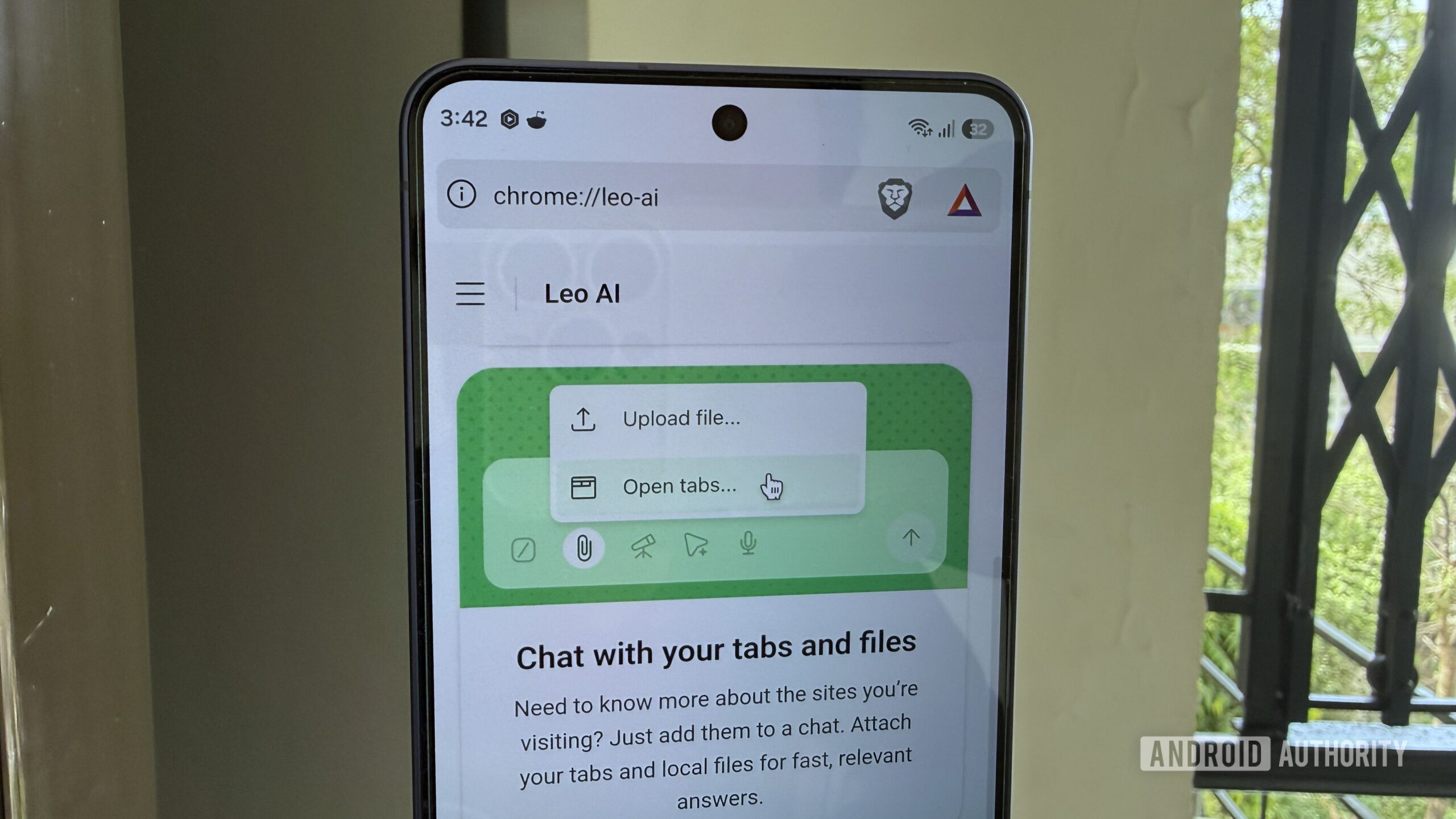
Brave browser has long championed a privacy-first philosophy, blocking ads and trackers by default. This commitment to user privacy extends to its AI integration, dubbed "Leo AI," offering a secure and controlled environment for AI-powered assistance.
- Privacy-Preserving AI: Leo AI performs standard tasks like summarizing pages and rewriting text, but with a crucial distinction: it prioritizes user privacy. This means interactions with Leo AI are designed to remain private and are not used for training models or shared with third parties, a significant selling point for privacy-conscious users.
- Choice of Language Models: Brave empowers users with the flexibility to choose their preferred underlying language model for Leo AI, rather than locking them into a single provider. This allows users to select the model that best aligns with their performance expectations and privacy preferences.
- Tiered Features: While core AI functionalities are available, Brave locks some advanced features and access to newer, more powerful large language models (LLMs) behind a paid "Leo Premium" tier, which costs $15 per month. This subscription model allows Brave to offer advanced AI capabilities while maintaining its privacy-focused business model.
- Balanced Capabilities: While Leo AI may not offer the same breadth of cross-service integrations or the agentic capabilities of some mainstream alternatives, it perfectly serves users with minimal expectations who prioritize privacy above all else. Its commitment to local processing and user control makes it a unique player in the AI browser space.
Arc (Honorable Mention): The Innovative Precursor to Modern AI Browsing
Arc, also from The Browser Company, deserves an honorable mention for its groundbreaking approach to browser design and its early adoption of intelligent features, which laid the groundwork for many current AI browser concepts. Although active development has paused in favor of Dia, Arc’s impact on user experience and smart browsing remains significant.
- Revolutionary UI/UX: Arc garnered a dedicated following for its radical reimagining of the browser interface, featuring vertical tabs, spaces for organizing tasks, and intuitive shortcuts that fundamentally changed how users interacted with the web. This focus on efficiency and organization naturally lent itself to intelligent automation.
- "AI Max" Features: Arc’s "AI Max" features were designed to enhance the browsing experience subtly rather than through an overt chatbot. Examples include:
- Automatic Tab Tidying: Arc could intelligently rename messy tab titles and downloaded file names for easier identification and organization, a small but impactful quality-of-life improvement.
- Integrated AI Chatbots: It offered direct integrations for various AI chatbots, including ChatGPT, within the search bar, providing quick access to AI assistance without leaving the browsing context.
- Enduring Appeal: Even without active development, Arc continues to be used by a loyal community who find its unique blend of innovative design and smart features superior to conventional browsers. For users who prioritize a highly refined and intelligently organized browsing experience and don’t require continuous new feature rollouts, Arc remains a compelling choice.
Implications and The Future of Browsing
The demise of ChatGPT Atlas does not signal the failure of AI in browsers; rather, it highlights the competitive intensity and the importance of strategic execution. The trend towards AI-powered browsers is irreversible, with profound implications across several fronts:
- Enhanced User Experience: AI transforms browsing from a passive activity into an active partnership. Users will benefit from personalized content delivery, automated task completion, and intelligent summarization, reducing cognitive load and saving time.
- Privacy and Data Security: The increased data interaction required by AI raises significant privacy concerns. Browsers like Brave are championing privacy-first approaches, but the industry as a whole will need to grapple with ethical data collection, processing, and transparency.
- Intensified Competition: The integration of AI has reignited the browser wars, shifting the battleground from rendering engines and speed to intelligent capabilities and ecosystem integration. This fierce competition will drive further innovation, benefiting users.
- The Rise of Agentic AI: The experimentation with "agentic" modes by Google and the advanced capabilities of Perplexity Comet point towards a future where browsers act as proactive digital agents, capable of understanding complex instructions and executing multi-step tasks autonomously. This could fundamentally redefine how we interact with the internet and digital services.
- Ethical Considerations and Misinformation: As AI becomes more deeply embedded, the challenges of algorithmic bias, hallucination, and the spread of misinformation within search results and summarized content will become even more critical, requiring robust ethical frameworks and continuous vigilance.
In conclusion, while OpenAI’s ChatGPT Atlas may be closing its digital doors, its brief existence served as a testament to the industry-wide recognition of the browser as a pivotal platform for AI integration. The current landscape, dominated by innovative offerings from Google, The Browser Company, Perplexity, Microsoft, and Brave, demonstrates that AI-powered browsing is not a passing fad but a foundational shift that will continue to redefine our interaction with the vast expanse of the internet for years to come.