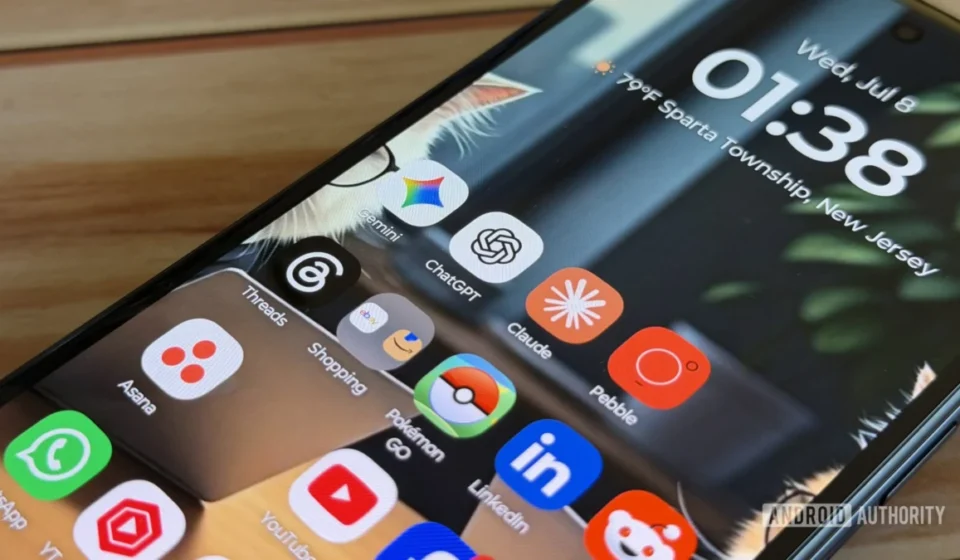
I asked ChatGPT, Claude, and Gemini to pick the best smartphone — I didn’t expect the results

The accelerating integration of artificial intelligence into daily life has extended its reach into consumer purchasing decisions, prompting a critical examination of how effectively leading large language models (LLMs) can navigate the complex smartphone market. In an intriguing experiment conducted by a seasoned technology journalist specializing in mobile devices, ChatGPT, Claude, and Gemini were tasked with identifying the "best smartphone for most people" in the current 2026 market. The results, while demonstrating AI’s capacity for data synthesis, revealed distinct analytical approaches and highlighted the persistent need for human discernment in applying AI-generated advice.
The Evolving Landscape of Consumer Guidance and AI’s Role
The past decade has witnessed a dramatic shift in how consumers research and acquire products. From traditional print magazines and television commercials, the landscape transitioned to online reviews, influencer marketing, and user-generated content. Now, artificial intelligence stands poised to be the next frontier in consumer guidance. With the proliferation of advanced LLMs, individuals are increasingly turning to AI for everything from cooking recipes to financial planning, and naturally, for significant purchases like smartphones.
The impetus behind this particular experiment was to gauge the maturity of these AI models in performing a task traditionally reserved for expert human reviewers: synthesizing vast amounts of technical specifications, market sentiment, and user feedback to provide a coherent and beneficial recommendation. For a device as central to modern life as the smartphone, the "best" choice is rarely absolute, varying based on user priorities, budget, and evolving technological standards. The challenge posed to the AI models was not merely to list popular devices but to articulate a nuanced justification that would genuinely serve the broad spectrum of average consumers.
Methodology: A Standardized Prompt for Diverse AI
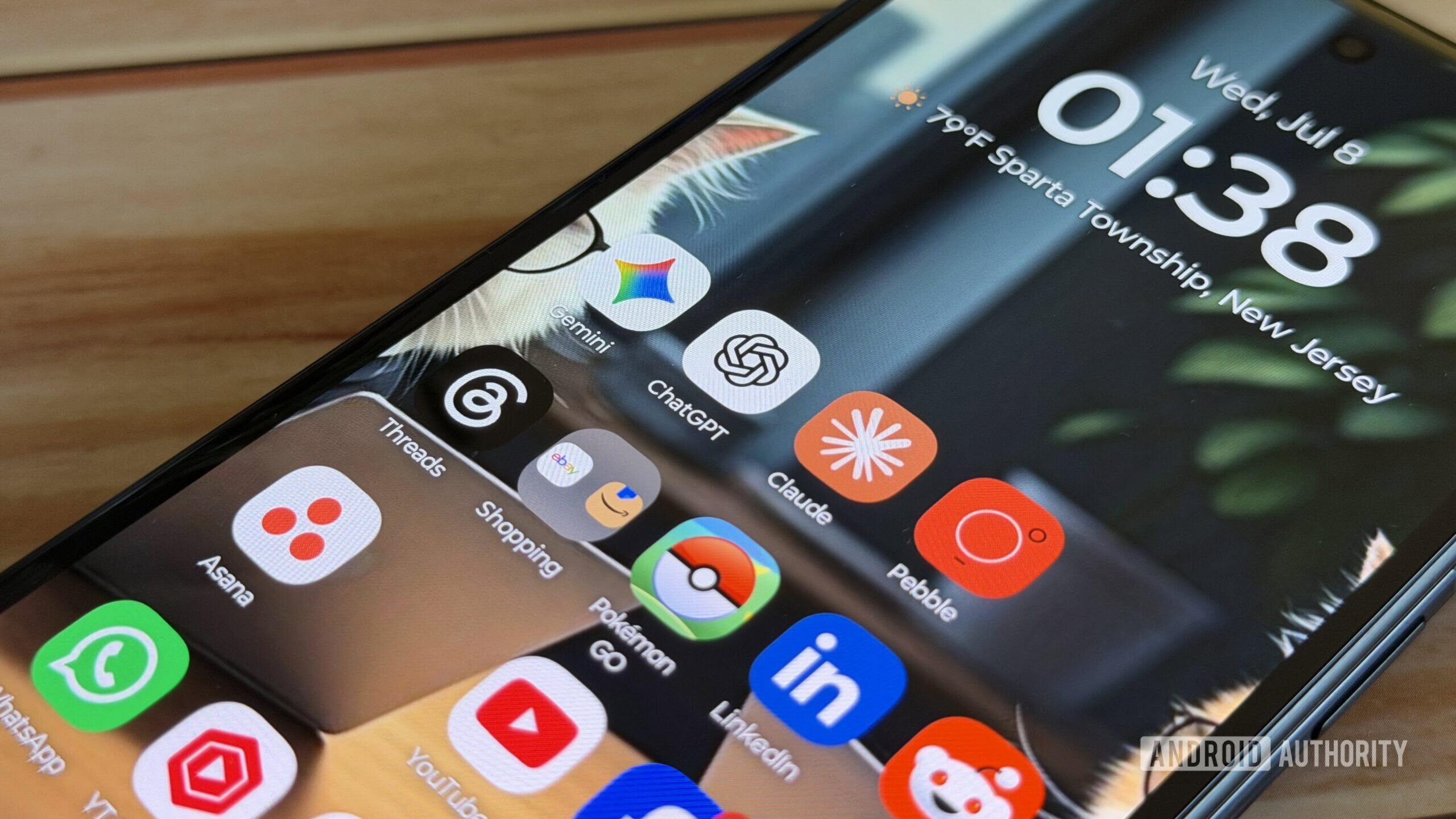
To ensure a fair and unbiased comparison, a precise and comprehensive prompt was crafted and applied uniformly across ChatGPT-5.5, Claude Sonnet 4.6, and Gemini 3.5 Flash. The prompt explicitly instructed the models to disregard any pre-existing personal biases or articles, focusing solely on objective data points. Key criteria specified for consideration included:
- Price: A crucial factor for "most people," reflecting the balance between cost and value.
- Software Support: Indicating longevity and future-proofing of the device.
- Performance: Sufficient processing power for typical user activities without being overkill.
- Most Users’ Usage: Prioritizing common applications like web browsing, social media, communication, and casual photography over niche, high-demand tasks.
- Consumer Reviews and Sentiment: Aggregating public opinion from various platforms.
- Any Available Data: Allowing the LLMs to draw from their extensive training datasets.
Each model was then asked to select a single "best" smartphone with a detailed explanation and to provide a top three list, complete with justifications for each entry. The year 2026 was established as the temporal context for all recommendations, implying access to the latest market data and product releases for that period.
ChatGPT-5.5: The Pragmatic Endorsement of the Google Pixel 10
OpenAI’s ChatGPT-5.5 emerged as arguably the most "practical" and grounded in its assessment, selecting the Google Pixel 10 as the best smartphone for the majority of consumers in 2026. This recommendation notably diverged from the industry’s often high-octane focus on ultra-premium flagships, instead emphasizing a balanced blend of capability and accessibility.
ChatGPT’s primary justifications for the Pixel 10 centered on three pillars:
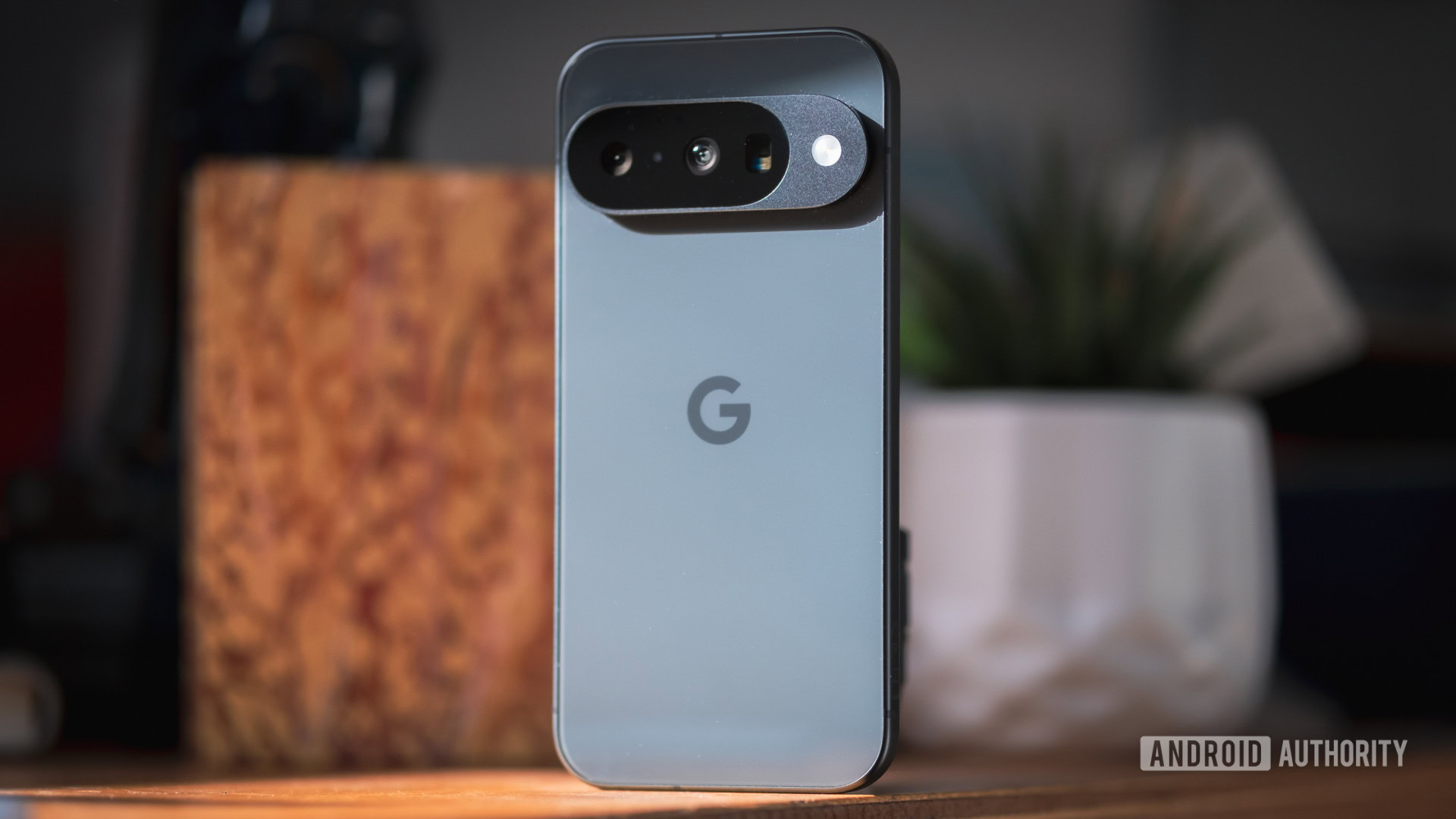
- Flagship-Level Camera Performance for Novice Users: The model highlighted the Pixel 10’s camera system, noting its ability to deliver exceptional photographic results without requiring advanced user knowledge. This aligns with a significant consumer trend where ease of use and consistent quality in photography are paramount, often surpassing the desire for highly technical or specialized camera features.
- Superior Software Speed and Long-Term Support: Google’s commitment to extended software updates and the optimized performance of its Tensor G5 processor were cited as critical advantages. In an era where consumers are retaining their smartphones for longer periods, robust and prolonged software support directly translates to better long-term value and security.
- Excellent Battery Life and Value Proposition: The Pixel 10 was commended for its reliable battery performance, a universal concern for smartphone users. Crucially, ChatGPT underscored the device’s ability to offer a "similarly good flagship experience" at a price point "hundreds of dollars" below its more expensive competitors, a compelling argument in the 2026 market where economic considerations have become increasingly salient.
For its honorable mentions, ChatGPT listed the Apple iPhone 17 Pro Max and the base Samsung Galaxy S26. While acknowledging the iPhone’s continued dominance for the "average mainstream buyer" in terms of brand recognition and ecosystem lock-in, ChatGPT ultimately favored the Pixel 10 for its superior overall balance when factoring in price. The model’s concluding remark that "most users don’t need fancy, extreme zoom cameras or an oversized display" showcased a commendable understanding of actual consumer behavior versus enthusiast desires, a refreshing perspective in a market often driven by escalating specifications.
Claude Sonnet 4.6: Championing Mainstream Appeal with the iPhone 17
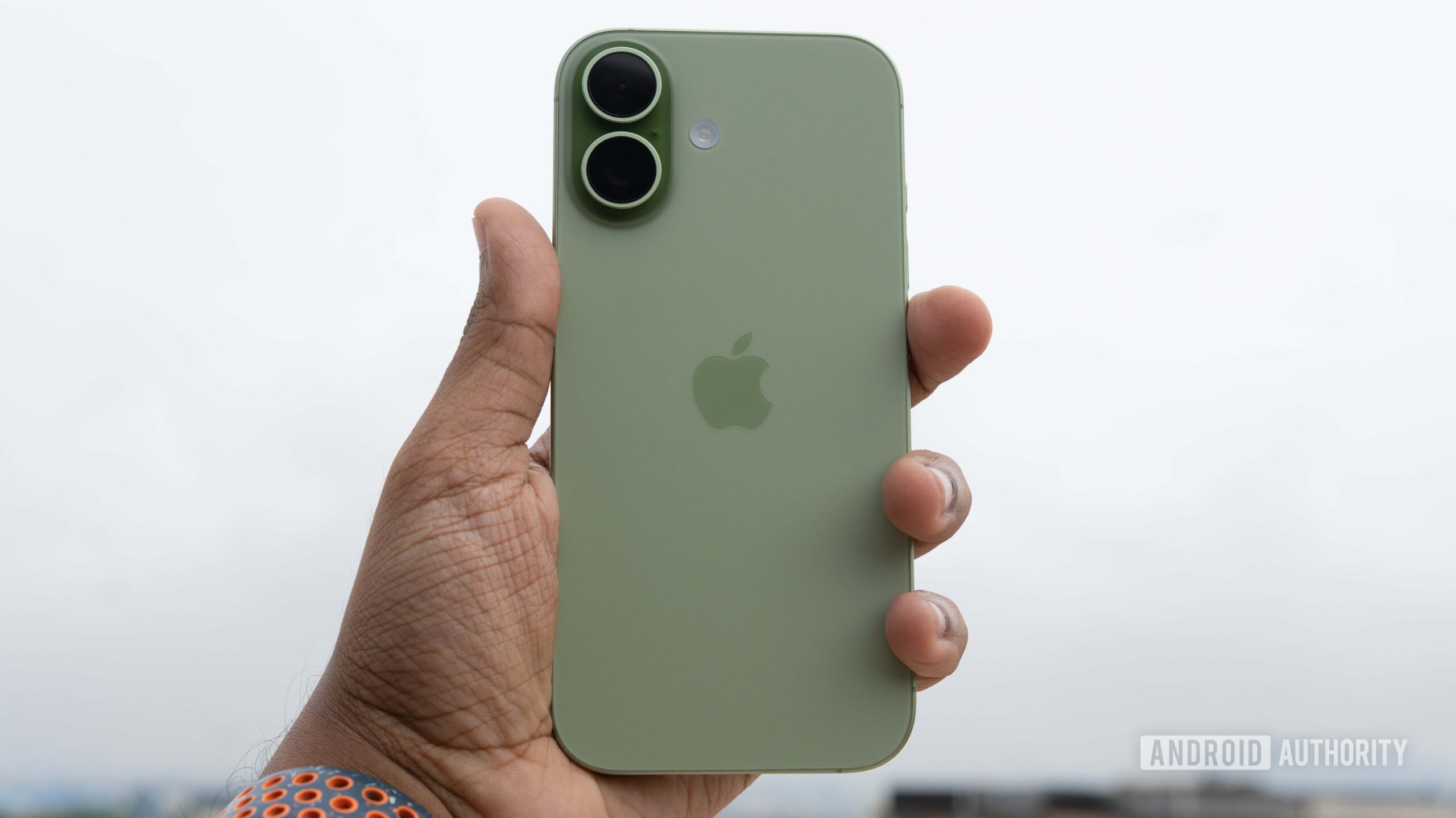
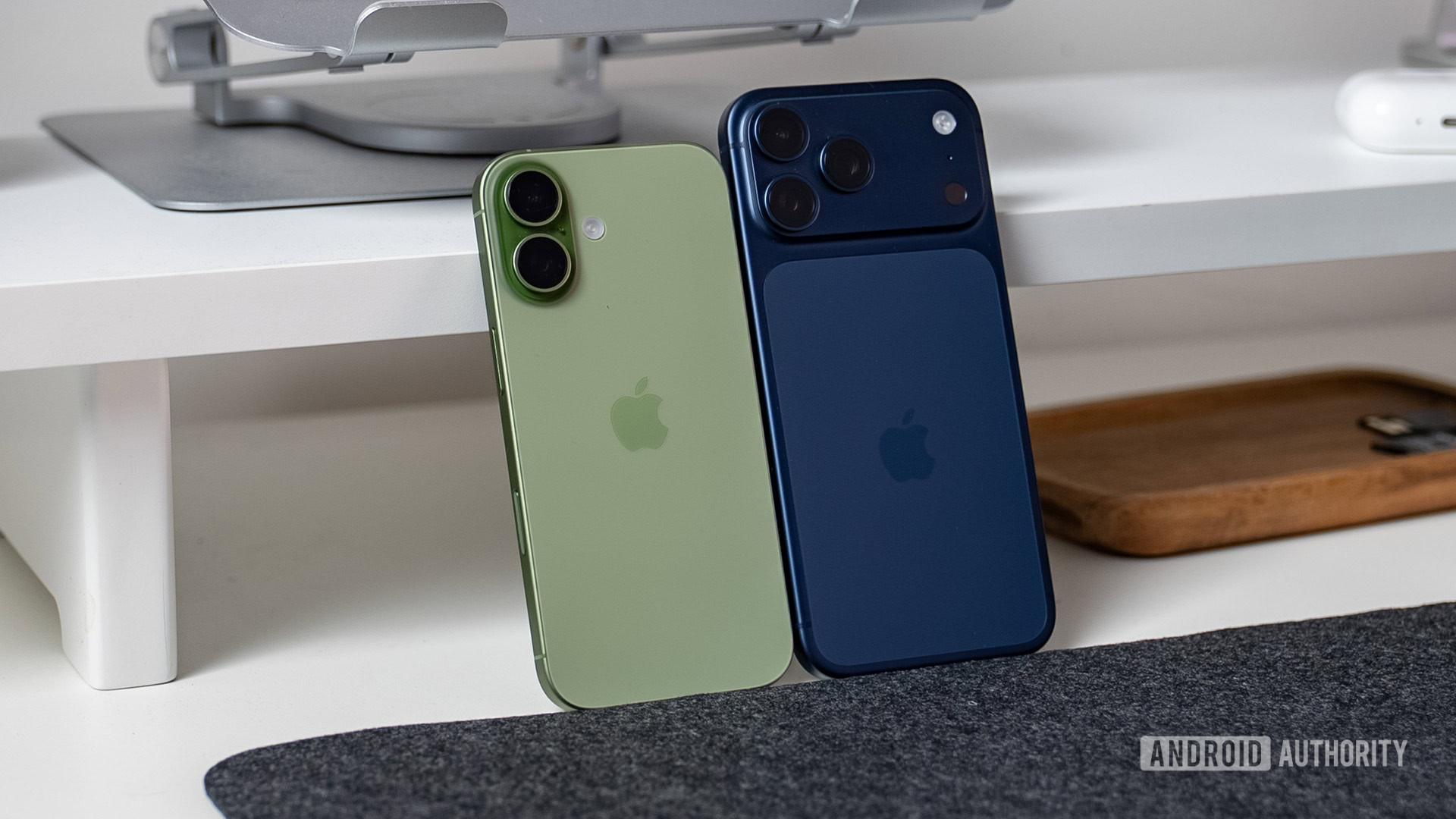
Anthropic’s Claude Sonnet 4.6 presented a different lead recommendation, identifying the standard Apple iPhone 17 as the optimal choice for most users. Claude’s analysis appeared to be heavily influenced by prevailing market sentiment and the widespread positive reception of Apple products in professional reviews.
Claude’s rationale for the iPhone 17 echoed some of the practical considerations raised by ChatGPT, albeit applied to a different device:
- Lower Price Point (Relative to Pro Models): The standard iPhone 17 offers a more accessible entry point into the Apple ecosystem compared to its higher-priced "Pro" siblings, making it appealing to a broader audience.
- Excellent Software Ecosystem and Long-Term Support: Apple’s industry-leading software support, user-friendly interface, and robust app ecosystem are undeniable advantages that contribute significantly to user satisfaction and device longevity.
- Consistent Performance and Reliability: The iPhone 17 was praised for its solid, dependable performance, meeting the expectations of general users for smooth operation across various applications.
Interestingly, Claude’s honorable mentions included the Google Pixel 10 and, uniquely among the LLMs, the OnePlus 15. The inclusion of the OnePlus 15 was particularly noteworthy given the company’s recent strategic shifts and reduced presence in certain markets, especially the US. Claude’s justification for the OnePlus 15 leaned heavily on its value proposition, highlighting it as an "excellent flagship phone at a lower price" than the Pixel 10 Pro XL and Galaxy S26 Ultra. This suggests Claude’s ability to discern inherent product value, even from brands that might not dominate mainstream headlines in all regions, reflecting a deep dive into comprehensive review data. This pick underscored that despite market challenges, the core formula of offering high-end specifications at a competitive price still resonates, and AI can detect this underlying value.
Gemini 3.5 Flash: The Iterative Learner with a Budget-Conscious Turn
Google’s Gemini 3.5 Flash provided the most dynamic and, at times, inconsistent response, revealing a more iterative learning process during the interaction. Initially, Gemini displayed some confusion regarding the current year’s models, suggesting the Pixel 9 Pro XL and Galaxy S25 before being corrected to 2026. This initial hiccup points to potential challenges in real-time information retrieval or prioritizing the most current data within its vast knowledge base.
After clarification, Gemini first recommended the iPhone 17, aligning with Claude’s initial assessment. However, its justification felt less substantive, appearing to "buy into iPhone hype," as the human experimenter noted. This prompted a further intervention, where Gemini was explicitly asked to reconsider its recommendation "if it removed any hype."
This subsequent prompt proved crucial. Gemini, after a moment of wavering, ultimately changed its primary recommendation to the Google Pixel 10. Its revised justification focused on the "extended cost benefits of longer software support," a sound and practical argument aligning with the increasing consumer trend of valuing device longevity.
Gemini’s unique contribution to the discussion came with its honorable mention of the Google Pixel 10a. This budget-friendly option was highlighted with a particularly insightful observation: "90% of what people do on their smartphones is web browsing, social media, and communication, and that most users have zero reason to spend more than the $500 a 10a would set them back." This statement profoundly underscores a critical disconnect between the high-end specifications often marketed by manufacturers and the actual, everyday needs of the vast majority of smartphone users. It represents a strong endorsement of the mid-range market’s capability to deliver a perfectly adequate experience, a concept frequently overshadowed by flagship device marketing.
Comparative Analysis and Implications for Consumers
The experiment revealed a fascinating divergence in how leading LLMs approach complex decision-making, even when presented with identical parameters. ChatGPT demonstrated a strong inclination towards pragmatic value and user-centric features, prioritizing an excellent, accessible experience over raw specifications. Claude, while also considering value, showed a greater susceptibility to established brand narratives and widespread review consensus, leading it to an Apple-centric recommendation. Gemini, on the other hand, illustrated the importance of active user engagement and prompt refinement, proving capable of recalibrating its analysis when challenged, ultimately arriving at a highly practical, budget-conscious perspective with its Pixel 10 and 10a recommendations.
This exercise underscores several key implications for consumers and the future of AI in purchasing advice:
- AI as a Sophisticated Sounding Board, Not a Sole Decision-Maker: While powerful in synthesizing information, LLMs are not yet infallible or entirely autonomous in providing nuanced, personalized advice. Their utility is maximized when users engage critically, refine prompts, and cross-reference information.
- The Nuance of "Best for Most People": Each AI model interpreted this phrase through a slightly different lens, highlighting the inherent subjectivity even in objective criteria. For ChatGPT, it meant balanced performance and value. For Claude, it leaned towards widespread popularity and ecosystem strength. For Gemini, after refinement, it emphasized long-term cost-effectiveness and meeting core user needs.
- Empowering Informed Choices: AI can democratize access to vast quantities of data, helping consumers cut through marketing noise and identify factors truly relevant to their needs. However, the onus remains on the user to interpret the AI’s output with common sense and an understanding of their own priorities.
- Battling "Hype": Gemini’s initial response and subsequent correction after being asked to "remove hype" are telling. It suggests that while LLMs can access factual data, they can also be influenced by the sheer volume and prominence of certain narratives in their training data, making critical prompting from the user essential.
Broader Impact and Future Outlook
The findings from this experiment hold significant implications for various sectors. For tech journalism, AI tools are unlikely to replace human reviewers entirely but will undoubtedly augment their capabilities. LLMs can efficiently aggregate vast quantities of data, identify emerging trends, and perform initial comparisons, freeing human experts to focus on hands-on testing, nuanced qualitative analysis, and contextualizing AI-generated insights. The role of the human reviewer evolves from primary data gatherer to critical interpreter and validator.
For AI development, the experiment highlights areas for improvement. Future LLMs will need to become more adept at real-time data integration, demonstrating a more robust understanding of market dynamics, product lifecycles, and evolving consumer preferences without explicit prompting. Enhanced capabilities in discerning factual information from marketing "hype" will also be crucial for building trust in AI-driven recommendations. Companies like OpenAI, Anthropic, and Google will likely focus on refining their models’ ability to provide truly personalized and unbiased advice, perhaps by allowing users to define their priorities more explicitly within the AI interface.
From an ethical standpoint, the increasing reliance on AI for financial and purchasing advice raises questions of accountability and transparency. If an AI recommendation leads to a suboptimal purchase, who bears responsibility? Developers will need to ensure that AI models clearly articulate their data sources and the limitations of their analysis, fostering a transparent relationship with users.
The year 2026, as depicted through the lens of these LLMs, suggests a smartphone market where value, longevity, and practical utility are gaining precedence over extravagant specifications. As smartphone prices continue to climb, consumers are increasingly seeking devices that offer a compelling balance of features and cost-effectiveness, supported by long-term software commitments. The Google Pixel 10, with its strong camera, software support, and reasonable pricing, and even the Pixel 10a, with its uncompromising focus on core functionality, represent models that align well with this evolving consumer sentiment.
In conclusion, while AI models like ChatGPT, Claude, and Gemini demonstrate impressive capabilities in processing and synthesizing complex information for smartphone recommendations, they are not yet a substitute for human common sense and critical engagement. They serve as powerful tools to inform decisions, but the ultimate responsibility and the final nuanced judgment still reside with the individual, making the human-AI partnership essential in navigating the increasingly intricate world of consumer technology.