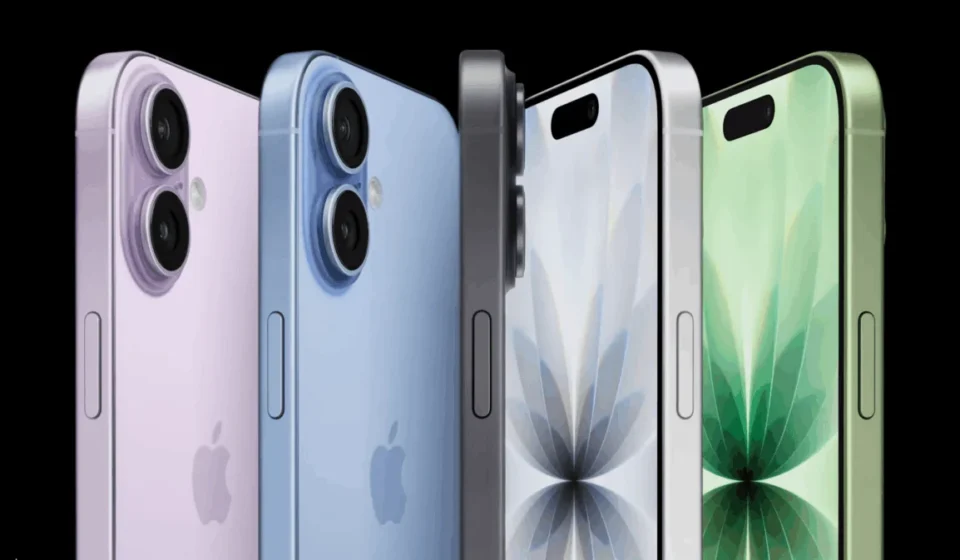

Apple may be testing a 6.96-inch display for a future flagship, although one leaker’s post is currently the only source for the exact measurement. This potential screen size represents a significant leap in display real estate for Apple’s flagship smartphone line, inching closer to the 7-inch mark that has historically been the domain of larger tablets or specialized devices. While the precise device slated to receive such a display remains speculative, the exploration of this larger screen size, as reported by prominent leaker Digital Chat Station, suggests a strategic move by Apple to cater to evolving consumer preferences for expansive mobile viewing experiences.
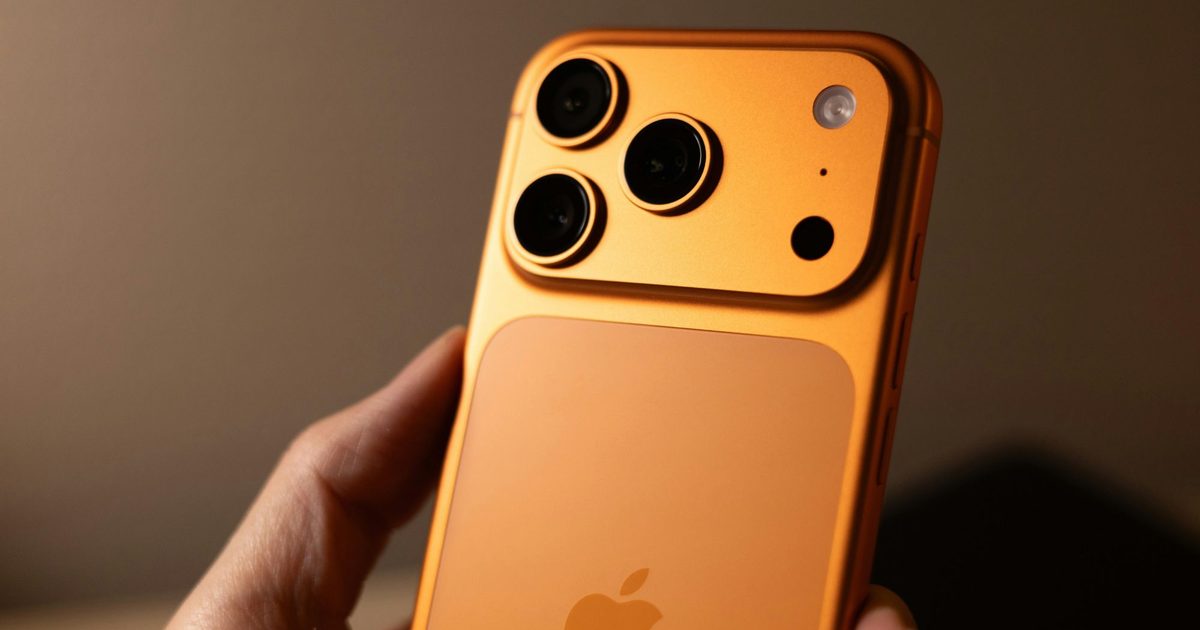
The information originating from Digital Chat Station, a source with a track record of providing accurate leaks regarding mobile technology, indicates that this experimental panel would maintain Apple’s current aspect ratio for its Pro Max models. This detail is crucial, as it implies that the increased screen size would be achieved through a proportional expansion in both the height and width of the display, rather than a radical shift in the phone’s overall form factor. The leaker has tentatively linked this display to a potential "iPhone 20 Pro Max," a device that would logically fall into Apple’s product roadmap several years from now, considering the company’s typical naming conventions and release cycles. However, it is imperative to note that this connection is not a definitive confirmation of a finished product. Apple is known to conduct extensive internal testing of various component configurations and display technologies, many of which never see the light of day in a commercial product. The 6.96-inch panel could be part of this exploratory phase, designed to assess the feasibility and market reception of a larger iPhone display without immediate commitment to mass production.
The Significance of a Larger Display: A Comparative Analysis
To contextualize the potential impact of a 6.96-inch display, it is useful to examine the evolution of iPhone screen sizes. Apple’s iPhone lineup has steadily increased in display dimensions since its inception. The original iPhone, launched in 2007, featured a modest 3.5-inch screen. Over the years, this grew to 4 inches with the iPhone 5, followed by the 4.7-inch and 5.5-inch options with the iPhone 6 and 6 Plus in 2014. The introduction of the iPhone X in 2017 marked a significant design shift with its edge-to-edge display, which led to increased screen sizes within more compact chassis. The current flagship Pro Max models, such as the iPhone 15 Pro Max and its predecessors, typically sport displays around 6.7 inches.

A jump to 6.96 inches would represent an incremental, yet notable, increase of approximately 0.26 inches diagonally. While this might seem minor in isolation, on a device already considered substantial, it could translate into a more immersive experience for media consumption, gaming, and productivity tasks. The preservation of the existing aspect ratio suggests that Apple aims to enhance screen real estate without drastically altering the user’s familiarity with holding and interacting with their device. This approach would likely involve further refinement of bezel reduction and potentially optimizations in device ergonomics to accommodate the larger screen.
However, this increase in screen size is not without its potential drawbacks. The Pro Max models are already among the largest smartphones on the market. A further expansion, even with refined bezels, could push the device into territory that some users find unwieldy. Concerns about one-handed usability, pocketability, and overall comfort during extended use are valid considerations that Apple would undoubtedly weigh heavily in its product development process. The balance between an expansive viewing area and practical ergonomics is a delicate one, and Apple’s design philosophy often prioritizes a harmonious user experience.
Strategic Alignment with Future Product Roadmaps
This exploration of a larger display aligns with broader industry trends and Apple’s own strategic ambitions, particularly as it approaches significant product anniversaries. Bloomberg has previously reported on Apple’s plans for two "20th-anniversary iPhones" slated for release in 2027. This milestone year is widely anticipated to bring significant innovations to the iPhone lineup, potentially marking a new era for the device. The timing of this larger display experiment, with reports suggesting its potential integration into models released around 2027, is therefore highly relevant.
Furthermore, reports have surfaced regarding Apple’s interest in advanced display technologies. Specifically, Samsung is reportedly developing a "shallow quad-curved, polarizer-free display" for Apple. Such advancements could enable thinner, more durable, and potentially more power-efficient displays, which would be essential for integrating larger screen sizes without compromising battery life or device thickness. The development of under-display camera technology, which aims to conceal front-facing cameras and sensors beneath the screen, is another area of intense research that could contribute to maximizing screen real estate and enabling more expansive displays in future iPhones.

The convergence of these technological developments — larger panel sizes, advanced display manufacturing, and under-display camera integration — paints a picture of Apple preparing for a significant evolution in its flagship smartphone design. The 2027 anniversary iPhones represent a logical juncture for Apple to introduce such substantial changes, capitalizing on years of research and development to deliver a truly next-generation device. The 6.96-inch display, if it materializes, would be a key component of this ambitious vision, offering users a more expansive canvas for their digital lives.
The Uncertainty of a Prototype Panel
It is crucial to reiterate that a display panel undergoing evaluation does not equate to a finalized product. Apple’s research and development pipeline is notoriously complex and involves exploring numerous possibilities. The 6.96-inch screen could be a testbed for new display technologies, a component being considered for a specific, perhaps niche, future device, or even a direction that ultimately gets shelved. The exact measurement, originating from a single leaker, lacks independent corroboration at this stage, underscoring the speculative nature of this report.
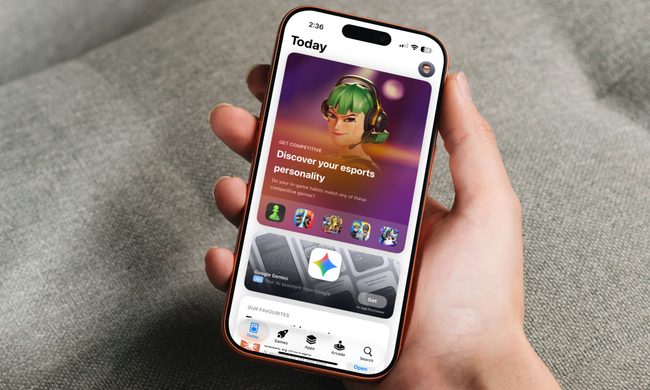
The implications of this leak are twofold. On one hand, it signals Apple’s continuous push for innovation in display technology and its responsiveness to market demands for larger screens. On the other hand, it highlights the inherent uncertainty surrounding early-stage product development. The device that eventually incorporates this larger display, if any, could differ significantly from current iPhone models. Factors such as the overall dimensions of the phone, the integration of new camera systems, and the adoption of novel design elements will all play a role in shaping the final product.
Broader Industry Impact and Consumer Expectations
The trend towards larger smartphone displays is not unique to Apple. The Android ecosystem has long embraced larger screen sizes, with many flagship devices exceeding 6.7 inches. The introduction of foldable phones has further expanded the possibilities for expansive displays, though these devices represent a different category of mobile computing. Apple’s measured approach to display size evolution, particularly in its mainstream iPhone lineup, has often been seen as a strategic decision to cater to a broad user base. However, as technology advances and consumer habits evolve, the definition of an optimal smartphone screen size continues to shift.

The potential for a 6.96-inch iPhone display could influence competitors and set new benchmarks for premium smartphone screens. It could also reignite discussions about the optimal size and form factor for mobile devices. As display technology matures and becomes more efficient, the trade-offs between screen size and device portability may become less pronounced, allowing manufacturers to offer larger screens without significantly compromising usability.
The next critical step in verifying this leak will be the emergence of corroborating reports from other reputable sources or through supply chain insights. Should multiple sources confirm the existence and testing of a 6.96-inch display, and ideally connect it to a specific future iPhone model or timeframe, the speculation would gain considerable weight. Until then, this information serves as an intriguing glimpse into Apple’s ongoing efforts to redefine the mobile experience, one pixel at a time. The company’s commitment to pushing the boundaries of what is possible in mobile technology remains a constant, and the pursuit of ever-more immersive and capable displays is undoubtedly a key facet of that endeavor. The journey from a prototype panel to a consumer-ready device is often long and complex, but the prospect of an iPhone venturing closer to the 7-inch screen threshold is a testament to Apple’s relentless drive for innovation.