Pokémon Conquest Celebrates 14th Anniversary, Igniting Fan Demand for Nintendo Switch Re-release

Fourteen years ago, on March 17, 2012, a unique crossover between the beloved Pokémon franchise and the historical strategy series Nobunaga’s Ambition was unleashed upon the Nintendo DS. Titled Pokémon Conquest, the game offered a departure from the traditional Pokémon formula, blending turn-based tactical combat with a feudal Japanese setting. Despite its innovative approach and a dedicated fanbase that has kept its memory alive, Pokémon Conquest largely flew under the radar for many players upon its initial release, a sentiment echoed by the Pocket Tactics team itself, who admitted to having not even heard of the title until recently.
The anniversary of this distinctive title has recently brought it back into the spotlight, thanks to a celebratory post from The Pokémon Company on the social media platform X (formerly Twitter). This outreach has served as a catalyst, prompting a wave of nostalgia and fervent discussion among players who remember the game. The Pokémon Company invited fans to share their favorite memories of Pokémon Conquest and its unique setting, the Ransei region.
A Resurgence of Nostalgia and a Unified Fan Plea
The response to The Pokémon Company’s anniversary post has been overwhelmingly positive, showcasing a deep affection for the game that has persisted for over a decade. While individual memories vary, a dominant theme has emerged from the replies: a resounding demand for Pokémon Conquest to be made accessible to a new generation of gamers, particularly on the current Nintendo Switch console.
Fans have been sharing a diverse range of cherished moments. Some recount the bittersweet experience of losing access to their old DS cartridges, a common fate for physical media over time. Others express fondness for encountering and linking with legendary Pokémon and powerful warlords, core mechanics of the game that differentiated it from its mainline counterparts. The satisfaction of seeing their Eevee evolve into one of its many strategic forms within the game’s unique evolution system has also been a recurring highlight.
However, the overarching sentiment transcends simple reminiscing. A powerful, unified plea has become the defining characteristic of the anniversary discussions: the desire for Pokémon Conquest to be re-released on the Nintendo Switch, either through Nintendo Switch Online’s emulation services or as a standalone title. User @Holyniwa succinctly captured this sentiment, stating, "Being able to play it." This highlights the current inaccessibility of the game, a significant barrier for both long-time fans wishing to revisit it and newcomers eager to experience its unique blend of strategy and Pokémon.
Another user, @vio_walker, directly linked their most cherished memory to the prospect of a re-release: "My favorite memory will be when you re-release it on Switch so more people can play this." This statement underscores the belief that Pokémon Conquest possesses a broad appeal that has been untapped due to its limited availability. Beyond mere re-releases, some voices have also expressed enthusiasm for a potential sequel, suggesting that the game’s core mechanics and setting hold enough potential for further development and exploration.
The Unmet Potential of a Strategic Departure
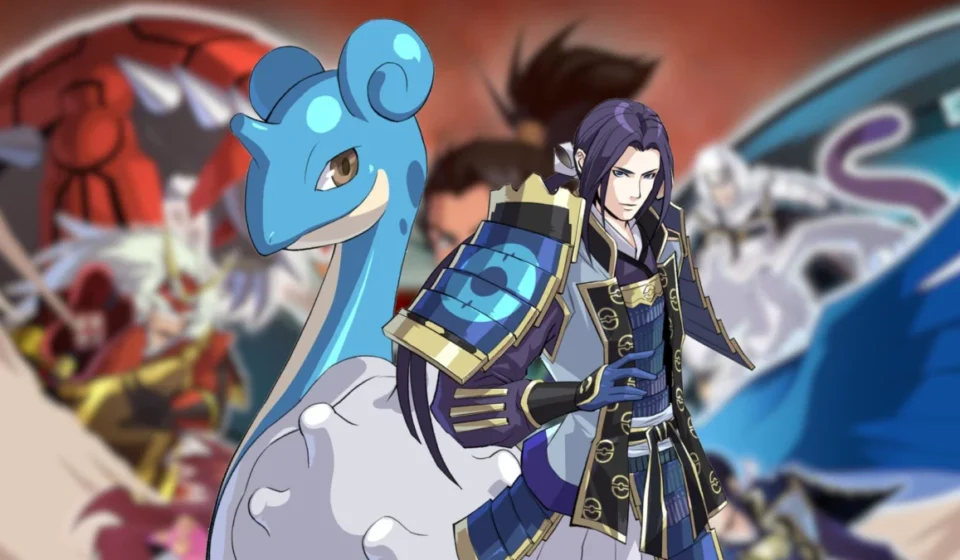
Pokémon Conquest, developed by Tecmo Koei and published by Nintendo, was a significant departure from the established Pokémon formula. Released in 2012 for the Nintendo DS, it aimed to capture a more mature audience by incorporating strategic combat elements inspired by Tecmo Koei’s Nobunaga’s Ambition series. The game’s narrative is set in the Ransei region, a land divided into kingdoms, each ruled by a warlord. Players assume the role of a Pokémon Trainer who partners with a warlord and their Pokémon, aiming to unite the entire region by defeating other warlords in turn-based tactical battles.
Unlike mainline Pokémon games, where trainers aim to become Pokémon Champions by defeating Gym Leaders and the Elite Four, Pokémon Conquest‘s objective is conquest. The core gameplay revolves around managing a team of Pokémon and their corresponding warriors, each possessing unique abilities and strengths. Battles take place on a grid, requiring players to strategically position their units, utilize type advantages, and manage the special abilities of both their Pokémon and their warrior partners. The "Link" mechanic, where trainers forge bonds with Pokémon, is central to progression, with specific conditions often required for a Pokémon to link with a trainer.
The game’s setting and narrative also set it apart. Instead of the familiar regions of Kanto or Johto, players are immersed in a feudal Japan-inspired world populated by historical figures and samurai aesthetics. This fusion of Pokémon with historical strategy provided a fresh and engaging experience for many, but also contributed to its niche appeal.
A Timeline of Availability and Accessibility
The journey of Pokémon Conquest since its 2012 release highlights the evolving landscape of game distribution and the challenges faced by older titles.

- March 17, 2012: Pokémon Conquest is released in North America for the Nintendo DS. The game later sees releases in Europe and Japan (under the title Pokémon + Nobunaga’s Ambition) in April and July of the same year, respectively.
- Nintendo DS Era (2012-2013): The game is available on the Nintendo DS, with sales figures for the title not being widely publicized, contributing to its perception of being a less mainstream release compared to the main series Pokémon titles.
- Nintendo 3DS Era (2011-2020): While the Nintendo 3DS offered backward compatibility with DS games, there was no official digital re-release or enhanced version of Pokémon Conquest for the platform. Players could still play their physical DS cartridges on the 3DS.
- Nintendo Switch Era (2017-Present): The Nintendo Switch, lacking native DS game support, has left Pokémon Conquest inaccessible to new owners of the console without relying on older hardware. Unlike some other DS titles that have seen remakes or ports to the Switch, Pokémon Conquest has remained exclusive to its original platform.
- March 17, 2024: The 14th anniversary of Pokémon Conquest‘s North American release sparks renewed fan interest and a widespread call for its re-release on the Nintendo Switch.
The lack of a digital re-release on platforms like the Nintendo eShop for the DS or 3DS, and the absence of its inclusion in the Nintendo Switch Online service’s retro game offerings, has led to its current status as a somewhat obscure yet highly sought-after title. This has driven up prices for used physical copies, making it increasingly difficult and expensive for interested players to acquire.
Supporting Data and Market Trends
The demand for older Nintendo DS titles to be made available on modern platforms is not unique to Pokémon Conquest. Nintendo has historically been cautious with its retro game offerings, often opting for curated selections rather than comprehensive back catalogs. However, the success of the Nintendo Switch Online service, which offers access to NES, SNES, N64, and Sega Genesis games (depending on the subscription tier), has demonstrated a clear market for retro gaming experiences.
While specific sales figures for Pokémon Conquest are not readily available, the overall success of the Pokémon franchise, with its consistent multi-million selling titles, suggests that a well-executed re-release of a unique entry like Conquest could perform strongly. The Pokémon Company’s decision to highlight the anniversary on X, a platform with a significant gaming community, indicates an awareness of the game’s enduring popularity, even if it’s a more niche segment of the fanbase.
The secondary market for the Nintendo DS and its games has also seen a resurgence. As the console ages, physical copies of popular or unique titles become collector’s items. This trend further exacerbates the accessibility issue for Pokémon Conquest, with used copies often fetching prices well above their original retail value. For instance, a quick survey of online marketplaces in early 2024 reveals that complete-in-box copies of Pokémon Conquest can range from $70 to over $150 USD, depending on condition, significantly higher than the original MSRP of $39.99.
Official Responses and Future Prospects
As of the anniversary celebration, there has been no official announcement from Nintendo or The Pokémon Company regarding a re-release or port of Pokémon Conquest. The celebratory post on X, while engaging, serves as a retrospective and an invitation for fan participation rather than a precursor to new product announcements.
However, the consistent and vocal demand from the fanbase does represent a form of indirect feedback to the companies. The success of other retro-inspired games and the popularity of the Nintendo Switch Online service suggest that there is a viable market for such offerings. The possibility of Nintendo expanding its DS emulation on the Switch Online service, perhaps with future subscription tiers or as a general expansion, remains a long-standing hope for many fans of the platform.
The lack of official word leaves the future of Pokémon Conquest‘s accessibility uncertain. While fans can continue to hope for a re-release, the current situation necessitates reliance on older hardware or the secondary market, both of which present barriers to widespread enjoyment. The dream of playing this unique Pokémon title on the current generation of consoles, as expressed by users like @vio_walker and @Holyniwa, persists, underscoring the game’s lasting impact and the unmet demand for its revival. The silence from official channels, while perhaps disappointing to eager fans, is not uncommon for retrospective anniversary campaigns that aim to gauge and celebrate existing community sentiment.
Broader Impact and Implications for the Pokémon Franchise
The enduring appeal of Pokémon Conquest and the fervent calls for its re-release carry broader implications for the Pokémon franchise. It highlights that fans are not only interested in the traditional mainline games but also appreciate and remember the franchise’s experimental ventures. Pokémon Conquest‘s success in blending Pokémon with a different genre demonstrates the potential for creative cross-overs and spin-offs that can engage different player demographics.
Furthermore, the demand for older titles to be made available on modern platforms speaks to a growing trend in the gaming industry. Players are increasingly seeking ways to access their beloved games from past generations without the need for outdated hardware. This is a significant consideration for companies like Nintendo, as it influences player loyalty and the long-term value proposition of their intellectual properties.
The situation with Pokémon Conquest also underscores the importance of digital preservation and accessibility. Games that are tied to specific hardware and are not re-released digitally risk becoming lost to time, accessible only to those who have maintained access to their original platforms and physical media. The fan-driven nostalgia and demand for Pokémon Conquest serve as a testament to its quality and unique contribution to the Pokémon universe, urging the industry to consider more robust strategies for ensuring that such beloved titles remain playable for future generations. The echoes of warlords and Pokémon in the Ransei region continue to resonate, a hopeful reminder that even a "forgotten" gem can spark a passionate movement for its return.