RAM Becomes the Most Expensive Component in Smartphones, Forcing Companies to Reevaluate Budget Offerings

The global smartphone market is facing a significant upheaval as Random Access Memory (RAM), a critical component for device performance, has surged in cost, becoming the most expensive part of a modern smartphone’s hardware. This dramatic price increase, driven by a confluence of supply chain constraints and escalating demand from the artificial intelligence sector, is having a profound impact, most notably on the production and pricing of budget-friendly smartphones. The repercussions of this "memory crisis" are so severe that companies like Nothing have been forced to scrap upcoming affordable device launches, signaling a potential shift in how consumers will experience and purchase budget-tier mobile technology in the near future.
Nothing Pulls the Plug on Next-Generation CMF Phone Amidst Memory Price Surge

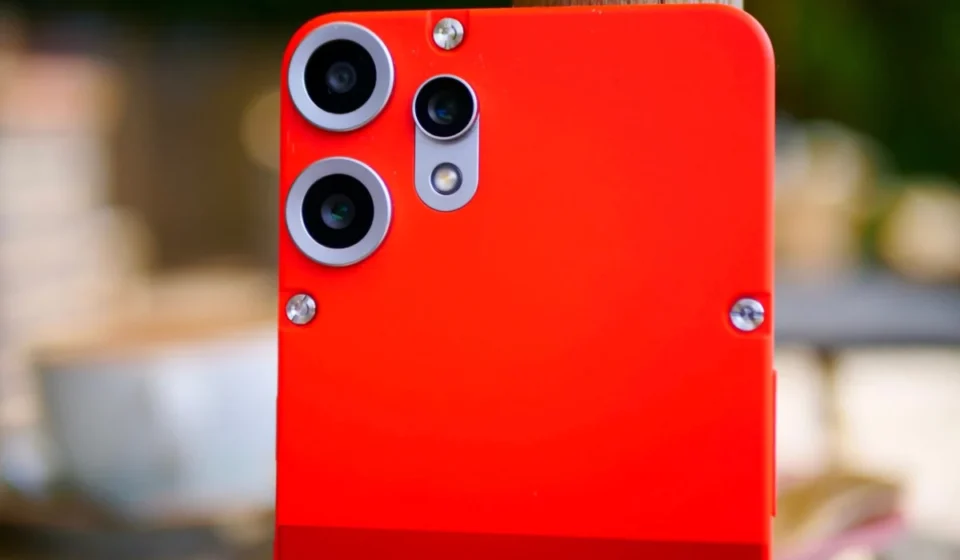
Nothing, a relatively young but ambitious consumer electronics company known for its distinctive design philosophy, has confirmed the cancellation of its next CMF-branded affordable smartphone. The decision, announced by Akis Evangelidis, co-founder of Nothing, via the social media platform X, directly attributes the cancellation to the escalating costs of memory components. This move highlights the vulnerability of even established brands to macroeconomic shifts impacting critical supply chains.
Evangelidis stated on X that CMF would not be launching a new phone this year due to the "memory crisis, which appears to be worsening with each passing day." He elaborated that while the company was actively developing a successor to the well-received CMF Phone 2 Pro, they were unable to create "a phone that feels like a genuine step forward at a price that makes sense for CMF." This candid admission underscores the delicate balance between delivering competitive hardware and maintaining an accessible price point, a challenge that has become increasingly insurmountable due to the memory market’s volatility.
The CMF Phone 2 Pro: A Case Study in Value and Rising Costs

The CMF Phone 2 Pro, released in April 2025, was lauded as one of the best-value Android phones available, retailing in the U.S. for a competitive $279. The device offered a compelling package of features and performance, making it a popular choice for budget-conscious consumers. Following the industry’s typical annual release cycle, consumers were anticipating a successor to build upon the success of the 2 Pro.
However, Evangelidis revealed in a follow-up comment on his X post that the cost of producing a CMF Phone 2 Pro with identical specifications, if it were to be launched today, would fall within the range of $320 to $370. This represents a substantial increase of $41 to $91 over its original launch price. The prospect of developing a successor with upgraded hardware, which would inevitably require even more memory, would have pushed the final retail price significantly higher, thereby negating CMF’s core value proposition. This situation illustrates the direct impact of memory cost fluctuations on product viability in the budget segment.
A Broader Trend: Memory as the New Bottleneck in Smartphone Manufacturing

The challenges faced by CMF are not isolated incidents but rather symptomatic of a wider industry-wide predicament. Nothing CEO Carl Pei had previously voiced concerns about the rising cost of memory, warning that it had surpassed processors and displays to become the most expensive hardware component in smartphones. Recent estimates suggest that memory can now account for over 50% of a smartphone’s total hardware bill.
This surge in memory prices, encompassing both DRAM (Dynamic Random-Access Memory) and NAND flash memory, is driven by several interconnected factors. Firstly, global supply constraints have tightened the availability of these essential components. Manufacturers are struggling to meet the demand, leading to increased per-unit costs. Secondly, and perhaps more significantly, the burgeoning field of artificial intelligence has created an insatiable appetite for high-capacity memory. Data centers, the backbone of AI development and deployment, require vast amounts of RAM and storage to process the immense datasets involved in training and running AI models. This dual pressure of constrained supply and skyrocketing demand from a high-value sector like AI has inevitably driven up prices across the board, impacting all electronics manufacturers, with mobile device makers bearing a significant brunt.
Implications for Consumers: The Future of Budget Smartphones

The ramifications of this memory crisis are poised to have a tangible effect on consumers’ next smartphone purchases, particularly those seeking affordable options. Budget smartphone manufacturers, operating on thinner profit margins, are faced with difficult choices:
- Reduced Memory at the Same Price: Companies may opt to equip their budget devices with less RAM for the same retail price, potentially impacting multitasking capabilities and overall device responsiveness. For instance, a device previously marketed with 8GB of RAM might be launched with 6GB, forcing consumers to compromise on performance to maintain affordability.
- Stagnation of Storage Tiers: The adoption of higher storage capacities, such as 256GB or 512GB, which has been steadily increasing in the budget segment, could slow down. Manufacturers might hold onto 128GB as the standard for longer periods to manage costs.
- Price Hikes for Budget Devices: The most direct consequence could be an increase in the retail prices of budget smartphones. As seen with the CMF Phone 2 Pro’s projected cost increase, companies may have no choice but to pass on the elevated memory expenses to consumers, making previously affordable devices less accessible. This could effectively redefine the "budget" smartphone category, pushing entry-level prices higher than consumers are accustomed to.
The impact is not limited to the budget segment. Even premium devices are not immune. Recent projections suggest that flagship models, such as the anticipated iPhone 18 Pro, could see significant price increases, potentially launching between $1,299 and $1,399. This represents a $200 to $300 jump from previous generations, a clear indication that the memory crisis is a pervasive issue affecting all tiers of the smartphone market. While premium buyers might absorb these costs more readily, the effect on the price-sensitive budget consumer will be far more pronounced.
Transparency and Industry Shifts
Nothing’s decision to publicly acknowledge the reason behind the cancellation of their next CMF phone represents a commendable level of transparency in an industry often characterized by guarded communications. By being upfront with consumers about the market dynamics driving product development decisions, Nothing fosters trust and manages expectations. While Nothing may be one of the first major brands to voice these challenges so explicitly, it is highly probable that other manufacturers are facing similar dilemmas and will adjust their strategies accordingly.
The current memory market conditions suggest a potential recalibration of the smartphone landscape. Consumers may need to adjust their expectations regarding the specifications offered at lower price points. The definition of a "budget" smartphone might evolve, with compromises on RAM or storage becoming more common at previously established price brackets. Alternatively, the industry might see a greater bifurcation, with ultra-affordable devices offering very basic specifications and a slightly higher tier emerging for devices that aim to offer a more robust experience, albeit at a proportionally higher cost.
The current "memory crisis" serves as a stark reminder of the intricate global supply chains that underpin modern technology. As demand for memory intensifies across various sectors, particularly with the rapid advancement of artificial intelligence, the smartphone industry, especially its most accessible segment, will continue to navigate these economic headwinds. The coming months and years will likely reveal how effectively manufacturers can adapt to this new reality, balancing innovation, affordability, and the ever-present pressures of component costs.