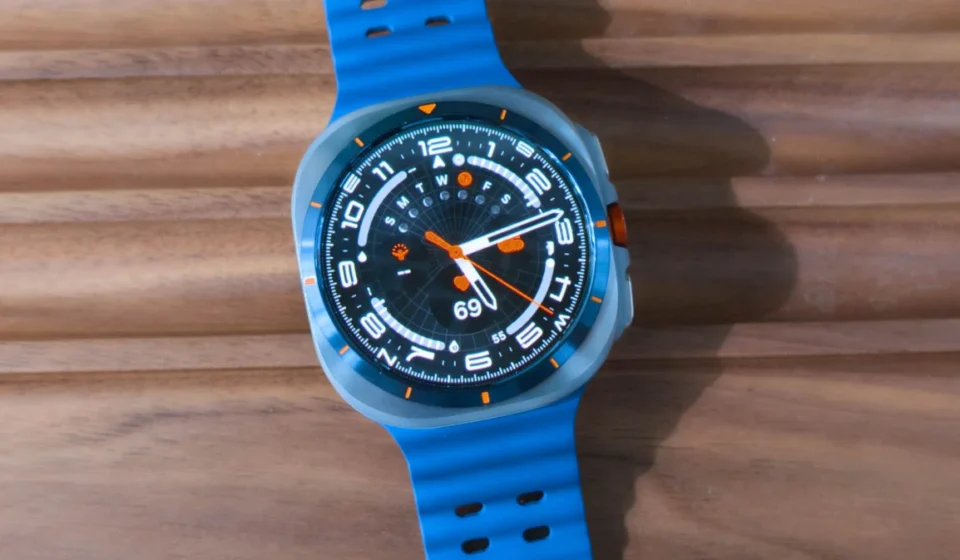
Samsung Galaxy Watch 9 and Watch Ultra 2 Specifications and European Pricing Fully Leaked Ahead of Official Unpacked Event

Samsung Electronics is on the cusp of unveiling its latest generation of smartwatches, but a comprehensive leak appears to have preempted much of the official announcement. Detailed specification sheets for the highly anticipated Galaxy Watch 9 and the premium Galaxy Watch Ultra 2, alongside their projected European prices, have emerged, leaving little to the imagination just hours before Samsung’s major Unpacked event. This extensive disclosure, primarily attributed to Roland Quandt of WinFuture, builds upon a preceding leak from tipster Evan Blass, which provided a glimpse into marketing materials touting features such as the new Snapdragon Wear Elite processor and advanced health tools. The confluence of these leaks paints a near-complete picture of what consumers can expect from Samsung’s forthcoming wearable lineup, underscoring the growing challenge for tech companies to maintain secrecy ahead of major product launches.
A Chronology of Anticipation and Disclosure
The lead-up to any Samsung Unpacked event is typically characterized by a flurry of rumors and speculative reports. This cycle of anticipation has intensified in recent years, with leaks becoming increasingly detailed and accurate. The current wave of disclosures concerning the Galaxy Watch 9 and Watch Ultra 2 follows this pattern, culminating in what appears to be the full technical breakdown. Just yesterday, Evan Blass, a well-known industry leaker, shared marketing assets that highlighted several key upgrades. These included the introduction of the powerful Snapdragon Wear Elite processor, promising significant performance and efficiency gains, as well as an array of enhanced health monitoring capabilities. For the Watch Ultra 2, specific major upgrades were teased, signaling Samsung’s intent to directly challenge the premium segment dominated by devices like the Apple Watch Ultra.
Samsung’s Unpacked events serve as a crucial platform for the company to showcase its technological advancements and strategic direction. Historically, these events, often held bi-annually, are where Samsung introduces its flagship foldable smartphones, alongside a suite of complementary devices such as tablets and wearables. The upcoming event is particularly significant for the wearables division, as it marks Samsung’s continued commitment to expanding its ecosystem and pushing the boundaries of what smartwatches can achieve. The consistent leakage of information, while frustrating for manufacturers, paradoxically fuels public interest and sets the stage for a highly anticipated reveal, even if the element of surprise is diminished.
In-Depth Analysis of the Galaxy Watch Ultra 2 Specifications
The Galaxy Watch Ultra 2 is poised to be Samsung’s formidable entry into the high-end, rugged smartwatch market, directly competing with the likes of the Apple Watch Ultra series. The leaked specifications reveal a device meticulously engineered for durability, performance, and advanced functionality.
- Design and Build: The Watch Ultra 2 is expected to feature a substantial 47mm case, available in Titanium Silver and Titanium Gray. Its dimensions are listed as 47.4 x 47.1 x 10.7mm, with a weight of 61.5g. The use of titanium for the casing, a material renowned for its strength-to-weight ratio and corrosion resistance, signifies a premium and robust construction. This choice of material, combined with a Sapphire Crystal display, ensures exceptional resilience against scratches and impacts, crucial for a device designed for demanding environments.
- Display Excellence: The device will boast a 1.52-inch (38.5mm) Super AMOLED display with a resolution of 498 x 498 pixels. A standout feature is its peak brightness of up to 5000 nits. This extraordinary level of brightness is a significant leap forward, promising unparalleled readability even under direct sunlight, a critical advantage for outdoor adventurers and athletes. The full-color Always-On Display (AOD) functionality further enhances user convenience without significantly compromising battery life, thanks to the inherent efficiency of AMOLED technology.
- Next-Generation Performance: At its core, the Galaxy Watch Ultra 2 will be powered by the Qualcomm SDW6100 processor. This penta-core chip, built on an advanced 3nm manufacturing process, represents a substantial upgrade. The 3nm architecture translates to superior power efficiency and increased processing power compared to previous generations, which typically utilized 5nm or 4nm nodes. This will enable smoother operation, faster app loading, and more efficient background processing for complex health algorithms. Coupled with 2GB of RAM and a generous 64GB of internal storage, the Watch Ultra 2 offers ample space for apps, music, and offline data, facilitating a truly independent smartwatch experience.
- Extended Battery Life and Charging: Powering this advanced hardware is a robust 800 mAh battery. This capacity is considerably larger than that found in standard Galaxy Watch models and suggests a significant improvement in battery longevity, a common pain point for many smartwatch users. The inclusion of "High-Frequency Fast Charging" (WPC-based wireless charging) ensures that users can quickly top up their device, minimizing downtime. For an "Ultra" model, extended battery life is not merely a convenience but a necessity, supporting multi-day usage and long-duration activities without constant recharging.
- Operating System and User Interface: The Watch Ultra 2 will run on Wear OS Powered by Samsung (specifically Wear OS 7), overlaid with Samsung’s custom One UI 9 Watch interface. This combination offers a rich ecosystem of Google services and third-party apps, alongside Samsung’s familiar design language and optimized features. The continuous evolution of Wear OS, driven in part by Samsung’s collaboration with Google, promises a more refined, intuitive, and feature-rich user experience.
- Comprehensive Health and Fitness Tracking: The device integrates Samsung’s advanced BioActive Sensor, which combines an optical biosignal sensor (PPG for heart rate), an electrical heart signal sensor (ECG for electrocardiogram), and bioelectrical impedance analysis (BIA for body composition). Complementing these are a temperature sensor, accelerometer, barometer, gyroscope, geomagnetic sensor, and light sensor. This comprehensive suite enables a wide array of health metrics, from continuous heart rate monitoring and blood oxygen saturation to stress levels and sleep tracking.
- Advanced Connectivity: Connectivity options are robust, featuring LTE for standalone cellular capabilities, Bluetooth 6.0, Wi-Fi 2.4GHz + 5GHz, NFC for mobile payments, and L1+L5 dual-frequency GPS. The dual-frequency GPS is particularly noteworthy for an Ultra model, offering enhanced accuracy and reliability in location tracking, which is crucial for outdoor navigation, running, and cycling activities where precision is paramount.
- Unprecedented Robustness and Waterproofing: This is where the Watch Ultra 2 truly distinguishes itself. It carries 10ATM+ water resistance, meaning it can withstand pressures equivalent to a depth of 100 meters, making it suitable for high-speed water sports and recreational diving. It also boasts an IP69K rating, indicating protection against high-pressure, high-temperature jets of water and dust ingress, making it suitable for industrial environments or extreme outdoor use. Furthermore, it complies with MIL-STD-810H, a U.S. military standard for environmental engineering considerations and laboratory tests, signifying resistance to drops, vibrations, and extreme temperatures. The inclusion of EN13319 certification, a European standard for diving accessories, further solidifies its credentials for serious underwater activities.
- Specialized Workout and Health Features: Beyond the standard fitness tracking, the leaks point to several specialized features: a dedicated trail-running mode for enhanced tracking in varied terrain, a "Nutrition Alert" feature that reportedly uses perspiration analysis (though specifics are scarce and will require official confirmation), and an exclusive app for divers expected to arrive later in the year. These features cater to a niche but growing segment of extreme sports enthusiasts and demonstrate Samsung’s ambition to provide tailored experiences.
- Compatibility: The Watch Ultra 2 will be compatible with Android 13.0 or higher devices with more than 1.5GB of RAM, ensuring broad compatibility within the Android ecosystem.
Detailed Specifications of the Galaxy Watch 9
The Galaxy Watch 9, representing Samsung’s mainstream smartwatch offering, also receives significant upgrades, aiming to provide a compelling blend of features and value.
- Design and Build: The Watch 9 will be available in two sizes: 44mm and 40mm. The 44mm variant will come in Graphite and Silver, while the 40mm model will be offered in Graphite and Cream. Dimensions are 46.0 x 43.7 x 8.6mm (34.0g) for the 44mm and 42.7 x 40.4 x 8.6mm (31.5g) for the 40mm. Both models will feature a Sapphire Crystal display, offering enhanced durability over standard glass.
- Display Characteristics: The 44mm model will feature a 1.47-inch Super AMOLED display with 480 x 480 pixels, while the 40mm version will have a 1.34-inch Super AMOLED display with 438 x 438 pixels. Both will support full-color Always-On Display and boast a peak brightness of up to 3000 nits. While not as bright as the Ultra 2, 3000 nits is still exceptionally bright and a notable improvement over previous generations, ensuring excellent outdoor visibility.
- Shared Performance Upgrade: Crucially, the Galaxy Watch 9 will also incorporate the same Qualcomm SDW6100 penta-core 3nm processor found in the Ultra 2. This means that even the standard models will benefit from significant performance and efficiency gains, offering a premium user experience across the board. The Watch 9 will come with 2GB of RAM and 32GB of internal storage, ample for most users’ needs.
- Improved Battery Capacities: The battery capacities have been bolstered for the Watch 9 series as well, with the 44mm model housing a 445 mAh battery and the 40mm model featuring a 390 mAh battery. These represent increases over their predecessors, promising improved battery life, which is a perennial request from smartwatch users. Standard fast charging (WPC-based wireless charging) will also be supported.
- Consistent OS, UI, and Sensors: Like the Ultra 2, the Galaxy Watch 9 will run on Wear OS Powered by Samsung (Wear OS 7) with One UI 9 Watch. It will feature the identical comprehensive suite of sensors, including the Samsung BioActive Sensor (optical biosignal, electrical heart signal, bioelectrical impedance analysis), temperature sensor, accelerometer, barometer, gyroscope, geomagnetic sensor, and light sensor. This ensures that core health and fitness tracking capabilities are consistent across both new smartwatch lines.
- Connectivity: The connectivity options are also mirrored, with LTE, Bluetooth 6.0, Wi-Fi 2.4GHz + 5GHz, NFC, and L1+L5 dual-frequency GPS available. The dual-frequency GPS is a significant upgrade for the standard Watch 9 models, enhancing location accuracy for everyday fitness tracking.
- Robustness: The Watch 9 maintains a strong level of durability with 5ATM+ water resistance (suitable for swimming and shallow-water activities), IP68 dust and water resistance, and MIL-STD-810H compliance. While not as extreme as the Ultra 2’s specifications, these ratings provide excellent protection for daily use and various sports activities.
- Compatibility: Identical to the Ultra 2, the Watch 9 requires an Android 13.0 or higher device with more than 1.5GB of RAM for compatibility.
- Model Variants: The Galaxy Watch 9 will continue Samsung’s tradition of offering both Bluetooth-only and LTE-enabled versions, providing consumers with choice based on their connectivity needs and budget.
European Pricing and Market Implications
The leaked European pricing provides a critical insight into Samsung’s market strategy and how these advanced features will translate into consumer cost.
- Galaxy Watch 9 Pricing:
- 40mm (Bluetooth): €409 (approximately $466 USD)
- 40mm (LTE): €459 (approximately $523 USD)
- 44mm (Bluetooth): €439 (approximately $500 USD)
- 44mm (LTE): €489 (approximately $557 USD)
- Galaxy Watch Ultra 2 Pricing:
- The Galaxy Watch Ultra 2, which is expected to come with LTE connectivity as standard, is projected to cost €749 (approximately $854 USD).
These prices suggest a notable increase compared to Samsung’s current generation of smartwatches in Europe. For context, the Galaxy Watch 6 (40mm Bluetooth) launched at around €319, and the Galaxy Watch 6 Classic (43mm Bluetooth) at approximately €419. The reported pricing for the Watch 9 indicates a premiumization of the standard line, potentially driven by the inclusion of the advanced 3nm processor and other hardware upgrades. The Ultra 2’s price point firmly places it in the premium segment, directly challenging the Apple Watch Ultra 2, which launched in Europe at €899.
It is crucial to note that direct currency conversions from European pricing to U.S. dollar equivalents are often misleading. Regional pricing strategies account for local taxes, tariffs, market conditions, and competitive landscapes, meaning U.S. prices, when officially announced, may differ significantly from these converted figures.
Broader Impact and Market Positioning
The detailed leaks of the Galaxy Watch 9 and Watch Ultra 2 highlight several key aspects of Samsung’s strategy and the evolving smartwatch market.
- Dual-Tier Strategy: Samsung’s clear differentiation between the standard Galaxy Watch and the "Ultra" model mirrors Apple’s highly successful approach. This allows Samsung to cater to a broader spectrum of consumers, from those seeking a feature-rich everyday smartwatch to hardcore enthusiasts and athletes requiring extreme durability and specialized functions. This strategy is essential for competing effectively in a market increasingly segmented by user needs and willingness to pay.
- Technological Leadership: The adoption of the 3nm Qualcomm SDW6100 processor across both lines demonstrates Samsung’s commitment to pushing the boundaries of wearable performance and efficiency. This significant upgrade, along with vastly improved display brightness and advanced sensor arrays, positions Samsung at the forefront of smartwatch technology.
- Wear OS Ecosystem Growth: Samsung’s continued investment in Wear OS, alongside Google, is crucial for the platform’s overall growth and competitiveness against watchOS. The new devices will serve as flagship examples of Wear OS 7 and One UI 9 Watch, showcasing the platform’s capabilities and drawing in more developers and users.
- Health and Wellness Focus: The comprehensive suite of BioActive sensors and specialized health features underscores the industry-wide trend towards smartwatches as personal health companions. Features like Nutrition Alert and advanced diving capabilities illustrate Samsung’s ambition to move beyond basic tracking and offer genuinely actionable health insights and specialized utility.
- Competitive Landscape: With these specifications, Samsung is poised to intensify its rivalry with Apple, particularly in the premium segment. The Watch Ultra 2’s robustness, brightness, and specialized features are direct responses to the Apple Watch Ultra. Meanwhile, the upgraded Watch 9 will compete with the Apple Watch Series and Google’s Pixel Watch, offering a compelling Android alternative. Garmin, known for its rugged and sports-focused watches, will also face renewed competition from the Ultra 2’s extreme durability and specialized modes.
- Consumer Expectations: Battery life remains a top concern for smartwatch users. The increased capacities across both new lines, especially the 800 mAh in the Ultra 2, directly addresses this feedback. The enhanced GPS accuracy, brighter displays, and robust builds also cater to evolving consumer demands for more reliable and capable wearable devices.
As the official Samsung Unpacked event draws near, the tech community will be watching closely for official confirmation of these leaked specifications and pricing. While the element of surprise may have been compromised, the sheer depth of the information available has undoubtedly amplified anticipation for what promises to be a significant leap forward in Samsung’s smartwatch portfolio. The ultimate success of these devices will depend not only on their impressive technical specifications but also on how well Samsung can integrate these features into a seamless and compelling user experience that justifies the premium pricing in a highly competitive market.