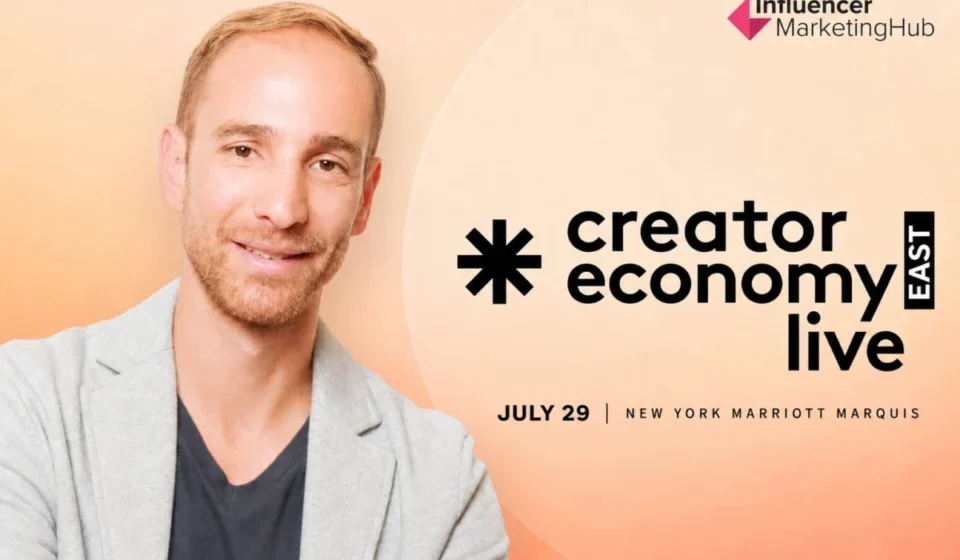
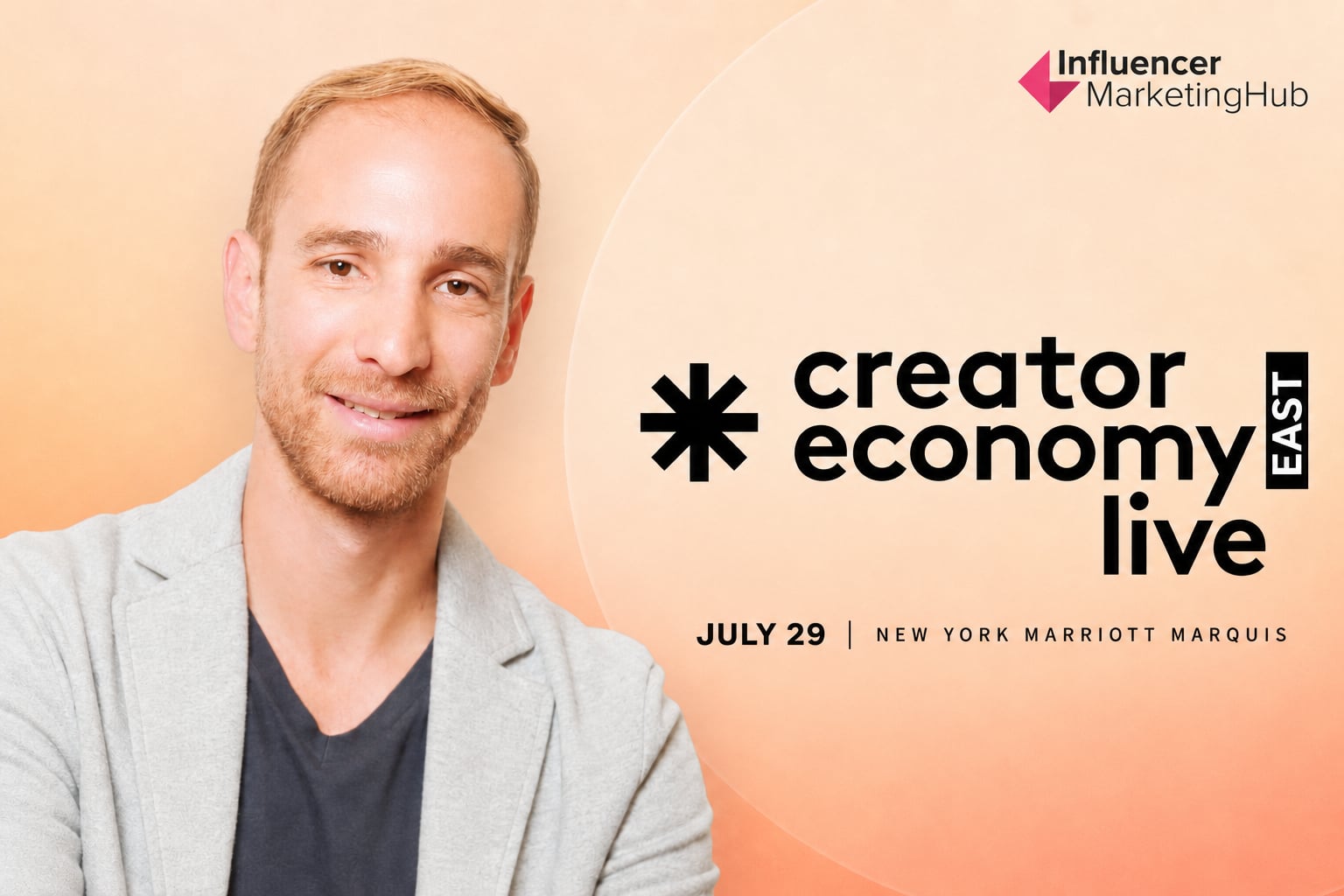
Linqia’s Keith Bendes Brings Brand Strategy to Creator Economy Live East

The Strategic Shift in Creator Marketing
At the heart of the discussions led by Keith Bendes is the realization that the "wild west" era of influencer marketing is concluding. In its place, a more structured framework is emerging, one where creators are viewed as essential pillars of the modern marketing mix rather than peripheral experiments. Bendes addressed the necessity for brands to align their creator efforts with overarching business objectives, moving beyond vanity metrics such as likes and follows to focus on conversion, brand sentiment, and long-term equity.
The emphasis of Bendes’ presentation at Creator Economy Live East centered on the concept of "Creator-Led Growth." This methodology suggests that creators should not merely be used for distribution, but should be integrated into the creative development process. By leveraging the unique insights creators have regarding their audiences, brands can develop content that resonates more authentically than traditional studio-produced advertisements.
Contextual Background: The Creator Economy Live Series
Creator Economy Live has established itself as a premier destination for marketing professionals seeking to navigate the complexities of social commerce and digital influence. The East Coast edition of the conference focuses heavily on the intersection of Madison Avenue advertising standards and the disruptive nature of social media platforms. The event serves as a microcosm of the current marketing landscape, featuring a diverse array of stakeholders ranging from Fortune 500 brand managers to independent content entrepreneurs.
The timing of the event is particularly relevant as global spending on influencer marketing continues to climb. According to industry forecasts, the total addressable market for the creator economy is expected to approach $500 billion by 2027. This rapid expansion has created a demand for strategic leadership, a role that Linqia has sought to fill through its emphasis on technology-enabled influencer management.
A Chronology of Creator Economy Maturity
To understand the significance of Bendes’ contributions, it is necessary to examine the evolution of the industry over the past decade. The trajectory of the creator economy can be divided into several distinct phases:
- The Experimental Phase (2010–2015): Early adoption was characterized by "gifting" campaigns and unmeasured blog posts. Brands had little visibility into the actual reach or impact of their investments.
- The Growth Phase (2016–2020): The rise of Instagram and YouTube led to the professionalization of "influencers." Agencies began to specialize in talent management, and basic metrics like engagement rates became the industry standard.
- The Strategic Integration Phase (2021–Present): Led by platforms like Linqia, this era is defined by the use of first-party data, AI-driven creator selection, and omnichannel distribution. Creators are now integrated into TV commercials, out-of-home advertising, and retail media networks.
Bendes’ presence at the conference signifies the height of this third phase, where the focus is on maximizing the efficiency of every dollar spent through sophisticated attribution models.
Supporting Data: The Economic Impact of Creator Strategy
The shift toward a strategy-first approach is supported by a growing body of empirical evidence. Data from recent industry reports indicates that brands utilizing a strategic, long-term approach to creator partnerships see significantly higher returns than those relying on one-off campaigns.
- ROI Metrics: Research suggests that for every $1 spent on influencer marketing, brands are seeing an average return of $5.78. However, when these campaigns are integrated into a broader brand strategy, that figure can increase by up to 30%.
- Consumer Trust: A study by Edelman found that 63% of consumers trust what "people like them" say about a brand more than what the brand says about itself in traditional advertising.
- Content Performance: Linqia’s own internal data has shown that creator-generated content, when repurposed for paid social ads, often results in a 20% to 50% lower Cost Per Acquisition (CPA) compared to brand-shot creative.
These statistics underscore why leaders like Bendes are urging brands to stop treating creators as a separate silo and instead start treating them as a core component of their creative and media strategy.
Linqia’s Role and Technological Innovations
As the VP of Strategy, Keith Bendes has been instrumental in positioning Linqia as more than just a talent agency. Linqia functions as a technology platform that uses data science to predict which creators will perform best for specific brand goals. During his sessions, Bendes highlighted the importance of "Predictive Performance," a system that analyzes historical data to forecast the success of a campaign before it even launches.
This technological approach addresses one of the primary concerns of Chief Marketing Officers (CMOs): the unpredictability of human-led marketing. By applying a layer of data to the creative process, Linqia provides a level of brand safety and performance assurance that was previously unavailable in the influencer space.
Industry Responses and Expert Perspectives
The reception to Bendes’ strategic outlook at Creator Economy Live East has been largely positive, reflecting a general consensus among industry veterans. Analysts from Forrester and Gartner have echoed similar sentiments, noting that the "celebrity" influencer model is losing ground to the "expert" or "community-leader" model.
"The industry is moving toward a state of accountability," noted one attendee from a major consumer packaged goods (CPG) firm. "What Keith Bendes is presenting isn’t just about making pretty videos; it’s about how those videos move the needle on market share. That is the conversation we need to be having in the boardroom."
Furthermore, talent managers at the event expressed a desire for more stable, long-term partnerships. The strategic shift advocated by Linqia benefits creators as well, providing them with more consistent income and the opportunity to build deeper, more meaningful relationships with the brands they represent.
Broader Implications for the Marketing Landscape
The implications of a strategy-heavy creator economy extend far beyond social media platforms. As Bendes noted, the "halo effect" of creator content is now influencing search engine optimization (SEO), retail media, and even linear television.
1. The Death of the Traditional Creative Brief
Traditional creative briefs are being replaced by collaborative frameworks. Instead of telling a creator exactly what to say, brands are now providing "guardrails" and allowing the creator to interpret the brand message through their own unique voice. This shift requires a high degree of trust and a robust vetting process, both of which are central to Linqia’s strategic model.
2. Fragmentation of Media Consumption
With the decline of traditional cable television and the rise of ad-blocking technology, creators have become one of the few remaining ways to reach younger demographics effectively. Bendes’ strategy emphasizes "omnichannel creator marketing," where a single creator partnership can yield assets for email marketing, website banners, and in-store displays.
3. The Role of Artificial Intelligence
Artificial Intelligence is playing an increasing role in creator strategy. From identifying "lookalike" creators to automating the legal complexities of usage rights, AI is the engine behind the scale that Linqia promotes. Bendes discussed how AI allows brands to manage hundreds of creators simultaneously without losing the personal touch that makes the medium effective.
Conclusion and Future Outlook
Keith Bendes’ contributions to Creator Economy Live East serve as a roadmap for the future of the industry. By prioritizing strategy over spontaneity and data over intuition, Linqia is helping to redefine the boundaries of digital advertising. As the creator economy continues to evolve, the distinction between "influencer marketing" and "brand strategy" will likely continue to blur, until the two are indistinguishable.
The move toward a more disciplined, strategic approach is not merely a trend but a necessity for the survival of the creator economy in a tightening economic environment. As brands demand greater transparency and better results, the framework provided by leaders like Bendes will be essential for navigating the next decade of digital commerce. The success of Creator Economy Live East demonstrates that the industry is ready for this evolution, signaling a new era of maturity for creators and brands alike.