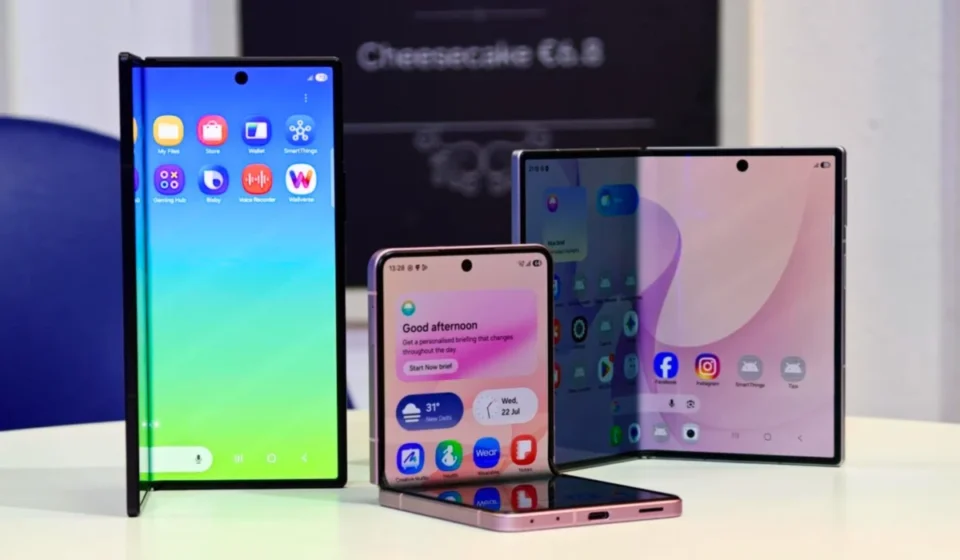
The Flip Phone Arena Heats Up: Samsung Galaxy Z Flip 8 vs. Motorola Razr Ultra (2026)

Flip phones have experienced a remarkable resurgence, evolving from nostalgic novelties into a highly competitive segment of the smartphone market. This year’s offerings from Samsung and Motorola, the Galaxy Z Flip 8 and the Razr Ultra (2026) respectively, exemplify this trend, presenting consumers with distinct yet compelling choices. While both devices offer the satisfying tactile experience of a foldable clamshell design, their approaches to user experience, display technology, and overall value proposition diverge significantly, necessitating a deep dive into their specifications to make an informed decision.
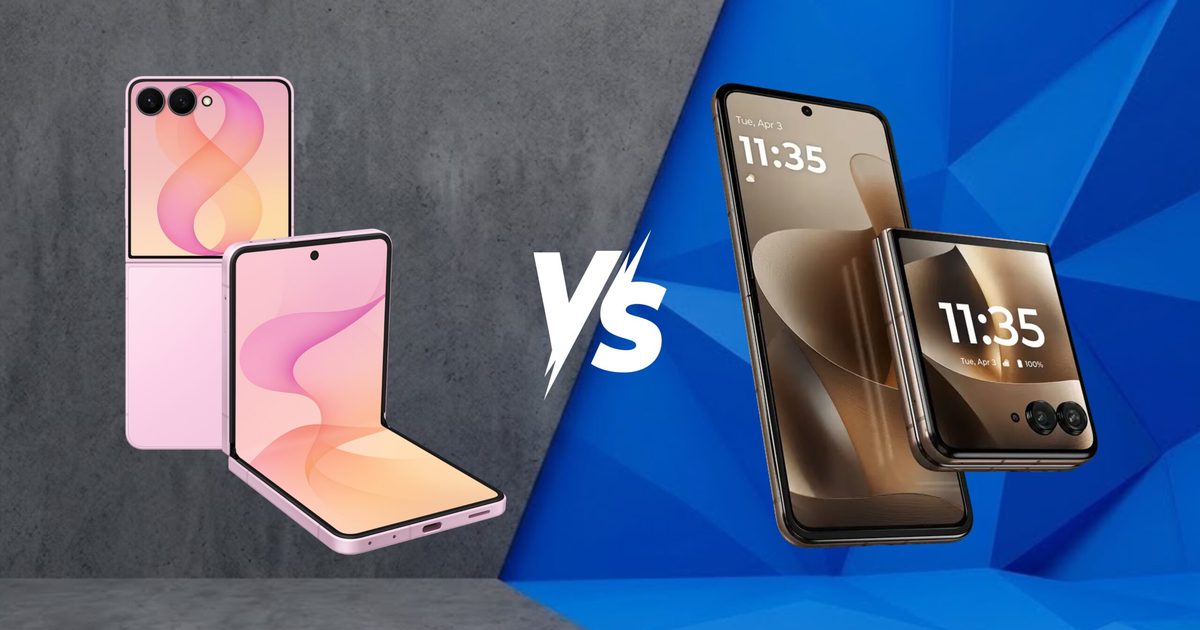
This comparison aims to dissect the key differences between these two premium foldable devices, drawing upon officially released specifications and market context to guide potential buyers through the nuances of each offering. The battleground for these flip phones is not just about folding screens, but about the intricate balance of power, software, display prowess, and economic considerations.
A Tale of Two Foldables: Pricing and Availability Set the Stage
The initial price point and release schedule often serve as an early indicator of a device’s market positioning. Motorola’s Razr Ultra (2026) entered the fray first, launching on April 29, 2026, with a premium price tag of $1,499.99. This positioned it as a top-tier offering within Motorola’s foldable lineup. Months later, on August 7, 2026, Samsung countered with the Galaxy Z Flip 8, arriving with a more accessible starting price of $1,199.99. This $300 price difference immediately establishes a distinct value proposition, with Samsung aiming to capture a broader segment of the foldable market by offering a more budget-friendly entry point.
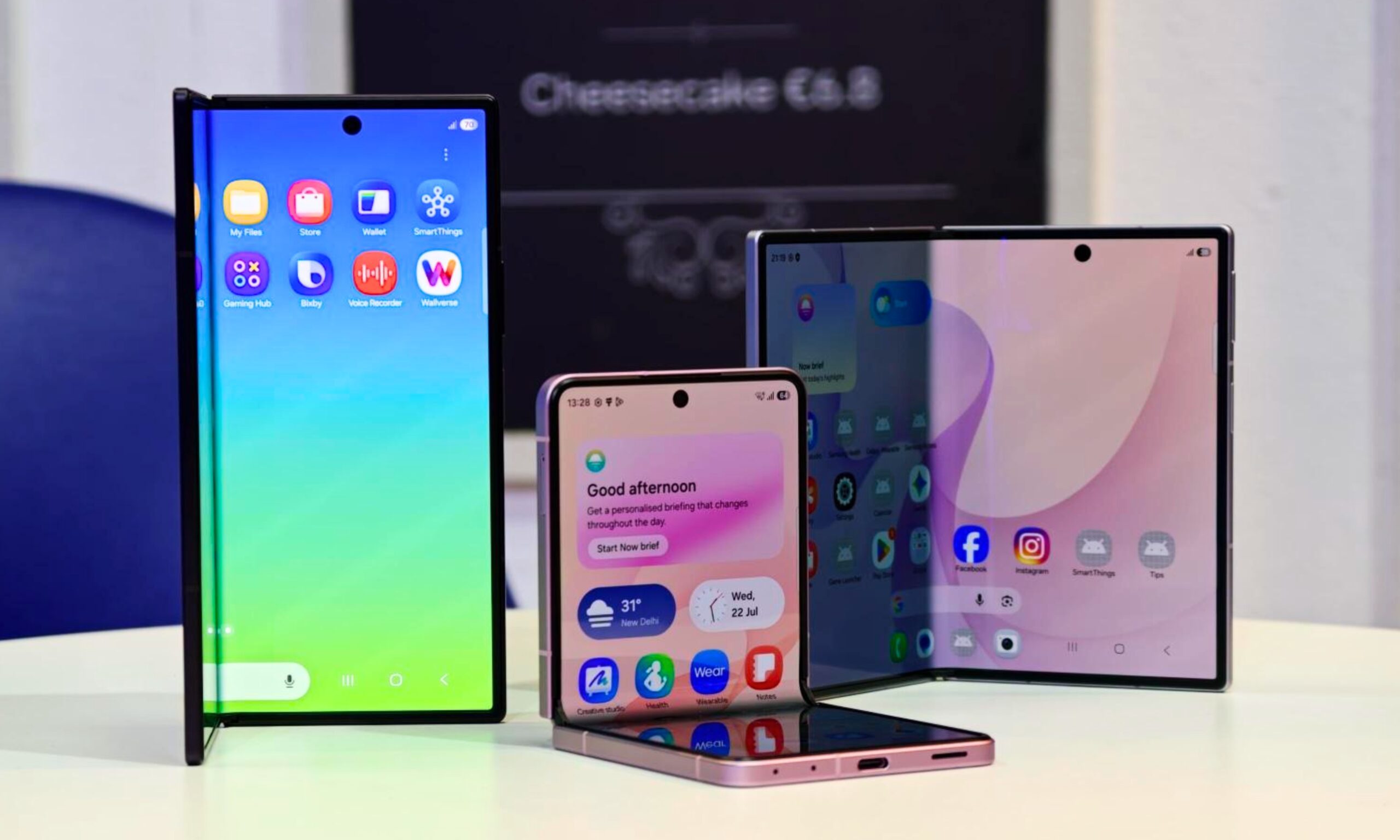
The staggered release also means that the Galaxy Z Flip 8 benefits from a more contemporary software foundation from day one, running on Android 17, while the Razr Ultra (2026) launched with Android 16. This timing can be a crucial factor for consumers prioritizing the latest operating system features and long-term software support.
Unpacking the Specifications: A Detailed Comparison
To truly understand the competitive landscape, a granular examination of each device’s technical specifications is essential. Both Samsung and Motorola have provided detailed information, allowing for a direct comparison of their core components and design choices.
| Spec | Samsung Galaxy Z Flip 8 | Motorola Razr Ultra (2026) |
|---|---|---|
| Starting Price (US) | $1,199.99 | $1,499.99 |
| Storage Configuration | 256GB or 512GB (12GB RAM) | 512GB (fixed, 16GB RAM) |
| Announced | July 22, 2026 | April 29, 2026 |
| Released | August 7, 2026 | May 14, 2026 |
| Colors | Pink, Graphite, Cream, Mint (online) | PANTONE Orient Blue, PANTONE Cocoa |
| Main Display | 6.9-inch, 1080×2520, 400ppi, Dynamic AMOLED 2X, 120Hz adaptive, Vision Booster | 7.0-inch, 1224×2992, 462ppi, LTPO AMOLED, 165Hz, 5,000 nits peak, Dolby Vision, HDR10+ |
| Cover Display | 4.1-inch, 1048×948, 342ppi, Super AMOLED, 60/120Hz, Vision Booster | 4.0-inch, 1272×1080, 417ppi, LTPO AMOLED, 165Hz, 3,000 nits peak, Gorilla Glass Ceramic |
| Refresh Rate | 120Hz adaptive (main), 60/120Hz (cover) | 165Hz (both screens) |
| Unfolded Dimensions | 166.9 x 75.4 x 6.1mm | 171.5 x 74 x 7.2mm |
| Folded Dimensions | 85.7 x 75.4 x 13.1mm | 88.1 x 74 x 15.7mm |
| Weight | 180g | 199g |
| Build | Gorilla Glass Victus 2 (cover), Glass Fiber-Reinforced Polymer (rear), Advanced Armor Aluminum | Plastic front (unfolded), Gorilla Glass Ceramic front (folded), aluminum frame |
| Water/Dust Resistance | IP48 | IP48 |
| Main Camera | 50MP f/1.8 wide (Dual Pixel AF, OIS, 2X optical quality zoom) | Dual 50MP f/1.8 wide (PDAF, OIS) |
| Ultrawide Camera | 12MP f/2.2 ultra-wide (123° FOV) | 50MP f/2.0 ultra-wide (122° FOV) |
| Rear Video | 4K@60fps | 8K@30fps, 4K@30/60/120fps, 1080p@30/60/120/240fps, Dolby Vision, HDR10+ |
| Selfie Camera | 10MP f/2.2, 1.12µm pixel | 50MP f/2.0, 0.64µm pixel |
| Selfie Video | 4K@60fps | 4K@30/60fps, 1080p@30/60fps |
| Chipset | Snapdragon 8 Elite Gen 5 for Galaxy | Qualcomm Snapdragon 8 Elite (3nm) |
| RAM / Storage | 12GB / 256GB, 512GB (UFS 4.x) | 16GB / 512GB (UFS 4.0) |
| Battery | 4,300mAh | 5,000mAh |
| Wired Charging | 25W wired charging, up to 55% in ~30 min | 68W |
| Wireless Charging | 15W fast wireless | 30W |
| Bluetooth | v5.4 | v5.4 |
| OS | Android 17, One UI 9 | Android 16, Hello UI |
| SIM | SIM + eSIM | Nano-SIM + eSIM |
Samsung Galaxy Z Flip 8: Software Prowess and AI Integration
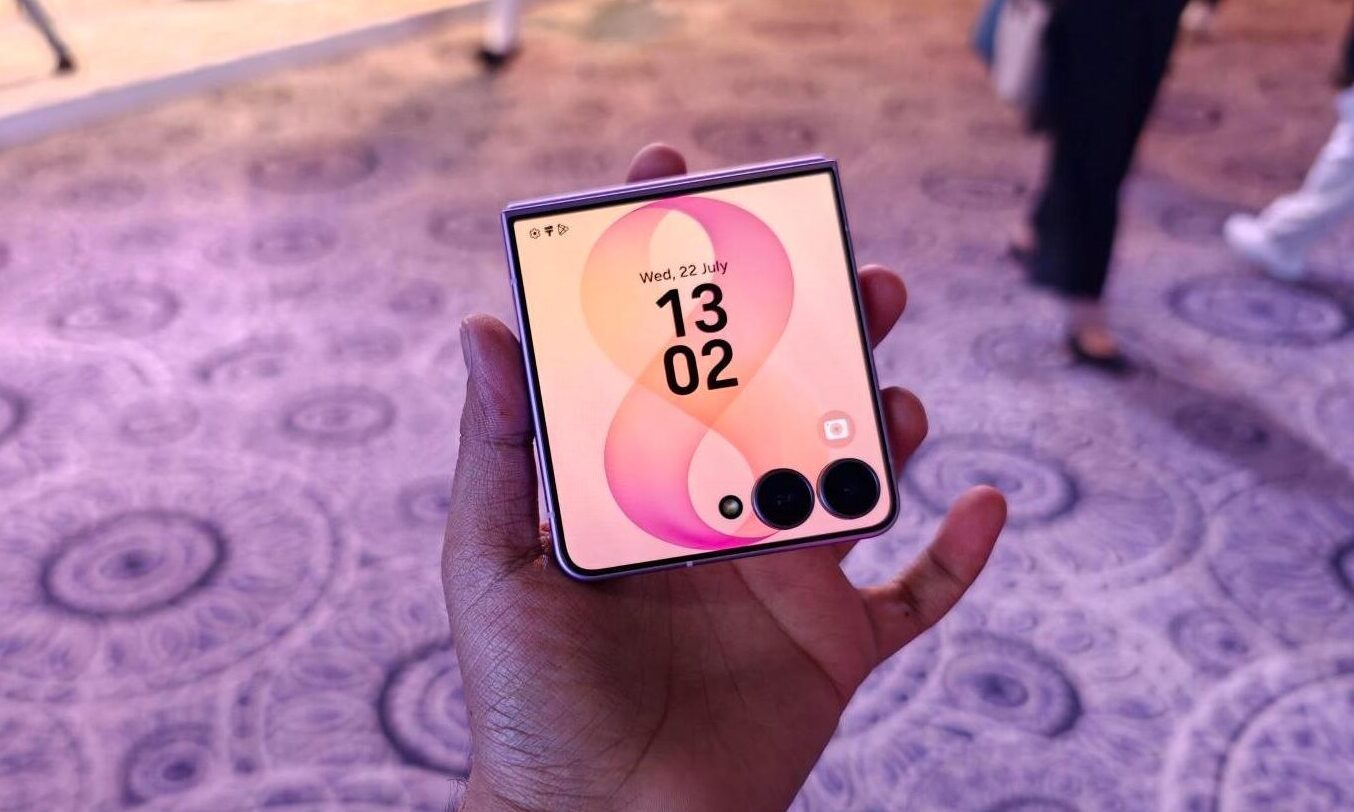
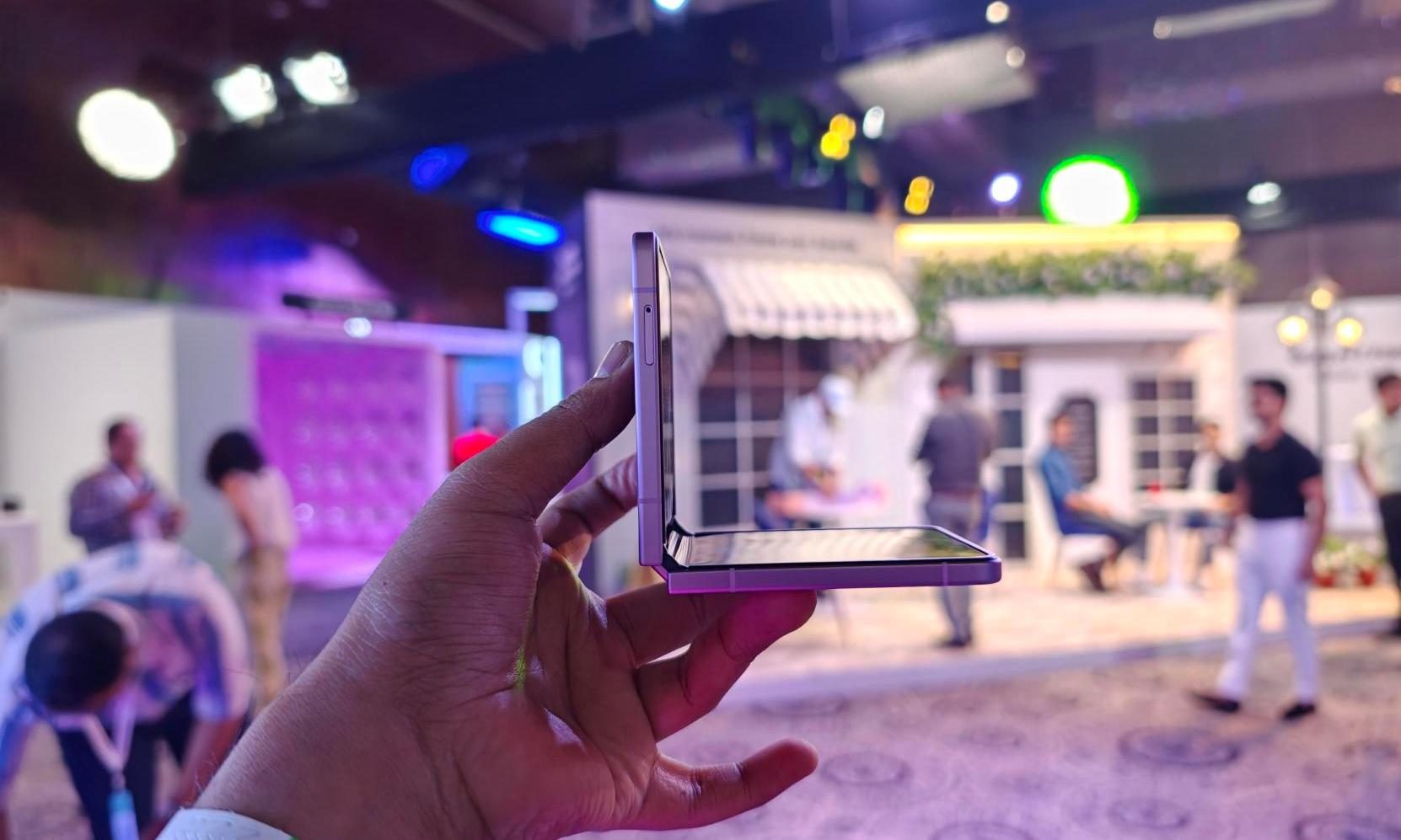
The Samsung Galaxy Z Flip 8 distinguishes itself through a refined user experience, emphasizing software integration and artificial intelligence. Its design prioritizes a sleeker profile, measuring a mere 6.1mm unfolded and weighing 180g, making it noticeably more pocketable than its predecessor and its main competitor.
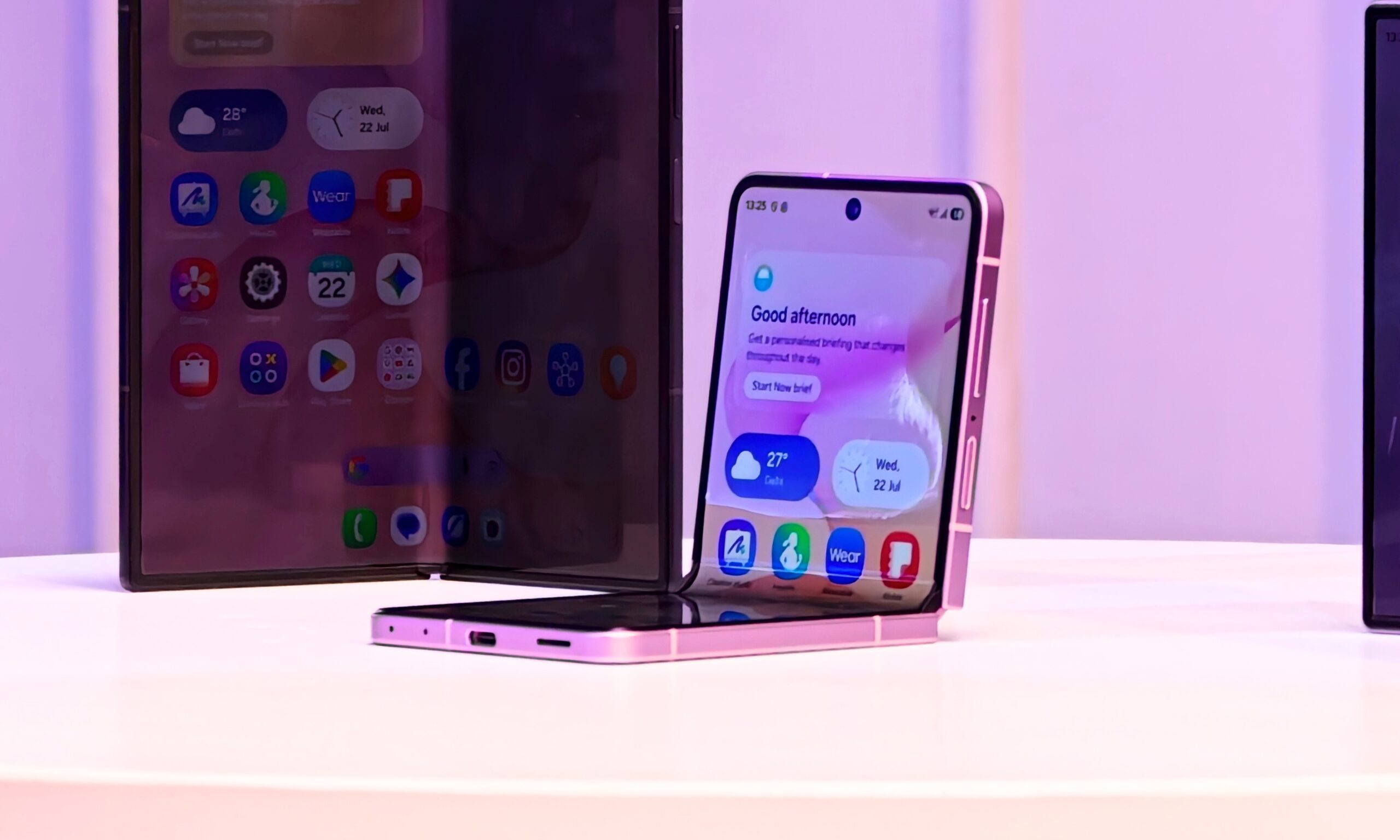
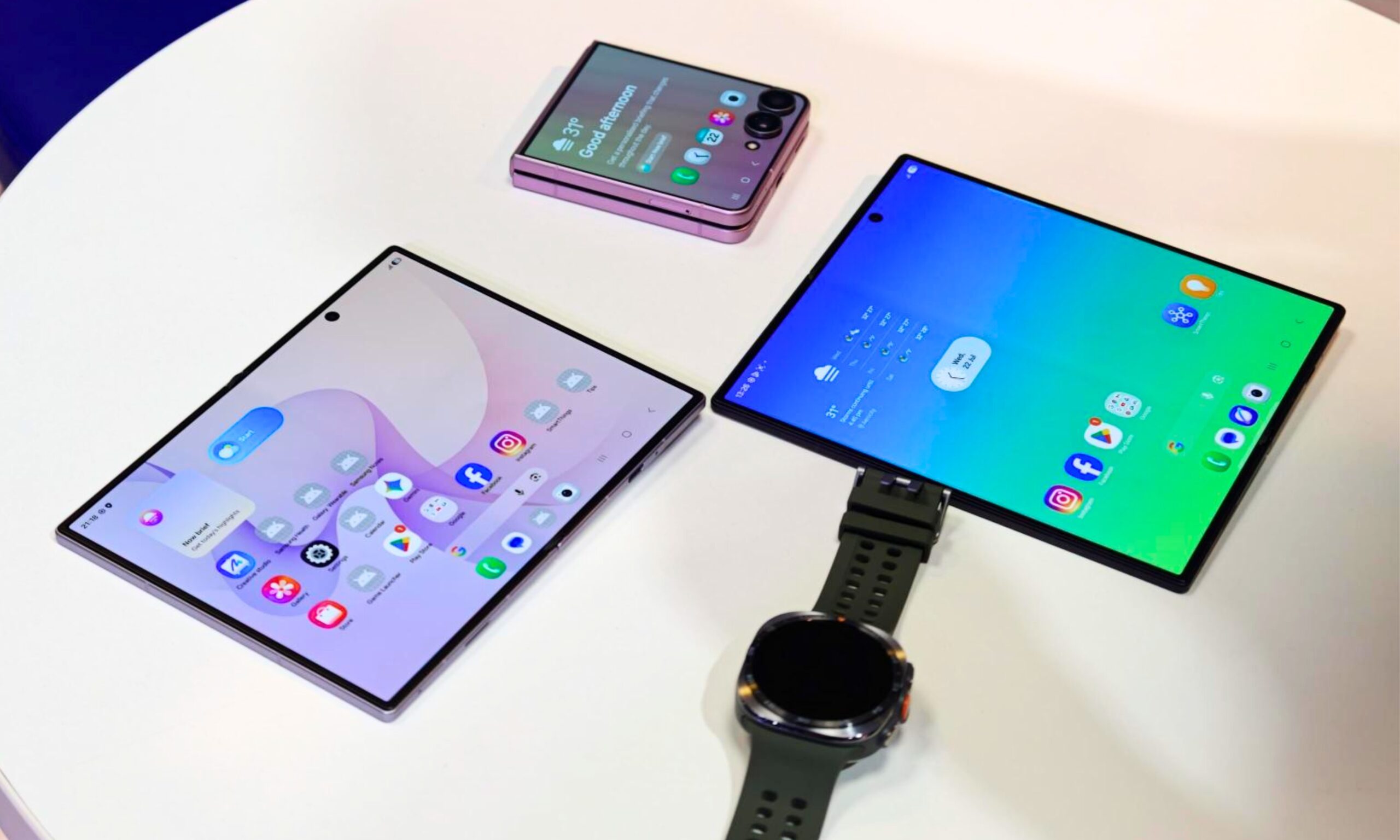
A significant advancement is the "AI-native FlexWindow," Samsung’s reimagined cover display. This 4.1-inch Super AMOLED panel transcends basic notifications, enabling users to launch applications, access AI-driven "Now Brief" insights, and utilize actionable shortcuts without needing to unfold the device. This functionality is further enhanced by the integration of Google’s Gemini Intelligence, allowing for task automation across over 40 supported apps through simple voice commands or button presses. This focus on the cover screen’s utility positions it as a true portal to the phone’s capabilities, rather than a secondary display.
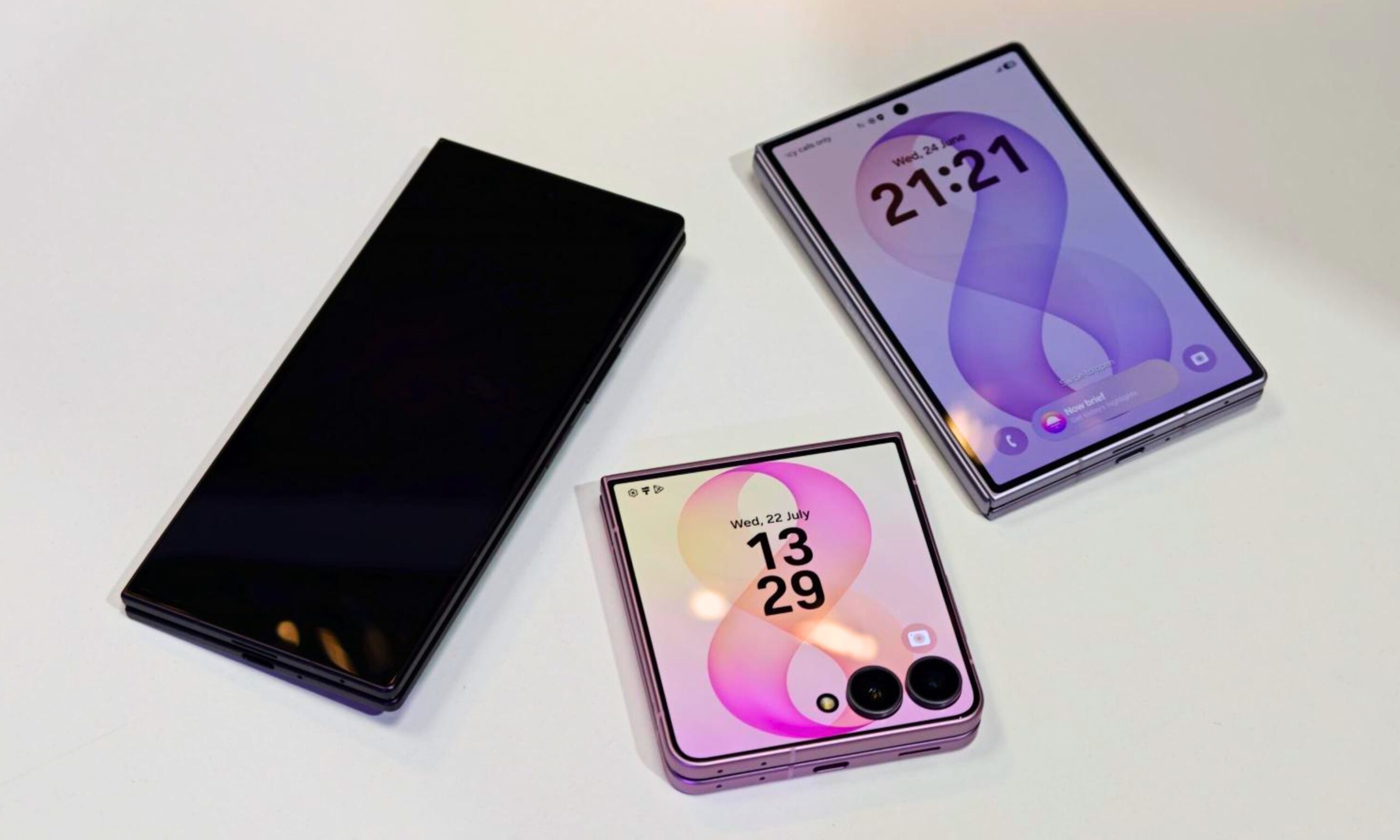
Under the hood, the Flip 8 is powered by the Snapdragon 8 Elite Gen 5 for Galaxy, a chipset engineered for enhanced CPU, GPU, and NPU performance. This custom silicon promises a snappier user experience, faster app loading, and improved efficiency for demanding tasks. Samsung pairs this with its proprietary One UI 9, built upon the latest Android 17. This software environment is designed for seamless integration with the FlexWindow, offering intuitive gesture controls and a comprehensive suite of Galaxy AI features. Furthermore, Samsung’s commitment to long-term support is evident in its promise of seven years of operating system and security updates, a benchmark in the industry that significantly enhances the device’s longevity and value.
The camera system on the Flip 8 includes a 50MP wide lens with Dual Pixel AF and OIS, complemented by a 12MP ultrawide sensor. While capable, its video recording capabilities top out at 4K@60fps. However, Samsung’s "FlexCam" features, such as hands-free framing with Flex Mode and "FlipShot" mirror selfies, leverage the foldable form factor effectively. The device also boasts IP48 water and dust resistance, a standard for premium smartphones.
Motorola Razr Ultra (2026): Display Excellence and Uncompromised Hardware
Motorola’s Razr Ultra (2026) takes a different approach, prioritizing raw display performance and hardware specifications. While it carries a higher price tag, it compensates with a suite of features designed to impress audiophiles and videophiles alike.
The star of the show is its expansive 7.0-inch main display, which boasts a staggering 165Hz refresh rate compared to the Flip 8’s 120Hz. This higher refresh rate promises exceptionally fluid visuals, particularly for gaming and scrolling. Moreover, the Razr Ultra’s displays achieve remarkable peak brightness levels: 5,000 nits for the main screen and 3,000 nits for the cover screen. This significantly surpasses the Flip 8’s maximum brightness, suggesting a superior viewing experience in bright outdoor conditions and for HDR content. The display’s support for Dolby Vision and HDR10+ further enhances its capability to render vibrant and dynamic visuals, making it an ideal platform for consuming high-quality streaming content.
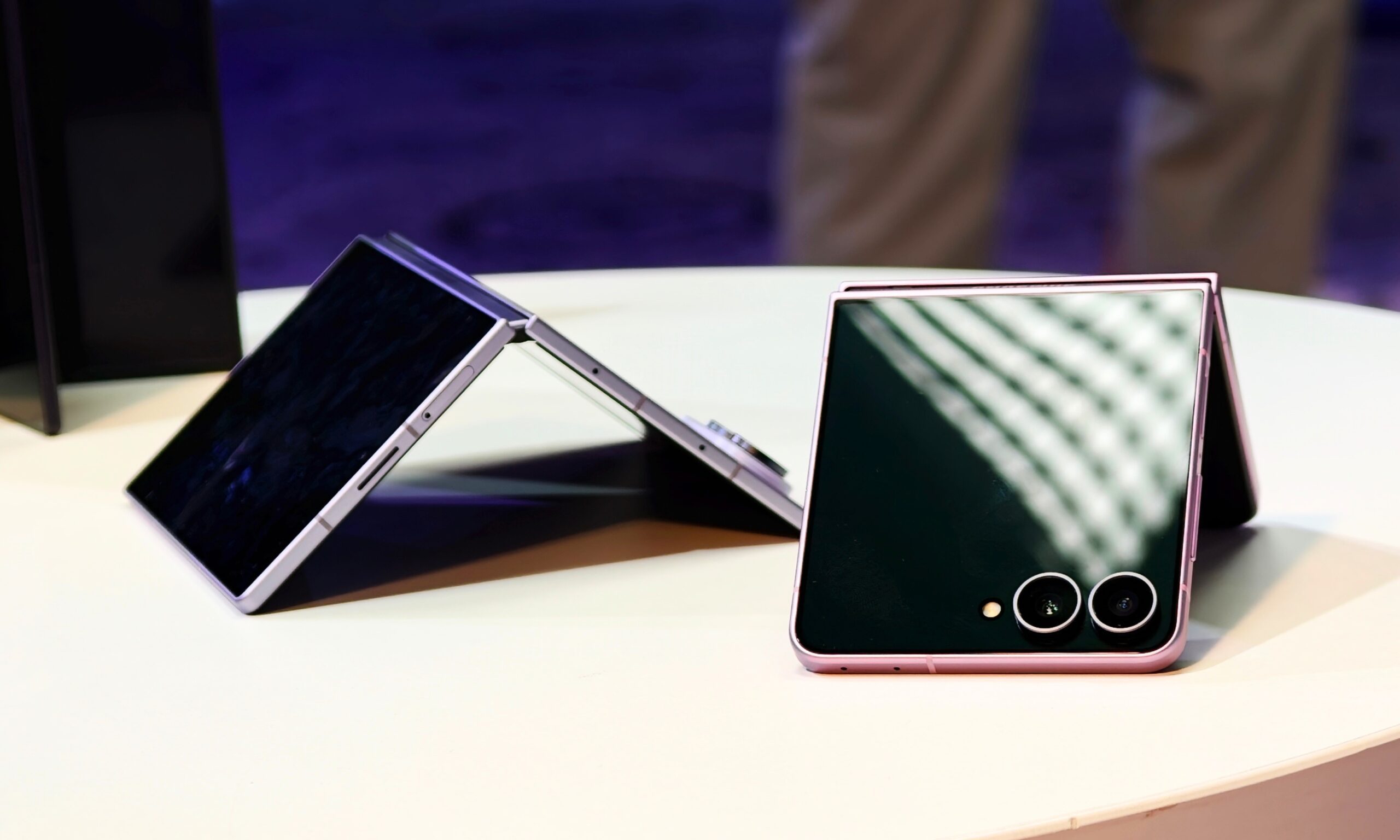
The Razr Ultra’s cover display, though slightly smaller at 4.0 inches, offers a higher resolution (1272×1080) and a matching 165Hz refresh rate, providing a more detailed and responsive secondary interface. The device’s build quality is also notable, featuring a Gorilla Glass Ceramic front for enhanced durability, though its overall dimensions are slightly larger and it weighs more than the Flip 8.
In terms of camera hardware, the Razr Ultra excels. Its ultrawide sensor is a robust 50MP unit, significantly outperforming the Flip 8’s 12MP sensor, offering greater detail and flexibility for wider shots. The selfie camera also sees a substantial upgrade, with a 50MP sensor compared to the Flip 8’s 10MP, promising higher resolution self-portraits. Video recording capabilities are also more advanced, with support for 8K video at 30fps and a broader range of 4K and 1080p frame rates, including Dolby Vision and HDR10+ recording, features absent on the Flip 8.
Battery life is another area where the Razr Ultra shines. It packs a larger 5,000mAh battery, approximately 16% larger than the Flip 8’s 4,300mAh cell. This is complemented by significantly faster charging speeds, with 68W wired charging compared to Samsung’s 25W. This combination suggests a device that can stay powered for longer and recharge much more rapidly.
The Razr Ultra runs on Hello UI, which is closer to a stock Android experience. While it offers some AI features like "Catch Me Up" and "Look & Talk," its software update commitment is shorter than Samsung’s, with three years of OS updates and four years of security updates. However, it does offer a more generous base configuration of 16GB of RAM and a fixed 512GB of storage, which, while lacking the flexibility of Samsung’s tiered options, provides ample performance for most users.
The Implication of Choices: Who Should Buy What?
The decision between the Samsung Galaxy Z Flip 8 and the Motorola Razr Ultra (2026) hinges on individual priorities and existing technology ecosystems.
For users already invested in the Samsung ecosystem, whether through earbuds, smartwatches, or existing One UI smartphones, the Galaxy Z Flip 8 presents a seamless transition. Its enhanced AI capabilities, particularly the intelligent FlexWindow and Gemini integration, offer a compelling productivity boost. The superior chipset, though not the absolute bleeding edge, provides greater long-term performance assurance, and the significant cost savings compared to the Razr Ultra make it a practical choice for many. The extended software support also adds considerable value for those who plan to keep their device for several years.
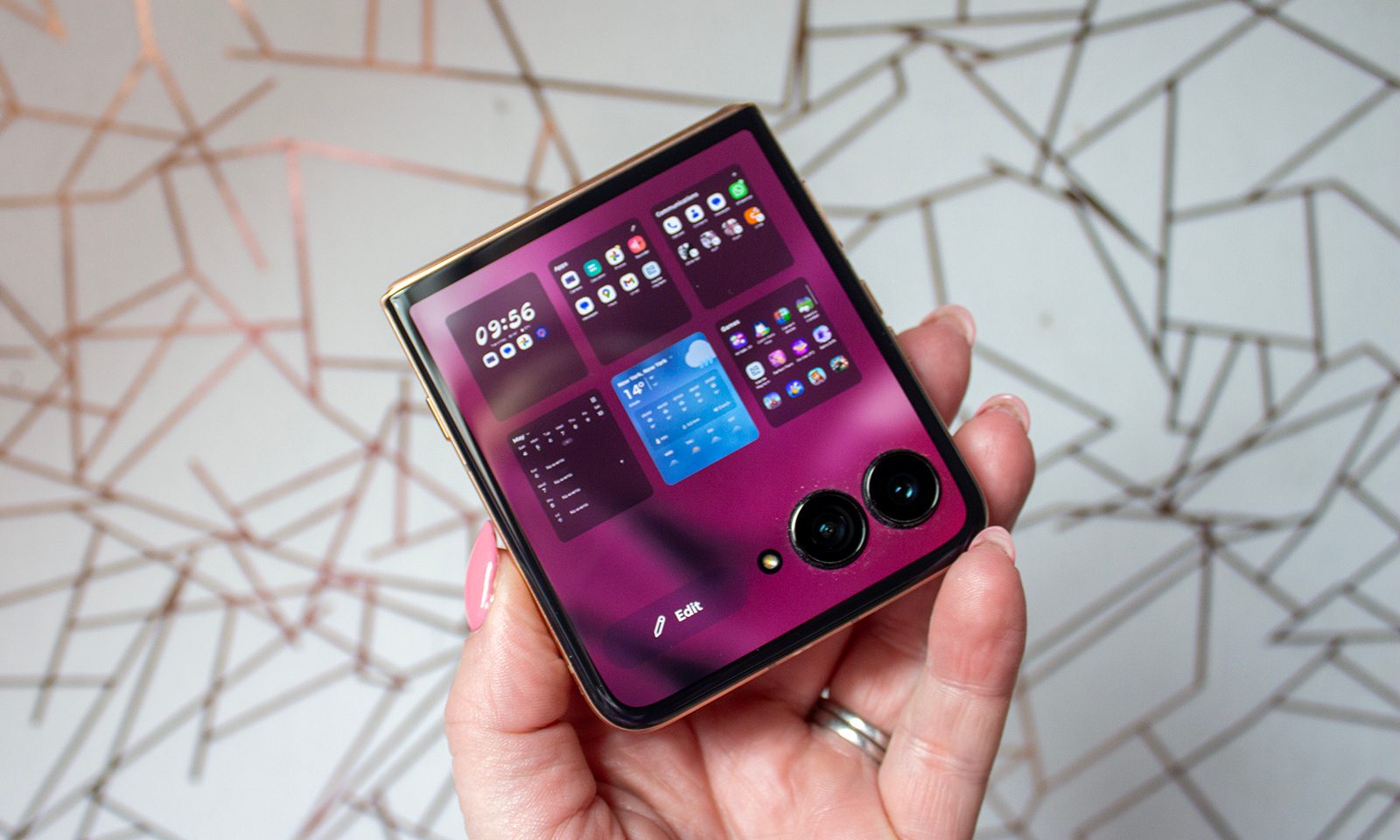
Conversely, the Motorola Razr Ultra (2026) is the clear winner for users who prioritize cutting-edge display technology, superior camera hardware, and a near-stock Android experience. The exceptional brightness, higher refresh rates, and advanced HDR capabilities of its displays offer a premium visual experience. The camera system’s higher resolution sensors and advanced video recording features cater to photography and videography enthusiasts. The faster charging and larger battery capacity also cater to users who demand maximum uptime and minimal charging interruptions. While the software ecosystem is less robust than Samsung’s, the cleaner Android interface and robust hardware specifications make it a compelling option for those who value performance and visual fidelity above all else.
Motorola’s strategy with the Razr Ultra 2026, while focusing on hardware excellence, may benefit from a re-evaluation of its pricing strategy. The inclusion of accessories like Moto Buds Loop and Moto Watch, while adding perceived value, could be reallocated to reduce the upfront cost of the smartphone itself. This could make the Razr Ultra more competitive against Samsung’s more aggressively priced offering and potentially strengthen Motorola’s standing in the foldable market by appealing to a wider consumer base.
In conclusion, both the Samsung Galaxy Z Flip 8 and the Motorola Razr Ultra (2026) represent significant advancements in the foldable phone market. The Flip 8 champions an AI-driven, software-centric experience with a more accessible price point and extended support, while the Razr Ultra (2026) pushes the boundaries of display technology and camera hardware, offering a premium, performance-focused device for discerning users. The choice ultimately rests on which set of priorities aligns best with the individual consumer’s needs and preferences.