Samsung’s Galaxy Z Fold 8, Galaxy Z Fold 8 Ultra, and Galaxy Z Flip 8 Unveiled with Lingering Durability Concerns Over IP48 Rating.

Samsung, a global leader in smartphone innovation, officially unveiled its latest generation of foldable smartphones – the Galaxy Z Fold 8, Galaxy Z Fold 8 Ultra, and Galaxy Z Flip 8 – at a highly anticipated Unpacked event. The new devices promise significant advancements in design, featuring slimmer profiles, enhanced performance with powerful chipsets, and improved silicon-carbon battery technology. While these upgrades are poised to captivate a demanding market, an underlying concern regarding the devices’ durability has emerged, as Samsung has opted to retain an IP48 ingress protection rating across all three models. This decision places the South Korean technology giant at a competitive disadvantage in a rapidly evolving foldable market where rivals are increasingly prioritizing comprehensive dust resistance.
The Nuance of IP Ratings: Understanding IP48
The Ingress Protection (IP) rating system, standardized by the International Electrotechnical Commission (IEC), is a crucial indicator of a device’s resistance to solids (like dust) and liquids (like water). The first digit after ‘IP’ denotes protection against solid particles, ranging from 0 (no protection) to 6 (dust tight). The second digit indicates protection against liquids, from 0 (no protection) to 9K (protection against high-pressure, high-temperature jets).
Samsung’s choice of an IP48 rating for its new foldables warrants closer examination. The ‘8’ in IP48 signifies robust water resistance, indicating that the devices can withstand immersion in water up to 1.5 meters for 30 minutes. This level of water protection has become a hallmark of premium smartphones, including previous generations of Samsung foldables. However, it is the ‘4’ in IP48 that raises questions. An IP4x rating means the device is protected against solid objects 1.0 mm in diameter or larger. Critically, this does not translate to dust resistance. Dust particles are typically measured in micrometers, vastly smaller than the 1.0 mm threshold. Therefore, while the Galaxy Z Fold 8, Z Fold 8 Ultra, and Z Flip 8 are designed to resist small wires or pebbles, they are not certified to be protected against fine particulate matter like lint from a pocket, sand from a beach environment, or household dust. This distinction is paramount for consumers investing in high-end devices, especially those with intricate mechanical components like foldable hinges.
A Chronology of Foldable Durability Evolution
The journey of foldable smartphone durability has been marked by continuous innovation and significant challenges. Early foldable devices, including Samsung’s first-generation Galaxy Fold, faced scrutiny over their structural integrity and susceptibility to debris ingress. Screens were delicate, and hinges were often points of vulnerability.
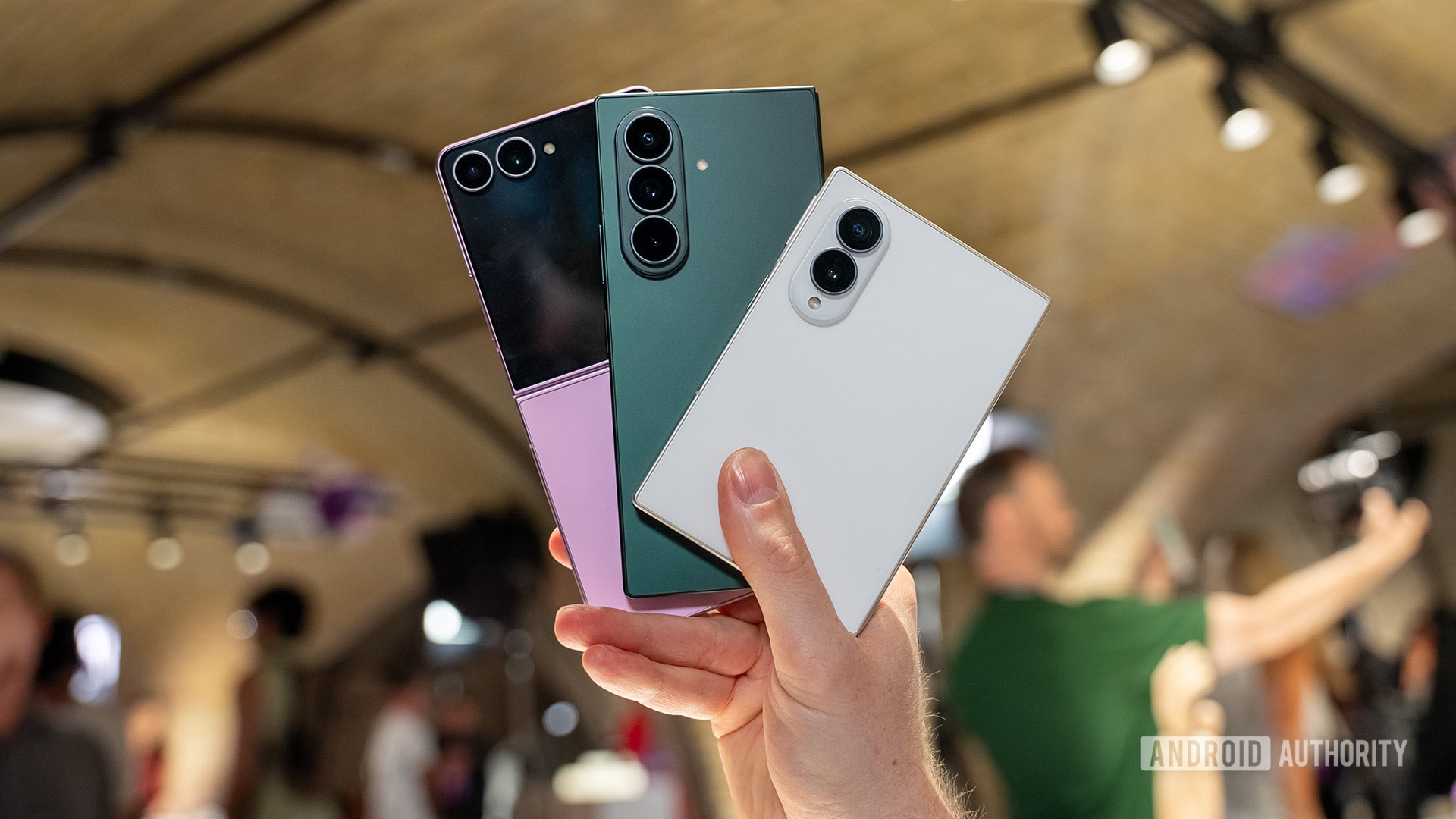
- 2019-2021: The Early Years and IPX8 Debut: Samsung pioneered water resistance in foldables with the Galaxy Z Fold 3 and Z Flip 3 in 2021, achieving an IPX8 rating. This was a significant engineering feat, as sealing a device with moving parts against water is inherently complex. The ‘X’ in IPX8 indicated no formal rating for dust resistance, but the focus was on mitigating water damage, a common point of failure for conventional smartphones. Rival devices from manufacturers like Google and HONOR initially followed suit with similar IPX8 ratings.
- 2024: Introduction of IP48 by Samsung: With the launch of the Galaxy Z Fold 6 and Flip 6 in 2024, Samsung introduced the IP48 rating. At the time, this was presented as an incremental improvement, suggesting some level of protection against larger foreign objects, though not full dust sealing. The industry largely viewed this as a step towards better overall durability, even if it fell short of true dust-tightness.
- 2025: Rivals Advance to IP58 and IP68: The competitive landscape began to shift dramatically in 2025. Chinese manufacturers, known for rapid innovation, started pushing the boundaries. The HONOR Magic V5 and vivo X Fold 5, launched that year, arrived with IP58 ratings. The ‘5’ in IP58 signifies "dust protected," meaning dust ingress is not entirely prevented but is insufficient to interfere with the satisfactory operation of the equipment. More notably, Google’s Pixel 10 Pro Fold, also released in 2025, made headlines by becoming the first foldable to achieve an impressive IP68 rating. An IP68 rating denotes full "dust tight" protection and continuous immersion in water under specified conditions, setting a new benchmark for foldable durability. While the Pixel 10 Pro Fold was noted for its somewhat thicker design, it proved that comprehensive dust and water resistance was achievable in the foldable form factor.
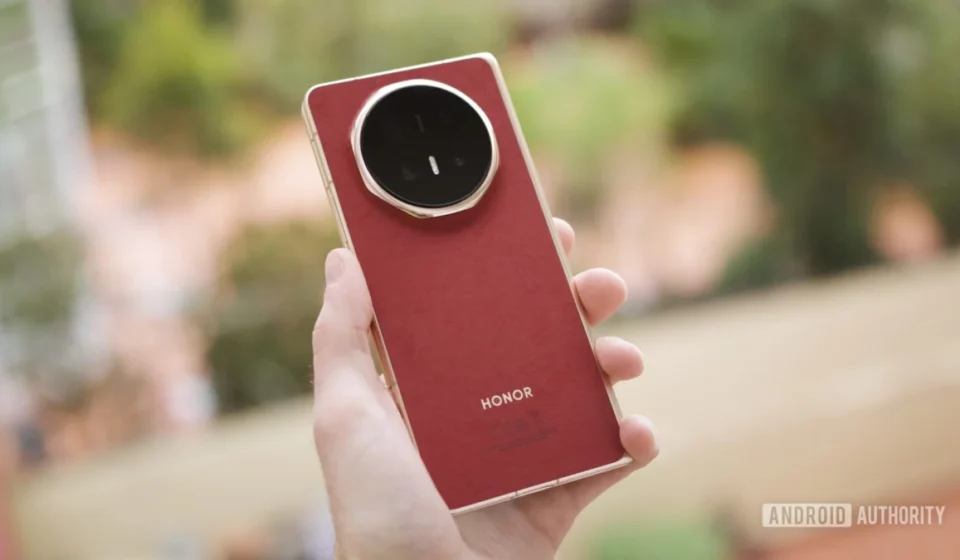
- 2026: The New Standard Emerges: The year 2026 has further solidified the trend towards enhanced durability. HONOR’s Magic V6, unveiled earlier this year, not only matched Google’s IP68 rating but also added an IP69 rating, offering protection against high-pressure, high-temperature liquid jets – an unprecedented level of resilience for a foldable. Crucially, the Magic V6 achieved this while maintaining a slim profile, measuring approximately 9mm thick when folded, challenging the notion that advanced durability must compromise form factor. Other notable foldables in 2026, such as the OPPO Find N6, vivo X Fold 6, and HUAWEI Pura X Max, have also launched with at least IP58 ratings, further demonstrating the industry’s commitment to robust protection.
Against this backdrop of rapid advancements, Samsung’s decision to maintain the IP48 rating for its 2026 lineup of Galaxy Z Fold 8, Z Fold 8 Ultra, and Z Flip 8 appears conservative.
Samsung’s Design Philosophy and the Durability Dilemma
Samsung’s continued adherence to IP48 suggests a strategic trade-off, likely prioritizing other design aspects such as slimness, hinge mechanism refinement, and potentially manufacturing complexity and cost. Achieving true dust-tightness (IP6X) in a foldable device presents significant engineering hurdles. The hinge, the most dynamic component, must allow for seamless folding and unfolding while simultaneously preventing microscopic particles from entering and damaging the internal components, particularly the display layers and the hinge mechanism itself.
Sources close to Samsung’s R&D division, while not directly commenting on specific IP ratings, have often highlighted the delicate balance between structural integrity, user experience, and aesthetic design. The company has invested heavily in proprietary hinge designs, like the "Flex Hinge," which aims to minimize the crease and offer a gap-free fold. Integrating full dust sealing into such intricate mechanisms without adding bulk or compromising the smooth operation remains a formidable challenge. It is plausible that Samsung believes its current hinge design, which has demonstrated an ability to eject some debris, combined with the perceived benefits of a thinner device, offers an optimal solution for its target market.
However, this rationale increasingly clashes with rising consumer expectations and competitor offerings. For a device costing upwards of $1,200 to $2,100, users anticipate comprehensive protection against environmental factors. The potential for a "crunchy" hinge or internal damage from dust ingress is a significant concern that can erode consumer confidence and impact long-term device reliability.
The Competitive Landscape and Market Implications
The disparity in IP ratings among leading foldable manufacturers is creating a distinct competitive dynamic.
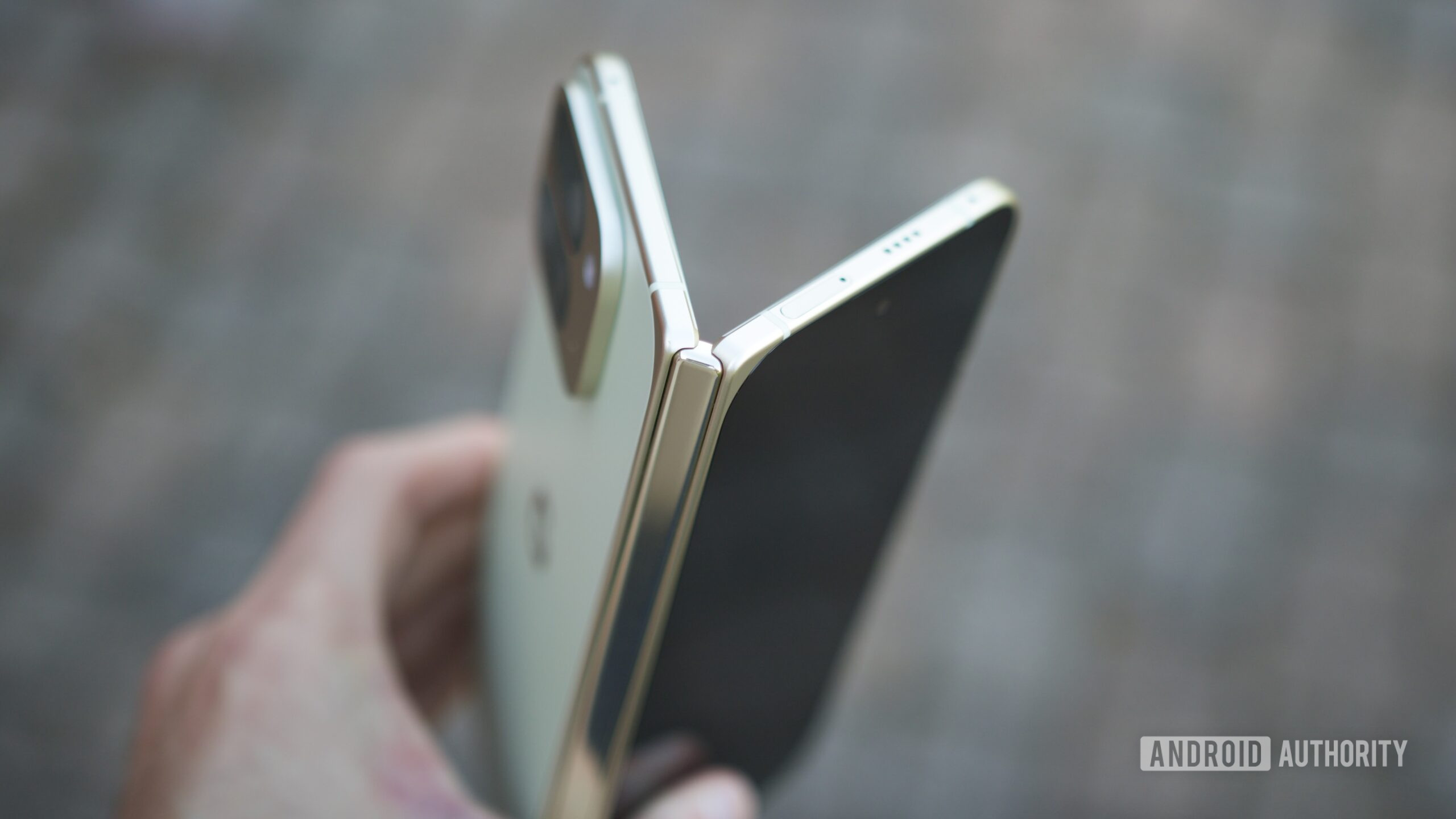
- Google’s Benchmark: The Pixel 10 Pro Fold, with its IP68 rating, established a new standard for durability in Western markets. Google demonstrated that a truly dust-tight foldable was not only possible but commercially viable.
- Chinese Innovators: Companies like HONOR, vivo, OPPO, and HUAWEI are aggressively pushing the envelope, not just with IP58 and IP68, but even IP69 in the case of HONOR. These brands are often showcasing thinner designs, larger batteries, and advanced camera systems alongside superior durability, challenging Samsung’s traditional leadership in premium Android devices.
- Motorola’s Parallel: Interestingly, Motorola’s Razr 2026 phones also carry an IP48 rating, placing them in the same category as Samsung’s new foldables regarding dust resistance. This leaves consumers in markets like the U.S. with limited options if certified dust resistance is a primary purchasing criterion, essentially narrowing the choice to Google’s Pixel Fold line.
This trend suggests a maturing foldable market where basic water resistance is no longer enough. Consumers are increasingly sophisticated, and durability is becoming a key differentiator, particularly as foldable technology moves beyond early adopters to a broader mainstream audience. The market share for foldables is steadily growing, projected to reach tens of millions of units annually within the next few years. As prices become more accessible and technology stabilizes, features like robust durability will play an even greater role in purchasing decisions.
Analyst Perspectives and Consumer Trust
Industry analysts have begun to weigh in on Samsung’s position. "While Samsung continues to excel in display technology and ecosystem integration, their conservative stance on dust resistance in foldables could become a significant liability," noted a senior analyst from a prominent tech research firm. "As competitors demonstrate that IP68 is achievable without excessive bulk, Samsung faces the challenge of justifying its design choices to an increasingly informed consumer base. Durability is no longer a luxury; it’s an expectation for premium devices."
Consumer surveys consistently show that device longevity and resilience to everyday wear and tear are high priorities for smartphone users. For foldables, where the hinge and flexible display introduce new points of potential failure, dust ingress is a particularly salient concern. The perception that a $2,000 phone is vulnerable to common environmental dust can undermine consumer trust and confidence in the product’s long-term value. While Samsung’s previous hinge designs might mitigate some debris issues, a certified IP rating offers a quantifiable assurance that resonates strongly with buyers.
Broader Impact and Future Implications
The implications of Samsung’s IP48 decision extend beyond mere specifications. It touches upon:
- Brand Perception: Samsung, as the pioneer and market leader in foldables, has a responsibility to set industry standards. By lagging behind competitors in a critical durability metric, it risks ceding its perception of innovation and reliability in the foldable segment.
- Repairability and Longevity: Dust accumulation can lead to long-term operational issues, including hinge stiffness, grinding noises, and even display damage. This can shorten the effective lifespan of the device and increase the likelihood of costly repairs, impacting customer satisfaction and loyalty.
- Market Diversification: The current situation incentivizes consumers seeking maximum durability to explore alternatives, potentially bolstering the market share of Google, HONOR, and other manufacturers who have embraced higher IP ratings. This could lead to a more fragmented foldable market where durability is a primary segmentation factor.
Looking ahead, Samsung will face increasing pressure to address this gap. The engineering challenges are undeniable, but the advancements made by competitors demonstrate that solutions are viable. Future iterations of the Galaxy Z Fold and Z Flip series will likely need to incorporate more robust dust protection to remain competitive and meet evolving consumer demands. The foldable market is maturing rapidly, and the era of "babying" these advanced devices is drawing to a close. For Samsung to maintain its leadership, it must align its durability offerings with the growing expectations for comprehensive protection in premium smartphones.