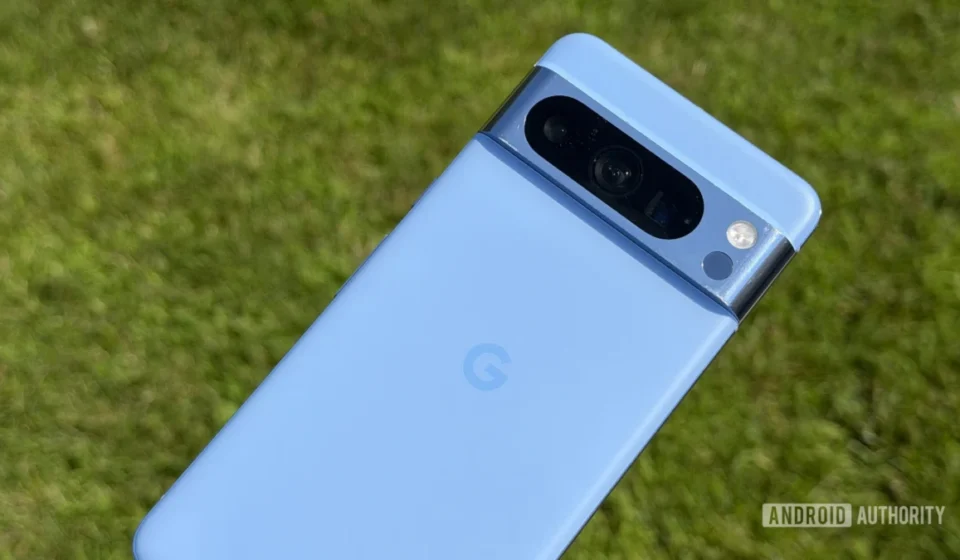
Google’s Tensor Chipsets Face Critical Juncture as Pixel 11 Launch Nears Amid User Skepticism and Evolving Market Demands

As Google prepares to unveil its sixth-generation custom system-on-a-chip (SoC), the Tensor G6, alongside the highly anticipated Pixel 11 smartphone series, the company finds itself at a pivotal moment. Public sentiment, heavily influenced by the performance of previous Tensor iterations, remains cautious. A recent survey conducted by Android Authority revealed significant user frustration and a palpable wariness among potential buyers, with many indicating they would postpone purchasing a Pixel 11 until the capabilities of the Tensor G6 are definitively established. This skepticism highlights a challenging road for Google’s custom silicon, which, despite recent advancements, has struggled to shake off the initial negative impressions left by its predecessors.
The Genesis of Tensor: A Strategic Imperative
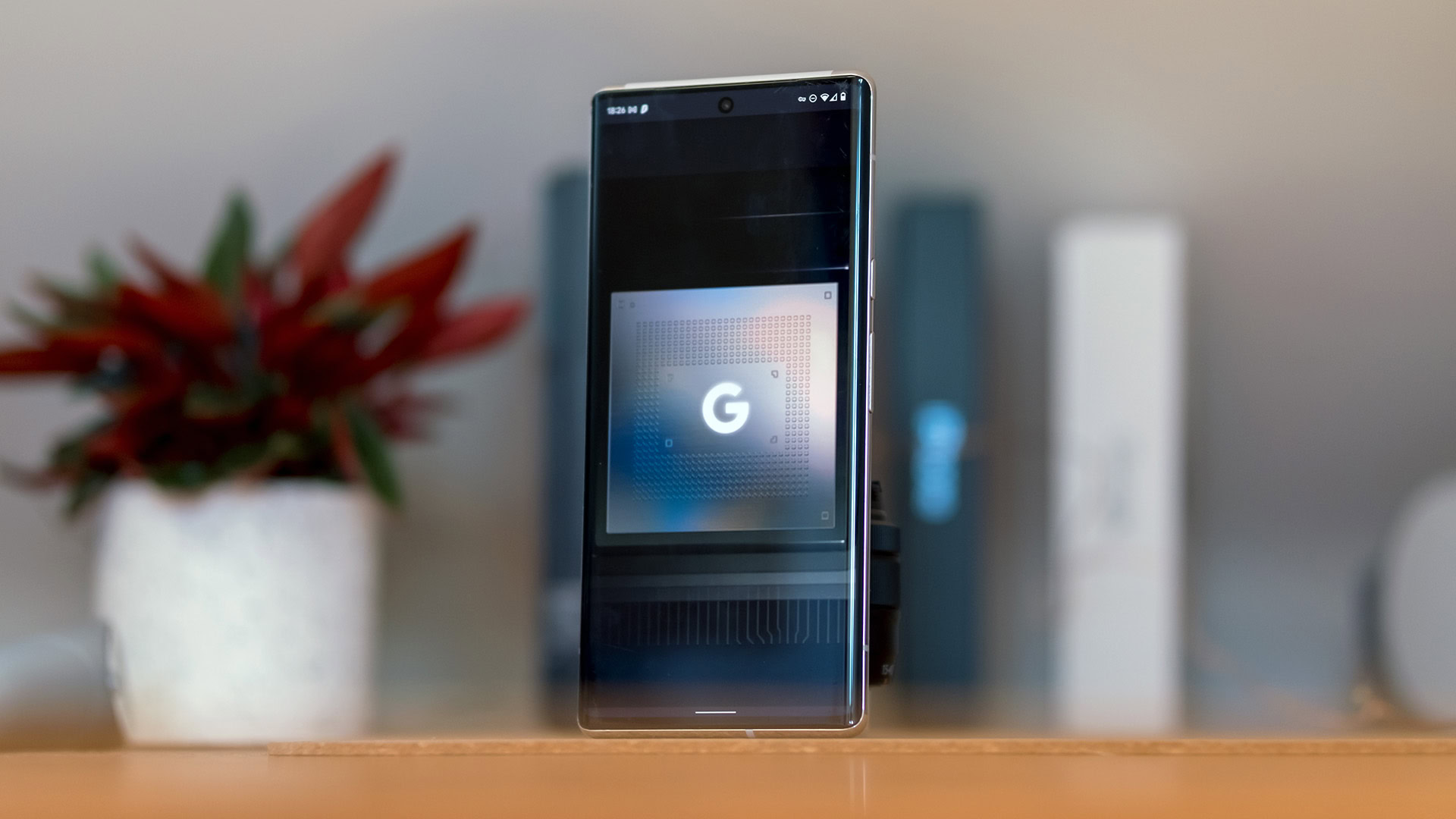
Google’s decision to develop its own Tensor chipsets, first introduced with the Pixel 6 in 2021, marked a significant strategic pivot. Prior to Tensor, Pixel phones relied on Qualcomm’s Snapdragon processors, a common component across many high-end Android devices. Google’s motivation was multifaceted: to achieve tighter hardware-software integration akin to Apple’s ecosystem, to differentiate its Pixel line in a crowded market, and crucially, to optimize on-device artificial intelligence (AI) and machine learning (ML) capabilities. The vision was to create a phone that was "smarter," capable of handling complex AI tasks like advanced computational photography, real-time language translation, and improved voice recognition directly on the device, rather than relying solely on cloud processing. This would enhance privacy, speed, and efficiency for Google’s signature AI features, which were increasingly becoming a cornerstone of the Pixel brand. The move was heralded as a bold step, promising a truly unified Google experience.
A Rocky Start: Tensor G1 and G2’s Performance Woes
The initial fanfare surrounding the Pixel 6 and its debut Tensor G1 chip quickly gave way to widespread user dissatisfaction. While the Pixel 6 represented a significant design overhaul and introduced groundbreaking camera features powered by Google’s computational photography prowess, the underlying silicon faced substantial challenges. Users reported consistent issues with overheating, particularly during demanding tasks such as gaming, video recording, or extended use of navigation. This thermal instability led directly to performance throttling, where the chip would reduce its clock speed to prevent damage, resulting in noticeable lag, stuttering, and, critically, shortened battery life. Early software updates attempted to mitigate these issues, but it took several months for the Pixel 6 to achieve a more stable, albeit still imperfect, operational state.
The Tensor G2, powering the Pixel 7 series released in 2022, aimed to address these shortcomings but ultimately delivered only incremental improvements. While the G2 was somewhat more resilient to overheating than its predecessor, the problem persisted, particularly under heavy load. Many users continued to experience the phone’s polished aluminum frame becoming uncomfortably warm to the touch, and battery life remained a point of contention for a device positioned as a flagship. Industry benchmarks consistently showed both the Tensor G1 and G2 lagging behind contemporary Snapdragon and Apple A-series chips in raw CPU and GPU performance. This performance gap, coupled with the thermal issues, alienated a segment of the tech enthusiast community and left many early adopters feeling "burned" by Google’s initial custom silicon efforts. Analyst reports from this period frequently highlighted Google’s struggle to match the power efficiency and raw computational might of its rivals, despite its clear lead in AI processing.
Turning the Tide: Gradual Improvements with G3, G4, and G5
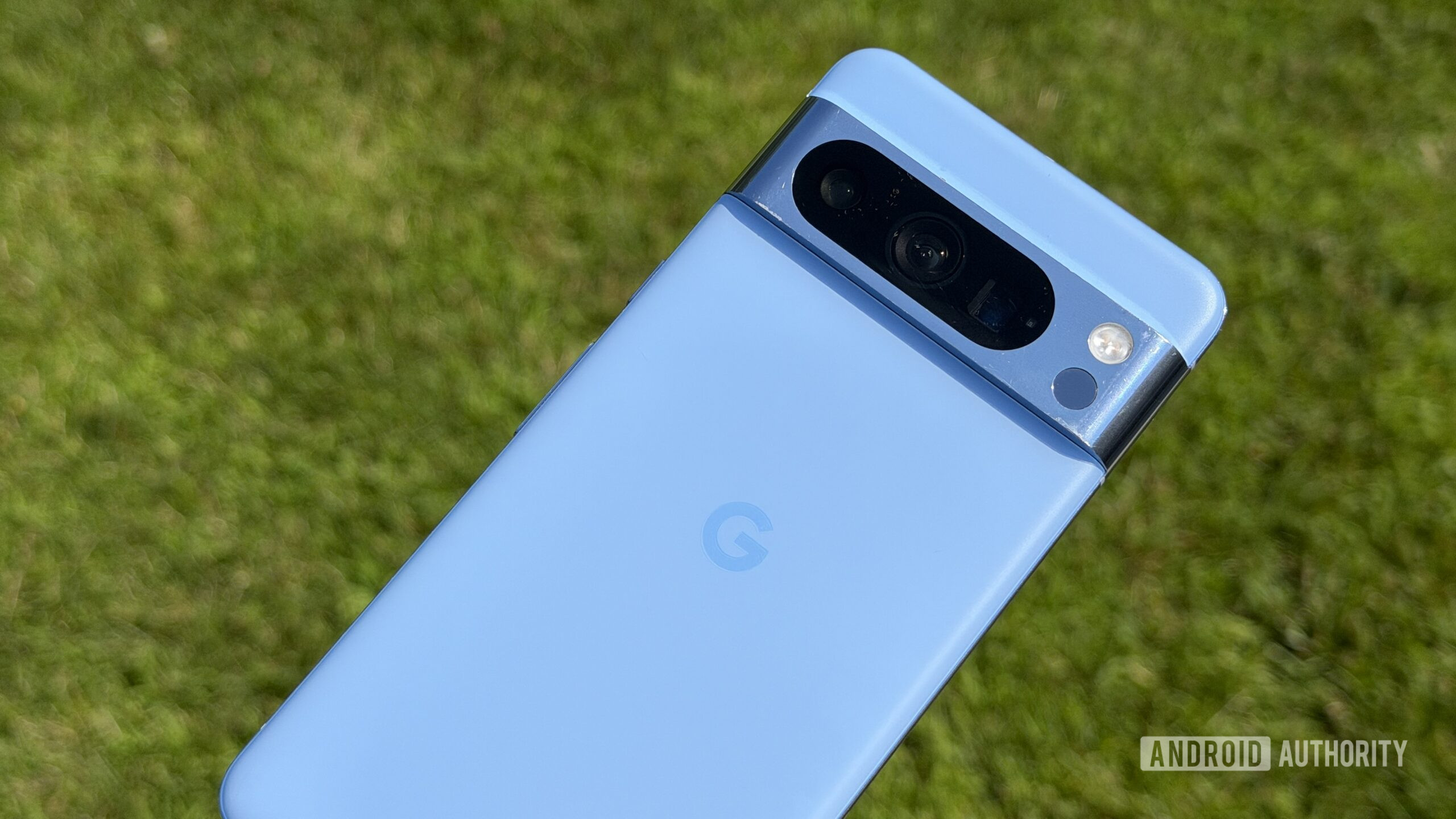
The narrative began to shift with the introduction of the Tensor G3 in the Pixel 8 series in 2023. This generation marked a turning point, with Google demonstrating a more concerted effort to refine its chip design and manufacturing process. While the G3 still didn’t dominate benchmark charts, the real-world user experience saw substantial improvements. Battery performance, a long-standing Achilles’ heel for Pixel flagships, finally reached levels expected from a premium device. Overheating complaints, while not entirely eradicated, were significantly reduced, indicating better thermal management and power efficiency. The Pixel 8 Pro, in particular, was lauded for its smooth and responsive interface, further enhanced by Google’s unique software features and robust AI capabilities.
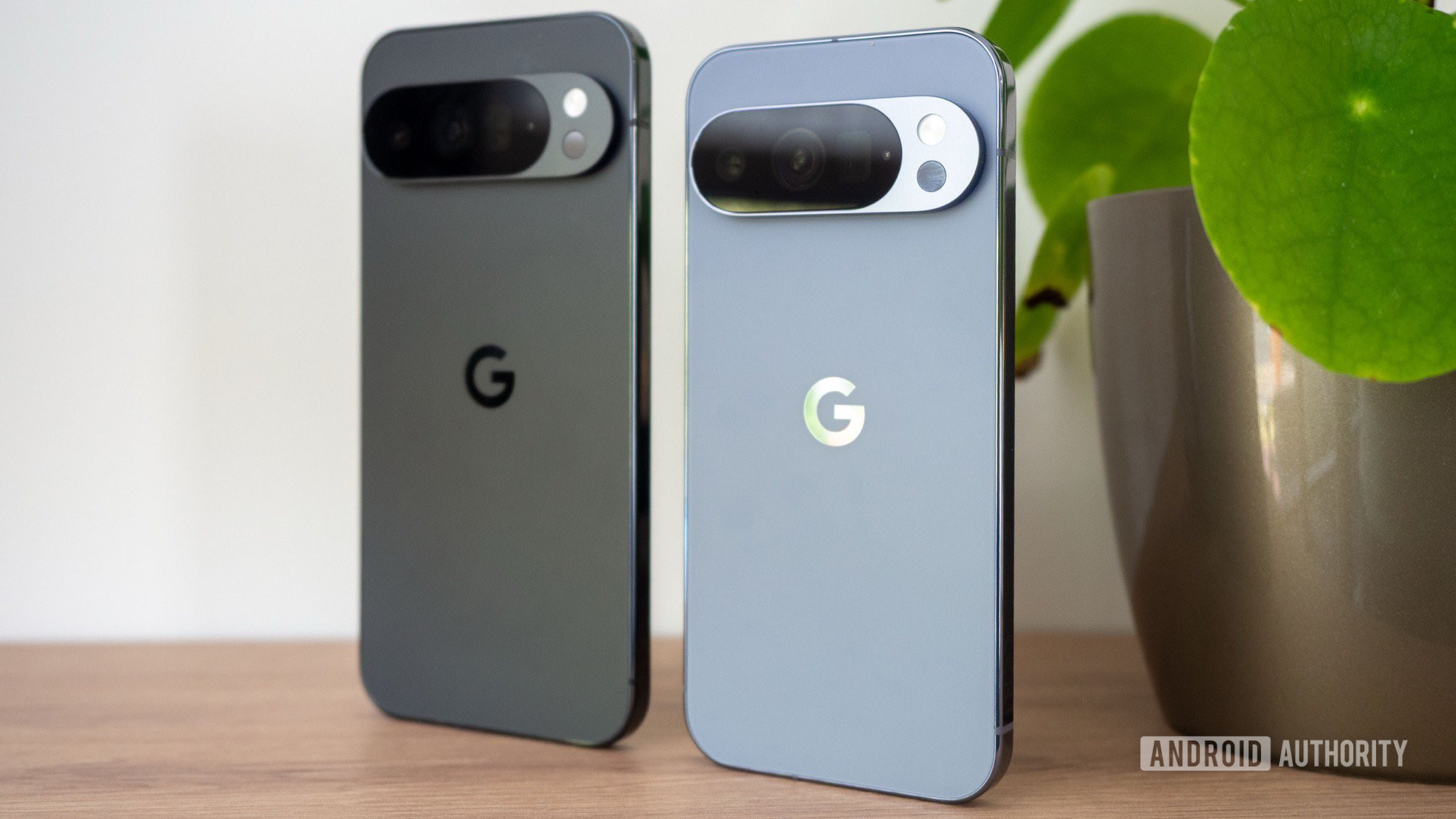
Subsequent iterations, the Tensor G4 in the Pixel 9 Pro XL and the current Tensor G5 in the Pixel 10 Pro XL, continued this trajectory of refinement. These chips brought further enhancements in modem performance, addressing connectivity issues that had plagued earlier models. The Tensor G5, in particular, has been cited by some long-term users as delivering an "excellent" daily experience. While still not matching the peak gaming performance of competitors, most AAA mobile titles reportedly run smoothly, with only minor frame drops observed at maximum graphics settings. This underscores Google’s focus: to provide a consistently fluid and intelligent user experience, prioritizing on-device AI and seamless software integration over raw, benchmark-topping power. The success of features like the enhanced Quick Share, now interoperable with Apple’s AirDrop, exemplifies how Google’s focus on user-centric functionality and AI-driven convenience has resonated with a broader, less technically-obsessed audience.
User Sentiment and the Perception Gap
Despite the demonstrable improvements in recent Tensor generations, the initial missteps continue to cast a long shadow over Google’s custom silicon efforts. The Android Authority survey, reflecting the sentiment of 272 respondents, indicated that a significant portion of users remain skeptical or outright frustrated. This demographic often includes early Pixel 6 and 7 owners who bore the brunt of the early performance issues and have not yet been swayed by subsequent generations.
However, a distinct perception gap has emerged. While tech enthusiasts and power users often scrutinize benchmark scores and demand top-tier gaming performance, a growing segment of casual Pixel users express high satisfaction with their devices. These users value the intuitive software, the exceptional camera, and the convenience of Google’s AI features, often finding the overall "smoothness" of the user experience to be paramount. This divergence highlights Google’s ongoing challenge: to appeal to both the critical enthusiast segment and the broader consumer market, both of whom now expect premium performance for flagship prices.
The Looming Challenge: Tensor G6 and the Pixel 11
The upcoming Pixel 11, powered by the Tensor G6, faces unprecedented scrutiny, exacerbated by shifting market dynamics and rising smartphone prices. Industry trends suggest that the Pixel 11 series could command a price point nearing that of direct competitors like Samsung’s Galaxy S26 Ultra. This elevated pricing fundamentally alters consumer expectations. When a device enters the ultra-premium segment, buyers are increasingly justified in demanding excellence across all metrics: raw performance, gaming prowess, battery life, camera capabilities, and AI integration. Any perceived "gap in value" solely based on a superior user experience or unique AI features becomes harder to rationalize against competitors that are rapidly closing the AI feature gap while maintaining a lead in raw computational power.
Leaks and industry whispers suggest that Google is aware of these heightened expectations and is reportedly aiming to make the Tensor G6 significantly more powerful. This would involve architectural changes and potentially a shift to a more advanced manufacturing process. However, a complete course correction in performance and efficiency in a single generation is a formidable task. While Google has made commendable progress in refining its chipsets, the market’s demand for uncompromised performance means the Tensor G6 needs to be a stellar performer right out of the box, without the need for post-launch software patches to address fundamental issues.
Competitive Landscape and Strategic Implications
Google’s Tensor strategy unfolds within a fiercely competitive landscape. Qualcomm’s Snapdragon chips, especially the latest 8 Gen series, consistently lead in raw CPU and GPU benchmarks, providing robust performance for gaming and demanding applications. Apple’s A-series chips set the industry standard for single-core performance and power efficiency. While Google’s focus on AI has given it a unique edge, competitors are rapidly integrating advanced AI capabilities into their own silicon, blurring the lines of differentiation. Samsung, for instance, has heavily emphasized "Galaxy AI" features in its latest flagships, often leveraging both its own Exynos chips (in some markets) and Qualcomm’s Snapdragon, demonstrating that AI is no longer a Google-exclusive domain.
Furthermore, Google’s reliance on Samsung Foundry for manufacturing its Tensor chips links its hardware performance to Samsung’s process node advancements. Any limitations or delays in manufacturing technology can directly impact Tensor’s ability to compete on a purely technical level with chips potentially fabricated on more advanced nodes by other foundries.
The initial stumbles of Tensor G1 and G2 also had implications for brand loyalty and adoption. Early adopters who felt let down may be hesitant to return to the Pixel ecosystem, requiring Google to not only deliver a superior product but also actively rebuild trust. The long-term success of Tensor is critical not just for the Pixel line, but for Google’s broader ambitions in hardware and its vision for ambient computing, where powerful and efficient on-device AI is paramount.
Looking Ahead: Google’s Path to Redemption
For Google to truly succeed with its Tensor program, the Tensor G6 must deliver a balanced and compelling package. It needs to retain its leadership in on-device AI and seamless software integration, which are core Pixel strengths, while simultaneously narrowing the performance gap with rivals in areas like raw CPU/GPU power and sustained gaming performance. Flawless execution from launch day is non-negotiable, especially at an anticipated higher price point.
The journey with Tensor has been arduous, marked by ambitious goals and significant hurdles. While Google has undeniably learned from its early mistakes and made substantial progress in recent generations, the market is unforgiving. The Pixel 11 and its Tensor G6 represent a critical opportunity for Google to definitively prove the maturity and competitiveness of its custom silicon, regain full consumer confidence, and solidify its position as a top-tier player in the premium smartphone market. The company must demonstrate that the era of "paying for its sins" is truly over and that Tensor can deliver everything buyers expect from a modern flagship.