The Android Ecosystem Stands on the Precipice of a Monumental Shift as Third-Party App Stores Prepare for Widespread Integration.

For over a decade, the experience of acquiring applications on an Android device has been largely defined by a singular, familiar rhythm: users navigate to the Google Play Store, search for their desired software, and initiate installation with a simple tap. This centralized model has fostered an environment of ease, perceived security, and a largely unified digital storefront. However, this established landscape is now on the brink of a profound, tectonic transformation. The era of alternative, third-party app stores, once relegated to niche communities of tech enthusiasts and power users, is poised to move into the mainstream, fundamentally reshaping how Android users discover, manage, install, and even pay for the software that powers their daily lives.
Major players in the technology and gaming sectors, alongside multi-billion-dollar corporations and regional digital powerhouses, are actively developing and deploying their own digital storefronts. Their primary motivation is to bypass Google’s established distribution channels and associated revenue share. For the first time in key markets, including the United States, these alternative app stores are not merely accessible through complex sideloading procedures but will be readily available for download directly within the Google Play Store itself. This shift signifies a new paradigm for the average user, promising an unprecedented level of choice but simultaneously introducing a new set of rules and complexities for digital commerce and device management.
The Genesis of Change: Challenging the Digital Duopoly
To comprehend the magnitude of this impending shift, it is essential to delve into the underlying forces that have propelled it. For more than a decade, Google and Apple have operated what critics and regulators have frequently termed a "digital duopoly" over the mobile app ecosystem. Developers seeking to make their applications available to the vast user bases of Android and iOS devices have historically been compelled to adhere to stringent platform rules. Crucially, this included relinquishing a significant portion of their revenue – often up to 30% – from every app purchase, subscription, and in-app transaction conducted through the platforms’ proprietary billing systems. This "app tax" has long been a contentious point, generating substantial friction between platform holders and the developer community.
Developers, particularly those with high-volume transactions or subscription-based models, expressed growing resentment over these commissions. For instance, gaming behemoths like Epic Games, the creators of the immensely popular Fortnite, embarked on protracted legal and public relations campaigns to challenge these perceived monopolistic practices. In August 2020, Epic Games famously introduced its own direct payment system within Fortnite on both Android and iOS, deliberately circumventing Google and Apple’s payment gateways. This act of defiance led to the immediate removal of Fortnite from both the Google Play Store and Apple App Store, igniting a series of high-profile antitrust lawsuits.

The real impetus for the current shift, however, extends beyond individual corporate disputes. It is primarily driven by a wave of international regulatory intervention. Governments worldwide have increasingly scrutinized the market power wielded by major technology companies. This scrutiny has culminated in the enactment of sweeping anti-monopoly legislation, most notably Europe’s Digital Markets Act (DMA). The DMA, which became fully applicable in March 2024, specifically designates certain large online platforms as "gatekeepers" and imposes a series of obligations, including the requirement to open up their platforms to competing storefronts and alternative payment options. This legislative framework explicitly aims to foster greater competition and innovation within the digital sector.
In parallel, legal judgments in the United States have further eroded the dominance of the traditional app store model. In December 2023, a federal jury in California found Google guilty of maintaining an illegal monopoly in the Android app distribution market, siding with Epic Games in their landmark antitrust lawsuit. While Google has indicated its intention to appeal this verdict, the ruling significantly bolsters the case for greater openness and competition. These regulatory and legal pressures have created an undeniable momentum, effectively crumbling the legal barriers that once protected the app store duopoly.
A Chronology of Disruption:
- Early 2010s: Google Play Store solidifies its position as the primary app distribution channel for Android, establishing its 15-30% revenue share model.
- Mid-2010s: Developer discontent regarding platform fees and distribution control begins to grow, particularly among large game publishers and subscription-based service providers.
- August 2020: Epic Games implements direct payment within Fortnite on Android and iOS, leading to the game’s removal from Google Play and Apple App Store. Epic files antitrust lawsuits against both Google and Apple.
- November 2022: The European Union formally adopts the Digital Markets Act (DMA), signaling a new era of stringent regulation for major tech platforms, including requirements for alternative app store support.
- March 2023: Google announces initial compliance efforts for the DMA, detailing changes to allow third-party app stores and alternative billing systems in the European Economic Area.
- December 2023: A federal jury in Epic Games v. Google finds Google liable for maintaining an illegal monopoly in the Android app market.
- Early 2024: Google begins to implement broader policy changes globally, including enabling third-party app stores to be listed within the Google Play Store, in response to regulatory and legal pressures. This marks the beginning of the "new era" for Android app distribution.
With these formidable legal and regulatory obstacles diminishing, companies are increasingly empowered to launch their own independent app stores. This allows them to circumvent Google’s revenue share entirely and establish direct relationships with their customer base, gaining valuable insights and control over their product distribution and user engagement. It is no longer a question of if these alternative storefronts will become prevalent on Android devices, but rather when and to what extent they will redefine the user experience.
The Promise and Peril for Users: Navigating the Digital Wild West
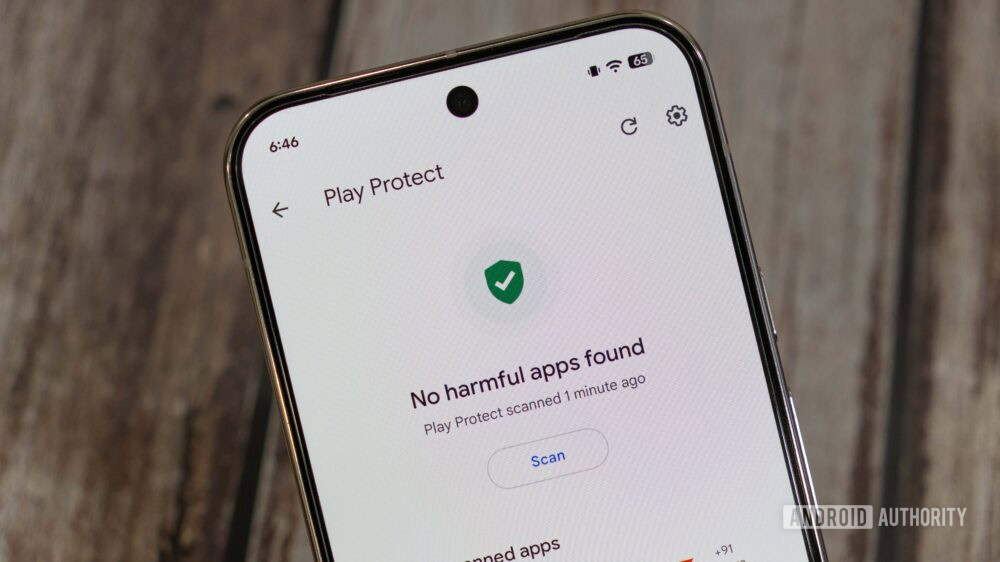
The prospect of greater freedom and choice in app acquisition sounds inherently appealing. However, this expansion of options comes with a significant caveat: security. The Google Play Store, despite its past criticisms regarding commission rates, has historically served as a robust digital shield. Google Play Protect, an integrated security feature, continuously scans billions of applications daily, actively identifying and neutralizing malware, spyware, and deceptive copycat apps before they can infiltrate user devices. This centralized vetting process has provided a baseline of trust and safety for the vast majority of Android users.

As the "walled garden" of the Play Store becomes increasingly permeable, and users begin downloading software from a multitude of different storefronts, they will effectively be venturing into a digital "Wild West." This fragmented landscape presents an undeniable opportunity for malicious actors. It is highly probable that sophisticated fake or copycat app stores will emerge, meticulously designed to trick unsuspecting users into downloading malware disguised as popular games, essential utility tools, or enticing productivity applications. These malicious apps could compromise personal data, inject adware, or even take control of devices.
Protecting Your Device in the New Era:
- Source Verification: Always download apps from reputable and officially recognized app stores. Be wary of links from unfamiliar sources or unsolicited advertisements.
- Read Reviews and Permissions: Before installing any app, thoroughly read user reviews and scrutinize the permissions it requests. If an app for a simple task demands access to sensitive data or excessive device functions, exercise caution.
- Keep Google Play Protect Active: While third-party stores introduce new vectors, Google Play Protect will likely continue to scan all installed applications, regardless of their origin. Ensure it remains enabled and up-to-date.
- Antivirus/Security Apps: Consider installing a reputable third-party antivirus or mobile security application for an additional layer of protection.
- Regular Updates: Keep your Android operating system and all installed applications updated. Security patches often address newly discovered vulnerabilities.
- Strong Passwords and 2FA: Maintain strong, unique passwords for all your online accounts and enable two-factor authentication (2FA) wherever possible, especially for accounts linked to payment information.
A New Nightmare: Fragmented Billing and Subscription Management
Beyond security, another critical aspect of the Android user experience set to undergo significant disruption is unified billing. Currently, one of the most convenient features of the Google Play ecosystem is the ability to track, manage, and cancel nearly all app subscriptions from a single, centralized location within a user’s Google account. If a credit card expires, a single update within Google Pay or Play Store settings seamlessly ensures that all associated subscriptions continue without interruption.
With the proliferation of third-party app stores, this convenience is likely to vanish. Each independent storefront will almost certainly implement its own proprietary payment gateway, aiming to capture 100% of the transaction profits directly. Imagine a scenario where your fitness tracking subscription is billed through an Epic Games Store account, your photo editing suite is tied to an Adobe storefront, and your favorite indie games charge a separate digital wallet managed by an entirely different entity.
This fragmentation of billing introduces several practical and security challenges:
- Increased Exposure to Data Breaches: Your credit card information, once consolidated and secured under Google’s robust infrastructure, will now be scattered across potentially dozens of different databases, each with varying levels of security. This significantly elevates your overall exposure to potential corporate data breaches.
- Logistical Headache for Management: Tracking and managing subscriptions will transform into a complex, time-consuming task. Users may need to log into multiple distinct accounts to identify the source of a monthly deduction, or to cancel a service they no longer use. This could lead to forgotten subscriptions and unnecessary recurring charges.
- Customer Support Complexity: Resolving billing disputes or issues will become more intricate, as users will need to ascertain which specific app store is responsible for the transaction before contacting the correct support channel.
To proactively prepare for this fragmented billing landscape, users are advised to adopt several strategies:
- Dedicated Password Manager: Utilize a robust password manager to securely store unique credentials for each new app store account.
- Finance Tracking Apps: Employ personal finance applications to monitor and categorize recurring expenses, helping to identify and track subscriptions from various sources.
- Virtual Credit Cards: Where available, leverage virtual credit cards with strict spending limits. This can help prevent overcharging and provide an additional layer of security by masking your primary card number.
The Future of Android Apps: Exclusivity, Innovation, and Sideloading’s Evolution
What are the broader implications for the Android ecosystem in the long term? In the short term, a period of transition and potential turbulence is anticipated. It is reasonable to expect "app exclusivity wars," mirroring the current landscape of streaming services where desired content is fragmented across multiple platforms. A popular game or application might suddenly disappear from the Google Play Store because its developer has signed an exclusive distribution deal with a rival storefront, compelling users to download and manage yet another app manager to access their preferred content. This could lead to a more fragmented and potentially frustrating user experience initially.
However, the outlook is not entirely bleak. This fierce competition is likely to compel Google to innovate and offer more attractive terms to developers, potentially resulting in higher-quality applications, more competitive pricing, and enhanced features for all users. The shift could also fundamentally revolutionize the concept of "sideloading." Historically, downloading and installing an Android Package Kit (APK) file directly from the web was often a clunky, intimidating process, accompanied by system warnings about security risks and requiring manual adjustments to device settings. With the arrival of legitimate, officially sanctioned third-party app stores, sideloading is set to become a highly polished, streamlined, and seamlessly integrated component of the core Android user interface. Users will be able to install apps from alternative sources with greater confidence and ease, blurring the lines between "official" and "third-party" distribution.
Ultimately, the Android smartphone is evolving to resemble a traditional desktop computer more closely. Users will gain unprecedented freedom to acquire their software from a myriad of sources, unbound by a single gatekeeper. However, this newfound freedom is inextricably linked to an increased adult responsibility. Users will be tasked with independently managing their device security, diligently vetting application sources, and meticulously overseeing their digital wallet across multiple platforms. The open era of mobile computing is undeniably here, promising a vibrant, competitive landscape, but it demands that users approach this new frontier with heightened awareness and proactive digital hygiene.