The Smartphone Industry’s Stagnation: A Critical Look at the 2026 Annual Launch Cycle

The year 2026 has emerged as a watershed moment for the smartphone industry, revealing a profound fatigue with the entrenched annual product launch cycle. For over a decade, consumers and critics alike have witnessed a relentless cadence of new device releases, each heralded by manufacturers as revolutionary. However, the current landscape suggests a significant divergence between marketing rhetoric and tangible innovation, leading to a palpable sense of disillusionment among long-term observers and a growing indifference among mainstream users. The industry finds itself at a crossroads, grappling with the economic pressures of high component costs and softening demand, while simultaneously struggling to deliver compelling reasons for consumers to upgrade their devices with the customary yearly regularity.
The Genesis of the Annual Cycle: A Historical Context
The practice of annual smartphone refreshes is deeply rooted in the early explosive growth phase of the mobile technology sector. In the late 2000s and early 2010s, technological advancements were rapid and transformative. Each year brought genuinely groundbreaking features: faster processors, higher-resolution cameras, improved displays, and entirely new software ecosystems. This period fostered an environment where annual upgrades were not just anticipated but often necessary to access cutting-edge capabilities. Companies like Apple and Samsung, in particular, capitalized on this by establishing predictable yearly launch events, building immense consumer expectation and loyalty. The benefits were clear: sustained media attention, robust sales figures, and a constant cycle of perceived innovation that kept consumers engaged and eager to adopt the latest models. This rapid evolutionary pace, however, was unsustainable in the long term, and signs of slowdown began to appear as core technologies matured.
2026: A Year of Incrementalism and Elevated Prices
The current year, 2026, has arguably brought this trend of diminishing returns into sharp focus. Several prominent manufacturers have released models that, while technically "new," offer minimal advancements over their predecessors, often accompanied by increased price tags. This pattern has drawn considerable criticism, highlighting the industry’s challenge in maintaining the illusion of rapid progress.
Google’s Pixel 10a: A Missed Opportunity in the Mid-Range
Google’s Pixel A series has traditionally been lauded for offering exceptional value, bringing premium camera performance and a clean Android experience to a more accessible price point. However, the 2026 iteration, the Pixel 10a, has been widely cited as a prime example of this incremental stagnation. While still performing competently within the sub-$500 segment, analyses indicate that its hardware upgrades over the Pixel 9a are negligible. Minor refinements to the Tensor G5 chip, perhaps a slight improvement in display brightness, and iterative camera software enhancements constitute the bulk of its "newness." Industry observers question the strategic rationale behind such a release, suggesting that it merely dilutes the market without offering a compelling upgrade path for existing Pixel A series users. This situation underscores a broader challenge for manufacturers: how to innovate meaningfully within budget constraints without cannibalizing sales of previous generations or higher-tier models.
Motorola’s Razr 2026 Series: Aesthetic Tweaks Over Fundamental Shifts
Motorola, a pioneer in the foldable market, presented its 2026 Razr series with a focus on design refinements and battery technology. The new models feature updated color palettes, subtle tweaks to the hinge mechanism for improved durability, and a notable transition to larger silicon-carbon batteries. While silicon-carbon battery technology promises greater energy density and potentially longer battery life without increasing physical bulk, it also introduces complexities related to manufacturing cost, charging cycles, and long-term degradation profiles that are still being optimized. Despite these engineering efforts, the overall user experience remains largely consistent with prior generations. More critically, the base Razr 2026 model saw a price increase coupled with a reduction in storage capacity, a move that has puzzled analysts and alienated potential buyers. This strategy, prioritizing minor aesthetic and component changes over substantial functional innovation, suggests a struggle to justify premium pricing in an increasingly competitive and discerning market segment.
Samsung’s Galaxy S26 and S26 Plus: Overshadowed and Under-innovated
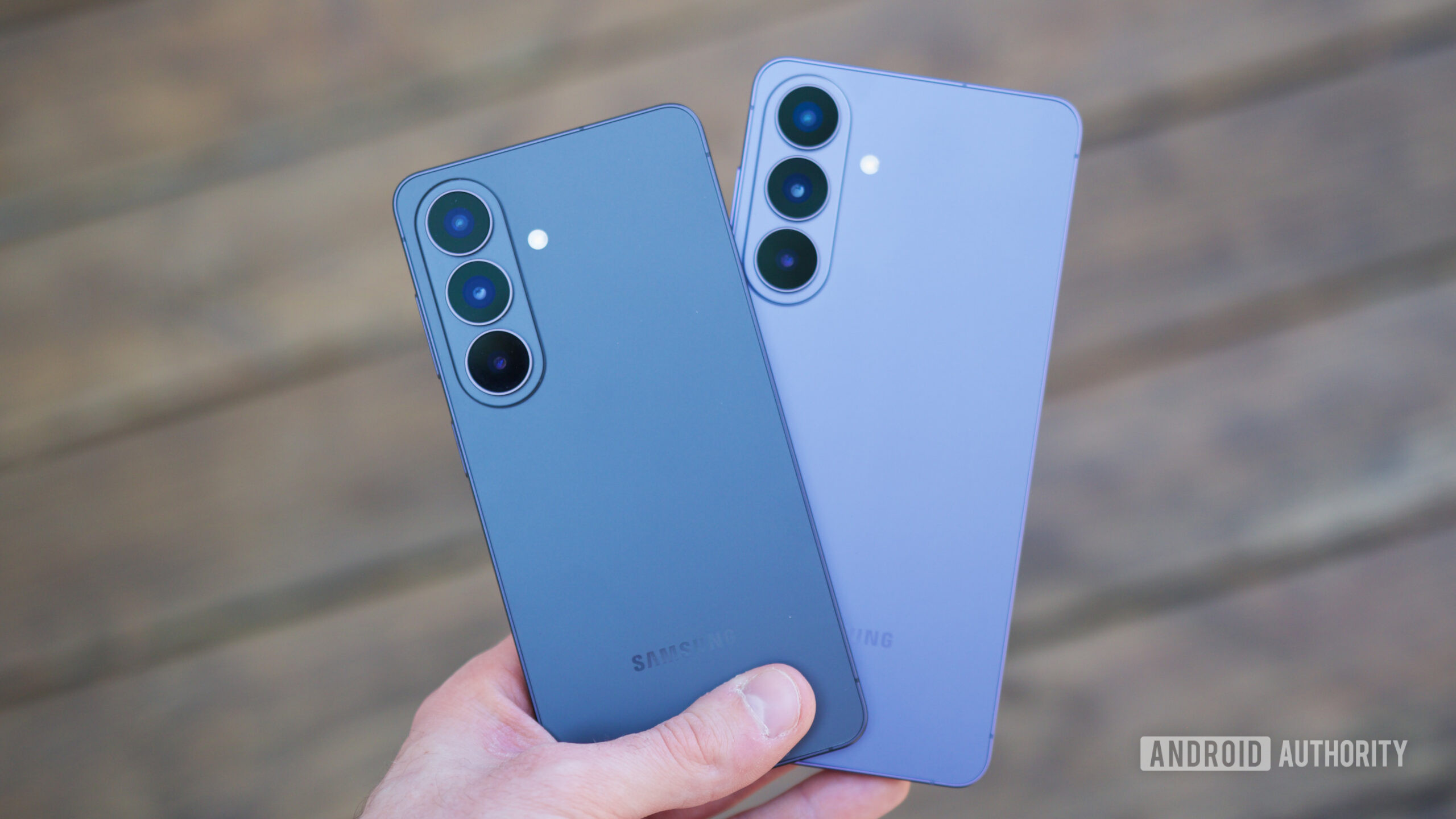
Samsung’s annual flagship launch in early 2026 further exemplified this trend. The Galaxy S26 and S26 Plus models, traditionally the workhorses of Samsung’s premium lineup, once again found themselves overshadowed by the more expensive and feature-rich Ultra variant. The base S26, in particular, has faced a dual challenge: continuous price escalation alongside increasingly modest hardware improvements. This positioning has made it vulnerable not only to direct competitors but also to Samsung’s own value-oriented Galaxy FE (Fan Edition) series, which often offers a near-flagship experience at a more attractive price point. The lack of distinct, compelling features for the non-Ultra models suggests a strategic decision to consolidate significant innovation within the highest-tier device, leaving the standard flagships in a state of evolutionary limbo.
Foldables: High Prices, Limited Progress
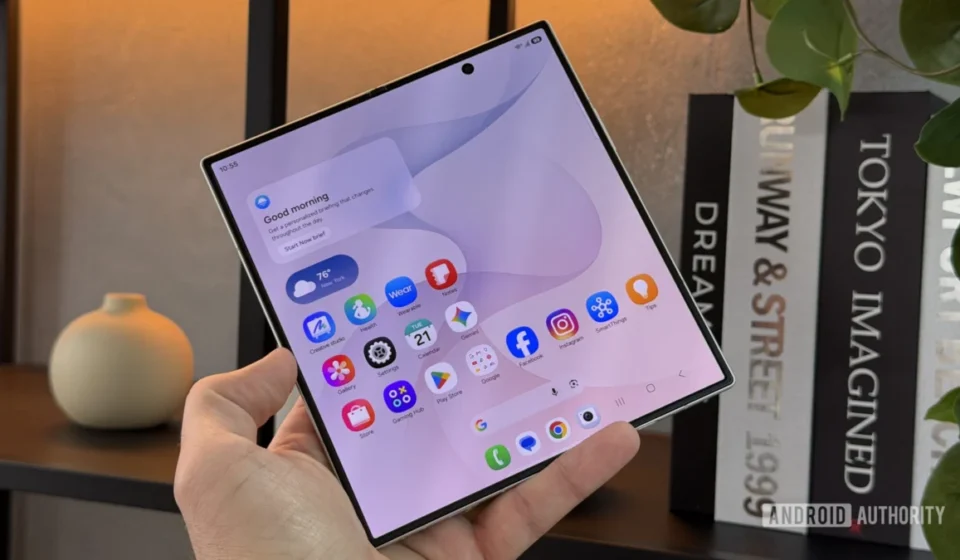
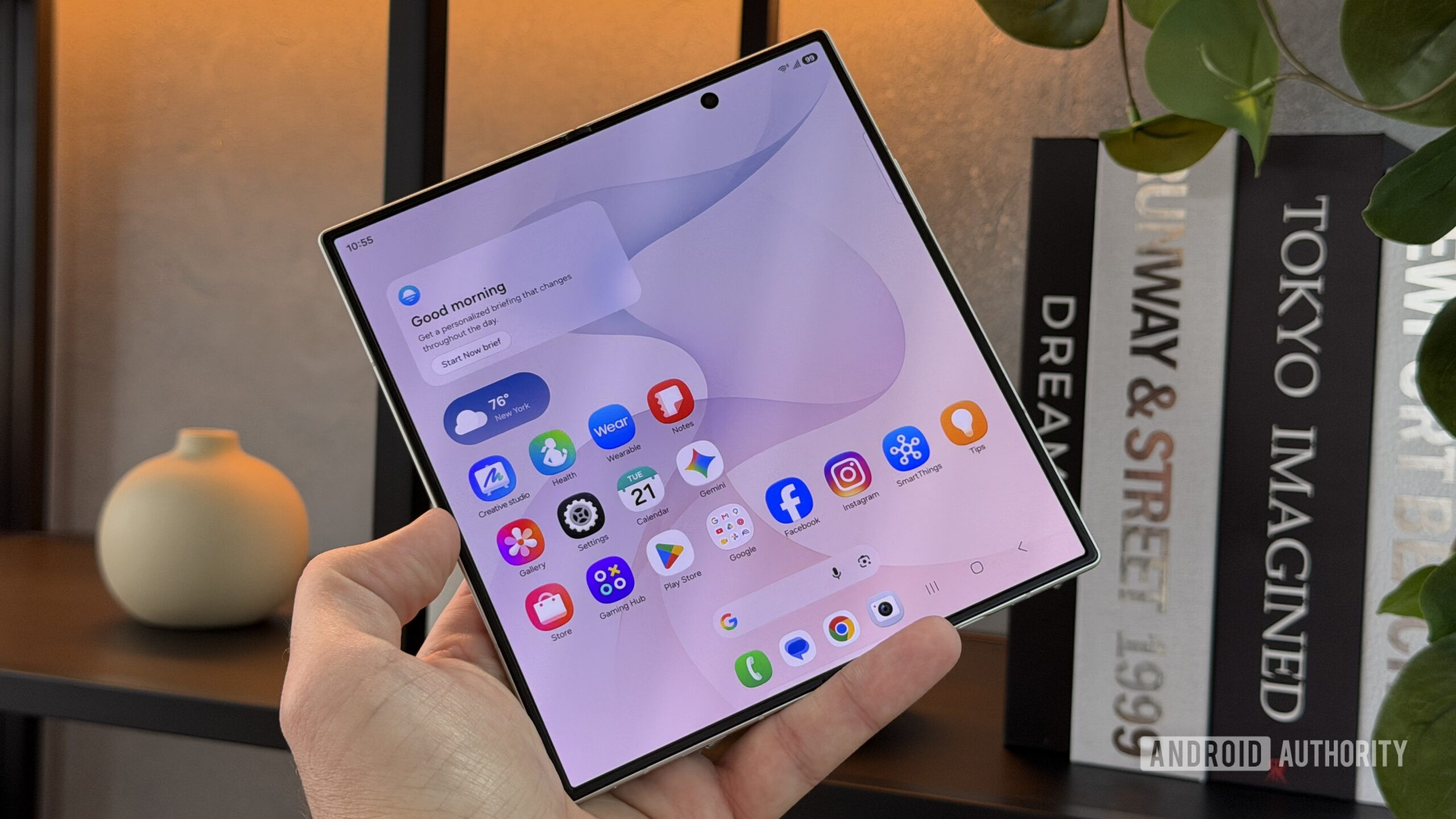
Even in the burgeoning foldable segment, which once promised a new frontier of smartphone design, 2026 has delivered incremental updates rather than revolutionary leaps. Samsung’s Galaxy Z Flip 8 and Galaxy Z Fold 8 Ultra, while maintaining their market leadership, have been described as largely unimpressive compared to their predecessors. Improvements have centered on marginal enhancements to screen durability, hinge robustness, and processor bumps, rather than significant breakthroughs in form factor, camera technology, or software optimization for the unique foldable paradigm. Compounding this issue is the continued upward trajectory of their pricing, making these niche devices even less accessible to a broader consumer base. The slow pace of innovation in foldables, combined with their premium cost, indicates that this segment is still some distance from achieving mainstream appeal, especially when competing against increasingly capable traditional smartphones.
The Broader Landscape: OnePlus and Apple
The landscape extends beyond these examples. While Apple traditionally maintains tighter control over its product narratives, its annual iPhone releases have also followed a predictable pattern of iterative improvements in recent years, focusing on chip performance and camera enhancements rather than radical design overhauls. Elsewhere, the dynamic player OnePlus, once celebrated for disrupting the US market with its "flagship killer" philosophy, has seen its "honeymoon period" conclude. Analysts suggest that OnePlus’s integration into Oppo’s ecosystem, coupled with a shift towards more conventional pricing and product strategies, has diluted its unique appeal, leaving a void for genuinely disruptive alternatives.
The Consumer Shift: Longer Upgrade Cycles and Value Perception
A crucial factor contributing to the industry’s predicament is the evolving behavior of consumers. Data from recent surveys indicates a significant shift away from annual or biennial smartphone upgrades. A proprietary poll revealed that over 44% of respondents now retain their smartphones for three to five years, while an additional 28% extend this ownership period beyond five years. This contrasts sharply with historical trends where two-year contract cycles often dictated upgrade patterns.
This extended ownership is driven by several convergent factors. Firstly, modern smartphones, even mid-range models, are sufficiently powerful to handle the vast majority of daily tasks, from social media and web browsing to casual gaming and productivity applications. The "good enough" phenomenon means that the marginal performance gains of a new processor or a slightly improved camera are often imperceptible to the average user. For instance, devices like the CMF Phone 2 Pro, acquired at a competitive sale price, can deliver 95% of the functionality of a flagship device for general usage, effectively challenging the value proposition of premium upgrades.
Secondly, the longevity of software support has become a major deterrent to frequent upgrades. Manufacturers like Samsung and Google now offer six to seven years of OS and security updates for their recent flagship launches. This extended support ensures that devices remain compatible with the latest applications and maintain critical security protocols, eliminating a primary reason for premature upgrades. Apple has historically led in this area, and the industry’s adoption of longer software lifecycles has significantly enhanced the perceived lifespan of devices across the board.
Furthermore, the vast majority of popular Android applications and games do not demand the absolute latest hardware to run optimally. Casual games like Candy Crush Saga or Roblox, which consistently rank among the most downloaded apps globally, perform adequately on chipsets several generations old. The marketing emphasis on "X% better CPU and GPU performance" often translates into negligible real-world benefits for the average user, creating a disconnect between technological advancements and practical utility. Moreover, many advanced features embedded within System-on-Chips (SoCs) frequently go underutilized or ignored by manufacturers, who may prefer to promote their proprietary software solutions or simply lack the resources to fully integrate every new capability.
Re-evaluating the Annual Launch Cycle: A Path Forward
The current annual launch cycle appears increasingly unsustainable and counterproductive. The smartphone industry could draw valuable lessons from sectors like the camera industry, where new models typically follow a two-to-four-year release schedule. This extended cycle allows for more substantial technological advancements, fostering genuine innovation rather than iterative updates.
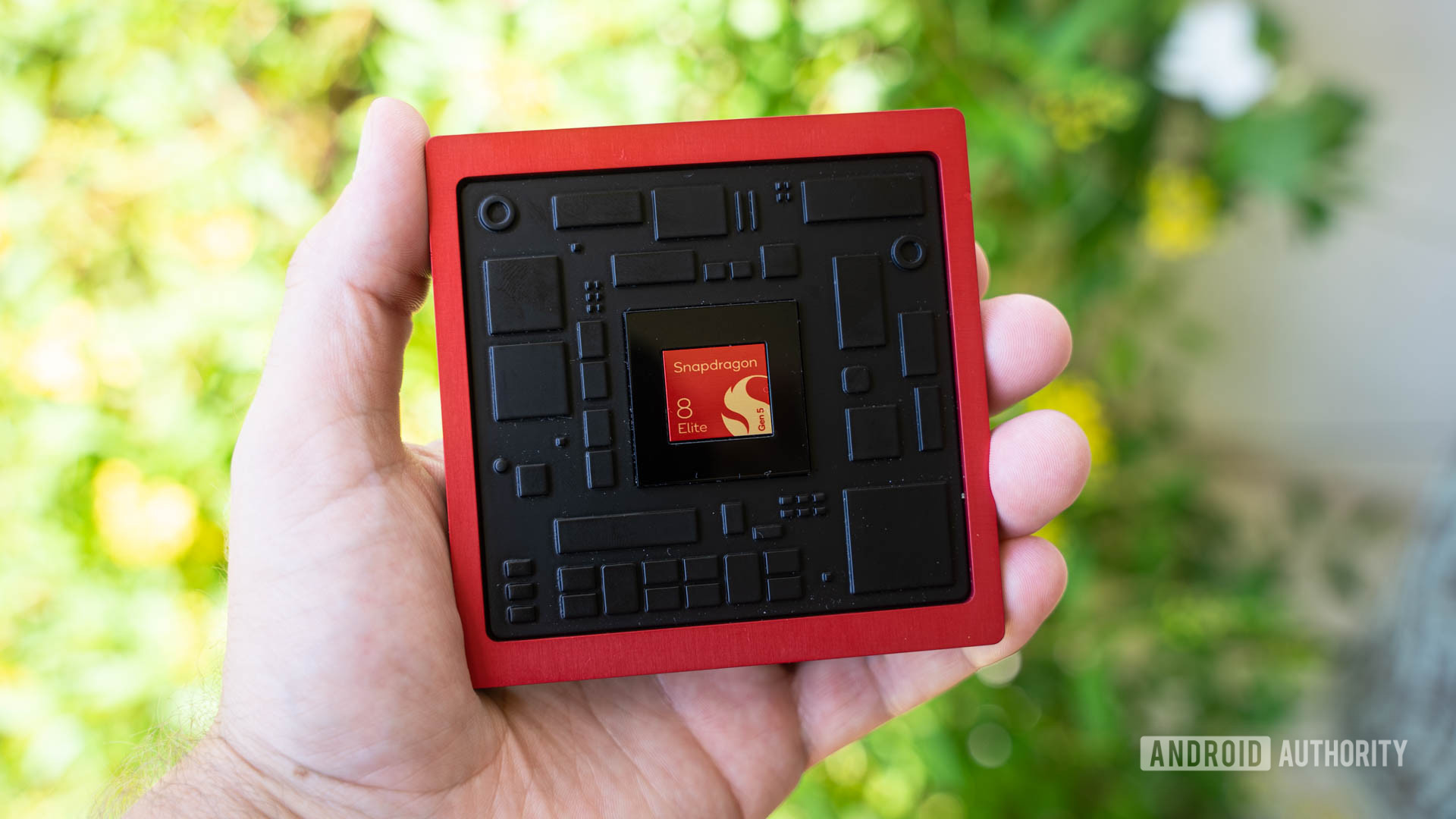
Adopting a longer release cycle could offer numerous benefits to manufacturers. It would provide more time for research and development, enabling the delivery of truly meaningful hardware upgrades that genuinely enhance user experience. Software refinement could become a priority, ensuring that devices launch with polished, stable experiences rather than relying on post-launch updates to fix critical bugs or introduce promised features. Processor manufacturers could focus on developing more efficient and innovative architectures, moving beyond simple die shrinks and clock speed boosts.
The immense marketing expenditure associated with annual product launches is another area ripe for re-evaluation. Redirecting these significant financial resources towards core product development, customer support, or long-term sustainability initiatives could yield far greater returns and build stronger brand loyalty.
However, breaking free from the ingrained annual cycle presents significant challenges. In the current delicate economic climate, characterized by low demand and high component costs, manufacturers may be hesitant to deviate from established practices, fearing a loss of market visibility or competitive disadvantage if rivals continue with annual releases. The industry is trapped in a collective action problem, where the benefits of a shift are clear, but the risk of being the first to move is substantial.
Glimmers of Hope and Future Prospects for 2026
Despite the overarching narrative of stagnation, 2026 is not entirely devoid of potential excitement. Upcoming releases, such as the Google Pixel 11 series and Apple’s iPhone 18 series, still hold the promise of noteworthy developments. The rumored "Pixel Glow" feature on the Pixel 11 series, potentially reintroducing customizable notification lights, could be a welcome revival of a beloved, albeit simple, user interface element, making phones more personable and functional. Furthermore, anticipation surrounds Apple’s potential entry into the foldable market with the rumored "iPhone Ultra." This device could inject much-needed competition and innovation into the foldable segment, challenging Samsung’s established form factors and potentially setting new benchmarks for software integration and ecosystem support.
While these prospective launches offer glimmers of hope, they represent specific instances of innovation rather than a systemic shift. The smartphone industry remains at a critical juncture. The prevailing annual launch cycle, once a catalyst for rapid progress, now appears to be a straitjacket, hindering genuine innovation and contributing to consumer fatigue. A fundamental re-evaluation of product development and release strategies is imperative for the industry to regain its dynamism and continue inspiring both users and critics alike. The future success of smartphone manufacturers may well depend on their courage to break from tradition and prioritize truly meaningful advancements over predictable, incremental updates.