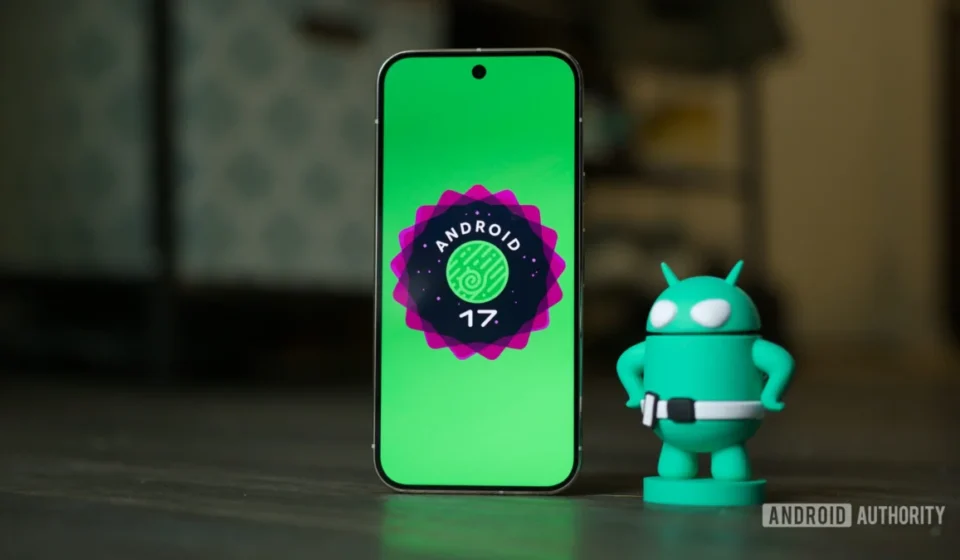
Android 17 QPR2 Beta 2 Released, Continues Phased Rollout and Ends Support for Pixel 6 Series

Google has officially launched Android 17 QPR2 Beta 2, marking another significant step in the ongoing development cycle for its quarterly platform releases. This latest build, made available to eligible testers, follows closely on the heels of last week’s Android 17 QPR1 Beta 8 and arrives just two weeks after the initial QPR2 Beta 1. The release underscores Google’s commitment to refining the Android 17 experience, preparing for its next stable quarterly update. However, this rollout also brings a notable change for a segment of the Android user base: the Pixel 6 and Pixel 6 Pro devices are no longer supported, signaling the end of their official update lifecycle as they approach their fifth anniversary.
Understanding Android Quarterly Platform Releases (QPRs)
To fully appreciate the significance of Android 17 QPR2 Beta 2, it is essential to understand the framework of Google’s Quarterly Platform Releases (QPRs). QPRs represent a crucial phase in the Android operating system’s annual development and maintenance cycle. Unlike the major annual Android releases, which introduce groundbreaking features and fundamental architectural changes (e.g., the transition from Android 16 to Android 17), QPRs are designed to deliver incremental improvements, bug fixes, performance optimizations, and sometimes minor feature enhancements to the stable version of Android already deployed. These quarterly updates ensure that the user experience remains fresh, secure, and highly functional between the major annual revisions.
The QPR process typically involves a series of beta builds before a stable release. These beta programs serve as a vital feedback mechanism, allowing developers and enthusiasts to test new features and identify potential issues in a real-world environment. This collaborative approach significantly contributes to the overall stability and polish of the final public release. QPRs are usually named sequentially within the Android version they belong to, with QPR1 typically arriving in the first quarter after the major Android release, QPR2 in the second, and QPR3 in the third, before the next major Android version’s development cycle takes full swing. For Android 17, the QPR2 series is slated to culminate in a stable public release later in the fourth quarter, solidifying the platform’s performance and security ahead of future advancements.
The Android 17 Development Cycle: A Chronological Overview
The journey to Android 17 QPR2 Beta 2 has been a carefully orchestrated process, spanning several months of intense development and testing. The typical Android release cycle commences with Developer Previews, usually in late winter or early spring, offering a preliminary look at upcoming features and API changes for app developers. These early builds are critical for ensuring application compatibility and allowing developers to adapt their software to the evolving platform.
Following the Developer Previews, Google transitions to a series of Beta releases. These builds are more stable than the Developer Previews and are made available to a wider audience through the Android Beta Program. For Android 17, this phase likely began around spring, with subsequent beta builds refining the core operating system, addressing bugs, and introducing features incrementally. The stable release of Android 17 would then typically occur in late summer or early autumn, marking the general availability of the new operating system for Pixel devices and subsequently for other Android OEMs.
Post-stable release, the focus shifts to the QPRs. Android 17 QPR1 would have been the first major post-release update, likely undergoing its own beta phase before a stable rollout. The recent Android 17 QPR1 Beta 8, which concluded testing for the first quarterly release, signifies the meticulous nature of Google’s update strategy. Now, with Android 17 QPR2 Beta 1 having launched two weeks prior, and the subsequent release of Beta 2, Google is actively preparing the next wave of refinements. This chronology demonstrates a continuous cycle of innovation, testing, and deployment, designed to deliver a robust and evolving Android experience to users worldwide.
Delving into QPR2 Beta 2: Initial Observations and Expectations
The release of Android 17 QPR2 Beta 2 is primarily aimed at enhancing the stability and performance of the Android 17 operating system, with a specific focus on preparing for the stable Q4 release. While Google’s official release notes for QPR2 Beta 2 did not detail specific bug fixes or new features, this is not an uncommon practice during beta phases. Often, early beta builds, particularly subsequent ones in a series, focus on internal stability improvements, underlying code optimizations, and patching critical vulnerabilities that might not be publicly disclosed immediately.
The official documentation’s curious labeling of QPR2 Beta 2 as another "July release," despite its actual availability in a later month, could be an internal versioning artifact or a placeholder. Such minor discrepancies are sometimes observed in beta programs and are usually rectified in subsequent builds or the final stable release. For testers, the primary objective is to evaluate the overall system stability, battery performance, and the seamless operation of core functionalities and installed applications.
One particular issue that the testing community is keenly watching for a resolution is the "weird Pixel date bug" that surfaced during previous beta iterations. While the exact nature of this bug has varied in reports, it typically involves incorrect date displays in system UI elements, calendar applications, or notification timestamps, leading to user confusion and potential disruption. Addressing such foundational bugs is paramount for Google, as they can significantly impact the user experience, even if they don’t directly compromise system security or functionality. The expectation is that QPR2 Beta 2, or a subsequent beta build, will incorporate fixes for such pervasive issues, leveraging the feedback gathered from the extensive beta testing community.
The Phasing Out of Pixel 6 and 6 Pro Support: Implications for Users
A significant development accompanying the release of Android 17 QPR2 Beta 2 is the confirmation that the Pixel 6 and Pixel 6 Pro will no longer receive official beta builds or subsequent stable updates. This decision aligns with Google’s established update policy for these specific devices, which guaranteed five years of security updates and three years of major Android version updates from their initial release. As the Pixel 6 series was launched in late 2021, these devices are approaching their fifth anniversary, thus naturally reaching the end of their promised support window prior to QPR2’s stable release.
The cessation of official software support carries several critical implications for owners of the Pixel 6 and Pixel 6 Pro:
- Security Vulnerabilities: The most pressing concern is the eventual exposure to unpatched security vulnerabilities. Without ongoing security updates, these devices will become increasingly susceptible to new threats, malware, and exploits, potentially compromising user data and privacy.
- Lack of New Features: Users will miss out on new features, performance enhancements, and user interface refinements introduced in future Android versions and QPRs. This could lead to a gradually diminished user experience compared to newer devices.
- App Compatibility: While applications will continue to function for some time, eventually, newer apps or updates to existing apps may require newer Android versions, leading to compatibility issues or degraded performance.
- Resale Value: The lack of ongoing software support can negatively impact the resale value of these devices, as buyers typically prefer phones with guaranteed updates.
For affected users, several pathways are available. The most straightforward option is to upgrade to a newer Pixel device, such as the Pixel 7, 8, or future models, which come with extended update commitments. For instance, the Pixel 8 series boasts an impressive seven years of software support, significantly extending device longevity. Alternatively, users may consider exploring third-party custom ROMs, such as LineageOS, which often provide extended software support and newer Android versions for older devices. However, this path typically requires technical proficiency and may involve risks such as voiding warranties or encountering device instability. Finally, users can continue to use their Pixel 6 or 6 Pro, but with a heightened awareness of the security risks and the understanding that the device’s functionality and security will gradually degrade over time. This decision underscores the importance of considering a device’s software support lifecycle when making a purchase.
The Android Beta Program: Fostering Community and Driving Quality
The Android Beta Program stands as a cornerstone of Google’s software development strategy, playing a pivotal role in ensuring the quality and stability of its operating system releases. It offers a unique opportunity for enthusiasts, developers, and power users to get a preview of upcoming Android versions and quarterly updates before their official public release. By registering an eligible device, participants can receive over-the-air (OTA) updates for beta builds, contributing directly to the refinement process.
The program’s primary objective is to gather widespread feedback and identify bugs or performance issues that might not be apparent during internal testing. Tens of thousands, if not hundreds of thousands, of beta testers across diverse hardware configurations and usage patterns can uncover edge cases and critical bugs far more effectively than any internal team. This crowd-sourced quality assurance accelerates the development cycle and leads to a more robust and polished final product.
While participation offers early access to new features, it also comes with inherent risks. Beta builds are, by definition, pre-release software and can be unstable. Users may encounter unexpected crashes, app incompatibilities, reduced battery life, or even data loss in rare cases. Google advises participants to back up their data regularly and to understand the implications of running pre-release software on their primary device. The feedback mechanism, typically through built-in reporting tools and dedicated forums like Reddit’s r/android_beta, allows testers to submit bug reports, suggest improvements, and engage in discussions with Google’s development team. This symbiotic relationship between Google and its beta community is instrumental in the continuous evolution of Android, ensuring that each stable release is as refined and reliable as possible.
Expected Features and General Improvements in QPR2
While the release notes for QPR2 Beta 2 are currently sparse on specific feature announcements, the general trajectory of QPRs provides insight into what users can anticipate from the stable QPR2 release. Quarterly Platform Releases typically focus on a blend of performance enhancements, battery life optimizations, and subtle refinements to the user interface and experience.
Users can generally expect:
- Performance Enhancements: Under-the-hood optimizations to improve app launch times, system responsiveness, and overall fluidity. This might involve tweaks to task scheduling, memory management, and rendering pipelines.
- Battery Life Optimizations: Continuous efforts to extend battery life through more efficient background process management, display power consumption adjustments, and improvements to idle modes.
- Minor UI/UX Tweaks: While not revolutionary, QPRs often introduce small but impactful changes to the user interface, such as redesigned toggles, updated animations, or enhanced notification controls, aimed at improving usability and aesthetic appeal.
- Security Patch Updates: A critical component of every QPR is the integration of the latest Android Security Bulletin patches, addressing newly discovered vulnerabilities and strengthening the device’s defenses against evolving cyber threats.
- Accessibility Improvements: Google consistently works on making Android more accessible for users with disabilities. QPRs often include refinements to features like TalkBack, Magnification, and various input methods.
- Under-the-Hood Developer API Changes: While not directly visible to end-users, QPRs can introduce minor API changes or updates to system libraries that benefit developers, enabling them to create more robust and feature-rich applications.
These incremental improvements, when combined, contribute significantly to the overall maturity and polish of the Android platform, ensuring that even between major annual updates, the operating system continues to evolve and meet the demands of its diverse user base.
Broader Implications for the Android Ecosystem
The continuous development and release of Android QPRs, including builds like QPR2 Beta 2, have far-reaching implications across the entire Android ecosystem.
For developers, these beta releases are crucial for proactive adaptation. App developers must test their applications against the latest beta builds to ensure compatibility, identify potential regressions, and take advantage of any new APIs or platform features. Early testing minimizes post-release issues and allows for timely updates to their apps, maintaining a seamless experience for users.
Other Android Original Equipment Manufacturers (OEMs), such as Samsung, OnePlus, Xiaomi, and others, closely monitor Google’s Android development cycle. While these manufacturers often apply their own custom skins and features on top of stock Android, the core QPR updates provide the foundation. OEMs typically incorporate these updates into their own software branches, then adapt them to their unique hardware and software interfaces. This process ensures that their devices benefit from Google’s latest security patches and performance improvements, even if their own updates arrive with a slight delay due to customization. The consistent flow of QPRs from Google helps maintain a baseline of security and functionality across the fragmented Android landscape.
The continuous evolution of Android through QPRs also speaks to Google’s long-term commitment to the platform. By providing regular, incremental updates, Google ensures that Android remains competitive, secure, and feature-rich. This strategy contrasts with a model of only releasing major annual updates, which could leave devices vulnerable or stagnate user experience for extended periods. The emphasis on extended software support for newer Pixel devices, exemplified by the Pixel 8’s seven-year commitment, signifies a growing trend towards greater device longevity, a move welcomed by consumers and beneficial for environmental sustainability.
In the broader competitive landscape with iOS, Google’s robust QPR strategy helps Android maintain parity in terms of software refinement and security. While iOS is known for its tightly integrated hardware and software experience, Android’s open nature and Google’s diligent update cycle ensure that it remains a powerful, flexible, and secure alternative, catering to a wider range of price points and user preferences globally. The ongoing refinement through QPRs is vital for sustaining Android’s dominant market share and ensuring its continued innovation.
Conclusion
The release of Android 17 QPR2 Beta 2 is more than just another software update; it is a testament to Google’s methodical approach to refining and securing the world’s most widely used mobile operating system. These incremental yet critical quarterly platform releases are indispensable for bridging the gap between major annual Android versions, delivering essential bug fixes, performance enhancements, and security patches that keep the ecosystem robust and user-friendly.
While the end of support for the Pixel 6 and Pixel 6 Pro serves as a poignant reminder of the finite lifecycle of electronic devices, it also highlights the rapid pace of technological advancement and Google’s evolving commitment to extended software support for newer hardware. The Android Beta Program remains a vital channel, harnessing the collective power of a global community to identify and resolve issues, thereby ensuring that each stable release is of the highest possible quality. As Android 17 moves closer to its stable QPR2 rollout, the continuous feedback loop between Google and its testers will ultimately shape a more stable, secure, and feature-rich experience for millions of users worldwide, reaffirming Android’s position at the forefront of mobile technology.