
The vibrant world of Roblox gaming continues to expand, with "Anime Origins" emerging as a prominent title that allows players to assemble teams of beloved anime characters. This popular game, which draws inspiration from a wide array of iconic anime series, presents players with a vast roster of playable units. To aid players in strategizing and optimizing their in-game performance, a comprehensive tier list has become an essential tool. This analysis delves into the current ranking of these characters, exploring their strengths, the mechanics of acquiring new units, and the strategic importance of character progression within the game’s ecosystem.
The Genesis of Anime Origins and its Competitive Landscape
"Anime Origins" taps into the immense popularity of anime franchises, allowing players to inhabit the roles of characters from series like Dragon Ball, Naruto, One Piece, and others, albeit with uniquely adapted names and abilities to fit the game’s original narrative. The game’s core loop revolves around collecting, upgrading, and deploying these characters in strategic battles. The introduction of a tier list reflects the inherent competitive nature of such games, where players strive to identify the most potent combinations and individual units to achieve victory and ascend the in-game leaderboards.
The development of "Anime Origins" can be seen as part of a broader trend within the Roblox platform, which has seen user-generated games achieve massive success by leveraging popular intellectual properties and engaging gameplay mechanics. The gacha system, a common feature in many mobile and online games, is central to the acquisition of new characters in "Anime Origins." This system, while offering the thrill of chance, also necessitates a strategic approach to resource management and character selection, making tier lists invaluable for informed decision-making.
Understanding the Anime Origins Tier System
The tier list for "Anime Origins" categorizes characters into distinct ranks, from the highest (SS) to the lowest (C). This classification is typically based on a combination of factors, including raw power, special abilities, team synergy, and overall effectiveness in various game modes. Developers or the community often compile these lists based on extensive gameplay data, player feedback, and expert analysis.
SS Tier: The Pinnacle of Power
At the apex of the Anime Origins hierarchy reside the SS-tier characters. These are the units that consistently demonstrate exceptional performance, often dominating battles with their superior stats, game-changing abilities, or unparalleled synergy with other top-tier characters. Securing an SS-tier unit is a significant advantage, providing a substantial boost to any player’s team.
- Goki (Super): While the name strongly suggests a Saiyan powerhouse, "Super Goki" implies a transformed state, likely representing the character at their most potent. Such forms in anime are typically associated with exponential increases in power, making this unit a prime candidate for the top tier due to sheer offensive capabilities.
- Gyutari: This character’s presence in the SS tier suggests formidable offensive or defensive prowess. Without specific lore context within the game, it’s reasonable to infer that Gyutari possesses abilities that can significantly impact the flow of battle, whether through devastating attacks or robust defensive maneuvers.
- Valcrad: Similar to Gyutari, Valcrad’s SS-tier placement indicates exceptional utility. This could manifest as powerful crowd control, significant buffs for allies, or a unique ability that disrupts enemy strategies.
S Tier: Elite Contenders

Just below the absolute elite, the S-tier characters represent a strong and reliable choice for any serious player. These units are highly effective and can often compete with, or even surpass, SS-tier characters in specific team compositions or against particular opponents.
- Itsoda, Toki, Tojei, Goju, Konpatchi, Roxi, Naroto, Vegita, Melio, Zeldo: This diverse group likely comprises characters with a balanced set of strengths. "Naroto" and "Vegita" are clear allusions to iconic anime protagonists, suggesting they possess well-rounded skill sets. The inclusion of multiple characters in this tier highlights the depth of powerful options available to players, offering flexibility in team building.
A Tier: Solid Performers
Characters in the A tier are dependable and can contribute significantly to a team’s success. While they may not possess the overwhelming power of SS or S-tier units, they often excel in specific roles or offer valuable support. With the right strategy and team synergy, A-tier characters can be highly effective.
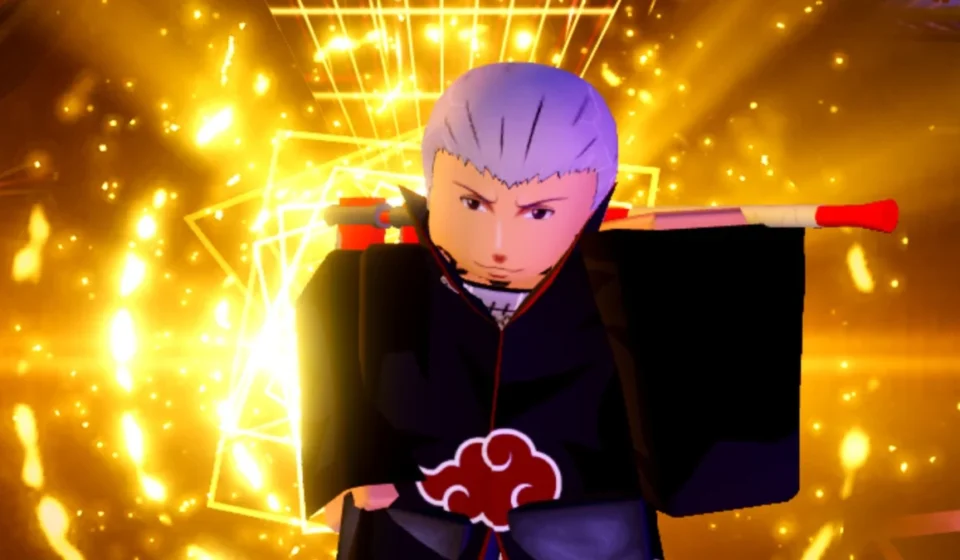
- Neli, Kengako, Choto, Kingo, Rose, Tranko, Itaki, Hido, Semanu, Aneko, Shinoru, Sosuke: This larger group indicates a good variety of viable options that players can utilize. Their placement suggests they might have more specialized roles or require more effort to maximize their potential compared to higher-tier units.
B Tier: Competent Choices
B-tier characters are capable of holding their own in battles, particularly in the earlier stages of the game or when paired with stronger units. They may have specific strengths that can be exploited, but generally, they are outclassed by higher-tier characters in terms of raw power or versatility.
- Itsumaru, Shanji, Niji, Dionne, Noriba, Leo, Pikalo, Meywa, Nezaki, Bolthunder, Tango, Kashi, Bluma: The presence of a significant number of characters in this tier suggests that players will likely encounter and utilize these units frequently as they progress. Mastering their abilities and finding optimal team compositions can still lead to success.
C Tier: Situational or Early-Game Units
C-tier characters are typically considered the weakest or most situational units in the game. They may have niche uses or be more effective in the very early game before players acquire higher-tier characters. Often, these units require significant investment and strategic support to be competitive.
- Itsugo, Sosuke (Kid), Tadori, Goki, Ganyu, Kohan, Blossom, Rukiu, Krillo, Salmon, Naroto (Kid), Zonitsu, Jinboo: The inclusion of "Kid" versions of characters like Sosuke and Naroto often signifies less powerful, early-game iterations. This tier represents the units that players are least likely to prioritize for end-game content but can serve as stepping stones or filler units.
The Mechanics of Acquisition: Gacha and Banners
"Anime Origins" employs a gacha system for character acquisition, a mechanic that has become ubiquitous in free-to-play games. Players access this system through in-game "banners," which are essentially pools of characters available for a limited time or with specific themes. To summon characters from these banners, players spend in-game currency, primarily "gems."

The game offers various rarity levels for units, ranging from Rare, Epic, Legendary, and Mythic, up to the elusive Secret rarity. Obtaining Secret rarity units is exceedingly difficult, requiring significant luck and often a substantial investment of in-game resources. To facilitate the acquisition of these coveted characters, developers often provide "reroll items" and "gems" through various means, including in-game codes. Players are encouraged to check dedicated guides for active "Anime Origins codes" to maximize their chances of obtaining desirable units.
Character Progression and Strategic Depth
Beyond simple acquisition, "Anime Origins" offers a robust character progression system designed to enhance the strategic depth of gameplay. Once players obtain new units, they can:
- Upgrade Units: This involves increasing their base stats through various in-game mechanics, such as leveling up or using specific enhancement materials.
- Roll for Traits: Traits are special modifiers that can be attached to units, providing unique passive bonuses or active abilities. The ability to "reroll" these traits allows players to customize their units further, seeking out the most beneficial combinations for their playstyle. This process often involves interacting with specific NPCs located in dedicated in-game areas, such as the "Evolve" building.
- Fuse Units: A common mechanic in many games of this genre, fusing allows players to combine multiple units to improve the stats or unlock new abilities of a primary unit. This adds another layer of resource management and strategic decision-making, as players must decide which units to invest in for fusion.
The Significance of Traits
Traits play a critical role in optimizing character performance. While each unit has a base set of stats and abilities, traits can significantly amplify their effectiveness or provide crucial utility. Players can equip two traits per unit, but only one can be active at any given time. This encourages careful selection and prioritization of traits based on the unit’s role and the overall team composition.
While specific trait names and effects are not detailed in the provided content, the emphasis on "best traits" suggests a meta that rewards strategic trait allocation. The advice to prioritize legendary or higher rarity traits indicates that these offer the most substantial benefits, making their acquisition and rerolling a key aspect of end-game progression. The potential for a "stack of items" to facilitate rerolls further underscores the importance of this mechanic for dedicated players.
Broader Implications for the Roblox Gaming Ecosystem
The success of "Anime Origins" and similar titles underscores the evolving landscape of gaming on platforms like Roblox. The ability to leverage popular intellectual properties, combined with engaging gameplay loops and robust progression systems, creates a potent formula for attracting and retaining a large player base. The reliance on gacha mechanics and the subsequent need for tier lists and optimization guides highlight the complex economies and strategic considerations that are becoming standard in modern free-to-play gaming.
The continuous development and updates to games like "Anime Origins," including the introduction of new characters, banners, and game modes, ensure a dynamic and evolving player experience. This constant flux means that tier lists are not static but rather living documents that require regular updates to reflect the current meta. Players who actively engage with these resources, understand the underlying game mechanics, and strategically manage their in-game resources are best positioned to achieve success and enjoy the full depth of "Anime Origins." The game’s appeal lies not just in collecting favorite characters but in the strategic challenge of assembling the ultimate team and mastering the art of combat within its anime-inspired universe.