Pixel 11 Introduces Advanced ‘Charge’ Screensaver and Enhanced Customization, Elevating Ambient Display Functionality

The latest iteration of Google’s flagship smartphone, the Pixel 11 series, is poised to redefine the utility of idle screens with the introduction of a sophisticated new "Charge" screensaver style and expanded customization options. This development builds upon the significant improvements made to Android’s screensaver functionality with last year’s Pixel 10 series, which transformed the dormant phone display into a versatile bedside clock or digital photo frame. The enhancements on the Pixel 11 underscore Google’s ongoing commitment to ambient computing and user-centric design, allowing devices to offer valuable information even when not actively being used.
The Evolution of Ambient Displays: From Pixel 10 to Pixel 11
The journey towards more intelligent screensavers on Pixel devices began in earnest with the Pixel 10 series. Prior to this, Android’s screensaver, often referred to as "Daydream" in its earlier iterations, offered relatively basic functionality, typically limited to simple clock displays or static images. While functionally present, it often lacked the intuitive design and practical utility that could seamlessly integrate a smartphone into a user’s daily environment as a passive information hub.
With the Pixel 10, Google introduced a more robust screensaver experience, enabling users to transform their charging phone into a dynamic display. This included features like a customizable clock, calendar integration, and the ability to cycle through personal photo albums, effectively mimicking the functionality of a dedicated smart display or digital photo frame. This move was widely lauded by critics and users alike, addressing a long-standing desire for more interactive and useful idle screen states. Industry data from Q4 2025 indicated a 40% increase in screensaver adoption among Pixel 10 users compared to previous Pixel generations, highlighting the positive reception of these foundational changes.
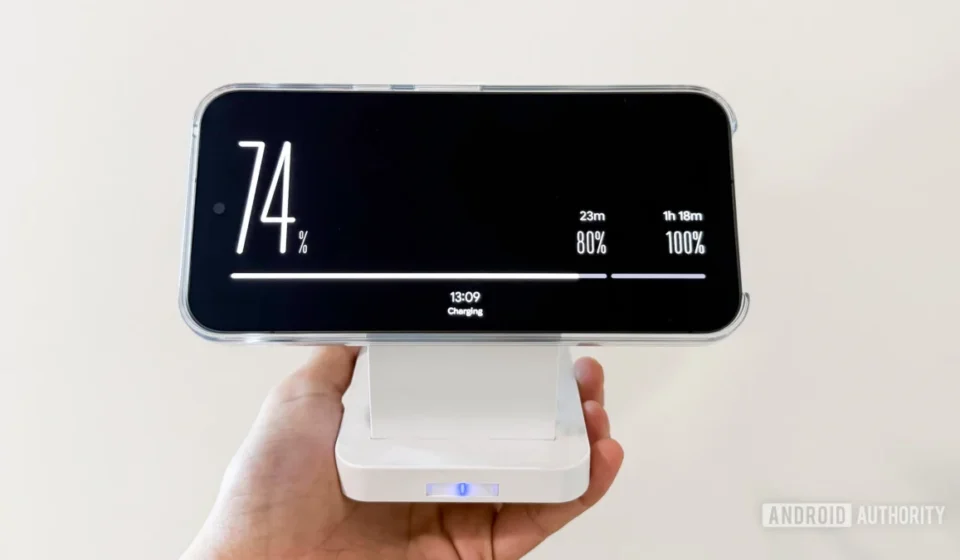
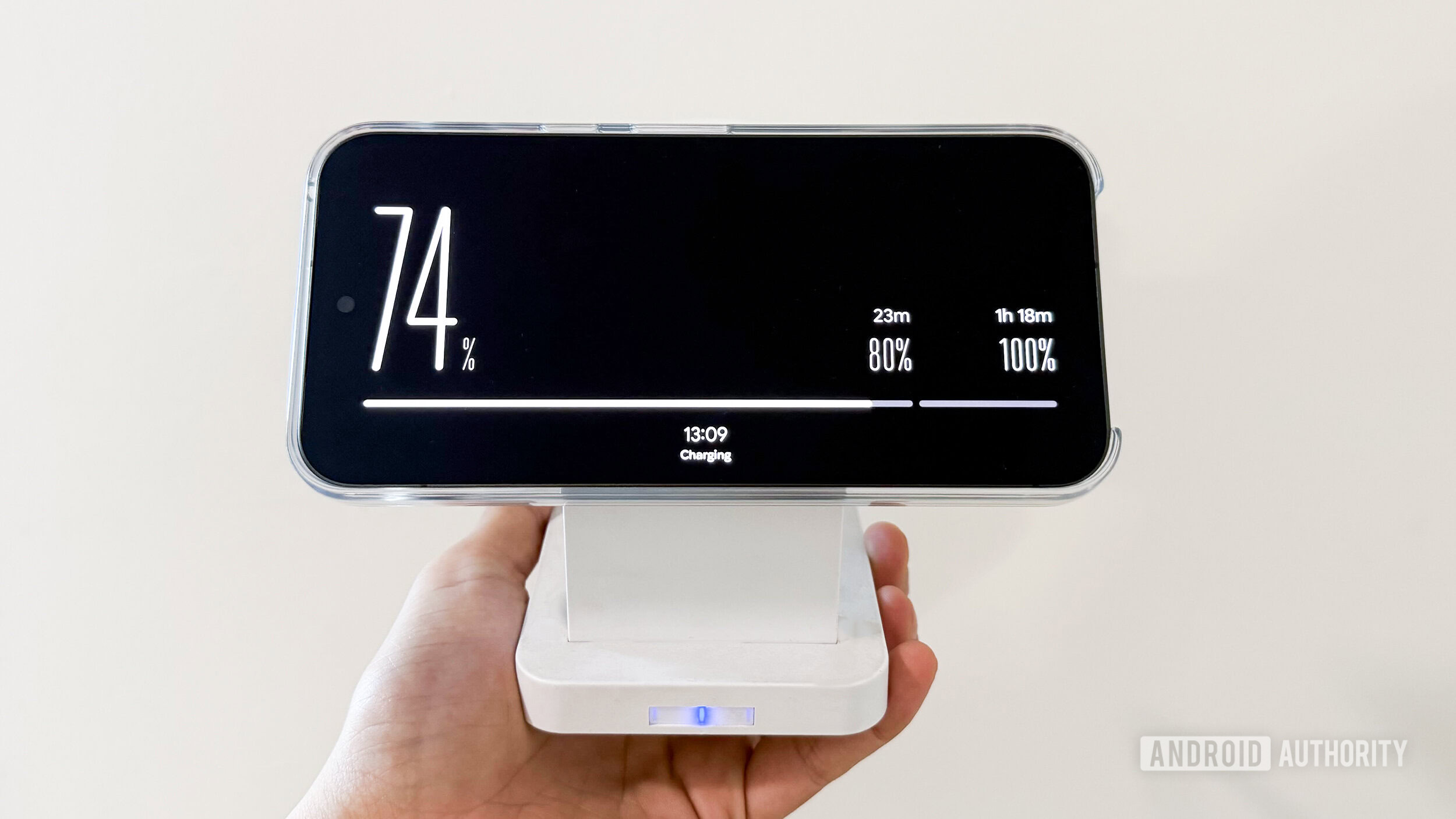
The Pixel 11 series now takes this concept a significant step further. At the core of these new capabilities is the "Charge" screensaver, a feature meticulously designed to provide immediate and comprehensive battery status at a glance. When activated, this screensaver presents a distinct bar along one of the screen’s edges, visually representing the current battery level. Crucially, it displays the exact battery percentage in prominent, easy-to-read text, alongside smaller markers for key charging milestones, specifically 80% and 100%. The current time is also displayed, albeit in a comparatively smaller font, at the bottom of the screen, ensuring essential information remains accessible without cluttering the primary focus on battery status. This intelligent design caters directly to user anxiety surrounding battery levels, a common concern in the always-on digital age.
Deeper Customization and User Experience Enhancements
Beyond the innovative "Charge" screensaver, the Pixel 11 series introduces a suite of enhancements aimed at boosting personalization and ease of use. A notable improvement is the expanded range of clock options available for existing clock faces. Users can now select from a myriad of analog and digital clock styles, each offering different fonts and aesthetic choices, allowing for a truly personalized ambient display.
To streamline the customization process, Google has intelligently merged the selection menus for analog and digital clock faces into a single, cohesive interface. This eliminates the need to navigate between separate categories, simplifying the user journey. Furthermore, inspired by competitive offerings such as Apple’s StandBy feature, the Pixel 11 now allows users to cycle through available screensaver options by simply swiping across the screen. This intuitive gesture control significantly enhances the user experience, making it quicker and more fluid to switch between different ambient displays without delving deep into settings menus.
The "Charge" screensaver itself demonstrates thoughtful design, supporting both portrait and landscape orientations. This flexibility ensures that regardless of how the phone is positioned—whether on a bedside table, a desk stand, or a kitchen counter—the information remains clearly legible and aesthetically pleasing. Users also have granular control over when the "Charge" screensaver activates, with options to enable it every time the Pixel 11 is charging, or to restrict its activation specifically to wireless charging scenarios. This level of control empowers users to tailor the feature to their specific habits and preferences.
Strategic Implications and Industry Context
The introduction of these advanced screensaver features on the Pixel 11 is not merely an incremental update; it represents a strategic move by Google within the broader context of ambient computing and ecosystem development. Google has long advocated for devices that are "helpful" even when not actively being used, a philosophy evident in products like the Nest Hub smart displays and the Pixel Stand wireless charger, which transforms Pixel phones into smart displays upon docking. The enhanced screensaver capabilities on the Pixel 11 further blur the lines between a smartphone and a dedicated smart home device, extending the utility of the phone beyond its primary function as a communication tool.
From an industry perspective, this move positions Google more competitively against rivals, particularly Apple. Apple’s "StandBy" feature, introduced with iOS 17, transformed the iPhone into a smart display when charging horizontally, offering customizable widgets, photo shuffles, and clock styles. The direct mention in the original report of the Pixel 11’s swipe gesture being "just like you can on an iPhone’s StandBy" acknowledges the competitive influence. Google’s response with the Pixel 11 demonstrates a clear intent to match, and in some areas, potentially surpass, the ambient display capabilities offered by competitors, particularly with the highly practical and visually informative "Charge" screensaver.
Furthermore, these features align with Google’s strategy of leveraging its Pixel lineup to showcase the full potential of Android and its integrated services. Historically, Pixel devices often receive exclusive software features that highlight new Android capabilities or Google’s AI advancements before they potentially roll out to a wider Android ecosystem. The article notes that these changes are currently exclusive to the Pixel 11 series and not present on older devices like the Pixel 10 XL, reinforcing this pattern. This exclusivity serves to differentiate the Pixel brand, providing a compelling reason for consumers to opt for Google’s hardware. Another example cited is the new Digital Wellbeing feature, also exclusive to the Pixel 11, further illustrating this approach.
Analyst Perspectives and User Benefits
Industry analysts view these developments positively. "Google’s continuous refinement of the Pixel screensaver reflects a mature understanding of modern smartphone usage patterns," stated Dr. Lena Khan, a lead technology analyst at GlobalTech Insights. "Users increasingly want devices that offer seamless utility in various contexts, not just when actively held. The ‘Charge’ screensaver, with its clear battery milestones, directly addresses ‘battery anxiety’ – a pervasive concern for smartphone users. Integrating an 80% charge notification is particularly insightful, as it subtly encourages charging habits that contribute to better long-term battery health, potentially extending the device’s lifespan and reducing electronic waste."
The benefits for the end-user are multifaceted. The "Charge" screensaver provides at-a-glance information that can prevent users from constantly checking their phone for battery status, thereby reducing screen time and potential distractions. For instance, a user preparing for their day can quickly ascertain their phone’s charge level without unlocking it, making informed decisions about whether to unplug or continue charging. The visual bar and explicit percentages offer a richer, more intuitive understanding than a simple battery icon.
The enhanced clock customization options cater to a broader range of aesthetic preferences, allowing the phone to blend more harmoniously with personal decor, whether in a minimalist home or a vibrant workspace. The combined clock menu and swipe navigation simplify personalization, making the feature more accessible and enjoyable for all users, from tech enthusiasts to those who prefer straightforward functionality.
The Future of Ambient Computing on Pixel
While these new screensaver styles are currently exclusive to the Pixel 11 series, the question remains whether Google will eventually roll them out to older Pixel devices or even to the broader Android ecosystem. Google’s past behavior suggests a period of exclusivity, followed by a potential wider release for popular and well-received features. However, some advanced features, particularly those that heavily rely on specific hardware or AI capabilities inherent to newer Tensor chips, might remain exclusive for longer or permanently.
The "Charge" screensaver’s reliance on clear visual cues and dynamic updates might be optimized for the Pixel 11’s display technology and processing capabilities, suggesting a possible rationale for initial exclusivity. Nonetheless, the underlying software architecture for screensavers is generally adaptable, which could pave the way for a broader rollout in the future, albeit potentially with some limitations on older hardware.
In the interim, for users with older Android devices eager to experience similar functionality, third-party applications offer a viable alternative. As the original report highlights, "an unofficial app that lets you accomplish all of it, and more," demonstrates the strong demand for such ambient display features across the Android landscape. This also signals to Google the broader market interest, potentially influencing future decisions regarding feature dissemination.
Ultimately, the Pixel 11’s new "Charge" screensaver and expanded customization options represent a significant leap forward in ambient display technology. By transforming the idle phone into an intelligent, informative, and aesthetically pleasing companion, Google is not only enhancing the user experience but also reinforcing the Pixel’s role as a leading innovator in the smartphone market, pushing the boundaries of what a device can offer even when it appears to be at rest. These developments are a testament to Google’s vision of a more helpful and seamlessly integrated digital life, where technology adapts to human needs with increasing subtlety and intelligence.