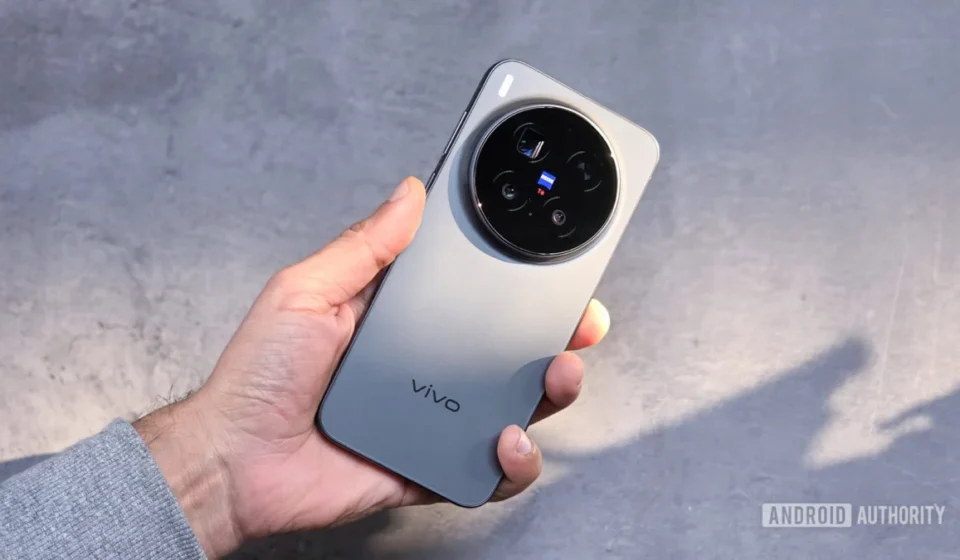
Vivo X500 Series Poised to Redefine Mobile Videography with Groundbreaking Camera Technology

Vivo, a leading global smartphone manufacturer, is gearing up to launch its X500 series, a lineup poised to significantly elevate mobile videography capabilities, according to recent statements from the company. Han Boxiao, Vivo’s product manager, revealed in a Weibo post that while previous Vivo devices have excelled in phone photography, the upcoming X500 series is specifically engineered to "take mobile video to another level." This ambitious declaration follows the impressive performance of the Vivo X300 Pro earlier this year, which reportedly surpassed the iPhone 17 Pro in video capabilities, setting a high bar for its successor. The X500 series is anticipated to build upon this foundation, introducing a suite of advanced hardware and software innovations designed to deliver professional-grade cinematic quality directly to users’ pockets.
The Dawn of Ultra Dynamic Camera: A New Benchmark for Mobile Sensors
At the core of the X500 series’ photographic prowess lies a revolutionary custom sensor, tentatively named the "Phantom 500" (based on initial translations). This "Ultra Dynamic Camera" is the result of a significant collaborative effort between Vivo, ZEISS, and Sony, three powerhouses in optics and imaging technology. The headline feature of this new sensor is its unprecedented ability to support 17 stops of dynamic range, a figure previously unattainable in smartphone cameras. Dynamic range refers to the ratio between the brightest and darkest parts of an image that a camera can capture, and a higher dynamic range means greater detail retention in both highlights and shadows. For context, many professional cinema cameras aim for 14-15 stops of dynamic range, making 17 stops in a smartphone a truly remarkable achievement.
This technological leap is believed to be closely linked to Sony’s recent advancements in sensor technology, specifically the LYT-910 LOFIC (Laterally Overflown Integration Capacitor) sensor. Launched earlier this year, the LYT-910 LOFIC sensor is known for its ability to achieve 17 EV (Exposure Value) stops, indicating that the Phantom 500 could be a customized or adapted version tailored specifically for Vivo’s imaging pipeline and computational photography algorithms. The implications of such a high dynamic range are profound. Users will be able to capture intricate details even in challenging lighting conditions, such as a person’s face illuminated by a bright backlight, without losing detail in either the subject or the background. This capability extends equally to both still photography and video, promising a "cinematic quality frame by frame" that could democratize high-end video production.
Advanced Video Features: Redefining Smartphone Filmmaking
Beyond the groundbreaking sensor, the Vivo X500 Pro is set to introduce a suite of video recording capabilities that push the boundaries of what’s possible on a smartphone. One of the most significant upgrades is its support for 4K resolution recording at 120 frames per second (4K@120p) with High Dynamic Range (HDR). This marks a substantial improvement over its predecessor, the X300 Ultra, which offered 4K@120p but primarily with LOG profiles, requiring post-production grading for optimal results. The inclusion of HDR directly in 4K@120p recording simplifies the workflow for content creators, delivering richer colors and greater contrast straight out of the camera. The ability to shoot at 120 frames per second at 4K also offers immense flexibility for slow-motion effects, providing smooth, detailed footage when played back at standard frame rates.
Further solidifying its video credentials, the X500 Pro will reportedly be the first smartphone to support 4K resolution at an astounding 240 frames per second (4K@240p) for super slow-motion capture. This feature allows for incredibly detailed and fluid slow-motion sequences, opening up new creative possibilities for capturing fast-paced action or dramatic moments with stunning clarity. Until now, such high frame rates at 4K resolution were typically reserved for dedicated high-speed cameras or professional camcorders, making its inclusion in a smartphone a significant technical triumph.
Gimbal-Level Stabilization for Unmatched Smoothness
Another critical enhancement for videography in the X500 series is the adoption of CIPA 7.0 stabilization. CIPA (Camera & Imaging Products Association) standards are benchmarks for optical image stabilization performance in traditional cameras. Achieving CIPA 7.0 stabilization in a smartphone implies a level of shake reduction previously associated with dedicated gimbal stabilizers. This advanced stabilization technology is expected to provide exceptionally steady video footage, effectively eliminating unwanted shakes and jitters, even when shooting handheld or in motion. While the Vivo X300 Ultra featured a similar level of stabilization, it was primarily limited to its telephoto lens. With the X500 series, this advanced stabilization is expected to extend to the primary camera, offering gimbal-style stability across a broader range of shooting scenarios. This comprehensive stabilization will be a game-changer for capturing smooth, professional-looking videos without the need for additional bulky equipment, enhancing the user experience for casual users and aspiring filmmakers alike.
Broader System Enhancements: A Holistic Premium Experience
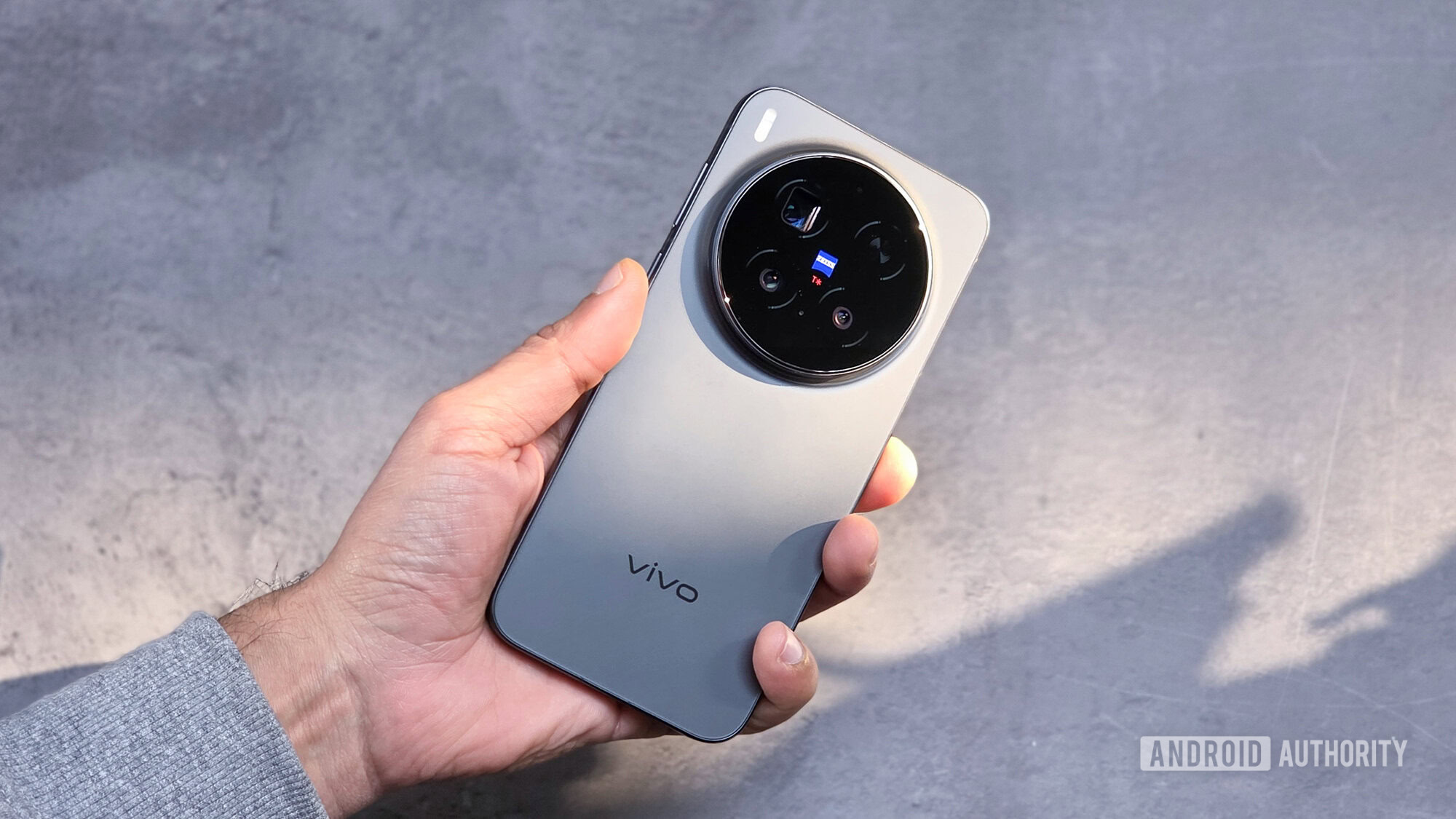
While the camera system is undoubtedly the highlight, Vivo’s product manager Han Boxiao also hinted at significant improvements across other core aspects of the X500 series. These include major upgrades to the display, overall performance, and the underlying operating system. While specific details on these elements are currently sparse, they are expected to be unveiled in the weeks leading up to the official launch.
In terms of performance, the X500 series is widely anticipated to feature a new flagship MediaTek Dimensity chip. MediaTek has made substantial strides in recent years, with its Dimensity series processors competing fiercely with Qualcomm’s Snapdragon offerings, particularly in areas like AI processing, gaming performance, and image signal processing (ISP). A new Dimensity chip would not only power the device’s general operations but also play a crucial role in processing the vast amounts of data generated by the advanced camera system, enabling real-time computational photography and video enhancements. The synergy between the custom sensor, ZEISS optics, Sony’s expertise, and a powerful MediaTek ISP will be crucial in delivering the promised "cinematic quality."
Display technology is another area earmarked for significant innovation. Previous leaks suggest that the Vivo X500 Pro could feature a display with "extremely narrow" bezels. This design trend is gaining traction across the smartphone industry, with competitors like OnePlus also reportedly aiming for ultra-narrow bezels in their upcoming OnePlus 16. A display with minimal bezels not only enhances the aesthetic appeal of the device but also provides a more immersive viewing experience, particularly beneficial for reviewing and editing the high-quality video content captured by the phone. Users can likely expect other premium display features such as high refresh rates (e.g., 120Hz or higher), high brightness levels, and potentially advanced color accuracy standards, all contributing to a top-tier visual experience.
Regarding the operating system, Vivo’s Funtouch OS (or OriginOS in China) is expected to receive significant updates, optimizing its interface and features to complement the new hardware. These OS improvements could include enhanced camera app functionalities, more intuitive video editing tools, and deeper integration with AI capabilities to improve user experience across the board. The seamless interplay between hardware and software is critical for delivering a cohesive and high-performance device, especially when pushing the boundaries of mobile imaging.
Market Context and Strategic Implications
The aggressive push into advanced videography by Vivo with the X500 series comes at a time when mobile content creation is booming. From professional filmmakers using smartphones for documentary shoots to casual users sharing high-quality moments on social media platforms, the demand for superior video capabilities in phones has never been higher. By focusing on features like 17-stop dynamic range, 4K@120p HDR, 4K@240p slow-mo, and CIPA 7.0 stabilization, Vivo is directly addressing the needs of this growing segment.
Vivo’s collaboration with ZEISS and Sony is a strategic move that leverages established expertise in optics and sensor technology. ZEISS, with its heritage in precision optics, contributes to lens design and image quality, while Sony, a dominant player in image sensors, provides the foundational hardware. This partnership allows Vivo to differentiate its products in a highly competitive market, offering features that standalone camera brands struggle to match in a compact form factor. The explicit comparison to and reported outperformance of the iPhone 17 Pro with the X300 Pro also indicates Vivo’s ambition to directly challenge Apple and Samsung, the traditional leaders in premium smartphone cameras.
The potential introduction of a "Pro Max" model, alongside the regular X500 and X500 Pro, suggests a tiered strategy to cater to different segments of the premium market. A Pro Max variant typically signifies a larger display, potentially a larger battery, and perhaps even more exclusive camera enhancements, appealing to users who demand the absolute best and are willing to pay a premium. This mirrors strategies employed by other major manufacturers, indicating Vivo’s commitment to capturing a significant share of the high-end smartphone market.
Looking Ahead: The Future of Mobile Imaging
The Vivo X500 series represents more than just an incremental upgrade; it signals a significant inflection point in mobile imaging technology. The pursuit of cinematic quality, high dynamic range, and advanced stabilization in a smartphone form factor blurs the lines between dedicated cameras and mobile devices. As these technologies mature, they will continue to empower a new generation of content creators, making professional-grade video production more accessible and intuitive than ever before. The innovation showcased by Vivo, in partnership with industry giants like ZEISS and Sony, underscores a future where the smartphone is not just a communication device, but a powerful, versatile, and sophisticated tool for visual storytelling. Further details on the X500 series, including its complete specifications, design, and pricing, are eagerly awaited as the launch date draws nearer.