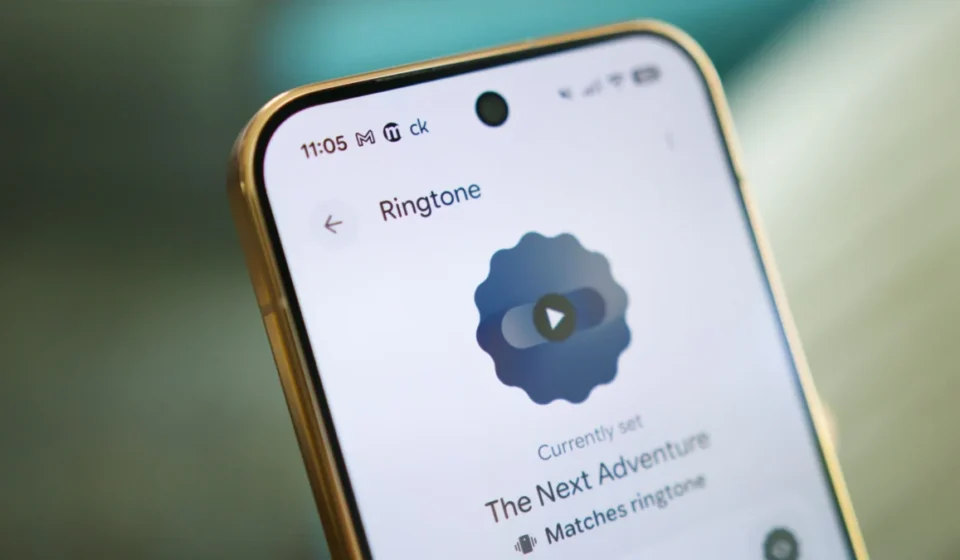
The Resurgence of Custom Ringtones: How AI is Revolutionizing Personalization in 2026

The digital soundscape of 2026 is witnessing an unexpected yet significant trend: the resurgence of the custom ringtone, now fundamentally transformed by the advent of artificial intelligence. Once a defining accessory of the early mobile era, then largely relegated to digital antiquity by the smartphone revolution, ringtones are reclaiming their relevance not as a mere novelty, but as a sophisticated tool for personalization and digital well-being, powered by generative AI. This shift is driven by a collective desire among users to cut through notification fatigue, manage their digital interactions more effectively, and inject a distinct personality into their mobile devices.
A Brief History of the Ringtone: From Status Symbol to Digital Nuisance
To fully appreciate the current AI-driven renaissance, it is essential to trace the historical trajectory of the mobile ringtone. In the 1990s and early 2000s, owning a phone capable of playing a custom ringtone was a genuine status symbol. Early mobile phones, often limited to monophonic (single-note) or later polyphonic (multiple notes simultaneously) melodies, offered a stark contrast to the generic, often jarring, default tones. Users would painstakingly compose simple tunes note by note, or, more commonly, pay a premium for downloadable ringtones via nascent WAP (Wireless Application Protocol) services or SMS-based subscription models. These early custom sounds, ranging from simplified pop song snippets to quirky jingles, represented a nascent form of digital self-expression, a public declaration of one’s musical taste or sense of humor. The market for these basic digital snippets was surprisingly lucrative, generating billions of dollars globally at its peak in the mid-2000s, with companies like Ringtone King and Jamster dominating the space.
However, the rapid evolution of mobile technology soon changed this dynamic. The advent of smartphones, particularly with the introduction of devices capable of playing full MP3 audio files, democratized the custom ringtone. Users could now convert any segment of their favorite songs into a ringtone, often bypassing costly downloads. While initially exciting, this led to a proliferation of often low-quality, loud, and repetitive song excerpts echoing in public spaces. The once-impressive custom ringtone quickly developed a reputation for being "tacky" or intrusive. Concurrently, the explosion of app-based notifications – alerts for emails, social media, messaging apps, and more – meant that the distinct chime of a ringtone was often drowned out or rendered irrelevant by a constant barrage of other auditory cues. Many users, seeking reprieve from the digital cacophony, opted for silent mode with vibration, or simply embraced the generic default ringtones provided by their device manufacturers, signaling a widespread decline in the perceived importance and desirability of custom ringtones. By the late 2010s, custom ringtones, particularly the full-song variety, had largely faded from mainstream consciousness.
The Modern Revival: Why Ringtones Matter Again in 2026
The shift back towards personalized auditory alerts in 2026 is not merely nostalgic; it is a practical response to contemporary digital challenges. One primary driver is the growing emphasis on digital well-being and mindful technology use. As individuals increasingly strive to reduce screen time and manage notification overload, the utility of a distinct, recognizable ringtone has re-emerged. Many users, like the article’s author, are adopting habits such as leaving their phones in a separate room or consciously disengaging from constant digital proximity. In such scenarios, a silent vibration becomes ineffective, leading to missed calls from important contacts.
Furthermore, the sophisticated control offered by modern operating systems allows for highly granular notification management. Users can now easily configure their devices to allow only specific contacts (e.g., family, close friends, work clients, medical professionals) to generate an audible ring, while all other notifications remain silent or vibrate subtly. This targeted approach necessitates unique auditory cues that are both pleasing and immediately identifiable, moving beyond generic sounds. The demand for such personalized, non-intrusive, yet effective alerts has spurred innovation, particularly in leveraging artificial intelligence.
The market research firm "Mobile Soundscapes Analytics" reported in late 2025 that 45% of smartphone users expressed a renewed interest in custom ringtones, citing "improved call management" and "enhanced personal expression" as primary motivations, a significant increase from just 15% in 2020. This data underscores a genuine user need that AI is now uniquely positioned to address.
Navigating the Digital Soundscape: AI as the Personalized Solution
Historically, the process of finding or creating a truly personal ringtone was often cumbersome. Users either sifted through vast, often generic, online libraries, endured ad-ridden apps, or manually edited existing audio files – a process that could be time-consuming and technically challenging. The sheer volume of options, coupled with the often-mediocre quality or lack of distinctiveness, led to a form of "choice paralysis." Users wanted something unique, something that resonated with their individual energy and personality, but the traditional methods rarely delivered on this promise.
This is where generative AI steps in, offering a transformative solution. Instead of browsing pre-existing, often uninspiring options, users can now articulate their desired soundscape through natural language prompts. AI models, trained on extensive datasets of musical genres, sound effects, and auditory textures, can synthesize entirely new, unique audio clips tailored to precise specifications. This capability moves beyond simple customization; it offers bespoke sonic identity, overcoming the limitations of generic options and the tediousness of manual creation. The goal is no longer just a custom ringtone, but a personally crafted auditory signature.
The Mechanics of AI-Powered Sound Generation
The core technology behind AI-generated ringtones lies in advanced deep learning models, specifically text-to-audio or music generation AI. These models are typically neural networks trained on vast repositories of diverse audio data, including musical compositions, environmental sounds, human speech, and various instruments. Through this training, the AI learns patterns, structures, harmonies, and timbres associated with different genres, moods, and specific sonic characteristics.
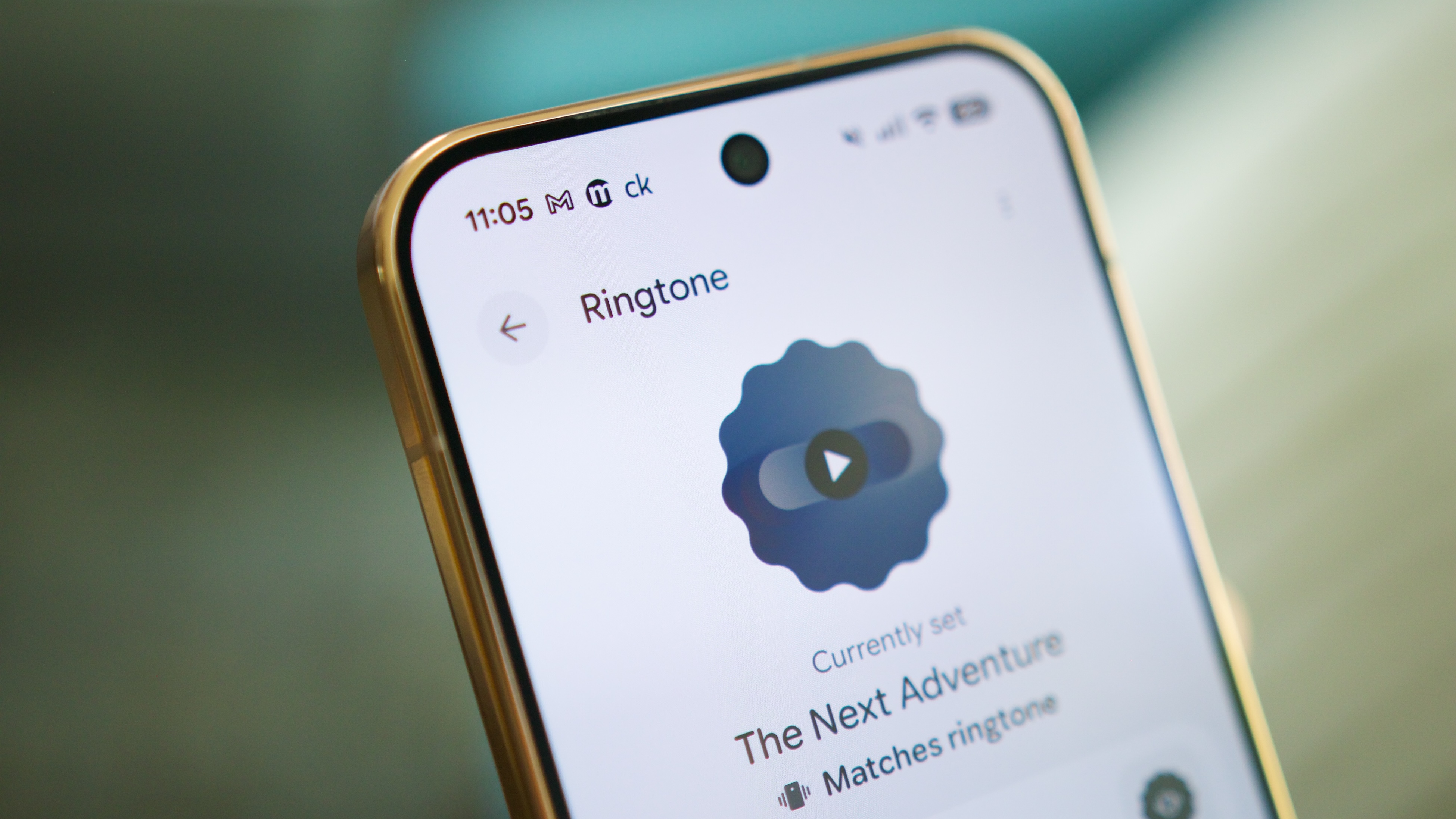
When a user provides a textual prompt – for instance, "a whimsical, short melody with flute and harp, reminiscent of a fairy tale, for my daughter’s calls" – the AI processes this input. It interprets keywords related to genre ("fairy tale"), instruments ("flute," "harp"), mood ("whimsical"), and length ("short melody"). The model then synthesizes a unique audio waveform that attempts to fulfill these parameters. This is not merely remixing existing sounds but creating novel auditory sequences from scratch, based on its learned understanding of sound principles. The output is typically a short, loopable audio file perfectly suited for a ringtone or notification alert. This process involves complex algorithms that manage pitch, rhythm, timbre, and dynamics to produce a coherent and often aesthetically pleasing sound.
Ethical and Legal Soundwaves: Copyright and Privacy in the AI Era
While the promise of AI-generated sound is immense, it is accompanied by significant ethical and legal considerations, particularly concerning copyright and data privacy. A major point of contention revolves around the training data used by these AI models. If an AI is trained on copyrighted music or sound effects, even if its output sounds "new and unique," there is an ongoing legal debate about whether the AI’s creation constitutes a derivative work or falls under fair use. Copyright holders are increasingly challenging AI companies, arguing that their intellectual property is being used without compensation or permission. In 2024, several high-profile lawsuits were initiated by music labels and artists against generative AI platforms, asserting that the output, even if superficially different, implicitly incorporates the style, melodic structures, or sonic fingerprints of copyrighted works.
For users, this means that while an AI might generate a "Zelda-like" tune, it is critical to understand that this is distinct from obtaining an actual, licensed Zelda theme. Users seeking genuine copyrighted songs from major artists for ringtones must still rely on official apps or licensed download services, which operate under explicit agreements with rights holders. Misrepresenting AI-generated "inspired" content as official material could lead to legal issues, though the focus typically remains on commercial use and distribution rather than individual personal use.
Furthermore, privacy and security are concerns, especially with app-based AI solutions. User-submitted prompts, and sometimes the generated audio files themselves, may be stored on company servers. Questions arise regarding how this data is used, whether it is shared with third parties, and the robustness of the security measures in place to protect user information from breaches. While reputable apps like Zedge have established privacy policies, the broader landscape of AI-powered creative tools still requires diligent user scrutiny.
Spotlight on AI Ringtone Platforms: Zedge and Multi-Modal AI
The market for AI-powered ringtone creation is evolving rapidly, with two primary approaches dominating: dedicated mobile applications and general-purpose multi-modal AI tools.
Zedge: The Dedicated App Experience
Zedge stands out as a long-established player in the mobile customization space. Founded in 2003, it initially gained popularity for its vast library of user-submitted wallpapers. Over the years, Zedge diversified into offering pre-made ringtones and, more recently, integrated AI generation features. Its longevity and user base (reportedly over 30 million monthly active users globally) lend it a degree of trust often lacking in newer, ad-heavy apps.
The Zedge AI ringtone interface is designed for accessibility. Users input textual prompts describing their desired sound, often guided by easy-to-use tabs for selecting genres (e.g., electronic, classical, ambient), moods (e.g., calming, energetic, mysterious), or thematic suggestions. This structured prompting helps users refine their requests and often yields more relevant results. For example, a prompt like "an epic, orchestral melody with a sense of adventure, perfect for a hero’s arrival" would be easily understood by Zedge’s AI.
However, Zedge’s business model heavily relies on a freemium approach, which includes aggressive advertising in its free tier. Users are typically limited in the number of free AI generations per day and are often required to watch lengthy video advertisements, sometimes even after the generation process is complete. This can significantly detract from the user experience. To bypass these limitations, Zedge offers premium subscriptions: a weekly pass for $0.99 or a lifetime access for $11.99, both of which provide ad-free, unlimited AI ringtone creation. While these costs are relatively low, they represent a barrier for casual users. In terms of quality, Zedge’s AI can produce surprisingly effective results, such as a "Zelda-like" melody capturing the adventurous spirit without directly infringing on copyrighted material, or a personalized, humorous vocal snippet like "Mom is calling, pick up the phone!"
Gemini and Beyond: General-Purpose AI for Bespoke Alerts
A more versatile alternative to dedicated apps like Zedge comes in the form of multi-modal AI tools, such as Google’s Gemini (and potentially other advanced AI chatbots with audio generation capabilities, like those offered by OpenAI or Microsoft). These platforms are not solely dedicated to ringtones but offer a broader suite of generative AI functions, including text, image, and increasingly, audio creation.
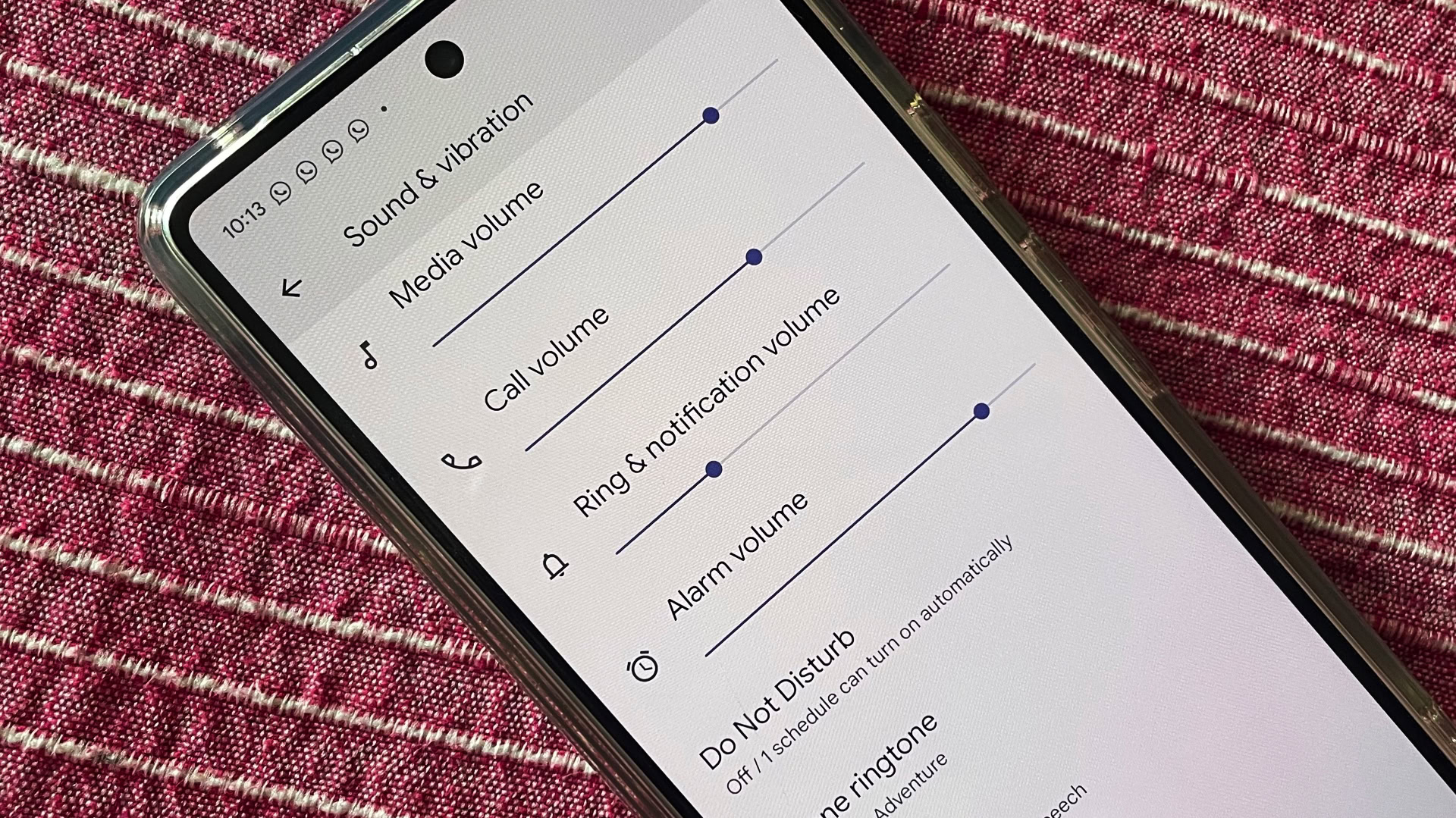
The primary advantage of using a multi-modal AI like Gemini is its versatility. Users who already subscribe to a premium tier (e.g., Google’s AI plans, which start around $5 per month) gain access to advanced features across various creative tasks, making the cost-benefit analysis more favorable than a single-purpose app subscription. While Gemini might lack the specific genre/mood tabs found in Zedge, its strength lies in its ability to interpret highly nuanced and complex natural language prompts. Users must be more articulate in their descriptions, but this often leads to more precise and unique outputs. For instance, prompting Gemini with "a gentle, ethereal synth melody with a subtle bell chime, evoking a peaceful morning, for my daughter’s calls" can yield a highly specific and emotionally resonant sound.
Testing indicates that Gemini often excels at capturing very specific "vibes" or atmospheric qualities. For a "Zelda-like energy" prompt, Gemini might produce a more nuanced and emotionally evocative piece than Zedge, making it ideal for users seeking deep personalization. However, for more straightforward, functional, or humorous vocal prompts (like the "Mom is calling" example), Zedge’s more constrained and perhaps pre-optimized models might sometimes deliver a slightly better or more direct result. The quality often depends heavily on the sophistication of the user’s prompt engineering.
Comparing the AI Approaches: Strengths and Nuances
The choice between a dedicated app like Zedge and a multi-modal AI tool like Gemini hinges on user priorities. Zedge offers a user-friendly, guided experience, making it easier for novices to generate ringtones with its intuitive interface and prompt suggestions. Its primary drawback is the intrusive ad experience in the free tier. Gemini, conversely, offers greater creative freedom and versatility, especially for users already invested in a broader AI ecosystem. Its output can be more refined for specific atmospheric or emotional qualities, though it requires more skillful prompting.
Ultimately, both approaches demonstrate the significant leap AI has brought to personal audio customization. The ability to articulate a desired sound and have an AI algorithm generate it on demand represents a paradigm shift from the passive consumption of generic tones or the laborious manual creation process.
The Broader Implications: Personalization, Digital Well-being, and the Future of Sound
The rise of AI-generated ringtones is indicative of broader trends in technology. It underscores the increasing demand for hyper-personalization, where technology adapts to the individual rather than the other way around. This trend extends beyond ringtones to user interfaces, content recommendations, and even adaptive computing environments.
From a digital well-being perspective, custom AI ringtones empower users to exert greater control over their auditory environment. By creating distinct, pleasant, and immediately recognizable alerts for critical contacts, users can reduce anxiety about missed calls while simultaneously minimizing the disruption caused by less important notifications. This contributes to a more mindful relationship with mobile technology, allowing users to strategically disengage without fear of missing crucial communications.
Looking forward, the capabilities of AI audio generation are only set to expand. We can anticipate more sophisticated models capable of generating longer, more complex musical compositions, personalized voice alerts in various accents or tones, and even adaptive ringtones that change based on context (e.g., location, time of day, or the caller’s relationship to the user). The integration of AI into everyday sound design signals a future where our digital devices don’t just alert us, but communicate with us in a truly personalized and intelligent manner, transforming the very sound of our digital lives.
In conclusion, the journey of the ringtone from a simple, costly status symbol to a customizable digital nuisance, and now to an AI-powered tool for nuanced personalization, reflects the dynamic evolution of our relationship with mobile technology. In 2026, AI is not just bringing ringtones back; it is reinventing them as essential components of our digital identity and well-being.