Samsung Galaxy S27 and S27 Plus Tipped for Significant Telephoto Camera Upgrade, Mirroring Pro Model’s 3x System

New information emerging from industry sources suggests that Samsung’s upcoming Galaxy S27 and S27 Plus models could finally receive a substantial upgrade to their telephoto camera systems, potentially adopting the same 3x optical zoom capabilities rumored for the higher-tier Galaxy S27 Pro. This strategic shift, if confirmed, would mark a notable departure from Samsung’s recent trend of reserving significant telephoto advancements primarily for its Ultra flagship variants, potentially democratizing advanced zoom features across a broader range of its premium smartphone lineup. The leaks, which also touch upon changes to the main camera sensor for the standard S27 and evolving zoom capabilities for the S27 Ultra, paint a picture of a comprehensively revised camera strategy for Samsung’s 2027 flagship series.
The Historical Context: A Persistent Telephoto Gap
For several generations, consumers opting for Samsung’s standard Galaxy S and Galaxy S Plus models have observed a consistent pattern: while the Ultra variants received cutting-edge camera innovations, particularly in the realm of telephoto zoom, their more affordable siblings often retained largely similar or minimally upgraded telephoto hardware. This approach created a distinct hierarchy, where the base and Plus models, despite being premium devices, frequently lagged behind the Ultra in zoom versatility and capability. For instance, the Galaxy S20 and S21 series offered a 3x hybrid optical zoom, often relying on high-resolution main sensors for cropping. While subsequent models like the Galaxy S23 and S24 introduced a dedicated 10MP 3x optical telephoto lens, the sensor specifications and overall performance rarely matched the groundbreaking periscope zoom systems found in their Ultra counterparts. This disparity, while a clear differentiator for the Ultra series, occasionally left users of the standard models feeling underserved in an increasingly camera-centric smartphone market. The potential upgrade for the S27 and S27 Plus therefore signifies a strategic re-evaluation, possibly aimed at enhancing the overall value proposition of these models and narrowing the camera performance gap within Samsung’s own portfolio.
The S27 and S27 Plus: A Zoom Renaissance?
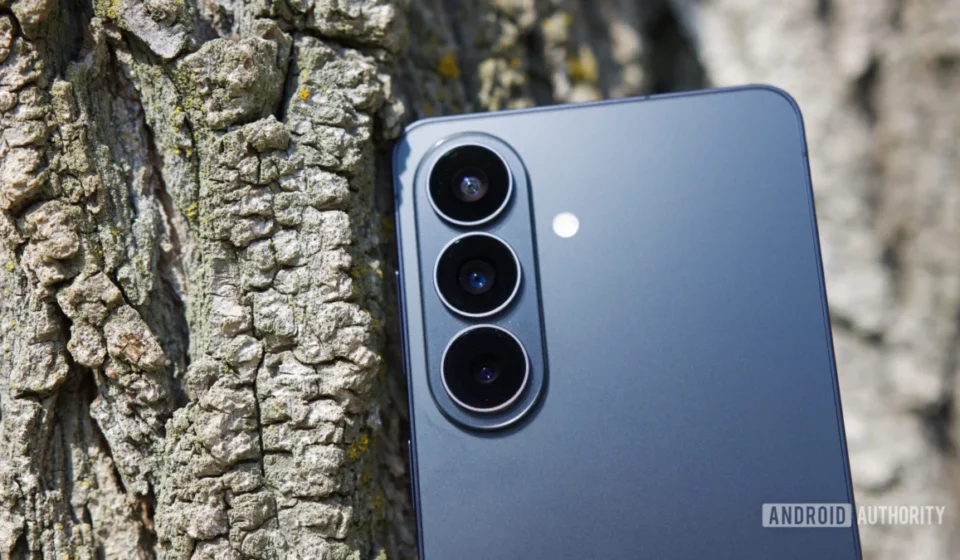
The latest insights, brought to light by tipster @phonefuturist on the social media platform X (formerly Twitter) and subsequently highlighted by Digital Trends, indicate that Samsung is actively testing the Galaxy S27 and S27 Plus with a telephoto setup identical to that anticipated for the Galaxy S27 Pro. While the specific sensor specifications were not explicitly detailed in the tipster’s post, an earlier report from ETNews had suggested that the S27 Pro would feature a 12MP 3x telephoto camera. Should these leaks coalesce, it implies that the standard S27 and S27 Plus could also benefit from this 12-megapixel, 3x optical zoom system.
This potential upgrade represents a significant enhancement for the base and Plus models. A dedicated 12MP telephoto sensor, especially with a true 3x optical magnification, would offer users sharper, more detailed zoomed-in images compared to previous iterations that might have relied more heavily on digital cropping or smaller, less capable sensors. The move would address a long-standing desire among non-Ultra users for more robust zoom functionality, bringing their devices closer to the capabilities enjoyed by the Pro and Ultra segments.
Decoding the 12MP 3x Telephoto
The rumored 12MP resolution for the 3x telephoto lens, if implemented, suggests a focus on balanced performance rather than chasing ultra-high megapixel counts often seen in main sensors. A 12MP sensor is typically optimized for better light gathering capabilities and larger individual pixel sizes, which can translate to improved low-light performance and dynamic range for zoomed shots. Compared to previous generations, which might have used smaller sensors or lower resolutions for their telephoto modules, a 12MP unit could deliver noticeably superior image quality.
The 3x optical zoom factor is a widely accepted and versatile magnification level, ideal for portrait photography, capturing distant subjects without significant quality loss, and providing a natural perspective for various scenarios. It strikes a good balance between reach and usability, making it a valuable tool for everyday photography. This choice also suggests that Samsung is aiming for a cohesive camera experience across its S27, S27 Plus, and S27 Pro models, providing a consistent baseline for telephoto performance.
Main Sensor Shake-up: The Sony Connection
Beyond the telephoto enhancements, the camera strategy for the regular Galaxy S27 is rumored to undergo further significant changes. Prior reports have hinted at Samsung potentially switching its 50MP main camera sensor from its in-house ISOCELL brand to a Sony-manufactured sensor. This would be a notable shift, given Samsung’s historical reliance on its own ISOCELL technology for many of its flagship main cameras, often alongside Sony sensors in certain regions or specific models.
The implications of such a move are multi-faceted. Sony is a dominant player in the smartphone camera sensor market, renowned for its Exmor RS and LYT series, which are often praised for their image quality, low-light performance, and advanced features. Integrating a Sony sensor could potentially bring improvements in areas like dynamic range, color reproduction, and noise reduction to the Galaxy S27’s primary camera. From a strategic perspective, it could indicate Samsung’s willingness to leverage external expertise to push camera performance boundaries, or perhaps diversify its supply chain for critical components. However, it also raises questions about the future role of ISOCELL sensors in Samsung’s high-end portfolio and the competitive dynamics between the two sensor giants. Regardless of the underlying motivation, a shift to a Sony main sensor, combined with an upgraded telephoto, positions the standard Galaxy S27 for a comprehensive photographic overhaul.
The Enigma of the S27 Ultra’s Zoom
While the base and Plus models appear to be getting a telephoto boost, the flagship Galaxy S27 Ultra is reportedly charting its own course in the zoom department, continuing its tradition of pushing the boundaries of smartphone photography. The same leak from @phonefuturist suggests that Samsung is experimenting with a 50MP, 1/1.9-inch, 4x telephoto camera for the S27 Ultra. This is a fascinating proposition, as it deviates from the 10x periscope lens that defined earlier Ultra models and also presents an alternative to the 5x optical zoom system seen in the Galaxy S24 Ultra.
The choice between a 4x and 5x optical zoom for the Ultra model involves complex engineering and strategic considerations. A 50MP sensor, even at 4x magnification, offers several advantages. The larger megapixel count allows for greater flexibility in digital cropping, potentially achieving higher zoom levels (e.g., 10x or even 100x Space Zoom) with less quality degradation compared to a lower-resolution sensor. Furthermore, a 1/1.9-inch sensor size is relatively large for a telephoto module, which could significantly improve light gathering capabilities, resulting in superior performance in challenging lighting conditions.
The leak also mentions that Samsung could ultimately "stick with a 5x setup" if the new 4x option isn’t deemed worth the "additional cost." This highlights the intricate balance between innovation, performance, and manufacturing expenses that manufacturers must navigate. Developing a new, larger 50MP 4x telephoto sensor and integrating it effectively into the device’s design could entail significant research and development costs. Samsung’s internal evaluation of "five S27 Ultra prototypes" underscores the meticulous and iterative process involved in finalizing flagship camera specifications, with factors like image quality, user experience, component cost, and competitive landscape all playing a role in the ultimate decision. This period of intense internal testing and comparison is crucial for Samsung to determine the optimal telephoto solution that best balances cutting-edge technology with commercial viability for its top-tier device.
Industry Landscape and Competitive Pressures
Samsung’s rumored camera strategy for the Galaxy S27 series can be viewed within the broader context of intense competition in the premium smartphone market. Rivals like Apple, Google, Xiaomi, and Huawei have been consistently pushing the envelope in computational photography and hardware innovation. Apple’s iPhones, while historically offering lower optical zoom factors than Samsung’s Ultra models, have excelled in image processing and consistency across lenses. Google’s Pixel series is renowned for its AI-driven computational photography, delivering impressive results even with relatively modest hardware in some areas. Chinese manufacturers like Xiaomi and Huawei have often led with groundbreaking sensor sizes, variable apertures, and advanced periscope zoom systems, sometimes even surpassing Samsung in specific hardware specifications.
In this fiercely competitive environment, improving the camera system, particularly in areas like telephoto zoom that users highly value, is critical for maintaining market share and attracting discerning consumers. By upgrading the telephoto capabilities of its standard S-series models, Samsung could be aiming to offer a more compelling photographic package across its entire flagship line, reducing the perceived gap between its base models and those from competitors. The potential shift to Sony sensors also reflects an industry trend of diversifying supply chains and leveraging the best available technology, regardless of the manufacturer, to achieve superior performance.
Implications for Samsung’s Strategy and Product Differentiation
If these leaks prove accurate, the Galaxy S27 series will represent a strategic recalibration of Samsung’s camera offerings. For the S27 and S27 Plus, the move to a 12MP 3x telephoto lens is a clear signal that Samsung intends to elevate the core photographic experience for a wider audience, moving beyond incremental updates. This could significantly enhance their appeal to users who desire strong camera performance but may not wish to invest in the Ultra’s higher price point. It could also make the "Plus" model a more attractive proposition, bridging the gap between the base model and the newly emerging "Pro" tier.
The introduction of a distinct "Pro" model, as suggested by the shared telephoto system, indicates a refinement in Samsung’s product segmentation. This Pro model could be positioned as a stepping stone, offering near-Ultra camera features without the absolute premium price or perhaps some of the Ultra’s more specialized features (like S Pen integration or more extreme zoom). This strategy allows Samsung to cater to a broader spectrum of premium users with varying needs and budgets.
For the S27 Ultra, the exploration of a 50MP 4x telephoto camera, even if it potentially means a slightly lower optical magnification than some previous Ultra models, suggests a focus on overall image quality and versatility. A larger, higher-resolution sensor at 4x could provide a more robust foundation for advanced computational photography and digital zoom, potentially leading to more consistent and higher-quality results across its entire zoom range, rather than solely focusing on maximum reach. This could be a response to user feedback emphasizing consistent quality over sheer magnification numbers.
The Road Ahead: What to Expect
As with all pre-release information, these details remain speculative until an official announcement from Samsung. The development cycle for flagship smartphones is extensive, involving numerous prototypes, rigorous testing, and continuous refinement. The mention of "five S27 Ultra prototypes" being evaluated underscores the fluidity of the design process, where specifications can change based on performance benchmarks, cost analysis, and strategic decisions.
Historically, Samsung typically unveils its new Galaxy S series in January or February of each year. This means that more concrete details, official renders, and potentially more definitive leaks are likely to emerge in the coming months, particularly towards late 2026 and early 2027. Until then, these early rumors provide an exciting glimpse into Samsung’s potential plans to shake up its camera strategy, promising a more capable and compelling photographic experience across the entire Galaxy S27 lineup. Consumers eagerly anticipating these devices will be watching closely to see if Samsung delivers on the promise of these significant camera upgrades, potentially marking a new era for mobile photography across all tiers of its flagship offerings.