
Monday August 31, 2026 9:54 am PDT
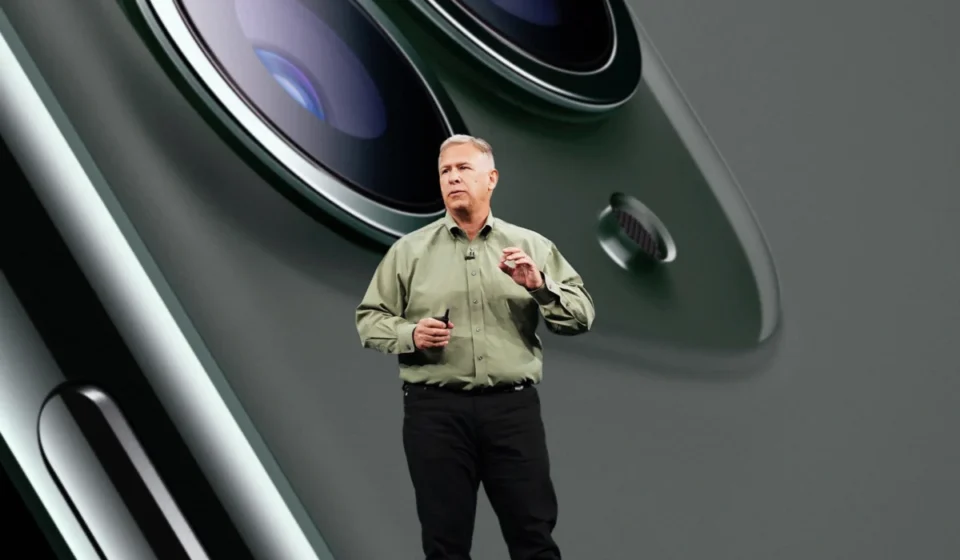
Apple’s venerable marketing executive, Phil Schiller, is significantly reshaping his role within the technology giant, stepping down from his leadership of the App Store and the oversight of its highly anticipated product events. While Schiller is not departing Apple, this move signifies a strategic narrowing of his responsibilities as he transitions to focus on unspecified new projects. This development, first reported by Bloomberg, marks a notable shift for a key figure who has been instrumental in shaping Apple’s public image and product ecosystem for decades.
A Long and Influential Career at Apple
Phil Schiller, 66, has been a cornerstone of Apple’s leadership team for much of his career. His journey with the company began in 1987, followed by a brief departure in 1993, before his pivotal return in 1997 alongside Steve Jobs. During his tenure, Schiller played a crucial role in the unveiling and marketing of some of Apple’s most iconic products, including the original iPod, the revolutionary iPhone, the transformative iPad, and the sophisticated Apple Watch. His ability to articulate the vision and innovation behind these devices captivated global audiences and solidified Apple’s brand identity.
Until 2020, Schiller served as Apple’s senior vice president of worldwide marketing, a role that positioned him as the public face of many of the company’s most significant announcements. In August 2020, he transitioned to the distinguished title of Apple Fellow, a role designed to allow senior executives to continue contributing to the company in specialized capacities while also pursuing other interests. At the time of his transition to Apple Fellow, Schiller expressed his intention to remain with Apple "as long as they will have me," while also emphasizing a desire to dedicate more time to family, friends, and personal pursuits.
The Demands of the App Store and Event Leadership
As Apple Fellow, Schiller continued to hold significant responsibilities, notably overseeing the App Store and Apple’s product events. However, recent reports suggest that these demanding roles may have curtailed his ability to fully engage in his personal endeavors. A Wall Street Journal report in 2024 indicated that Schiller was working close to 80 hours per week, highlighting the intense commitment required by his positions.
The App Store, in particular, has been a focal point of intense scrutiny and regulatory challenges during Schiller’s stewardship. This period has been marked by significant global shifts in digital market regulation, forcing Apple to navigate complex legal and policy landscapes. Key among these challenges have been Apple’s ongoing efforts to comply with the European Union’s Digital Markets Act (DMA), which mandates greater openness and interoperability within digital ecosystems. Furthermore, Apple has faced protracted legal battles, most notably with Epic Games over App Store policies and commission structures. The company has also had to adapt to regulatory demands in other key markets, including Brazil and Japan, each presenting unique compliance hurdles. The sheer volume and complexity of these issues underscore the significant pressure and strategic acumen required to manage the App Store.
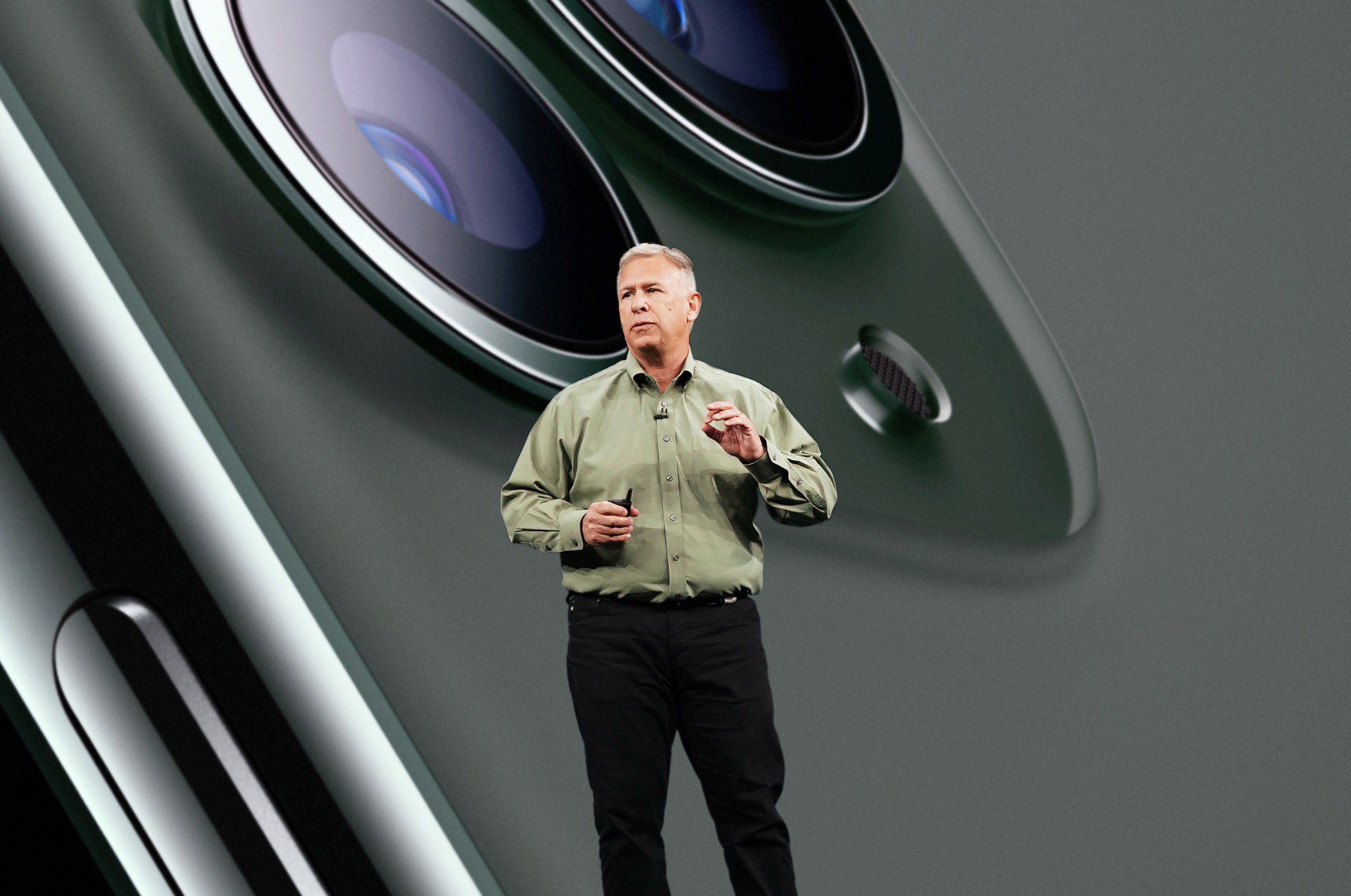
Simultaneously, overseeing Apple’s product events has always been a high-stakes undertaking. These meticulously crafted presentations serve not only to unveil new hardware and software but also to reinforce Apple’s brand narrative and technological leadership. The pressure to deliver innovative products and compelling presentations year after year, while managing global logistics and media relations, represents another significant responsibility.
A Strategic Realignment Amidst Leadership Changes
Schiller’s stepping down from these key leadership roles comes at a pivotal moment for Apple, coinciding with a significant transition at the very top of the company. August 31, 2026, marks Tim Cook’s final day as Apple’s Chief Executive Officer. Cook is transitioning to the role of Apple Chairman, a move that signifies the end of his 15-year tenure leading the company. Effective September 1, 2026, John Ternus, currently Apple’s hardware engineering chief, will assume the position of Apple CEO. This leadership transition at the highest level suggests a broader strategic realignment within the company, with executives like Schiller adjusting their roles to align with the new executive vision.
Key Leadership Transitions within the App Store and Events Teams
With Phil Schiller’s departure from direct oversight, the management of the App Store is being reassigned to Eddy Cue. Cue, a long-serving Apple executive and currently Apple’s services chief, previously oversaw the App Store until 2015. His return to this domain indicates a strategic decision to place a seasoned leader with direct experience in charge of the platform. Reports suggest that Cue will assume a more influential role within Ternus’s new leadership structure. Day-to-day operations of the App Store will be managed by Carson Oliver, a long-time member of the App Store team, ensuring continuity in operational execution.
The Apple events team will now be led by Nola Weinstein, who has served as Schiller’s deputy. Weinstein will report to Kristin Huguet Quayle, vice president of communications and public relations, integrating the events function more closely with Apple’s broader communications strategy. This structural adjustment aims to streamline communication and execution for Apple’s critical product unveilings.
Broader Implications and Future Outlook
Phil Schiller’s decision to reduce his operational commitments and focus on new projects is likely to have several implications for Apple. For the App Store, Eddy Cue’s renewed involvement signals a commitment to its strategic direction and potential evolution, particularly in navigating the increasingly complex global regulatory environment. Cue’s deep understanding of Apple’s services ecosystem and his previous experience with the App Store will be invaluable as the company continues to address antitrust concerns and adapt to evolving market demands. The focus on Carson Oliver for day-to-day operations suggests a confidence in the existing operational framework, with a continued emphasis on efficiency and developer relations.
The management of product events under Nola Weinstein, reporting to Kristin Huguet Quayle, indicates a potential for a more integrated communications approach to product launches. This could lead to a more cohesive narrative across product announcements and corporate communications. The tradition of highly anticipated and visually stunning Apple events, a hallmark of Schiller’s tenure, will undoubtedly continue, but perhaps with a fresh perspective under new leadership.
For Phil Schiller himself, this transition represents an opportunity to leverage his vast experience and institutional knowledge in new ways. While the specific nature of his "unspecified projects" remains unknown, his continued presence at Apple suggests a desire to contribute to the company’s future innovations and strategic initiatives in a more focused capacity. His experience in marketing, product strategy, and evangelism remains a significant asset, and his new role could involve advising on long-term product vision, exploring emerging technologies, or mentoring future leaders.
The timing of these changes, coinciding with John Ternus’s ascent to CEO and Tim Cook’s transition to Chairman, suggests a deliberate and coordinated effort to usher in a new era at Apple. The company is navigating a period of significant growth and transformation, facing both unprecedented opportunities and formidable challenges. The leadership reshuffling, including Schiller’s redefined role, is indicative of Apple’s ongoing commitment to adaptability and strategic foresight in maintaining its position as a global technology leader. The enduring legacy of Phil Schiller’s contributions, particularly his role in shaping the App Store and defining Apple’s product narrative, will undoubtedly continue to influence the company for years to come.