Apple Introduces New Leasing Program for iPhones, iPads, Macs, and Apple Watches Through Klarna

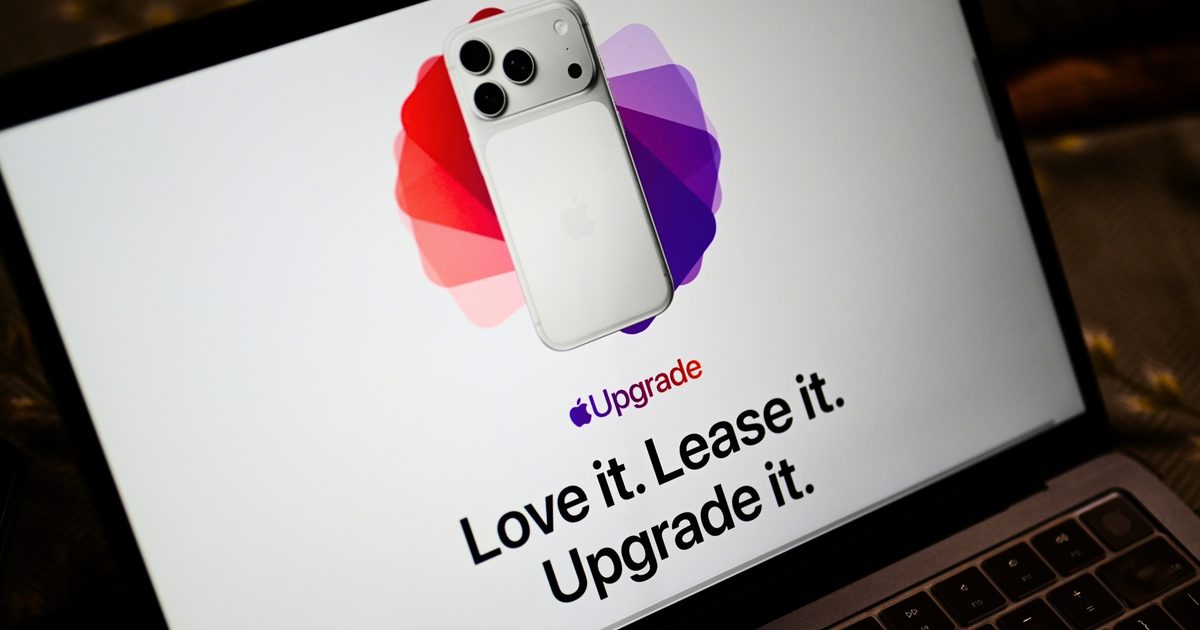
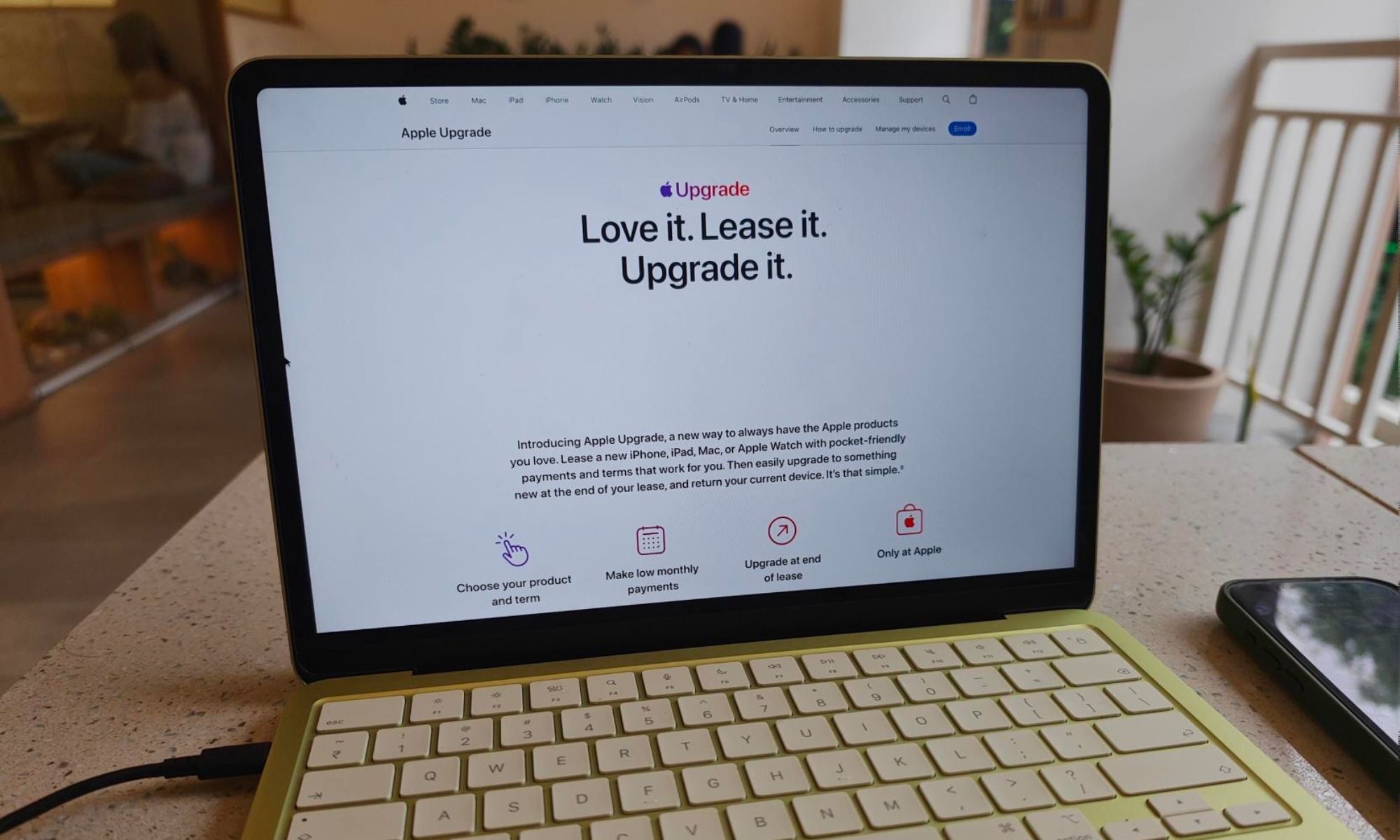
Apple has launched a new leasing program, the Apple Upgrade program, in collaboration with Klarna, offering consumers a novel way to acquire iPhones, iPads, MacBooks, and Apple Watches without the necessity of an upfront full purchase. This initiative allows customers to lease Apple hardware through monthly payments, a move that presents a potentially attractive financial proposition for many. While the monthly figures may appear tempting, a closer examination of the program’s structure and its financial implications reveals a nuanced picture of whether it represents a true cost-saving measure or simply an extended method of paying the retail price.
Program Genesis and Eligibility Criteria
The Apple Upgrade program, which officially commenced its rollout in recent weeks, stems from Apple’s ongoing strategy to broaden access to its product ecosystem. By partnering with Klarna, a prominent fintech company specializing in payment solutions, Apple aims to leverage existing consumer familiarity with flexible payment options. This partnership facilitates a streamlined application process that typically involves a soft credit check. To qualify for the program, applicants must meet several criteria: be 18 years of age or older, be a resident of the United States, possess a verified phone number via SMS, and have an eligible credit or debit card. A Social Security number is also a requirement for the application process.
The lease terms vary by device category. iPhones and Apple Watches are offered with lease agreements spanning 12 or 24 months. For iPads and Macs, the lease periods are extended to either 24 or 36 months, reflecting the generally longer expected lifespan and usage patterns of these devices.
It is important to note that not all Apple products are included in this leasing program. The current lineup excludes the recently released iPhone 16 and iPhone 16 Plus, the Apple Watch SE, the MacBook Neo, the Mac mini, the base model iPad, and the Studio Display. This selective inclusion suggests a strategic focus on popular, higher-margin devices where flexible payment plans might have the most significant impact on purchasing decisions.
For iPhones specifically, a requirement for an active service plan with AT&T, T-Mobile, or Verizon is in place. However, the leased iPhones themselves are unlocked, offering flexibility in carrier choice after the initial activation. AppleCare+ coverage is not automatically bundled and is billed separately, representing an additional cost that prospective lessees should factor into their financial planning.
Lease End Options: A Fork in the Road
Upon the conclusion of the lease term, customers are presented with three distinct options for their leased device. Apple provides a grace period of up to six months after the lease expiry to make a decision. If no action is taken within this timeframe, Klarna will automatically process the purchase-option fee, effectively transferring ownership of the device to the lessee.
The three primary options available are:
-
Return and Upgrade: This option caters to users who consistently desire the latest technology. By returning the leased device, customers can seamlessly transition to a newer model, ensuring they always have access to the most current features and performance enhancements. The primary benefit here is regular access to new hardware, often with a fresh battery life. However, this path leads to continuous monthly payments without ever building equity in a device. The lack of device ownership means that any resale value or trade-in potential is forgone. Furthermore, relying solely on the Apple Upgrade program might mean missing out on potentially more advantageous carrier-specific deals or promotions that are not integrated into this leasing structure.
-
Pay to Own: This option allows the lessee to retain the device by paying off the remaining balance. While this eventually leads to $0 monthly bills and the acquisition of a valuable asset, it represents the highest total cash expenditure over the device’s lifecycle. The buy-out cost can be substantial, effectively making the leasing period a form of extended payment plan that incurs a premium compared to an outright purchase. This option is most suitable for individuals who intend to keep their device for an extended period, typically four years or more, and value ownership over frequent upgrades.
-
Walk Away: This option provides a clean break from any financial obligations associated with the leased device. It allows users to return the hardware and move on without further commitment. This is an ideal choice for individuals who may be switching ecosystems, no longer require the device, or prefer to avoid any long-term financial ties. The significant drawback is that thousands of dollars have been spent on a device that is essentially rented, leaving the user without any hardware or financial return.
Financial Analysis: iPhone Leasing Under Scrutiny
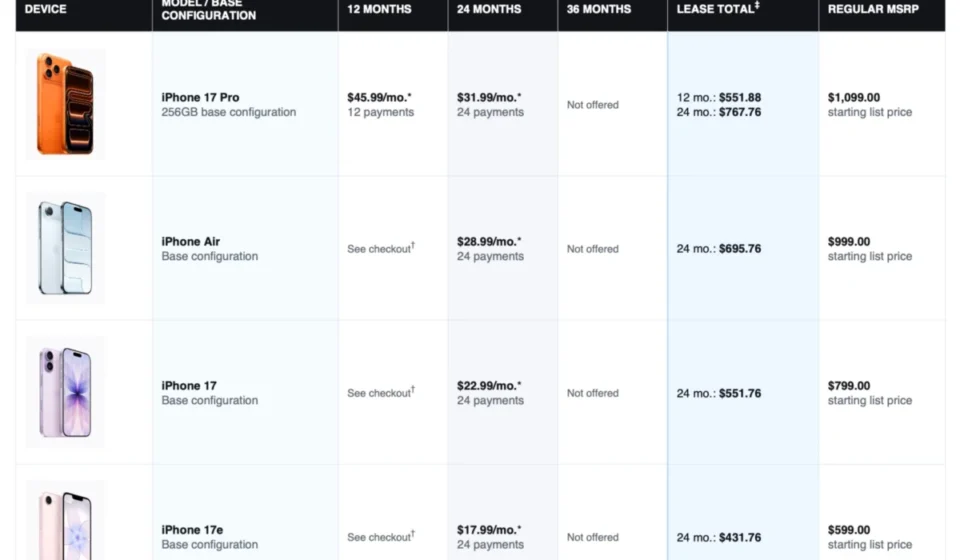
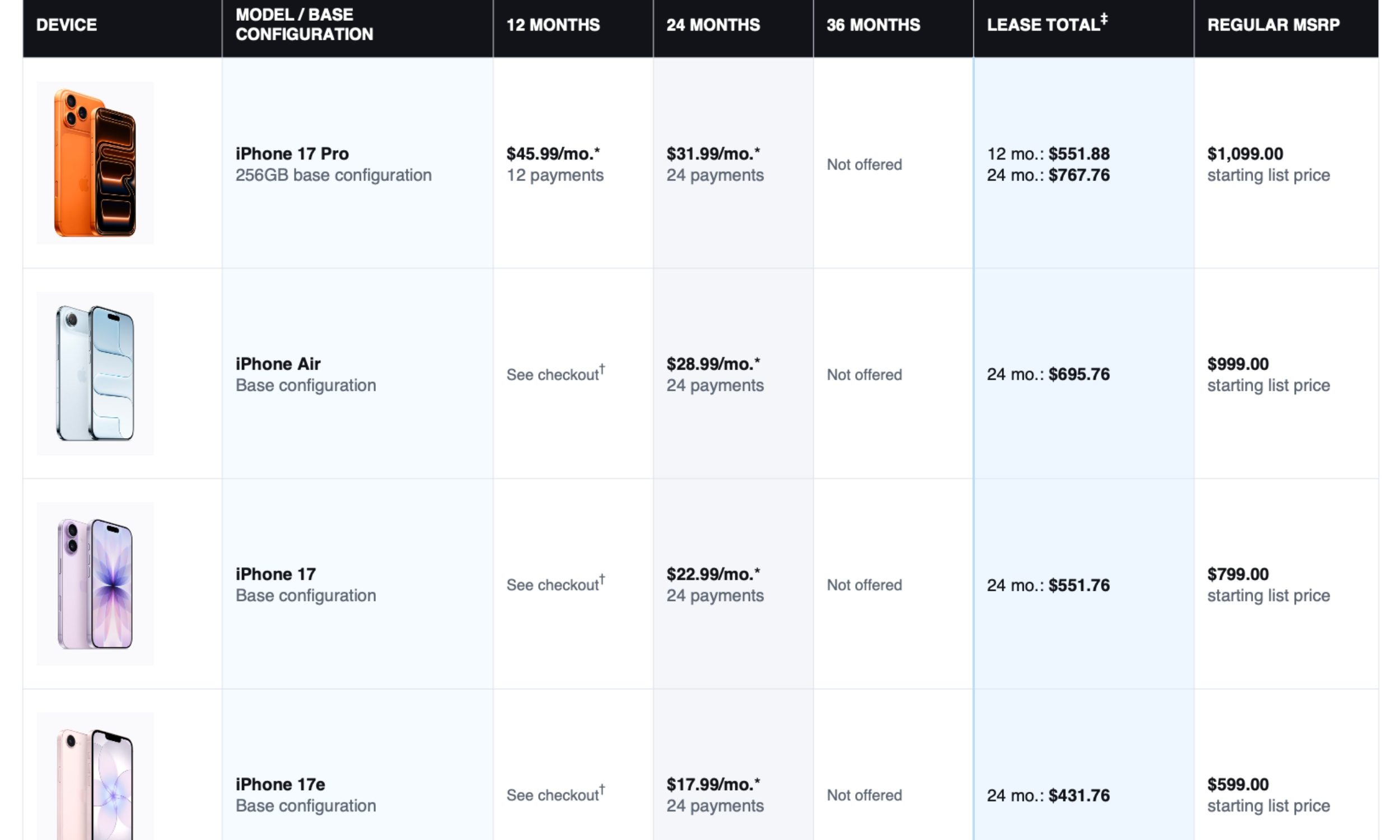
To assess the financial viability of the Apple Upgrade program, a detailed analysis of specific device costs is crucial. For instance, consider a hypothetical iPhone 17e, priced at $599. If leased over 24 months at a monthly rate of $17.99, the total outlay before returning the device amounts to approximately $432. In this scenario, the customer has effectively rented the device for two years without ever owning it.
Should the lessee decide to keep the iPhone 17e, an additional payment, estimated to be around $165 to $170, would be required to cover the remaining balance. When added to the monthly lease payments, the total cost of ownership for the iPhone 17e under this lease-to-own scenario would approach $599, which is precisely the original retail price of the device.
This analysis suggests that the primary financial advantage of the Apple Upgrade program for iPhones lies not in outright savings, but in the flexibility it offers. It allows users to spread the cost over time, preserve immediate cash reserves for other financial priorities, and retain the option to own the device later. However, the program appears to be more financially compelling for premium "Pro" models, where the initial upfront cost is a more significant barrier, rather than for entry-level iPhones, where the upfront investment is more manageable.
iPad Leasing: A Strategy for Extended Use
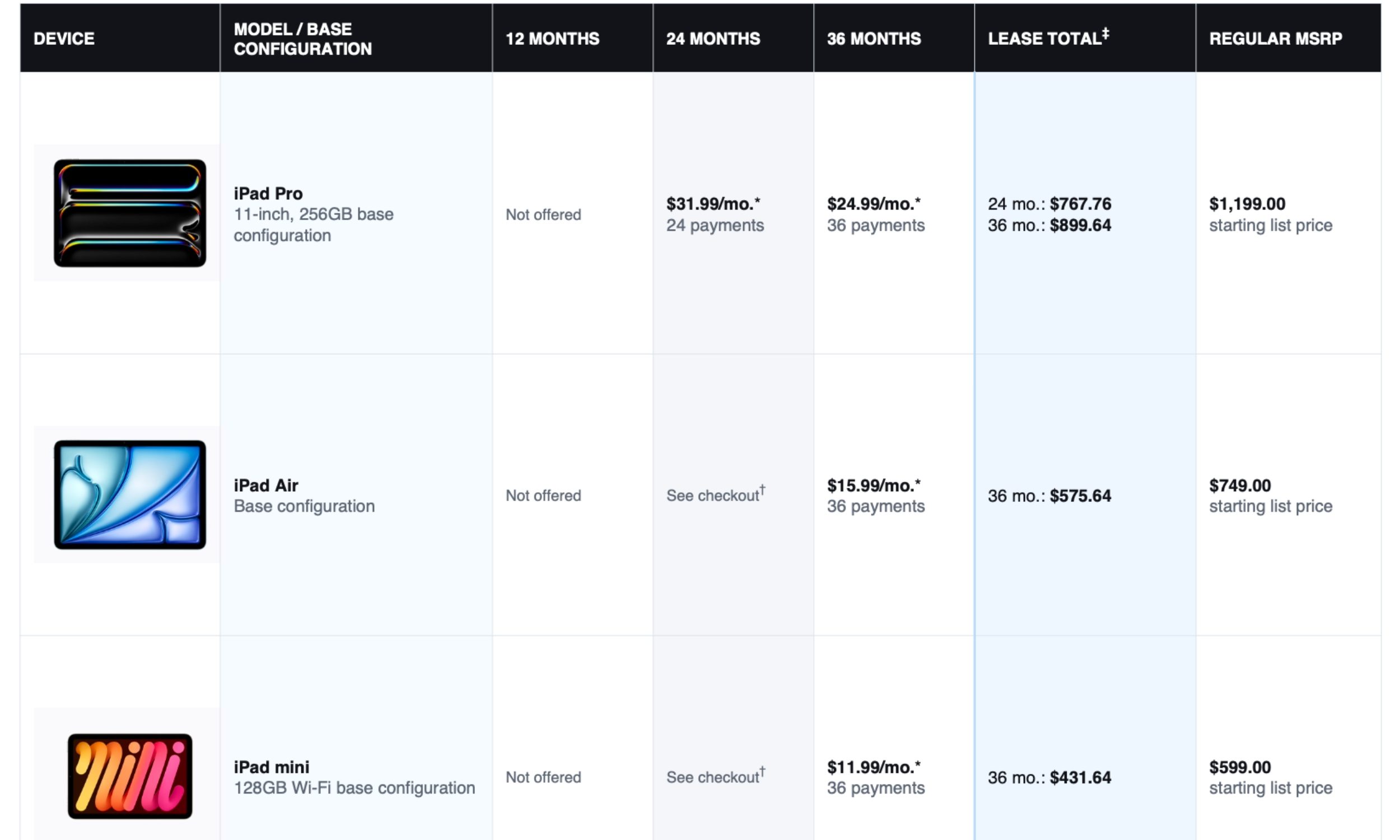
Given that iPads are often retained by users for longer durations compared to iPhones, Apple offers extended lease terms for these devices, specifically 24 or 36 months. This longer lease cycle can be particularly beneficial for students or entry-level professionals who require an iPad for academic purposes or everyday digital tasks. The monthly payment structure can alleviate the immediate financial burden associated with purchasing a new iPad.
For example, leasing an iPad mini (priced at $599) or an iPad Air (priced at $749) over 36 months with monthly payments of $11.99 or $15.99, respectively, significantly reduces the initial cash outlay. At the end of the lease, users have the flexibility to pay the remaining balance to own the device or upgrade to a newer model without incurring additional upgrade fees beyond the lease payments. It is important to reiterate that these leasing options do not inherently offer discounts on the device price; their value lies purely in the convenience of payment deferral.
Mac Leasing: Balancing Monthly Payments with Long-Term Value
For individuals who may not have the capital for a substantial upfront payment on a Mac, the Apple Upgrade program presents an accessible entry point. Monthly installments for MacBooks begin at approximately $24.99 over a 36-month lease term. This arrangement allows users to upgrade from older Intel-based MacBooks or even previous M1- or M2-powered models by breaking down the cost into manageable monthly payments.
However, the long-term value proposition of Macs should also be considered. Apple’s M-series chips, including the anticipated M5 family, offer considerable performance headroom that can ensure a device remains relevant and powerful for four to five years. Consequently, MacBooks are expected to retain their resale value exceptionally well. This inherent longevity suggests that stretching the lease payments over the full 36 months and then paying the remaining balance to own the MacBook outright might be a more financially prudent strategy for many users. Unlike iPhones, where frequent upgrades are common, a MacBook is a device that many users are comfortable keeping for an extended period, prioritizing long-term ownership over cyclical upgrades.
Apple Watch Leasing: A Questionable Value Proposition
The rationale for leasing an Apple Watch appears to be the weakest among the product categories offered. Several factors contribute to this assessment. Firstly, the pace of significant innovation in Apple Watch models has slowed in recent years. For the majority of users, the functional differences between successive generations, such as the Series 10 and Series 11, are often incremental and may not justify the cost of a new device every year or two. With new models typically released annually, the outgoing models often become available at discounted prices, presenting a more cost-effective purchasing option.
Furthermore, the upfront cost of an Apple Watch is considerably lower than that of a Pro iPhone or a MacBook Air. For a user like the author, who has been utilizing an Apple Watch Series 8 for three years without feeling a compelling need to upgrade, the financial benefits of leasing become less pronounced. The relatively modest upfront cost makes outright purchase a more straightforward and potentially more economical choice for long-term ownership of an Apple Watch.
Broader Implications and Market Impact
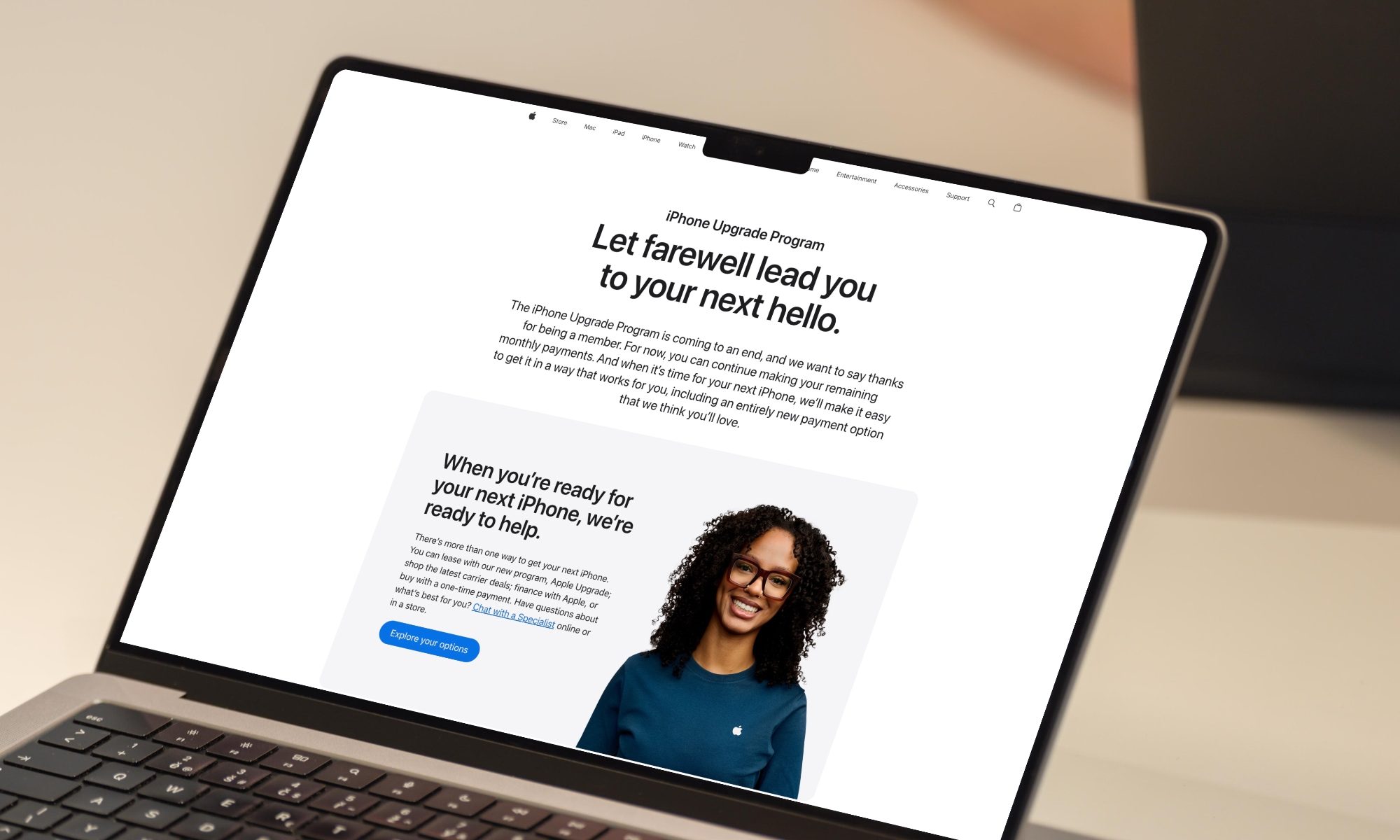
The introduction of the Apple Upgrade program signifies a strategic shift by Apple, moving beyond traditional retail sales to embrace a more subscription-like model for its hardware. This aligns with broader industry trends where financing and leasing options are becoming increasingly common for high-value consumer electronics. The partnership with Klarna, a company with a strong presence in the "buy now, pay later" market, underscores Apple’s intent to cater to a wider demographic by offering more flexible payment solutions.
The program’s success will likely depend on several factors, including the clarity of its terms and conditions, the competitiveness of its monthly rates compared to other financing options, and Apple’s ability to manage customer expectations regarding device depreciation and upgrade cycles. For consumers, the Apple Upgrade program offers a new avenue to access premium technology, but it necessitates careful consideration of individual financial circumstances and long-term device usage plans to determine if it represents a genuine benefit or simply a different method of paying for the same products over a longer period. The program’s ultimate impact on consumer behavior and the broader electronics market will become clearer as it gains traction and user feedback emerges.