The M1 MacBook Air’s Remarkable Speakers Paled by Its Successor, the M5 Model

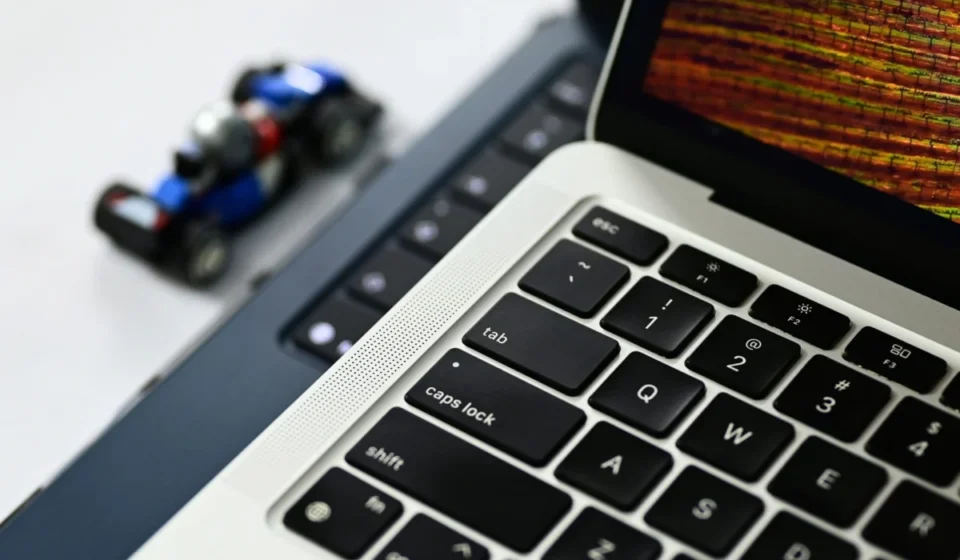
For nearly four years, the M1 MacBook Air served as the workhorse for countless tasks, from crafting news articles and editing photos to accompanying its user on flights and workcations. While its sleek design garnered frequent admiration, it was the laptop’s audio output that consistently drew the most effusive praise. Whether it was the immersive soundscapes of blockbuster movies like The Conjuring, the dynamic action sequences from Spider-Man films, or even the familiar cadence of a Friends episode, the M1 MacBook Air delivered audio that transcended the typical limitations of laptop speakers, projecting a clarity and volume that felt remarkably robust. Even subtle audio cues, such as the distinct chime of a charging connection or a system notification, were rendered with an impressive fidelity that consistently surprised users. This consistent audio performance established a high benchmark for subsequent Apple portable computing devices.
The unexpected failure of this trusted M1 MacBook Air in June 2026 necessitated an immediate upgrade. The replacement, a 13-inch M5 MacBook Air equipped with 16GB of RAM and 512GB of storage, represented a significant leap forward in processing power and overall capabilities, boasting five generations of technological advancement. However, in a surprising turn of events, the audio experience on this newer model fell short of its predecessor, a discrepancy that has been noted by both users and industry observers.
The Four-Speaker Paradox: An "Upgrade" That Misses the Mark
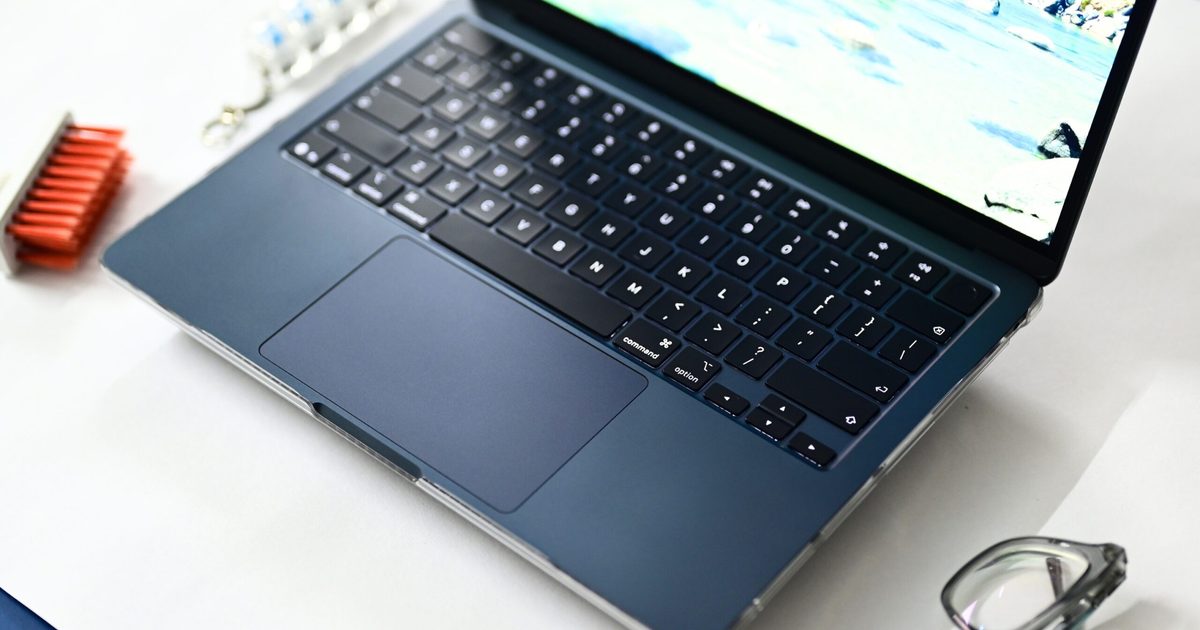
On paper, the M5 MacBook Air’s transition from a two-speaker system to a four-speaker setup should have signified an auditory improvement. The specifications suggest a more complex and potentially richer sound profile. Yet, in practical use, the reality diverges sharply from this expectation. User experiences and direct comparisons reveal that the M5 MacBook Air’s audio output, while clear, lacks the volume and immersive quality that characterized the M1 model.
The auditory experience on the M5 MacBook Air is often described as having a thin, somewhat hollow midrange. High frequencies can sometimes sound shrill, and the low-end presence, crucial for conveying depth and impact in music and movies, is noticeably diminished. This sound signature prioritizes the clarity of dialogue, a vital aspect for productivity and video calls, but it compromises the overall richness and dynamism needed for entertainment. Explosions in action films or the resonant tones of a musical instrument are rendered with less authority, leaving content feeling somewhat flat and lacking the visceral impact that many users had come to expect.
This perceived degradation in audio quality was not an isolated observation. The author of the original report experienced this firsthand during the M5 MacBook Air’s setup process, instinctively reaching for the volume controls only to find them already at their maximum. A subsequent conversation with a friend, who had previously complimented the M1 MacBook Air’s speakers, confirmed this sentiment. The friend’s simple question, "What’s wrong with the speakers?" echoed a growing sentiment among users who had experienced both models.
Unpacking the Auditory Discrepancy: Hardware and Design Choices
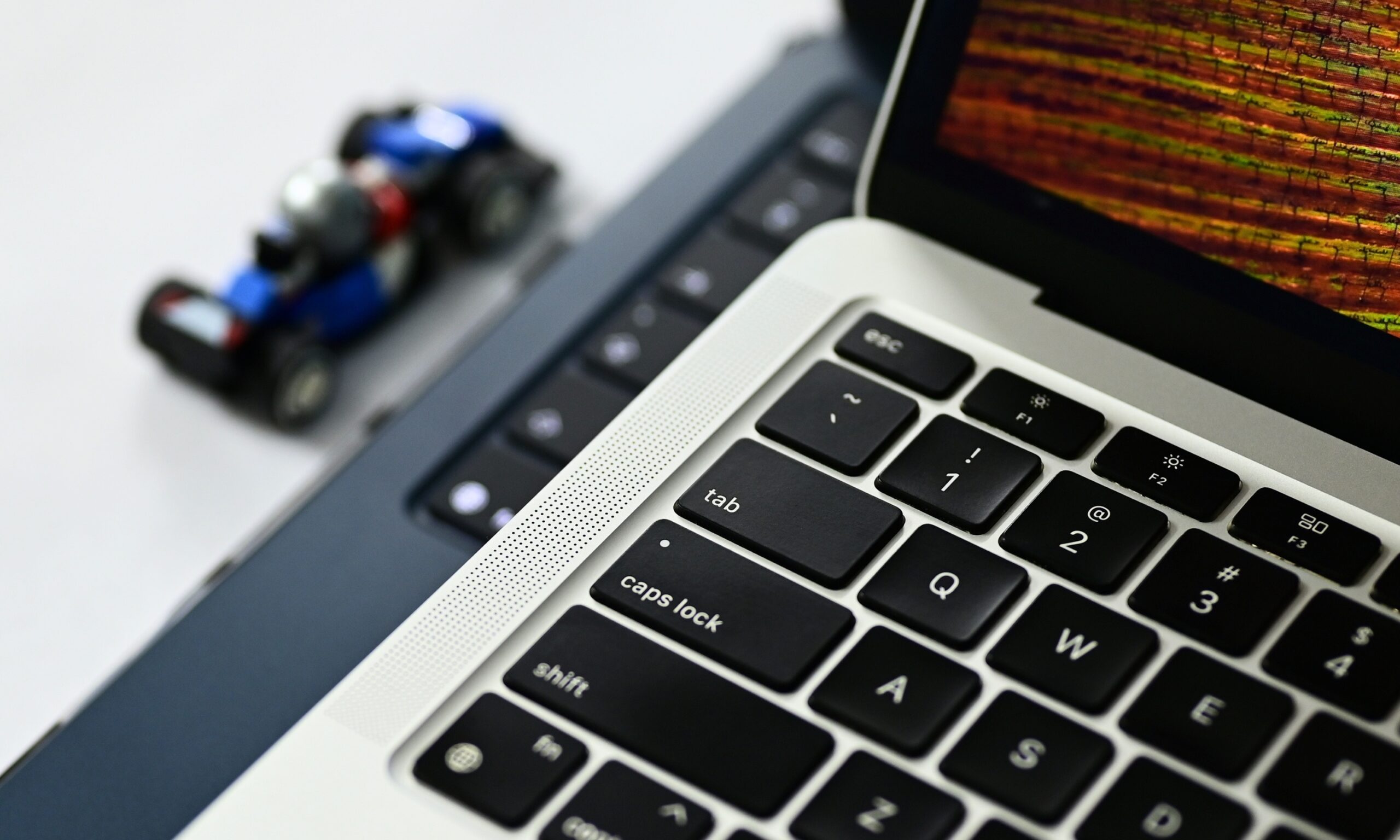
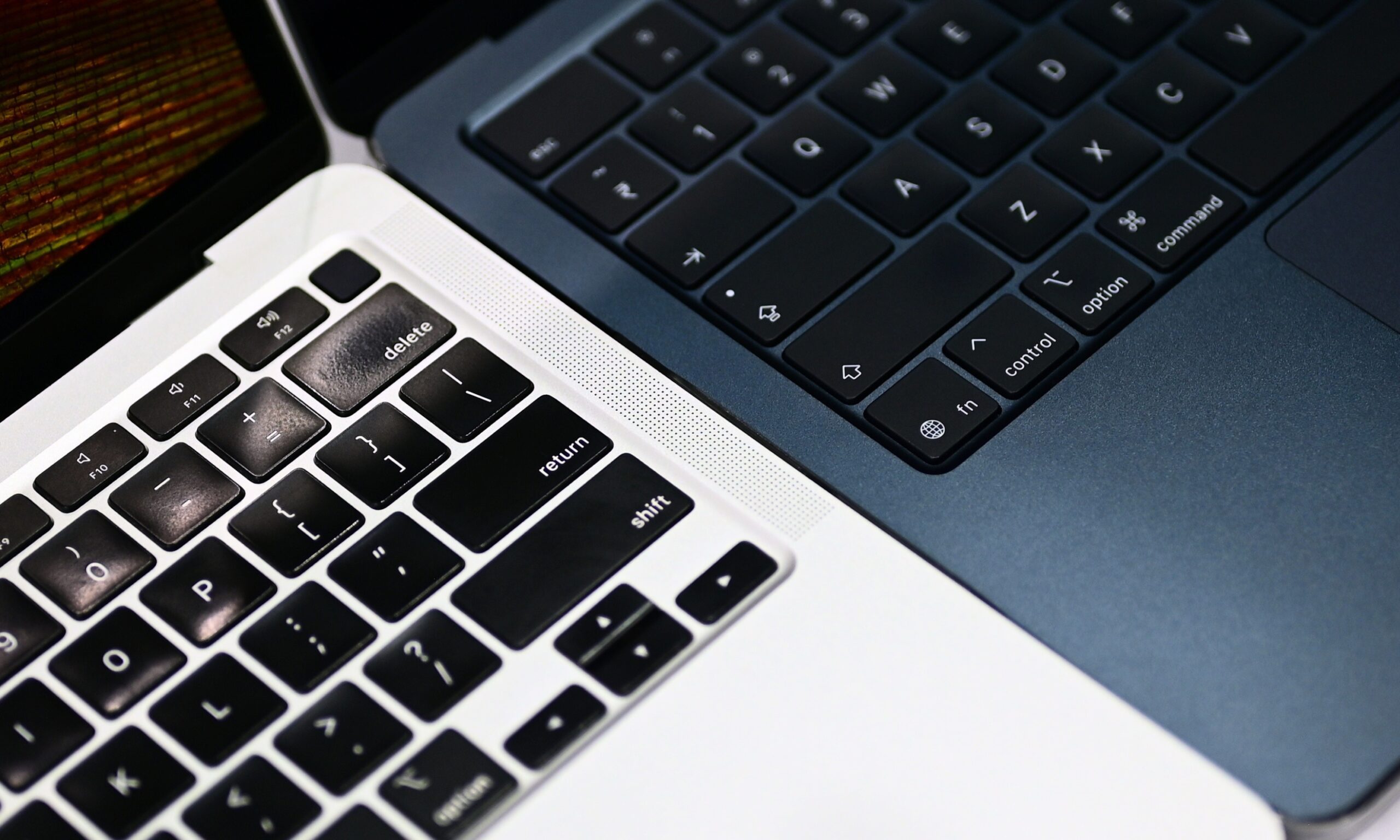
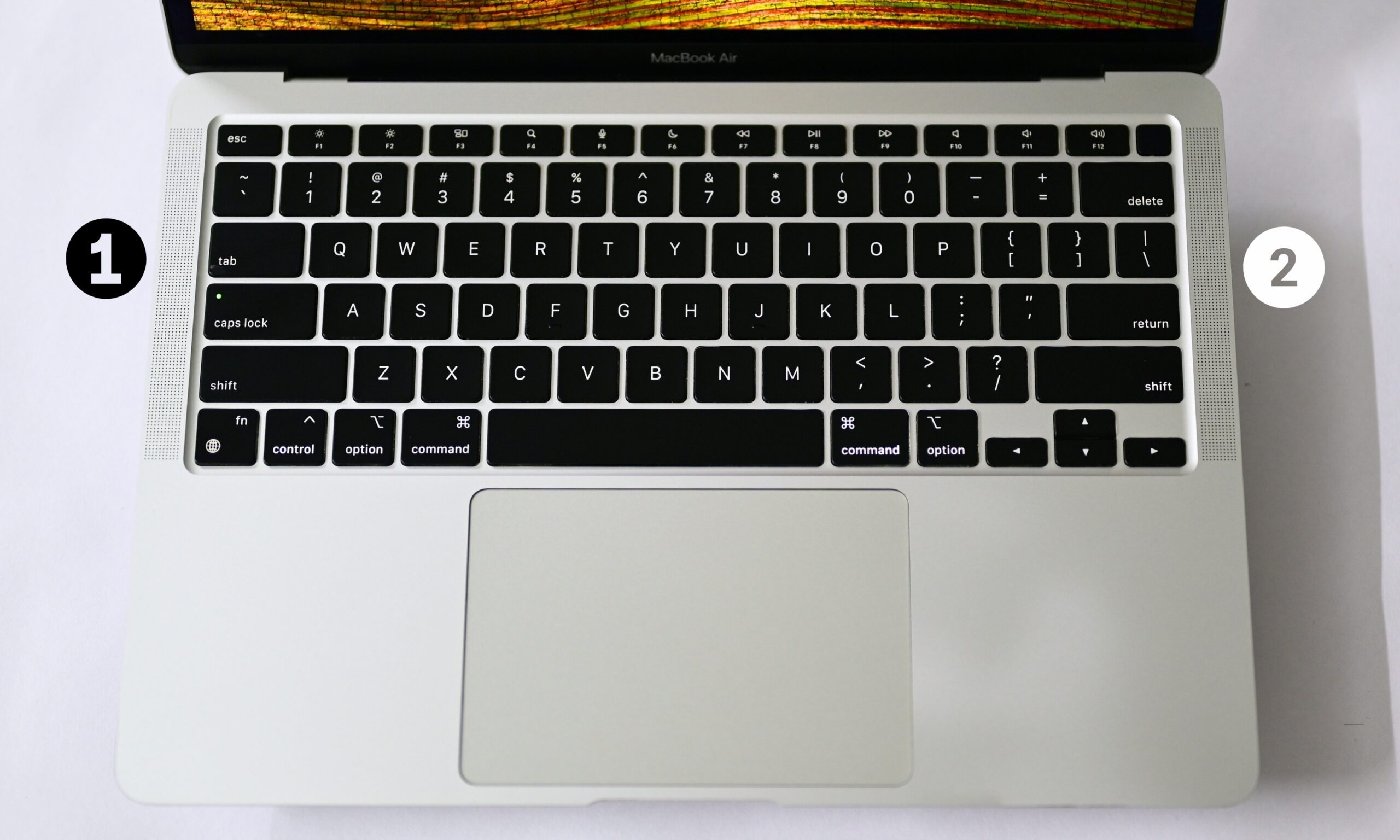
The fundamental difference in speaker placement and design between the M1 and M5 MacBook Air models appears to be the primary driver behind this perceived audio downgrade. The M1 MacBook Air featured two upward-firing speakers, strategically positioned to direct sound directly towards the user’s ears. This direct projection method is highly effective in preserving the integrity of sound frequencies, particularly the lower ones, and contributing to a more immediate and robust audio experience.
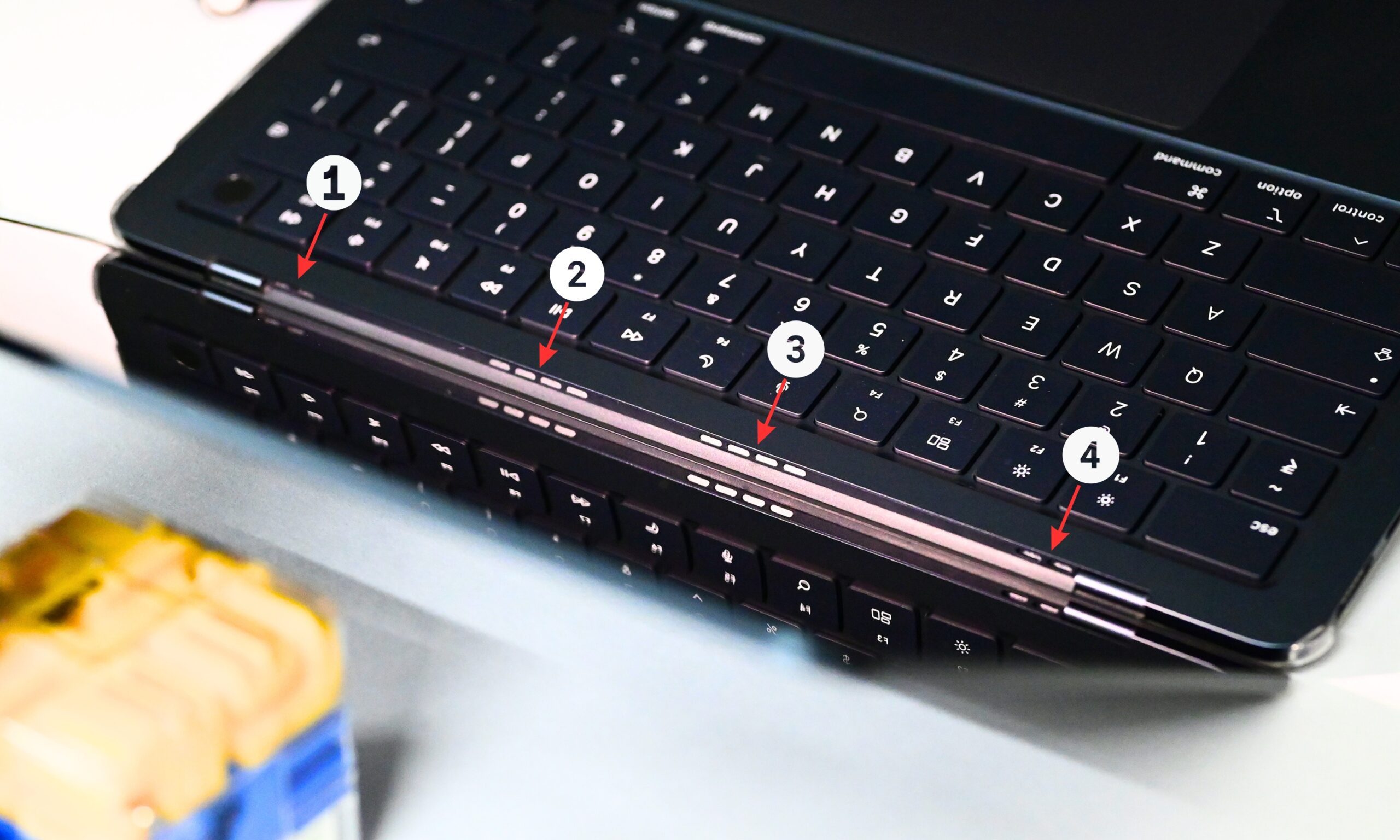
In contrast, the M5 MacBook Air incorporates its four-speaker system within the hinge mechanism, concealed beneath the display. This design choice means that the sound waves are not projected directly at the listener but instead reflect off the display panel before reaching the user. This indirect route of sound propagation is known to affect audio fidelity. Specifically, low frequencies are more susceptible to scattering and dissipation when bouncing off surfaces, which could explain the diminished bass response and the relative prominence of higher frequencies in the M5 model’s output. The acoustics of this reflected sound can lead to a narrower soundstage and a less impactful auditory experience compared to direct-firing speakers.
To verify these observations, direct side-by-side comparisons were conducted. The M5 MacBook Air was pitted against a friend’s M1 MacBook Air, and the audible differences were stark. While the M5 offered clarity, the M1 was demonstrably louder, fuller, and more capable of filling a room with sound, making it the preferred choice for casual music playback or immersive movie watching.
Community Consensus: A Shared Experience Online
The concerns regarding the M5 MacBook Air’s audio performance are not confined to individual experiences. Online forums and community discussions reveal a broader consensus among users. On platforms like Reddit, numerous threads discuss the perceived inferiority of the M5 MacBook Air’s speakers compared to the M1 model. Users have shared their experiences, with many corroborating the observation that the M1 MacBook Air’s audio output remains superior in terms of loudness and overall richness.
One Reddit user, who claims to own four MacBooks, stated on the r/macbook subreddit that the "M1 actually sounds the loudest of them all." This sentiment is echoed by others who note that the M5 speakers, while potentially cleaner in some contexts, are "too much optimized for normal speech/dialogue clarity." This suggests a design philosophy that prioritizes intelligibility for communication over the immersive audio experience desired for entertainment. The common thread across these discussions is the absence of the "loudness and richness" that made the M1 MacBook Air’s speakers so noteworthy, particularly at higher volumes.
Exploring Software Solutions: Can EQ and Enhancements Mitigate the Shortcomings?
Given the hardware-based nature of the audio difference, the question arises whether software adjustments within macOS can compensate for the perceived downgrade. Apple’s Music app offers two built-in tools that can be utilized to fine-tune the audio output of the M5 MacBook Air: the Equalizer and the Sound Enhancer.
The Equalizer: Fine-Tuning Frequencies
The Equalizer, accessible through the Music app’s taskbar (Window > Equalizer), allows users to manually adjust specific frequency bands. Crucially, it includes a Preamp slider that controls the overall output level before individual frequency adjustments are applied. Increasing the Preamp can indeed make the M5 MacBook Air’s speakers sound louder, and strategically boosting the lower-frequency sliders can help to partially restore some of the missing bass presence.
However, this approach comes with a caveat. Pushing the Preamp excessively, especially when the system volume is already at its maximum, can lead to audible distortion and clipping. This results in a crackly, strained sound quality that can be more jarring and less pleasant than accepting the speakers’ inherent limitations. Therefore, users must exercise caution and moderation when employing the Equalizer to avoid degrading the audio further.
Sound Enhancer: Widening the Perceived Soundstage
The Sound Enhancer, located under Music > Settings > Playback, operates on a different principle. Instead of directly manipulating frequency levels, it aims to broaden the perceived soundstage by subtly altering the processing of bass and treble in conjunction. This feature attempts to create an illusion of a more spacious and immersive audio environment, compensating for the limitations of the closely spaced, hinge-mounted speakers.
While the Sound Enhancer does not add bass weight in the same way as the Equalizer, it demonstrably improves the sense of spaciousness in the audio. Music can sound less confined and more centered, offering a more pleasing listening experience for everyday use. A recommended approach for users seeking to optimize their M5 MacBook Air’s audio would be to start with the Sound Enhancer for general listening, and then, if desired, incorporate modest adjustments to the Preamp and lower frequencies via the Equalizer.
It is important to note that these software solutions, while helpful, cannot fully replicate the natural loudness and richness that the M1 MacBook Air’s upward-firing speakers provided without any external manipulation.
Broader Implications and Future Considerations
The discrepancy in speaker performance between the M1 and M5 MacBook Air models raises questions about Apple’s design priorities and the evolution of its product lines. While the M5 MacBook Air offers a significant generational leap in processing power and overall performance, the regression in audio quality for this specific component is a notable trade-off. This situation serves as a reminder that technological advancements in one area do not always translate to improvements across all aspects of a device.
For consumers, particularly those upgrading from an M1 MacBook Air, this difference in speaker quality is not insignificant. While the average user might not notice the subtle degradation, individuals who have grown accustomed to the M1’s impressive audio output will likely find the M5’s performance a discernible step down. This highlights the importance of considering all aspects of a device’s user experience, not just the headline specifications.
It is worth noting that Apple has continued to refine its audio solutions in subsequent models. The 15-inch M5 MacBook Air, for instance, features a more robust six-speaker system, indicating a recognition of the importance of audio quality. Furthermore, for users who prioritize the superior, direct-firing speaker experience, Apple’s MacBook Pro models continue to offer this premium audio capability. This suggests that the hinge-mounted speaker design in the 13-inch M5 MacBook Air might be a specific design choice for that particular form factor and price point, rather than a universal shift in Apple’s audio strategy.
Conclusion: A Downside to Progress
The M5 MacBook Air represents a powerful and capable laptop, offering substantial performance upgrades over its predecessor. However, the regression in speaker quality is a tangible drawback that discerning users, particularly those upgrading from the M1 MacBook Air, will likely notice. While software enhancements can offer some mitigation, they cannot fully compensate for the loss of the direct-firing, high-fidelity audio that made the M1 MacBook Air a standout in its class. This situation serves as a valuable case study in how design choices, even those seemingly minor, can significantly impact the overall user experience and highlights the importance of comprehensive product reviews that address all facets of a device’s performance. For those prioritizing audio fidelity, careful consideration of the specific MacBook Air model or a potential step up to a MacBook Pro may be warranted.