Sony’s Next Xperia Phone is Coming August 24, But It’s Likely to Skip the U.S. Market

Sony is preparing to launch a new smartphone on August 24, a move that follows the May unveiling of its flagship Xperia 1 VIII. While the Japanese technology giant has not officially named the device, industry speculation and recent leaks strongly suggest it will be the mid-range Xperia 10 VIII. This upcoming release marks another iteration in Sony’s Xperia lineup, a brand known for its focus on multimedia capabilities and a distinct design aesthetic, often appealing to a niche audience of enthusiasts. The timing of this announcement, relatively soon after the flagship’s release, indicates Sony’s continued strategy of segmenting its smartphone offerings to cater to different market needs and price points.
Event Details and Predicted Specifications
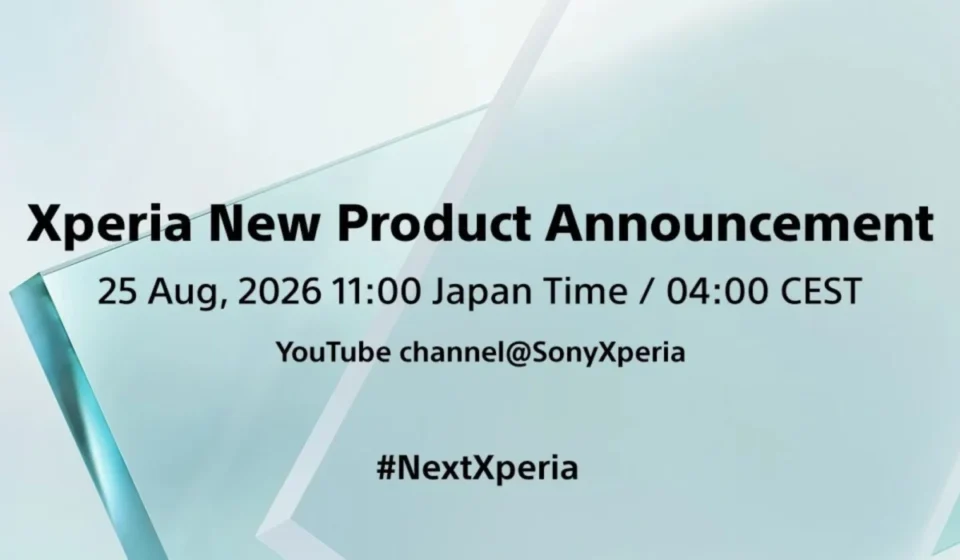
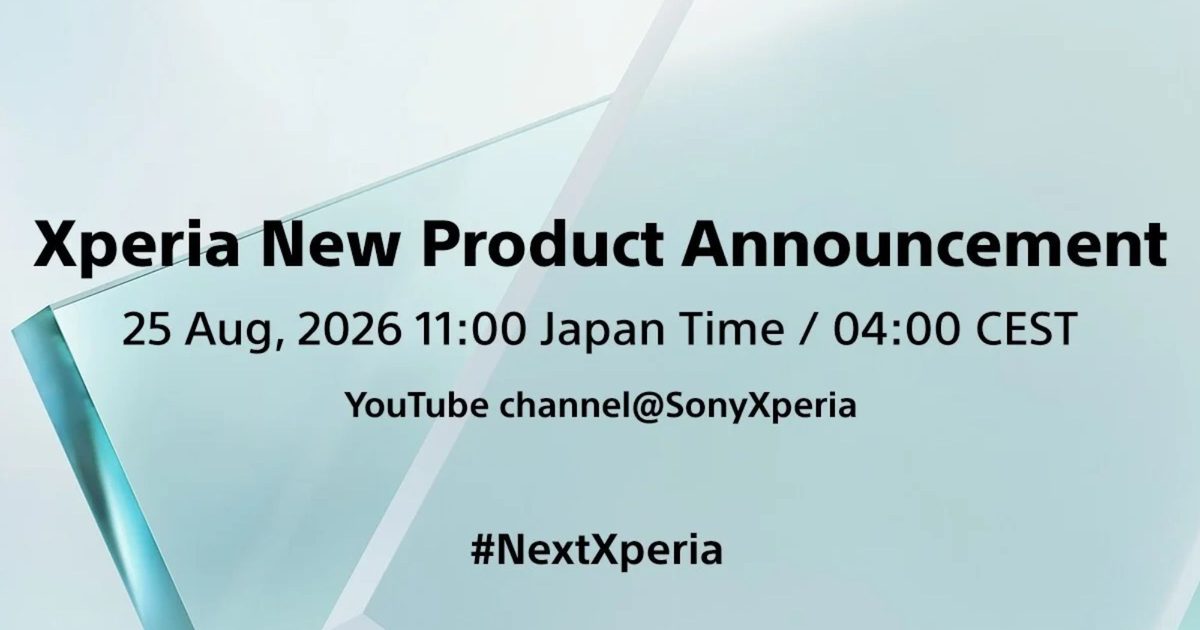
The launch event is scheduled to be streamed live on YouTube starting at 11 AM Japan Standard Time on August 25. For audiences in the United States, this translates to 10 PM Eastern Time and 7 PM Pacific Time on August 24, effectively making the announcement a late-night event for North American consumers. Despite the lack of official details from Sony, a series of leaks and regulatory filings have provided significant insight into the potential specifications of the new Xperia device.
A prominent indicator of the device’s identity comes from a Geekbench listing that identified a Sony device codenamed XQ-GH54. This listing revealed the presence of a Snapdragon 6 Gen 3 chipset paired with 8GB of RAM. Intriguingly, this chipset and RAM configuration mirrors that of the previous generation, the Xperia 10 VII. This suggests that Sony may be opting for a strategy of iterative improvement rather than a radical overhaul for its mid-range offering, a practice not entirely new to the Xperia 10 series, as seen between the Xperia 10 IV and Xperia 10 V. Such a decision could be aimed at maintaining cost-effectiveness and a familiar user experience, though it might disappoint users seeking cutting-edge performance in this segment.
Further details have emerged from an FCC filing submitted in July. This filing confirmed the inclusion of a 3.5mm headphone jack, a feature increasingly becoming a rarity in the smartphone market and one that is often appreciated by audiophiles and users who prefer wired audio solutions. The filing also indicated support for Wi-Fi 6, a standard offering enhanced speed and efficiency for wireless networking, and compatibility with four LTE bands, suggesting a focus on established cellular technologies.
While specific display and battery details are pending official confirmation, it is anticipated that the Xperia 10 VIII might retain key specifications from its predecessor. The Xperia 10 VII featured a 6.1-inch 120Hz OLED display, offering vibrant colors and smooth scrolling, along with a 5,000mAh battery, providing solid endurance for daily use. These specifications, if carried over, would position the Xperia 10 VIII as a capable device for media consumption and everyday tasks, aligning with Sony’s traditional strengths in display technology.

In contrast, the recently launched Xperia 1 VIII boasts a more premium specification sheet, including a Snapdragon 8 Elite Gen 5 chip and an advanced telephoto sensor. The disparity in hardware highlights Sony’s tiered approach to its smartphone portfolio, with the Xperia 1 VIII targeting power users and photography enthusiasts, while the Xperia 10 VIII is positioned for a broader audience seeking value and core smartphone functionality.
U.S. Market Exclusion: A Recurring Trend
A significant point of contention for potential U.S. buyers is Sony’s apparent decision to once again exclude the North American market from the Xperia 10 VIII’s release. Despite earlier reports that suggested a wider global rollout for new Xperia models, including those listed in IMEI databases earlier this year, a clear U.S.-specific model number has not been identified for the Xperia 10 VIII. This lack of a dedicated U.S. variant strongly indicates that the device will likely not be officially available through carriers or major retailers in the United States.
Sony’s approach to the U.S. smartphone market has been characterized by a selective presence in recent years. While the company continues to innovate and release devices globally, its strategic focus has often leaned towards markets where its brand recognition and market share are more robust, particularly in Asia and Europe. This decision, while perhaps commercially sound from Sony’s perspective, leaves a segment of U.S. consumers who are interested in Sony’s unique smartphone offerings without a direct avenue to purchase the latest mid-range models.

For enthusiasts in the U.S. who are keen on acquiring the Xperia 10 VIII, the only recourse would likely be to explore unofficial import channels. However, this path often comes with potential drawbacks, including warranty complications, carrier compatibility issues, and the absence of localized software support.
Analysis of Implications and Market Position
The anticipated specifications of the Xperia 10 VIII, particularly the potential reuse of the Snapdragon 6 Gen 3 chipset, position it as a modest refresh rather than a groundbreaking device. In the highly competitive mid-range smartphone market, where manufacturers are constantly pushing boundaries in terms of performance, camera technology, and innovative features, a device that relies on largely unchanged core components might struggle to capture significant market share.
However, Sony’s strategy could be to leverage its established brand loyalty and its niche appeal. The Xperia line has cultivated a dedicated following among users who appreciate its distinctive design language, its focus on creator-centric features (even in its mid-range models), and its commitment to maintaining certain hardware elements like the headphone jack. For these consumers, a stable and familiar experience might be more desirable than constant hardware upgrades.

The decision to exclude the U.S. market from the Xperia 10 VIII’s launch also reflects a broader trend among some manufacturers to optimize their product portfolios for specific regions. This allows for more targeted marketing efforts, streamlined supply chains, and a greater focus on regions where the return on investment is deemed highest. While this can lead to a more efficient business model for the company, it invariably limits consumer choice in other markets.
The official announcement on August 24 will be crucial in confirming the exact pricing, detailed specifications, and confirmed availability regions for the Xperia 10 VIII. Should the leaks prove accurate, potential buyers will need to weigh the known quantities of a familiar and refined mid-range experience against the rapidly evolving landscape of the global smartphone market. For those in the U.S., the anticipation will likely remain tempered by the expectation that this particular Xperia device will not be readily accessible, reinforcing Sony’s current market strategy in North America. The success of the Xperia 10 VIII will ultimately depend on its ability to resonate with its target audience and offer compelling value within its specific market segments, even if that market does not include the United States.