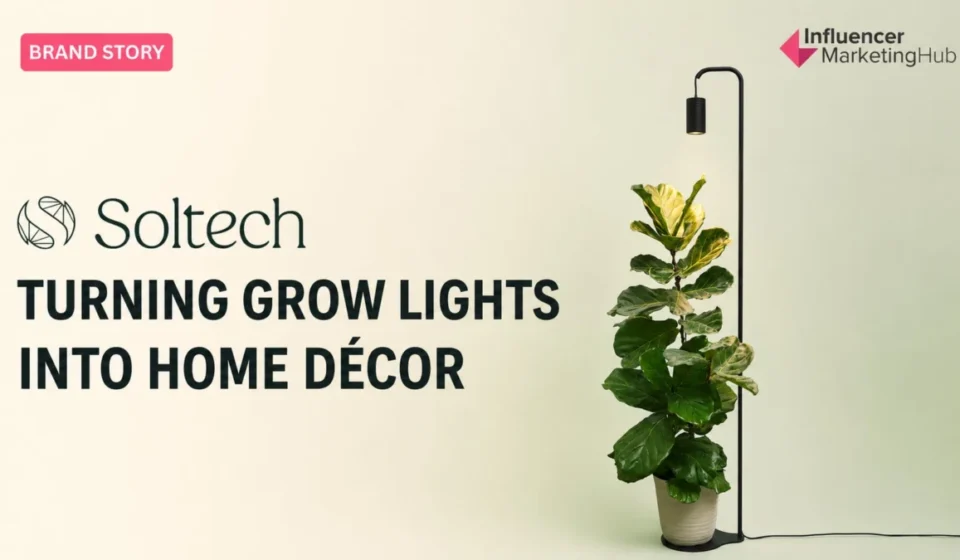
How Soltech Used Plant Creators to Turn Grow Lights Into Home Décor

The intersection of horticulture and interior design has undergone a radical transformation over the last decade, driven largely by a shift in how functional tools are marketed to aesthetic-conscious consumers. Soltech, a pioneer in the specialized lighting industry, successfully navigated this transition by leveraging a niche but powerful group of digital tastemakers known as "plant creators." By moving away from the industrial, purple-hued "blurple" lights traditionally used in indoor farming and focusing on high-end, museum-quality illumination, the company repositioned grow lights from utilitarian basement fixtures to essential components of modern home décor. This strategic pivot highlights a broader trend in influencer marketing where authenticity and niche expertise drive significant brand equity and market share.
The Aesthetic Revolution of Indoor Gardening
For decades, indoor gardening was largely divided into two camps: the hobbyist with a windowsill of succulents and the serious indoor cultivator using high-intensity, industrial-grade equipment. The latter group relied on High-Pressure Sodium (HPS) or early-generation LED lights that emitted a harsh, unnatural glow. While effective for plant growth, these tools were visually disruptive and unsuitable for living rooms, kitchens, or professional office spaces.
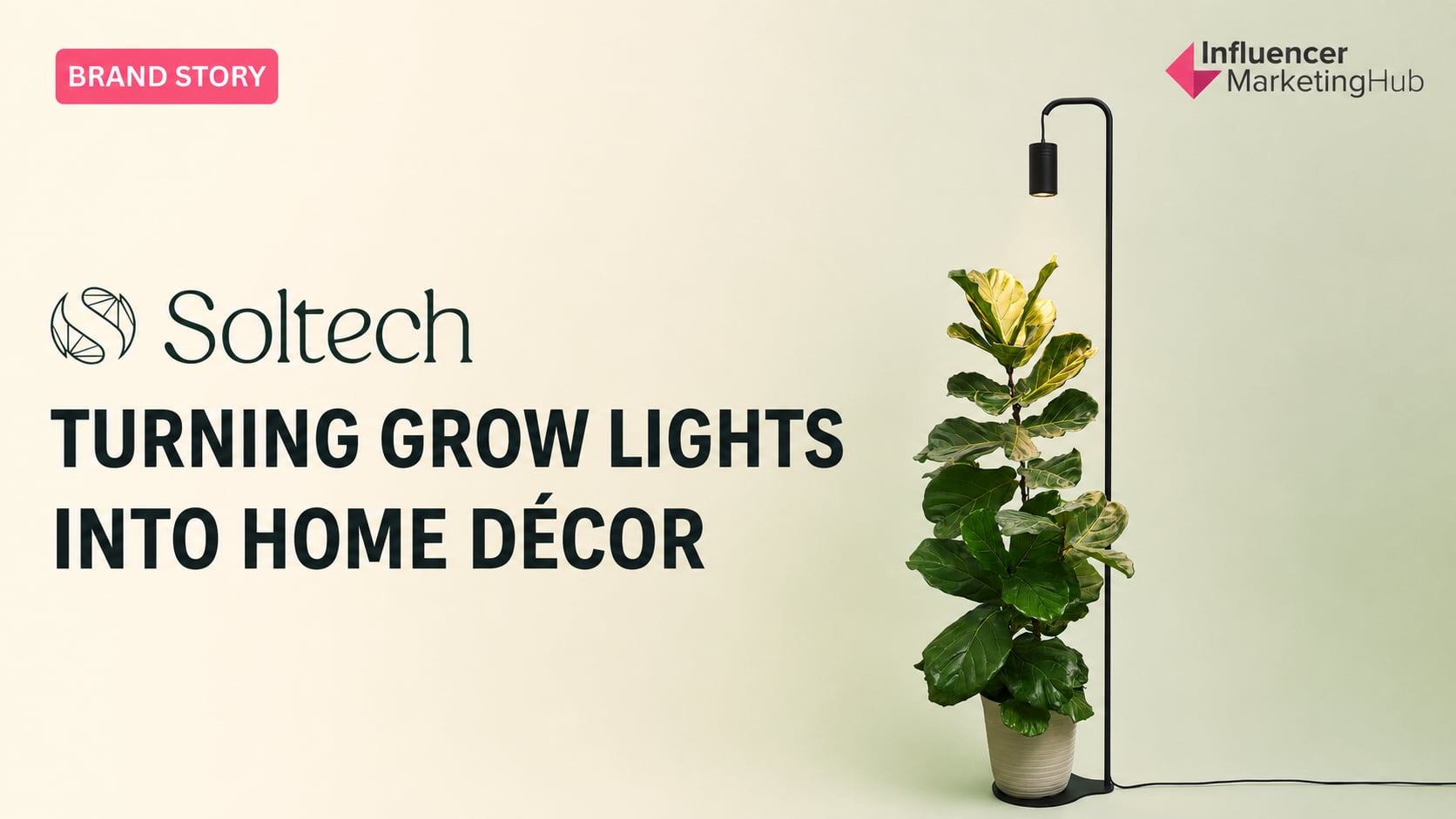
Soltech identified a significant gap in the market for "biophilic design"—the practice of connecting building occupants more closely to nature through the use of direct nature, indirect nature, and space and place conditions. The company’s flagship product, the Aspect, was designed to provide the specific PAR (Photosynthetically Active Radiation) needed for plant health while emitting a warm, 3000K white light that mimics natural sunlight. However, creating a superior product was only the first step. To penetrate the mainstream market, Soltech needed to change the consumer perception of what a grow light could be.
The Strategy: Empowering the Plantfluencer Economy
The rise of the "Plantfluencer" provided Soltech with the perfect vehicle for this repositioning. On platforms like Instagram and TikTok, creators dedicated to "urban jungles" and "plant parenthood" had built massive, highly engaged audiences. Unlike traditional lifestyle influencers, these creators were viewed as subject matter experts. When they showcased a thriving Fiddle Leaf Fig or a rare Monstera Deliciosa, their followers looked for the specific tools keeping those plants alive in low-light urban apartments.
Soltech’s strategy was not merely to buy ad space but to integrate their products into the visual narratives of these creators. By providing lights to influencers who already had a reputation for interior styling, Soltech ensured their products were seen in situ. The grow lights were no longer just hardware; they were the "sunlight" that allowed a creator to place a tropical plant in a dark corner of a Brooklyn loft. This visual proof-of-concept was essential in convincing consumers that they could maintain a lush indoor garden without sacrificing their home’s aesthetic integrity.
Chronology of Growth: From Kickstarter to Mainstream
The trajectory of Soltech reflects the broader explosion of the indoor gardening market, which saw unprecedented growth during the global pandemic.
- Founding and Kickstarter (2014-2016): Soltech was founded with a mission to merge botany and design. Their initial Kickstarter campaigns proved there was a hungry market for "lifestyle" grow lights, raising significant capital and validating the demand for aesthetic plant care solutions.
- Early Influencer Adoption (2017-2019): Before the term "plantfluencer" became mainstream, Soltech began seeding products to early adopters in the plant community. This period was marked by organic growth as creators sought out the Aspect light to solve the problem of "winter die-off" in their collections.
- The 2020 Pivot: As the COVID-19 pandemic forced millions to stay indoors, the "plant parent" trend exploded. According to the National Gardening Association, the industry saw an increase of nearly 20 million new gardeners in 2020 alone. Soltech capitalized on this by ramping up partnerships with creators who were teaching new hobbyists how to care for their "quarantine plants."
- Expansion and Diversification (2021-Present): Following the success of the Aspect, Soltech expanded its line to include the Highland (a track-lighting system) and the Vita (a screw-in bulb). This allowed them to reach different price points and installation needs while maintaining their foothold in the creator economy.
Supporting Data: The Value of the Niche
The effectiveness of Soltech’s influencer strategy is supported by broader market data regarding the ROI of niche marketing. Research indicates that "micro-influencers" (those with 10,000 to 100,000 followers) often boast engagement rates up to 60% higher than celebrity influencers. In the plant world, this engagement is even more potent because it is rooted in education and troubleshooting.
Market analysis from 2023 suggests that the global indoor gardening market is expected to reach over $26 billion by 2028. Within this, the LED grow light segment is the fastest-growing category. Soltech’s decision to target the "decor-first" consumer allowed them to command a premium price point. While a standard industrial grow light might retail for $30, Soltech’s designer fixtures often start at $150 or more. The "influencer tax"—the added value brought by social proof and aesthetic appeal—transformed a commodity into a luxury good.
Technical Innovation and Official Vision
Soltech’s founders have frequently emphasized that their success is as much about light quality as it is about marketing. In various industry statements, the company has highlighted the "CRI" (Color Rendering Index) of their lights. Most industrial lights have a low CRI, making plants look dull or gray. Soltech’s fixtures maintain a high CRI, ensuring that the vibrant greens and variegations of expensive houseplants are seen in their true colors.
"Our goal was always to make the technology disappear," a company spokesperson noted in a recent design forum. "We wanted people to notice the plant, not the light. By working with creators who understand light as a design element, we were able to communicate that the Aspect isn’t just a tool for the plant; it’s a tool for the room."
This sentiment is echoed by the creators themselves. Many plantfluencers report that the primary barrier for their followers is "low light anxiety." By positioning Soltech lights as the solution to this anxiety, creators moved from being mere endorsers to being problem-solvers for their audience.
Broader Impact and Implications for the Industry
The success of Soltech’s approach has had a ripple effect across the home improvement and tech industries. It has forced traditional lighting companies to reconsider their consumer-facing designs. We are now seeing a "Soltech effect" where brands in other utilitarian sectors—such as air purifiers, humidifiers, and smart home hubs—are prioritizing minimalist, Scandinavian-inspired designs to appeal to the same demographic.
Furthermore, this case study illustrates the evolving nature of the "Creator Economy." It is no longer enough for a brand to simply have a presence on social media; they must facilitate the creation of high-quality, aspirational content. Soltech provided the "lighting" both literally and figuratively for thousands of viral posts, creating a self-sustaining marketing loop. Every time a creator posted a photo of a thriving Monstera under a Soltech light, they were providing a testimonial that was more effective than any traditional billboard.
Analysis of the "Home Décor" Shift
The psychological impact of this shift cannot be understated. By labeling grow lights as "décor," Soltech tapped into the "nesting" instinct of Millennials and Gen Z, who represent the largest share of houseplant buyers. For these demographics, plants are more than just decoration; they are "wellness" items. Studies have shown that indoor greenery reduces stress and improves air quality. By providing the means to keep these plants alive in any environment, Soltech positioned itself as a wellness brand disguised as a lighting company.
The implication for future retail is clear: functionality is the baseline, but aesthetic integration is the differentiator. As urban living spaces continue to shrink and the desire for "green" interiors grows, the demand for technology that harmonizes with home styling will only increase. Soltech’s journey from a Kickstarter project to a staple of the "Plantstagram" era serves as a blueprint for how technical brands can achieve mainstream success through strategic, community-focused influencer partnerships.
In conclusion, Soltech did not just sell a product; they sold a lifestyle where nature and modern living coexist seamlessly. By empowering plant creators to act as both educators and stylists, they successfully rebranded a piece of industrial hardware into a must-have home accessory, securing their place at the forefront of the biophilic design movement.