Insta360 X6 Unveiling Highlights Ambitious Ecosystem Vision for Mainstream 360-Degree Content and Multi-Camera Consolidation

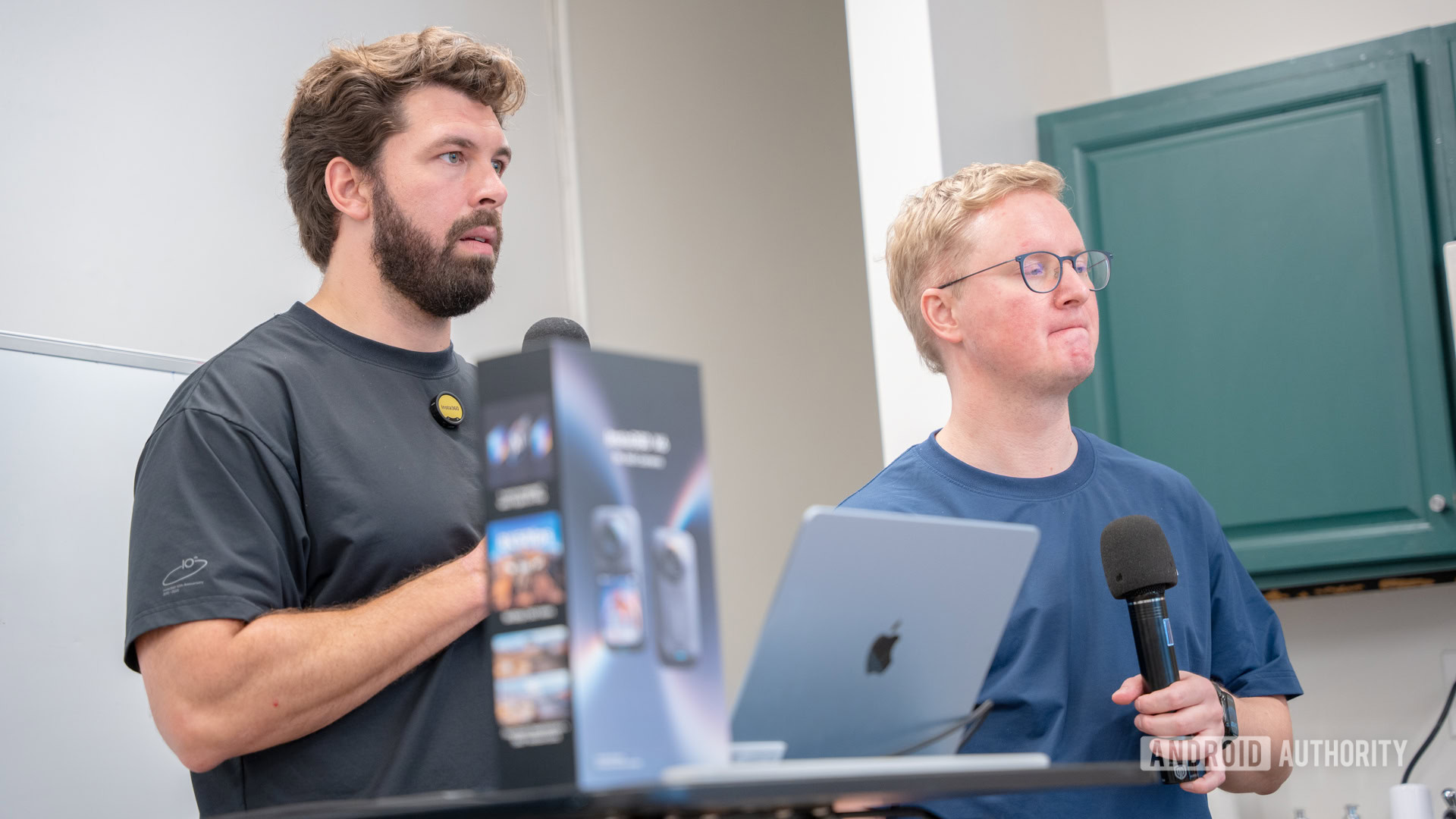
At a recent exclusive preview event in New York City, the spotlight was not solely on Insta360’s latest hardware innovation, the Insta360 X6 camera. Instead, the gathering served as a platform for the company to articulate a far more expansive vision: a future where 360-degree content creation is universally accessible, and a single Insta360 device could potentially render several specialized cameras obsolete. The unveiling of the X6 was framed within a broader narrative, emphasizing Insta360’s decade-long journey and its strategic push towards an integrated ecosystem designed to democratize immersive video. The company’s focus on leveraging advanced artificial intelligence to simplify the content creation workflow emerged as a pivotal element of this ambitious strategy, suggesting a transformative shift for both casual users and professional creators.
A Decade of Innovation: Insta360’s Journey to Market Leadership
Insta360, founded in 2014, embarked on a mission to redefine how people capture and share experiences. Its early days were characterized by a pioneering spirit in the nascent 360-degree camera market. The company’s first significant consumer offering, the Insta360 Nano, launched in 2016. This innovative device, designed to attach directly to an iPhone, marked a bold entry into a landscape dominated by traditional cameras. At the time, the concept of widespread 360-degree video adoption seemed distant. Industry observers, including seasoned tech journalists, harbored skepticism regarding the practicality and mass appeal of such technology. The barriers to entry for creating 360-degree content were considerable: users required specialized cameras, robust software for stitching multiple camera feeds, significant computing power for processing large video files, and a considerable degree of editing expertise. Producing immersive content was a time-consuming endeavor, demanding resources and skills typically associated with professional videography.
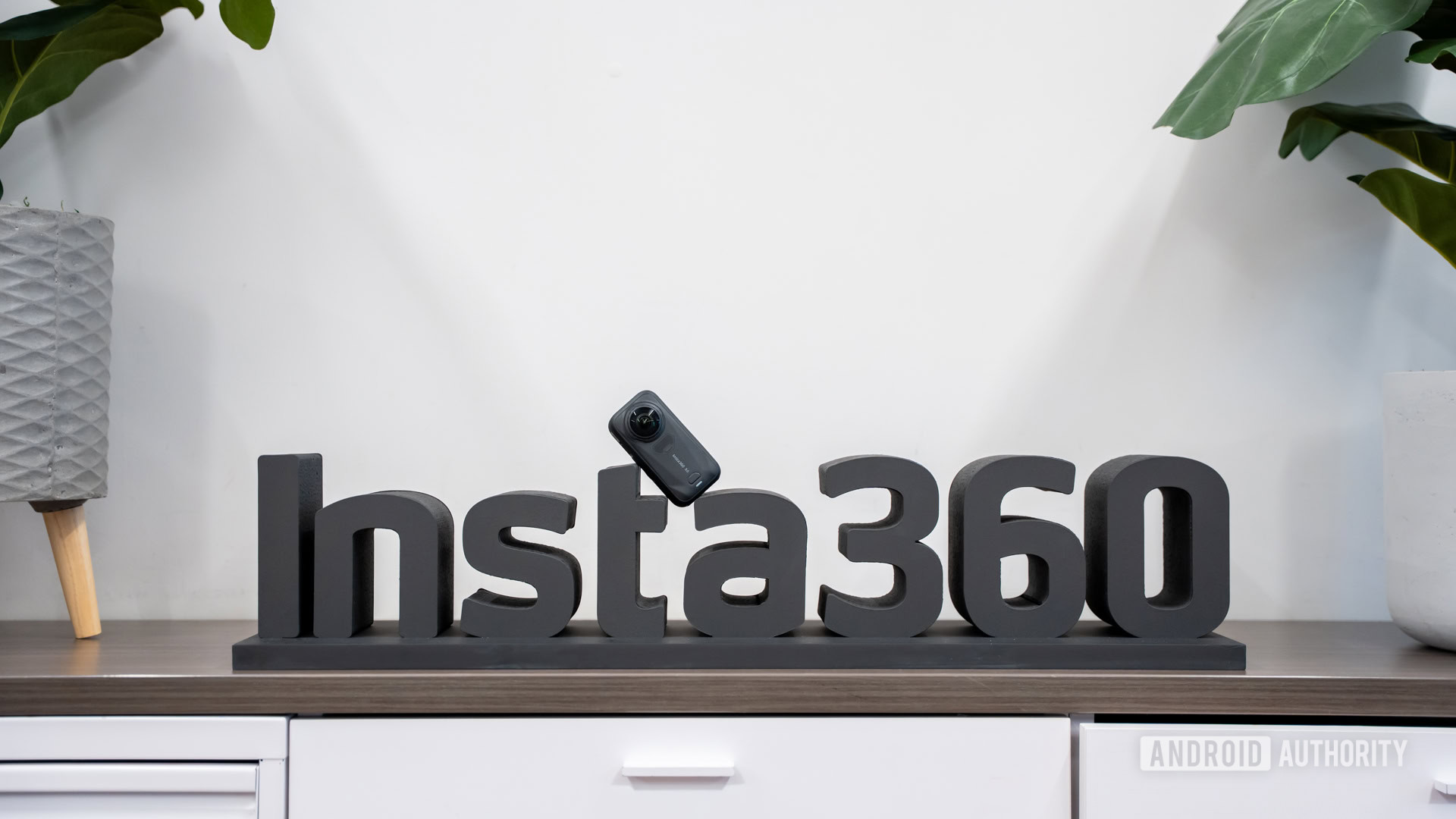
Despite these initial challenges and the experimental nature of the technology, Insta360 persisted. Over the past decade, the company has systematically addressed these hurdles through continuous innovation in both hardware and software. This relentless pursuit of user-friendliness and technological advancement has allowed Insta360 to evolve from a nascent startup into the undisputed market leader in consumer-focused 360-degree cameras. Its product lines, including the popular ONE X series and GO series, have consistently pushed the boundaries of what portable, immersive cameras can achieve, capturing a significant share of a rapidly expanding niche.
Bridging the Gap: Making 360-Degree Video Accessible
While Insta360 has successfully cultivated a thriving community of enthusiasts, particularly among thrill-seekers, extreme sports athletes, and professionals in fields like real estate and tourism, widespread casual adoption of 360-degree content has remained somewhat elusive. The perceived complexity of the workflow, even with simplified tools, has been a lingering barrier. However, insights shared during the New York event indicate Insta360 is poised to dismantle these remaining obstacles, moving 360-degree video firmly into the mainstream.
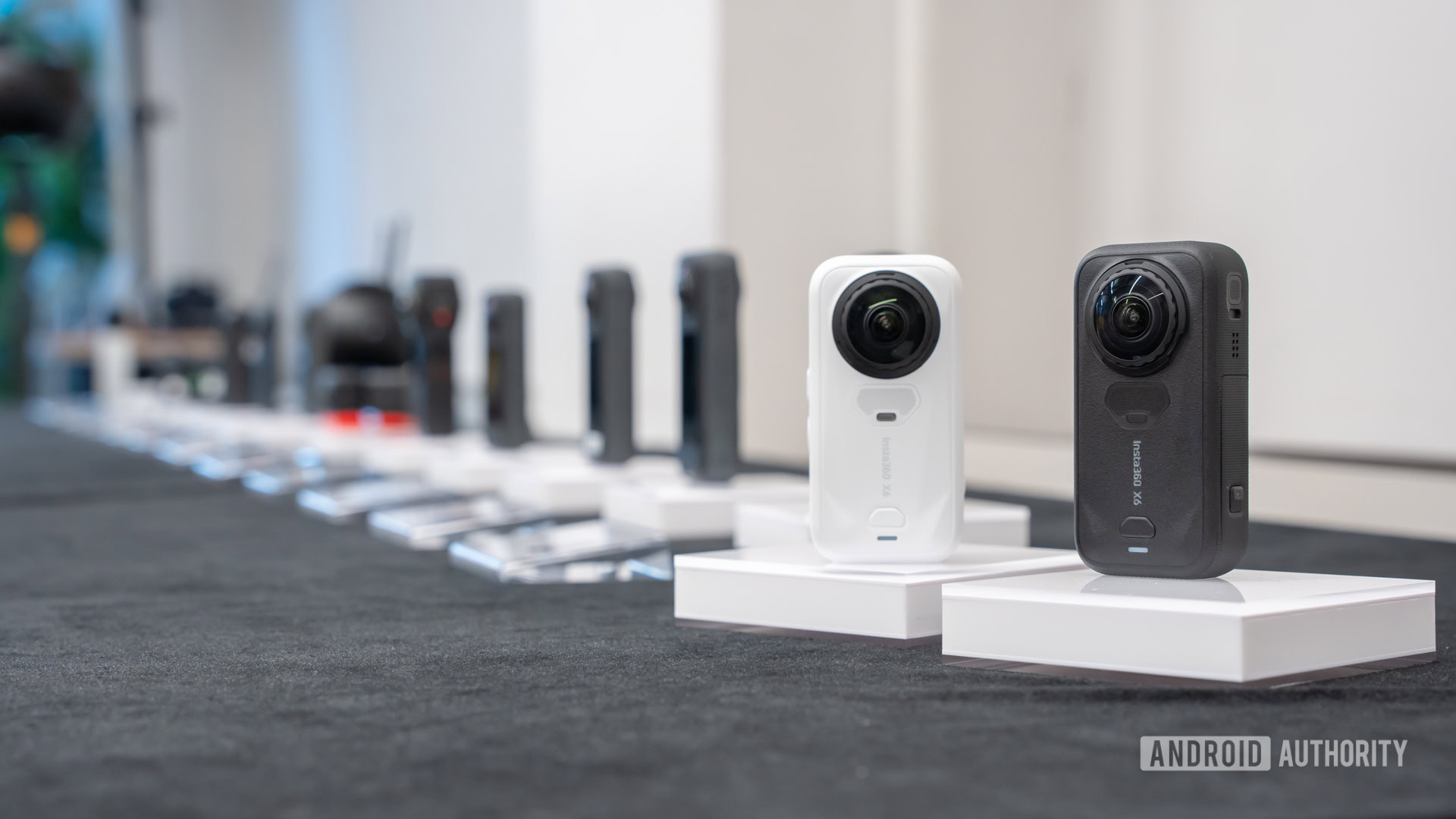
The company’s strategy hinges on several key advancements. Hardware improvements have been monumental. Modern Insta360 cameras, exemplified by the new X6, boast significantly enhanced image quality, with capabilities now extending to 8K resolution. This leap in resolution provides unprecedented detail and flexibility for reframing. Furthermore, cameras are designed with increased ruggedness, often featuring advanced waterproofing and robust lens protection mechanisms, addressing concerns about the delicate nature of exposed fisheye lenses. These improvements mean cameras are more durable and capable of capturing high-quality footage in diverse and challenging environments.
Crucially, the broader technological landscape has caught up. The proliferation of powerful mid-to-high-end smartphones has placed substantial computational power directly in users’ pockets, making on-device editing of complex 360-degree footage a viable reality. Concurrently, advancements in cloud computing and data processing have provided scalable solutions for rendering and sharing large immersive files. Insta360 has capitalized on these trends by developing a sophisticated mobile editing application and the Insta360+ Cloud Service, streamlining the post-production process. These tools have already made 360-degree content creation significantly more user-friendly, even for individuals with limited editing experience or less powerful devices.
The AI-Powered Revolution: Insta360’s "Zero-Edit" Paradigm
The most transformative aspect of Insta360’s future vision, however, lies in its aggressive integration of artificial intelligence into the content creation pipeline. During the event, executives highlighted what they term a "zero-edit" approach, powered by the proprietary APEV Model. This multimodal AI model represents a paradigm shift, moving beyond mere assistance to truly intelligent automation. It analyzes raw 360-degree footage with unprecedented sophistication, identifying key moments, subjects, and dynamic action.
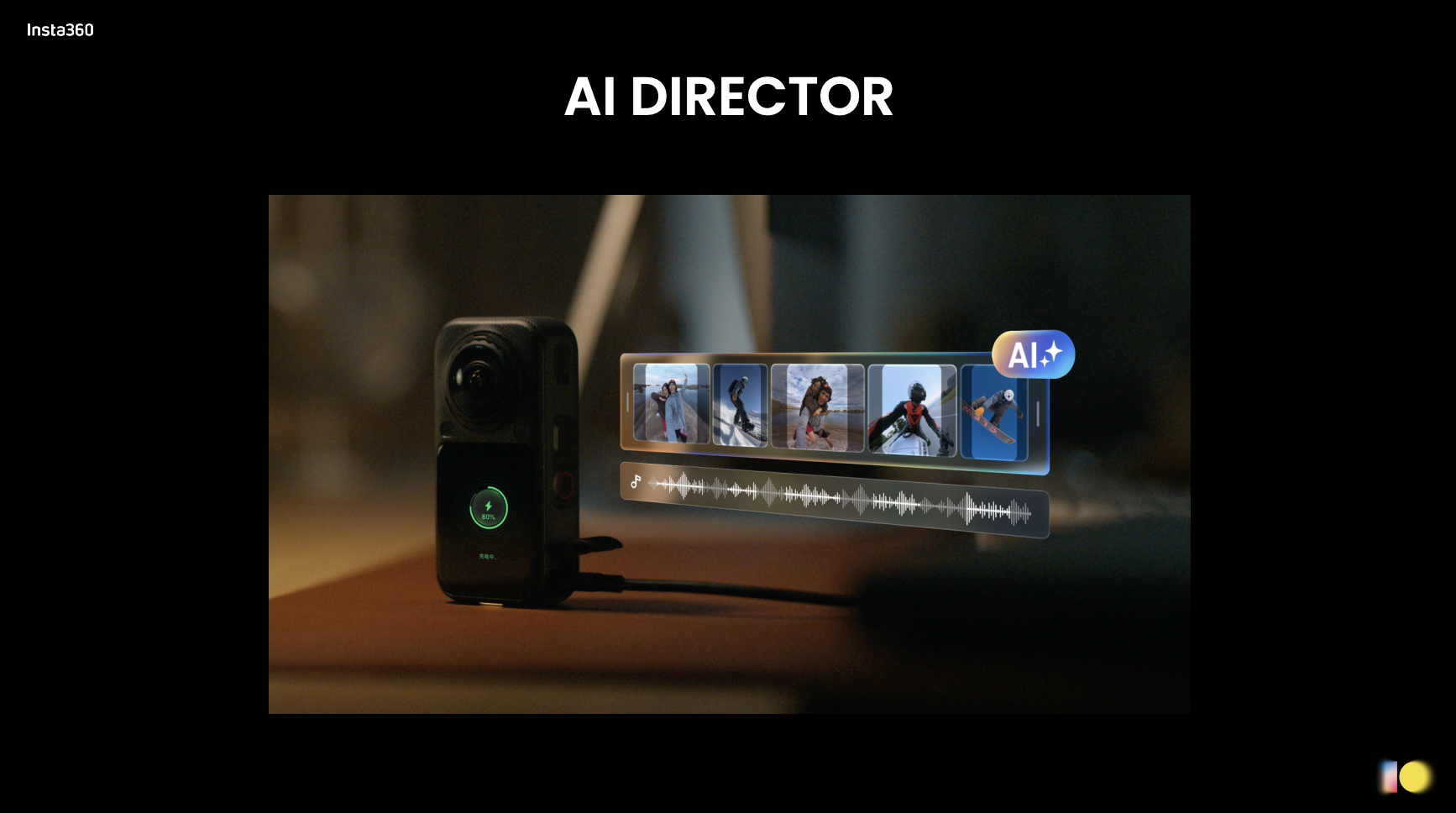
Central to this new paradigm is AI Director. This innovative feature allows the X6 camera to intelligently inspect captured footage and automatically filter for highlights. The truly revolutionary aspect is its ability to generate a customized daily vlog and push the finished video directly to the user’s smartphone upon charging the camera. This means users can simply enjoy their adventures, plug in their device at the end of the day, and wake up to a professionally edited, shareable video, completely eliminating the manual editing process. This level of automation is expected to significantly reduce the perceived effort and skill required, making content creation frictionless for the casual user.
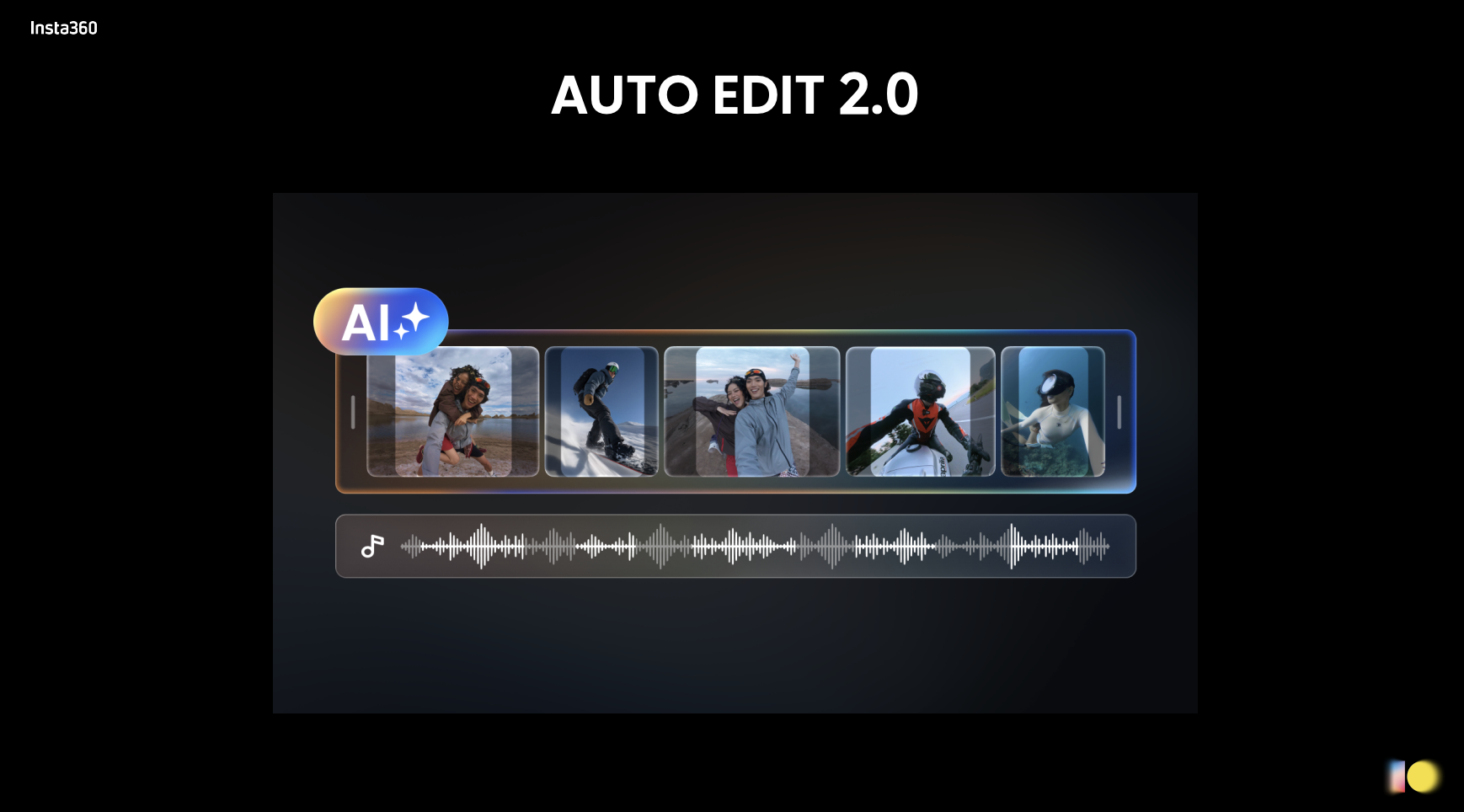
For those who prefer a more curated yet still automated experience, Auto Edit 2.0 offers a powerful middle ground. Users can manually select specific clips from their raw footage, and the AI will then take over, automatically weaving together highlights, adding appropriate background music, and applying professional-grade transitions and effects. This feature empowers users to maintain creative control over their narrative while offloading the tedious and time-consuming aspects of editing to intelligent algorithms.
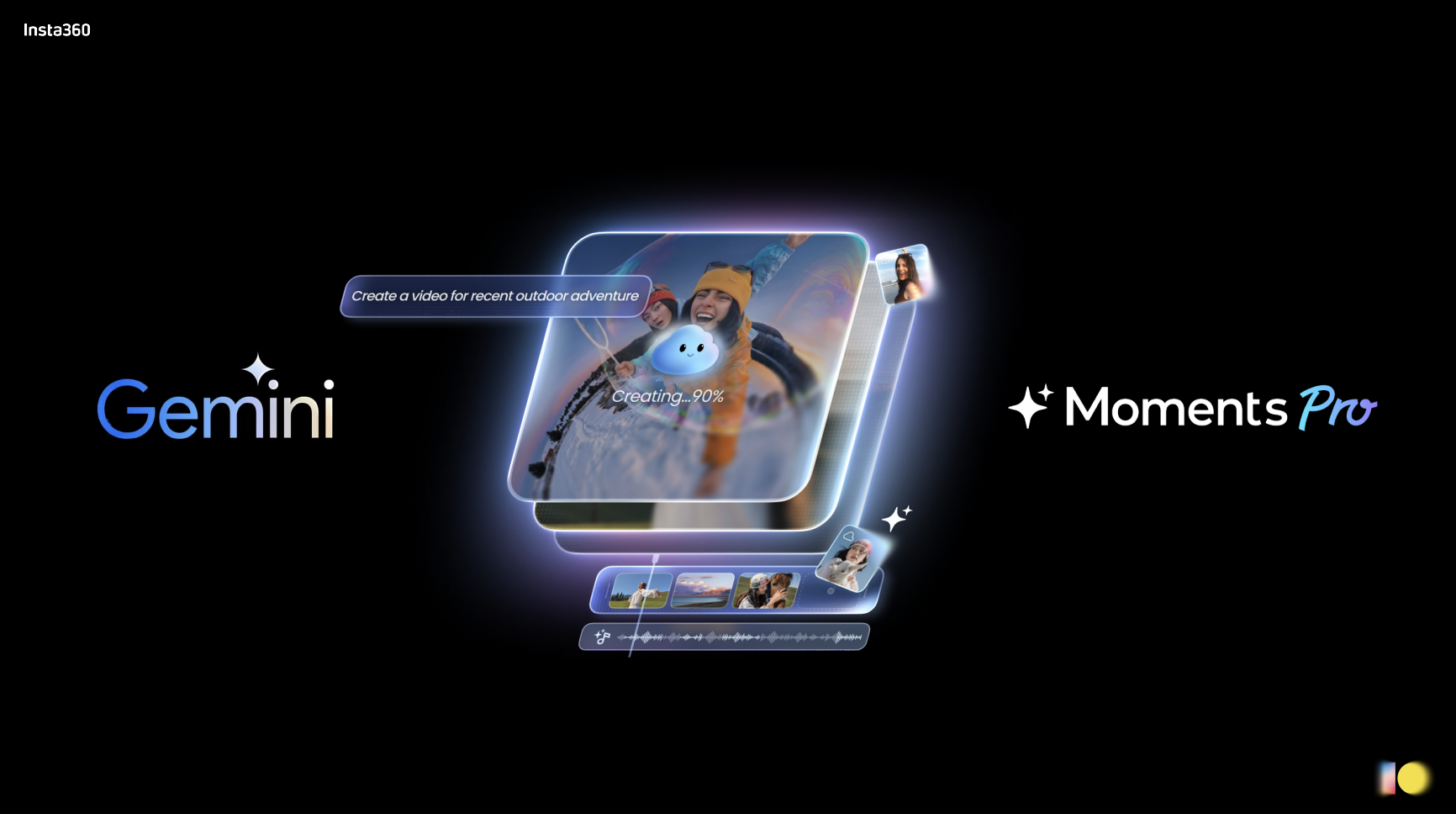
Further enhancing the AI ecosystem, Insta360’s cloud services have been supercharged with Gemini support through Moments Pro. This integration allows for conversational AI editing, where users can leverage natural language commands to direct the editing process. Imagine telling the AI, "Highlight all my jumps," "Remove the shaky parts," or "Add a fast-paced soundtrack and quick cuts." This conversational interface democratizes advanced editing techniques, making them accessible to anyone capable of verbalizing their creative intent. The synergy between Gemini’s understanding of natural language and Insta360’s imaging algorithms creates an intuitive and powerful editing environment that drastically lowers the barrier to producing complex, dynamic videos.
These AI-driven features collectively represent Insta360’s concerted effort to address the historical reluctance of the general public to engage with 360-degree content due to its perceived complexity. By automating the most challenging aspects of post-production, Insta360 is effectively turning the camera into an intelligent co-creator, transforming the content creation experience from a laborious task into an effortless, delightful process.
Beyond 360: The Vision of a Universal Camera
Insta360’s ambitions extend beyond simply popularizing 360-degree video. A core tenet of their long-term strategy, as revealed at the event, is to position their 360-degree cameras as versatile, all-in-one devices capable of replacing a multitude of other dedicated cameras. The Insta360 X6 exemplifies this multi-functional approach.
While its primary function is 360-degree capture, the X6’s capabilities allow for highly flexible output. Users can easily crop and reframe specific portions of the expansive 360-degree footage to produce standard 2D videos. Given its robust construction and high 8K resolution, the X6 is perfectly suited to function as a high-performance action camera. Its ability to capture everything around the user means no shot is ever missed, offering unparalleled flexibility in post-production to select the perfect angle, even if the camera wasn’t perfectly aimed during recording. This inherent "shoot first, frame later" advantage significantly outperforms traditional action cameras with fixed fields of view.
Furthermore, the X6’s high-quality optics and versatile capture capabilities mean it can seamlessly transition into a webcam for video conferences. With the ability to digitally pan, tilt, and zoom within the 360-degree frame, users can present themselves and their environment with dynamic perspectives, enhancing virtual interactions. This offers a substantial upgrade over static, limited-field-of-view webcams.
Perhaps one of the most compelling aspects of this universal camera vision is its potential to replace dedicated gimbals. Because a 360-degree camera captures a complete spherical view, it possesses all the necessary data to perform highly effective software-based stabilization in post-processing. The Insta360 FlowState stabilization, renowned across its product line, leverages this comprehensive data to deliver incredibly smooth, stable footage, often surpassing what can be achieved with mechanical gimbals, especially in dynamic situations. This means users can achieve cinematic stability without the added bulk, weight, and setup time of a separate gimbal.
The prospect of a single, compact 360-degree camera serving as an action camera, webcam, and gimbal, in addition to its primary function, is a powerful proposition. It speaks to a future where creative tools are consolidated, simplifying gear kits and streamlining workflows for everyone from casual vloggers to semi-professional creators.
Future Outlook and Market Implications
Insta360’s strategic roadmap, underscored by the X6 launch event, signals a profound shift in the portable camera market. The company is not merely selling cameras; it is building an ecosystem that integrates cutting-edge hardware with intelligent software and cloud services, all powered by advanced AI. This holistic approach aims to address the core challenges of content creation, making it more accessible, efficient, and enjoyable.
The implications for mainstream adoption are significant. As the "zero-edit" philosophy takes root, the average consumer, previously deterred by the complexities of editing, may find 360-degree cameras as intuitive as pointing and shooting with a smartphone. This could unlock a vast new segment of users eager to capture and share their experiences in a more immersive and dynamic way. Content creators, too, stand to benefit from the reduced workload and enhanced creative possibilities offered by AI-powered tools like Moments Pro with Gemini.
However, the path to universal adoption is not without its challenges. Consumer perception, ingrained habits with traditional cameras, and potential privacy concerns related to capturing a full 360-degree environment will need to be continually addressed. Insta360’s success will depend on its ability to effectively communicate the simplicity and benefits of its integrated ecosystem, while continuing to innovate on both hardware and software fronts.
Ultimately, Insta360 is strategically positioning itself at the forefront of the computational photography revolution. By merging advanced optics with powerful AI, the company is not just predicting the future of imaging; it is actively shaping it. The vision of a single, intelligent 360-degree camera ruling the portable camera market is no longer a distant fantasy but a tangible possibility, potentially transforming how we capture, create, and share our world. The optimism emanating from the Insta360 event in New York City was palpable, suggesting that the era of the all-encompassing 360-degree shooter is rapidly approaching.