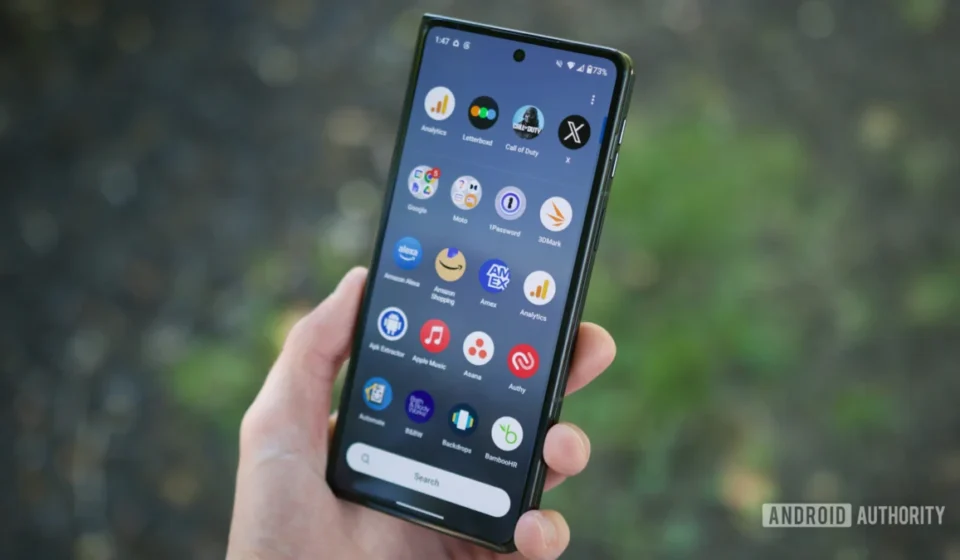

The foldable smartphone market, once largely dominated by Samsung’s pioneering efforts, is undergoing a significant transformation. While the Samsung Galaxy Z Fold 8 Ultra continues to set benchmarks with its cutting-edge hardware, including a remarkably thin-and-light form factor, a potent 5,000mAh silicon-carbon battery, and the formidable Snapdragon 8 Elite Gen 5 for Galaxy chip, its perceived supremacy is being challenged by competitors focusing on a more holistic user experience. This shift suggests that the era of winning the foldable race solely on the strength of a spec sheet may be drawing to a close, as evidenced by emerging consumer preferences favoring the distinct approaches of Motorola and Google.
The Evolution of the Foldable Market: A Brief Chronology
The journey of foldable smartphones began with considerable skepticism and engineering challenges. Samsung, arguably the most prominent pioneer, launched its first Galaxy Fold in 2019, encountering initial setbacks related to display durability but quickly iterating to improve the design and resilience. Early models were often bulky, expensive, and suffered from visible display creases, limiting their mainstream appeal. However, Samsung’s consistent investment and iterative improvements, seen through successive generations of the Z Fold and Z Flip series, helped establish the category and prove its viability.
Google entered the fray later, with the Pixel Fold series, aiming to leverage its AI prowess and Android optimization to offer a distinct experience. Motorola, on the other hand, revived its iconic Razr brand for the foldable era, initially focusing on the clamshell design before expanding into the book-style form factor. These early years, roughly 2019-2023, were characterized by rapid innovation in hinge mechanisms, display technologies, and software adaptations, primarily driven by Samsung. By 2026, the market has matured significantly, with multiple players offering refined products. Analysts at TechInsights report that while Samsung still commands a substantial 60% of the global foldable market share as of Q2 2026, its dominance in the premium book-style segment is being increasingly contested, particularly in key markets like North America. The entry of Google and the resurgence of Motorola with compelling, differentiated offerings signify a new phase of competition where innovation extends beyond raw computational power.
Samsung’s Flagship Prowess: The Z Fold 8 Ultra’s Technical Edge
From a purely technical standpoint, the Samsung Galaxy Z Fold 8 Ultra represents the pinnacle of foldable engineering. Its Snapdragon 8 Elite Gen 5 for Galaxy chip, an overclocked variant specifically tailored for Samsung, delivers unparalleled processing power, making it a powerhouse for demanding applications, high-fidelity gaming, and advanced multi-tasking. The device’s rear camera system, often lauded in industry reviews, offers a photographic experience that rivals the best traditional flagships. Furthermore, its lightweight and thin design, a result of years of material science and hinge mechanism advancements, addresses a common complaint about earlier foldables being too cumbersome.
However, despite these formidable specifications, industry observations indicate a growing disconnect between raw power and user satisfaction in the premium foldable segment. A recent survey conducted by Android Authority among foldable users revealed that while performance is important, factors such as industrial design, battery longevity, specific utility features, and perceived durability are increasingly influencing purchasing decisions. This data suggests that while the Z Fold 8 Ultra excels in traditional benchmarks, it may be perceived as lacking in certain experiential aspects that Motorola and Google are now successfully addressing.
Motorola’s Razr Fold: A Masterclass in Ergonomics and Endurance
The Motorola Razr Fold emerges as a compelling alternative, challenging the notion that superior specs equate to a superior overall product. Its most striking feature is its remarkable 6,000mAh silicon-carbon battery, which consistently delivers two full days of intensive usage on a single charge. This exceptional battery life addresses a critical pain point for power users and mobile professionals, many of whom are willing to compromise on marginal performance gains for extended endurance. The decision to equip the Razr Fold with the base Snapdragon 8 Gen 5 processor, while not as potent as Samsung’s Elite variant, is a strategic trade-off that contributes to this impressive battery performance and potentially a more attractive price point of $1,900, which is $200 less than the Z Fold 8 Ultra.
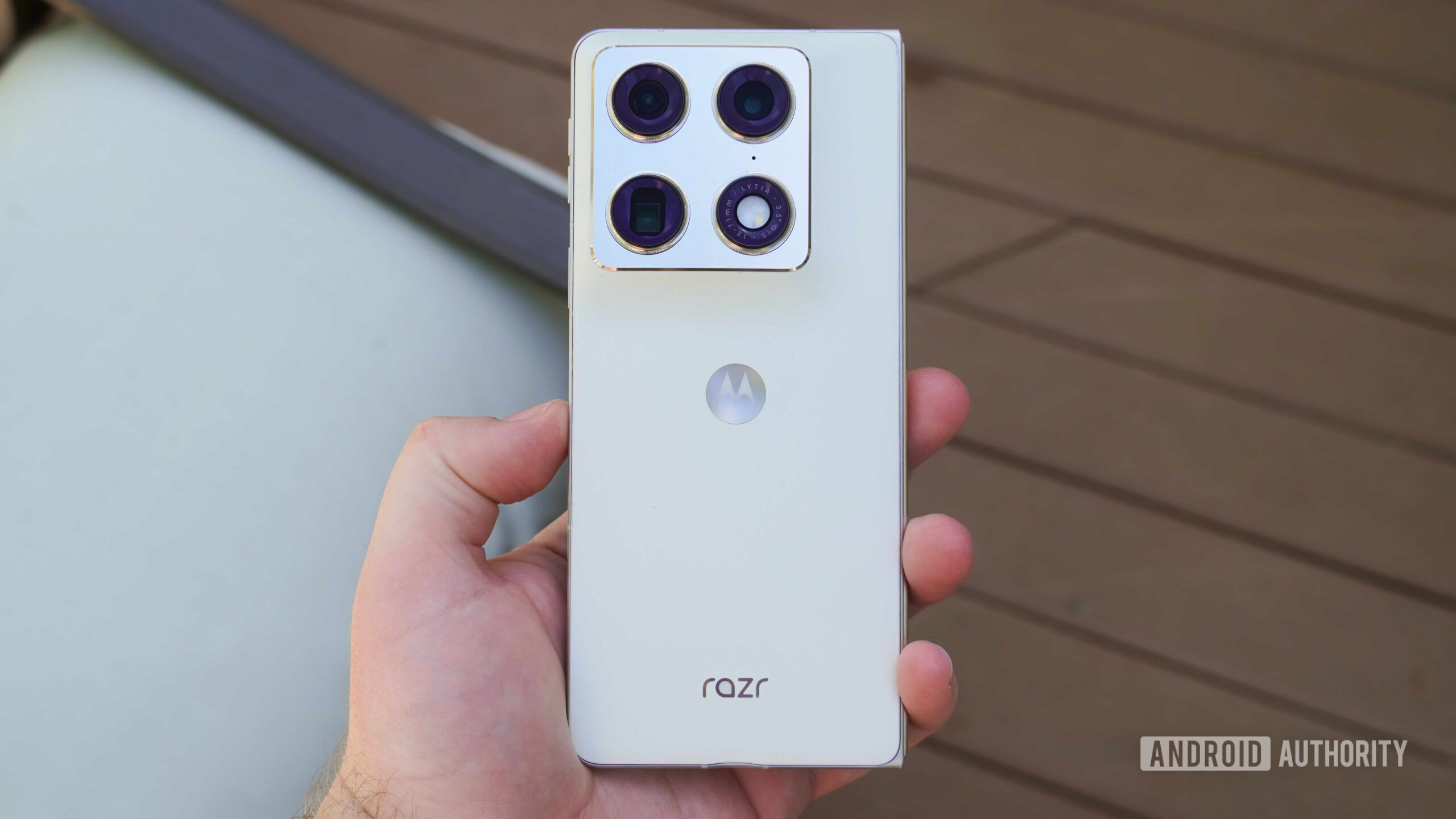
Beyond battery, Motorola has meticulously focused on the tactile and visual experience. The Razr Fold boasts an 8.1-inch folding display, currently the largest and brightest on the market, offering an immersive visual canvas. Crucially, it reintroduces active stylus support via the Moto Pen Ultra, a feature conspicuously absent from Samsung’s latest Z Fold models. This re-inclusion caters directly to creative professionals and note-takers, filling a void left by Samsung’s shift.
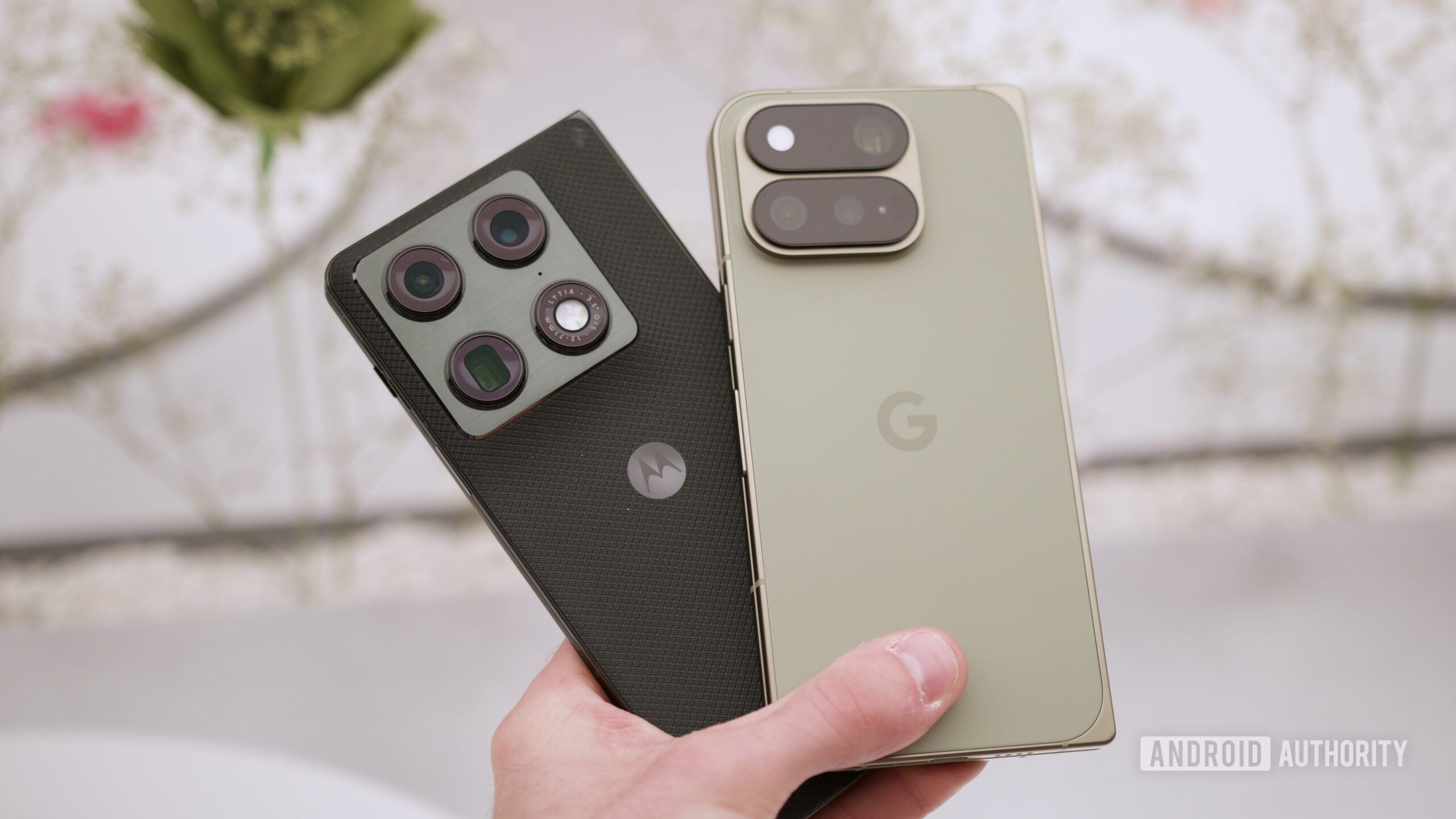
The device’s design language is another significant differentiator. Motorola’s partnership with Pantone has resulted in a vegan-leather back, available in Lily White with a soft matte finish and Blackened Blue with a textured grip. This material choice not only enhances the phone’s aesthetic appeal but also provides a superior ergonomic feel compared to the often-slippery glass backs of its competitors. "We believe that a premium device should feel as good as it performs," stated a Motorola spokesperson in a recent press brief, implicitly highlighting their design philosophy. The Razr Fold’s slightly wider 21:9 aspect ratio on its cover screen further contributes to a more traditional smartphone feel when folded, improving usability without needing to open the device for routine tasks. These design choices, while seemingly minor, collectively create a distinct and highly desirable user experience that resonates deeply with a segment of the foldable market.
Google’s Pixel 11 Pro Fold: Unmatched Durability and Ecosystem Integration
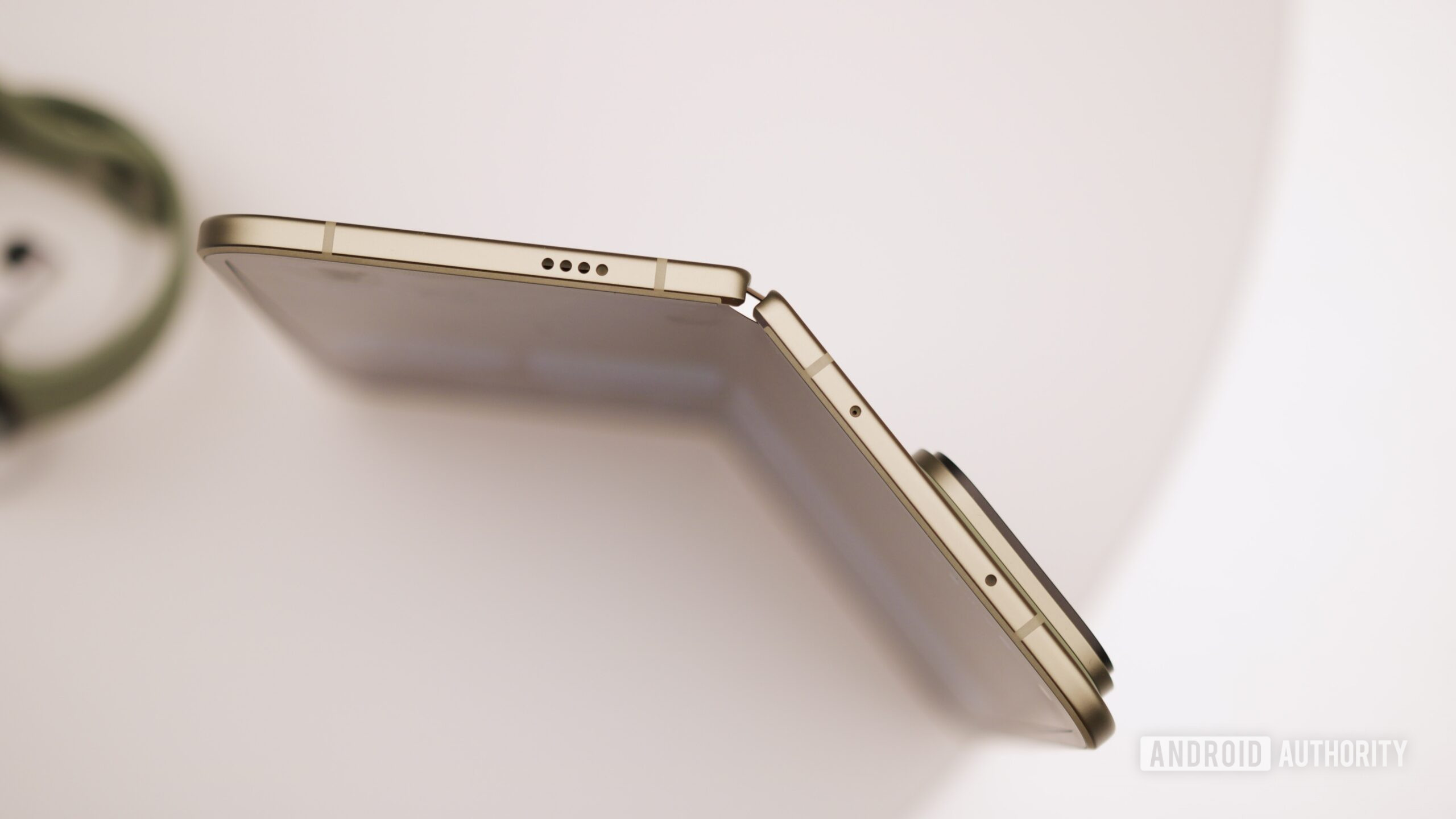
Google’s Pixel 11 Pro Fold carves out its niche through a commitment to durability and seamless ecosystem integration, features that are increasingly valued by discerning consumers. The Pixel 11 Pro Fold stands alone in the US market as the only book-style foldable to boast an IP68 certification. This rating signifies complete dust-tightness and protection against prolonged immersion in water, a monumental engineering achievement for a device with moving parts like a hinge. The importance of dust resistance for foldables cannot be overstated; dust and fine particles are notorious culprits for hinge damage and display failures, leading to grinding noises, incomplete closure, or even catastrophic screen breakage. Google’s IP68 rating directly addresses this fundamental vulnerability, offering users peace of mind that no other foldable currently provides.
"Our goal with the Pixel 11 Pro Fold was to eliminate the compromises traditionally associated with foldable devices," remarked a Google hardware engineer during a product showcase. "IP68 wasn’t just a feature; it was a foundational design principle to ensure longevity and reliability."
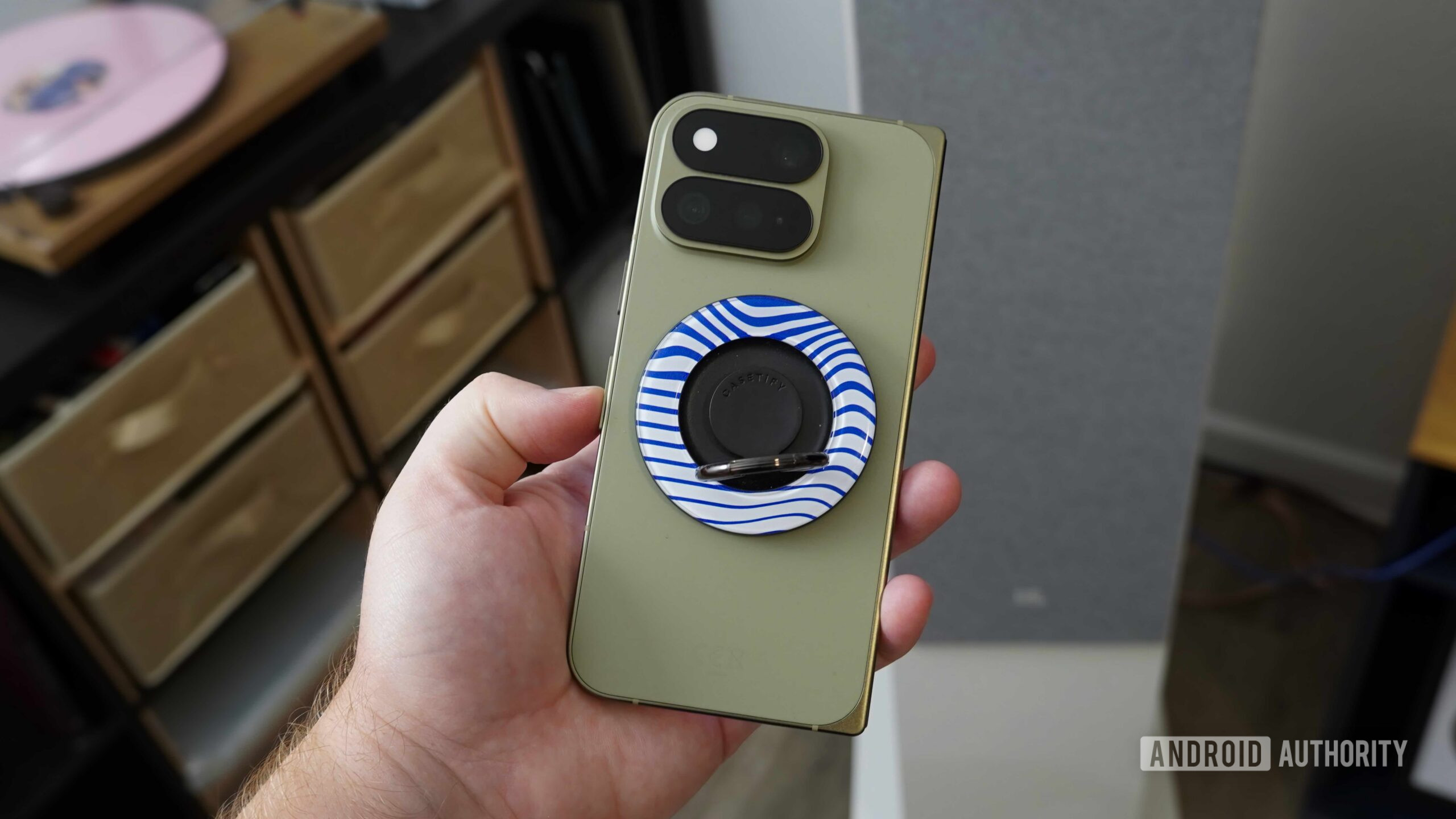
Equally innovative is the Pixel 11 Pro Fold’s integrated Qi2 magnetic charging support. This advancement moves beyond standard wireless charging by incorporating magnets for perfect alignment with Qi2-compatible accessories, providing faster, more efficient charging and a secure attachment for a variety of peripherals. The utility of Qi2 for a foldable is particularly pronounced. Users can effortlessly attach magnetic wallets, kickstands, or power banks without resorting to bulky cases, preserving the device’s sleek 10.1mm chassis. This capability transforms the foldable’s inherent form factor advantage (its ability to stand upright like a mini-laptop) into a truly versatile workstation or entertainment hub without additional cumbersome accessories. While the Pixel 11 Pro Fold’s Tensor G6 chip may not match the raw benchmark scores of the Snapdragon 8 Elite Gen 5 for Galaxy, its AI-first architecture is optimized for Google’s software ecosystem, delivering exceptional camera performance, intelligent features, and efficient everyday operation. The device’s slightly smaller battery capacity compared to the Razr Fold is mitigated by Google’s software optimizations and the strategic advantage of its unique durability and accessory ecosystem.
A Shifting Paradigm: Prioritizing Experience Over Raw Specifications
The emerging preferences for the Motorola Razr Fold and Google Pixel 11 Pro Fold over the technically superior Samsung Galaxy Z Fold 8 Ultra signal a significant paradigm shift in the premium smartphone market, particularly within the nascent foldable segment. Consumers are increasingly looking beyond raw processing power and benchmark scores, prioritizing practical benefits, thoughtful design, and specialized features that enhance their daily lives.
This shift is not entirely unprecedented. In the broader smartphone market, factors like camera quality, battery life, software experience, and industrial design have long played a pivotal role in consumer choice, often outweighing marginal differences in CPU performance. However, for foldables, where the form factor itself is the primary innovation, there was an initial emphasis on proving technical feasibility and maximizing specs. Now, as the technology matures, the focus is evolving towards refinement and addressing specific user needs.
Motorola’s success with the Razr Fold illustrates the power of ergonomic design, a premium tactile experience, and exceptional battery life. Google’s Pixel 11 Pro Fold demonstrates the value of industry-leading durability and intelligent ecosystem integration. These attributes, while perhaps not as "flashy" as an overclocked processor, offer tangible, daily improvements to the user experience that resonate deeply. This trend suggests that "flagship" status in the foldable world is no longer solely defined by having the most powerful chip, but rather by delivering a compelling and distinctive value proposition that addresses real-world user demands.
Competitive Dynamics and Market Fragmentation
The strategies employed by Motorola and Google are fostering a healthy fragmentation within the foldable market, moving away from a single, dominant design philosophy. Instead of directly competing with Samsung on its home turf of pure specifications, these brands are strategically carving out their own niches. Motorola targets users who value design aesthetics, premium materials, stylus functionality, and most importantly, unparalleled battery life. Google appeals to those who prioritize robust durability, seamless accessory integration, and a clean, AI-enhanced Android experience.
This diversification benefits the entire industry. It encourages manufacturers to innovate in different areas, pushing the boundaries of what a foldable can be beyond just a larger screen. For Samsung, this means that while their Z Fold 8 Ultra remains a powerhouse, they must now also consider how to integrate more user-centric design elements, enhance durability, or offer unique ecosystem features to maintain their competitive edge. The market is becoming less about a "best overall" device and more about "best for your specific needs."
The Consumer’s Gain: Diverse Choices in a Maturing Market
Ultimately, this intensified competition and diversified product offering is a significant win for consumers. The market is no longer a monolith where one brand dictates the standard. Buyers now have genuinely distinct choices based on their priorities:
- For the absolute performance maximalist and early adopter: The Samsung Galaxy Z Fold 8 Ultra remains the top choice, offering the fastest processor and a highly refined, albeit familiar, experience.
- For the design-conscious user who values aesthetics, comfort, stylus support, and exceptional battery life: The Motorola Razr Fold presents a compelling case, offering a premium feel and extended endurance.
- For the practicality-driven individual prioritizing durability, seamless accessory integration, and a pure Android experience: The Google Pixel 11 Pro Fold stands out with its IP68 rating and Qi2 capabilities.
The price differential further sweetens the deal for these alternatives. Both the Razr Fold and Pixel 11 Pro Fold are reportedly priced around $200 less than the Galaxy Z Fold 8 Ultra, making these specialized experiences more accessible without a significant compromise on quality or innovation. This competitive pricing structure ensures that value is not just tied to raw power but also to the unique features and overall user experience offered.
The Road Ahead for Foldables
The current landscape of the foldable market in 2026 suggests a future where innovation will be driven not just by technological breakthroughs in display and hinge mechanics, but equally by a deep understanding of user behavior and preferences. As foldables move from being niche, luxury items to a more mainstream segment of the smartphone market, factors like design, durability, battery life, and ecosystem integration will become increasingly critical differentiators. Samsung, Motorola, and Google are all contributing to this evolving narrative, pushing the boundaries of what a foldable smartphone can be. The era of the "spec sheet king" in foldables is giving way to a more nuanced appreciation of diverse strengths, promising an exciting and varied future for foldable technology.