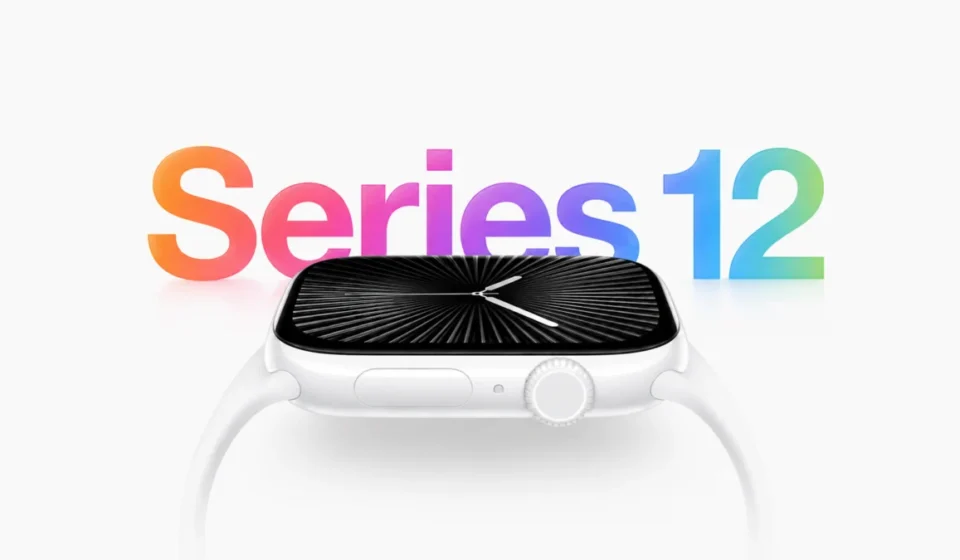
Unveiling the Future of Wearable Technology: Apple Watch Series 12 and Ultra 4 Poised for Transformative Health and Fitness Advancements

Code unearthed within the beta versions of watchOS 27 and iOS 27 has ignited anticipation for the forthcoming Apple Watch Series 12 and Apple Watch Ultra 4, slated for an official unveiling later this week. This deep dive into Apple’s developmental software reveals a suite of innovative features poised to redefine the wearable experience, focusing heavily on enhanced health monitoring, advanced fitness tracking, and improved device capabilities. The discoveries, first brought to light by MacRumors forums member "pdfu," provide a compelling glimpse into Apple’s strategic direction for its most personal device.
The implications of these findings are significant, suggesting a continued commitment from Apple to solidify the Apple Watch’s position not just as a communication and convenience tool, but as an indispensable health and wellness companion. The timing of this leak, mere days before the expected product announcement, underscores the intense scrutiny and public interest surrounding Apple’s annual hardware refresh cycles. Industry analysts have long predicted a heightened emphasis on health features, and the evidence emerging from the watchOS and iOS betas strongly supports these projections.
A Deeper Look at Upcoming Innovations
The unearthed code points towards several key areas of advancement:
-
A Revolutionary "Readiness" Application: A significant development hinted at is the introduction of a dedicated "Readiness" application. While the precise functionalities remain to be fully elucidated, its presence suggests a more holistic approach to user well-being. This app is likely to synthesize various biometric data points – such as sleep quality, heart rate variability, and activity levels – to provide users with a comprehensive understanding of their physical and mental preparedness for the day ahead. Such a feature could empower users to make more informed decisions about their training intensity, work schedule, and overall lifestyle choices, potentially mitigating risks of overexertion and burnout. The concept of "readiness" is a natural evolution from existing sleep and activity tracking, offering a more actionable and integrated view of a user’s recovery and capacity.
-
Enhanced Strength Training Metrics: For fitness enthusiasts, the betas indicate substantial improvements in the tracking of strength training workouts. This upgrade is expected to go beyond simple rep counting and calorie estimation. Potential enhancements include more detailed analysis of workout intensity, form tracking (possibly through advanced sensor fusion), and personalized feedback on muscle engagement. This could transform how users approach and optimize their strength training routines, providing data-driven insights previously only accessible through dedicated gym equipment or professional coaching. The development aligns with Apple’s ongoing efforts to cater to a broader spectrum of athletic pursuits, moving beyond its initial focus on cardiovascular activities.
-
Next-Generation Optical Sensor Family: The code also alludes to new Apple Watch models equipped with an "optical sensor family." This suggests a significant leap forward in the accuracy and breadth of the watch’s biometric sensing capabilities. While specific details are scarce, it is reasonable to infer that this could pave the way for more advanced health monitoring features. Potential applications include more precise blood oxygen saturation (SpO2) monitoring, non-invasive blood glucose estimation (a long-sought-after feature in wearable technology), and improved detection of subtle physiological changes that could indicate early signs of health issues. The continuous miniaturization and enhancement of optical sensors have been a cornerstone of wearable health tech, and Apple’s investment in a new "family" indicates a substantial upgrade.
-
Increased Storage Capacity: A more practical, yet highly anticipated, upgrade is the inclusion of 128GB of storage in some new Apple Watch models. This represents a doubling of the current storage capacity available on the highest-tier models. Increased storage will significantly enhance the user experience by allowing for more on-device music storage, a larger cache for downloaded apps and watch faces, and potentially more extensive local storage for health data. This upgrade will be particularly beneficial for users who heavily utilize the Apple Watch for offline media consumption during workouts or for those who prefer to keep a substantial amount of personal data readily accessible on their wrist.
A Chronicle of Anticipation and Precedent
This latest leak follows a series of reports and rumors that have painted a consistent picture of the upcoming Apple Watch generation. Mark Gurman of Bloomberg, a prominent voice in Apple product forecasting, had previously indicated that the Apple Watch Series 12 and Ultra 4 would indeed feature significant health and fitness upgrades. His reports, often based on insights from supply chain and internal development circles, have a strong track record of accuracy.
Gurman’s earlier statements had suggested that while major design overhauls might not be on the immediate horizon for the Series 12 and Ultra 4, the focus would be on internal enhancements. This aligns perfectly with the code-based discoveries, which highlight functional rather than aesthetic changes. The lack of expected design changes is not uncommon for Apple, which often enters multi-year design cycles for its hardware, prioritizing refinement and feature integration within existing form factors. The current design language of the Apple Watch has been in place since the Series 7, and the Series 12 is expected to continue this trend, marking the third year of its current aesthetic.
The emergence of "pdfu" as a reliable source of pre-release information adds further weight to these findings. This forum member has previously demonstrated an uncanny ability to unearth significant product details from beta software. Their earlier discoveries include references to two unreleased game controllers (internally codenamed T6502 and T1057) within the macOS 26.7 beta and evidence in the audioOS 27 beta pointing to a four-speaker HomePod surround sound system and a new "Party Mode." These prior successes lend considerable credibility to the current Apple Watch revelations.
Contextualizing the Advancements
The evolution of the Apple Watch has been intrinsically linked to its growing prowess in health and fitness. Introduced in 2015, the first Apple Watch was primarily a companion device for the iPhone, offering notifications, communication, and basic fitness tracking. Over the years, Apple has systematically integrated increasingly sophisticated health sensors and features, transforming the device into a powerful health monitoring tool.
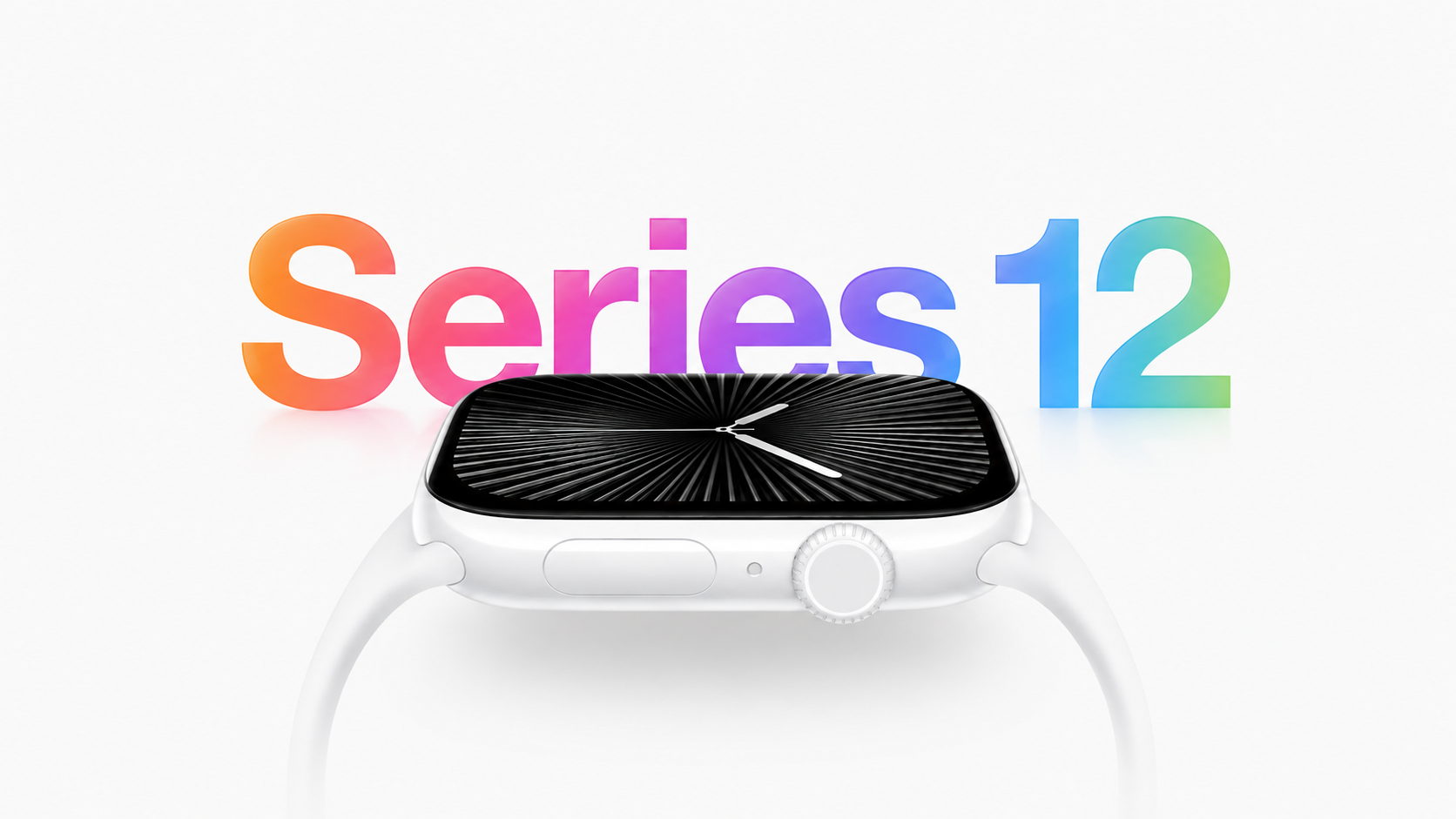
Key milestones in this journey include the introduction of the ECG app in the Series 4 (2018), which enabled users to record an electrocardiogram, and the blood oxygen sensor in the Series 6 (2020), further expanding its cardiovascular monitoring capabilities. The Series 7 (2021) brought a larger display, and subsequent models have refined existing features and introduced new ones like temperature sensing for cycle tracking in the Series 8. The "Ultra" line, introduced with the Apple Watch Ultra in 2022, catered to a more rugged and adventurous demographic, featuring enhanced durability, longer battery life, and specialized features for outdoor activities.
The anticipated features for the Series 12 and Ultra 4 represent a continuation and acceleration of this trend. The "Readiness" app, in particular, signals a move towards proactive wellness management, shifting the focus from reactive health alerts to predictive and preventative insights. This aligns with a broader societal trend towards health-conscious living and the increasing demand for data-driven self-improvement tools.
Data and Supporting Evidence
While the raw code itself is not publicly accessible, the analysis provided by sources like MacRumors, combined with the established credibility of leakers and industry analysts like Mark Gurman, forms a robust basis for these predictions. The fact that these findings are present in multiple beta builds of both watchOS and iOS further validates their authenticity, suggesting these are not fleeting experimental features but planned additions for the upcoming hardware.
The inclusion of 128GB of storage, for instance, is a tangible specification that directly addresses user pain points related to device capacity. The advancements in optical sensors and strength training metrics, while requiring more technical interpretation, are consistent with the ongoing innovation in sensor technology and the increasing sophistication of algorithms used for data analysis.
Official Responses and Market Reactions
Apple, as is its standard practice, has not officially commented on these pre-release discoveries. The company maintains a tight lid on product details until its official announcement events. However, the consistent stream of leaks and the credibility of the sources involved suggest that these features are indeed on track for inclusion.
The market’s reaction to such leaks is typically one of heightened anticipation. Investors and consumers alike closely monitor these indicators to gauge the competitive landscape and potential impact on Apple’s market share. Competitors in the wearable technology space, including Samsung, Google (Fitbit), and Garmin, are also continuously innovating, making Apple’s upcoming announcements crucial for maintaining its dominant position. The revealed features, if delivered as anticipated, are likely to further differentiate the Apple Watch, particularly in the health and wellness segment.
Broader Impact and Implications
The forthcoming Apple Watch Series 12 and Ultra 4, powered by the innovations hinted at in the latest betas, have the potential to significantly impact the wearable technology market and broader health tech industry.
-
Enhanced Health Monitoring Standards: The introduction of a sophisticated "Readiness" application could set a new benchmark for how smartwatches approach holistic well-being. If Apple can effectively translate complex biometric data into actionable advice, it could empower millions of users to better manage their health and prevent potential issues. The potential for more accurate, or even novel, health metrics from the new optical sensors could also drive further research and development in the field of non-invasive health monitoring.
-
Democratization of Advanced Fitness Tracking: Improved strength training metrics could make sophisticated performance analysis more accessible to the average user. This could encourage more people to engage in strength training, providing them with the tools to track progress, optimize form, and achieve their fitness goals more effectively.
-
Increased Device Utility and User Engagement: The doubled storage capacity, while seemingly a minor upgrade, will have a tangible impact on user experience. It removes a common friction point for power users and enhances the device’s standalone capabilities, further reducing reliance on the iPhone for certain functions. This increased utility can lead to greater user engagement and a stronger ecosystem lock-in.
-
Competitive Landscape Shift: These advancements will undoubtedly put pressure on competitors to innovate in similar areas. The focus on readiness and comprehensive health insights, in particular, could become a key differentiator for smartwatches, shifting the market’s emphasis from mere step counting and notification delivery to more profound health management.
In conclusion, the code discoveries within watchOS 27 and iOS 27 paint a compelling picture of the Apple Watch Series 12 and Ultra 4. With a strong emphasis on a revolutionary "Readiness" app, enhanced strength training metrics, next-generation optical sensors, and increased storage, Apple appears poised to deliver a significant upgrade that will further solidify its leadership in the wearable technology market and continue its mission to empower users with advanced health and fitness insights. The coming week’s official announcement is eagerly awaited to confirm these promising developments.