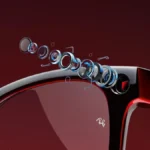
Apple’s Smart Glasses Delayed to Prioritize Privacy Over Meta’s "Creepy" Reputation

Apple is reportedly pushing back the launch of its highly anticipated smart glasses, internally codenamed N50, to ensure the device does not inherit the privacy concerns that have plagued competitors like Meta. Originally slated for an introduction in late 2026 and a consumer release in early 2027, the project is now aiming for a reveal at the Worldwide Developers Conference (WWDC) in June 2027, with a broader market availability anticipated towards the end of that year. This shift underscores Apple’s strategic focus on privacy, a cornerstone of its brand identity, as it navigates the nascent and ethically complex augmented reality eyewear market.

The delay is attributed to extensive efforts by Apple’s engineering and marketing teams to meticulously refine the product and, crucially, to devise robust solutions for addressing the inherent privacy implications of integrating cameras into wearable technology. Sources suggest that privacy is not merely a feature but the paramount consideration guiding the development of the N50 project. This deliberate pause reflects a broader industry realization that public trust is a fragile commodity, especially in the realm of devices capable of constant observation.
The Shadow of Meta’s Smart Glasses
Apple’s cautious approach is heavily influenced by the public reception and subsequent controversies surrounding Meta’s own smart glasses, particularly the Ray-Ban Stories and the more recent Ray-Ban Meta smart glasses. These devices, while offering integrated camera and audio capabilities, have been criticized for their potential to be used for surreptitious recording, leading to a "creepy" reputation among consumers and privacy advocates.

The emergence of an underground market for accessories designed to obscure or disable the recording indicator light on Meta’s glasses serves as a stark warning. Meta’s eventual response, disabling the camera functionality if the indicator light was tampered with, highlighted the difficulty in balancing feature sets with user perception and trust. Furthermore, platforms like Instagram have begun actively removing accounts that exploited these glasses for harassment and the filming of unsuspecting individuals. The takedown of prominent "pickup artist" accounts with millions of followers underscores the real-world consequences of privacy violations facilitated by wearable technology. This history provides Apple with a clear, albeit cautionary, roadmap of potential pitfalls to avoid.
Apple’s Privacy-Centric Strategy
For years, Apple has cultivated a strong brand image centered on user privacy, a differentiation strategy that has resonated with a significant segment of its customer base. The company has consistently emphasized on-device processing, end-to-end encryption, and transparent data handling practices. Applying these principles to smart glasses, a product category inherently capable of capturing intimate and public spaces alike, presents a unique set of challenges.

Sources indicate that Apple has explored several design and functionality pathways to mitigate privacy concerns. These reportedly include considerations for models that might forgo cameras entirely, or versions where cameras are primarily for environmental analysis rather than direct photo or video capture. Such an approach could still enable augmented reality overlays, object recognition for navigation, integration with Siri for voice commands, and seamless handling of calls and music playback. This strategy would allow Apple to leverage the computational power of its devices without compromising its privacy-first ethos.
Technical Safeguards and Design Choices
Beyond functional limitations, Apple is understood to be focusing on several technical and design elements to build trust. The company is reportedly prioritizing on-device processing for data analysis, minimizing the need to transmit sensitive information to external servers. Furthermore, there is a strong emphasis on avoiding facial recognition technologies, which can raise significant privacy alarms. Any data captured by the glasses is expected to be kept separate from AI training datasets, further reinforcing a commitment to user data protection.

A more visible indicator light around the camera lens is also reportedly under consideration. This design choice, while potentially impacting the aesthetic of the glasses, would serve as a clear and immediate signal to those around the wearer that recording is active. This transparency aims to preempt the kind of unease and distrust that has shadowed Meta’s offerings. The challenge for Apple lies in striking a delicate balance: offering compelling augmented reality features that necessitate some form of visual capture, while simultaneously ensuring that the device is perceived as respectful of the privacy of both the wearer and those in their vicinity. The successful navigation of this tightrope will be critical to the product’s market acceptance.
The Evolving Smart Glasses Landscape
The smart glasses market is still in its nascent stages, with various companies exploring different approaches. Google Glass, an early entrant, faced significant public backlash due to privacy concerns and was ultimately re-focused for enterprise use. While Meta has pushed forward with consumer-oriented smart glasses, their adoption has been somewhat limited, and the persistent privacy questions continue to be a hurdle.
Apple’s entry into this market, even with a delay, is expected to be a significant event. The company’s track record of successful product launches and its ability to shape consumer expectations suggest that its approach to smart glasses could set a new standard. The success of its venture will likely depend on its ability to deliver a compelling user experience that is not overshadowed by privacy anxieties.
Broader Implications for Wearable Technology
The strategic decisions being made by Apple regarding its smart glasses have far-reaching implications for the entire wearable technology sector. As more sophisticated sensors and cameras are integrated into everyday devices, the demand for robust privacy protections will only intensify. Apple’s deliberate focus on this issue could influence how other manufacturers approach product development, potentially leading to a more privacy-conscious ecosystem.

The timeline for the Apple smart glasses, while extended, also allows for further maturation of the underlying augmented reality technologies and the development of compelling use cases. By the time of its projected 2027 launch, the market may be more receptive to such devices, provided that companies can demonstrably address the ethical considerations. Apple’s commitment to privacy, if successfully implemented in its smart glasses, could prove to be a significant competitive advantage, differentiating its product not just through features but through a foundation of user trust. The company’s meticulous planning signals a long-term vision for augmented reality, one where user privacy is not an afterthought, but a fundamental pillar of innovation.