Fitbit Edge Leak Reveals Google’s Strategic Move to Redefine the Mid-Tier Fitness Tracker Market

A significant leak from Android Headlines has unveiled Google’s purported plans to introduce a new Fitbit fitness tracker, tentatively named the Fitbit Edge, positioned as a crucial intermediary device within its expanding wearable ecosystem. This development suggests Google is meticulously refining its strategy to cater to a broader spectrum of consumers, bridging the functional gap between the minimalist Fitbit Air and the feature-rich Pixel Watch 5. Exclusive images accompanying the leak provide the most detailed glimpse yet of what could become Fitbit’s next flagship screen-equipped tracker, signaling a renewed focus on the segment that initially propelled Fitbit to prominence.
Unpacking the Design and Aesthetics of the Fitbit Edge
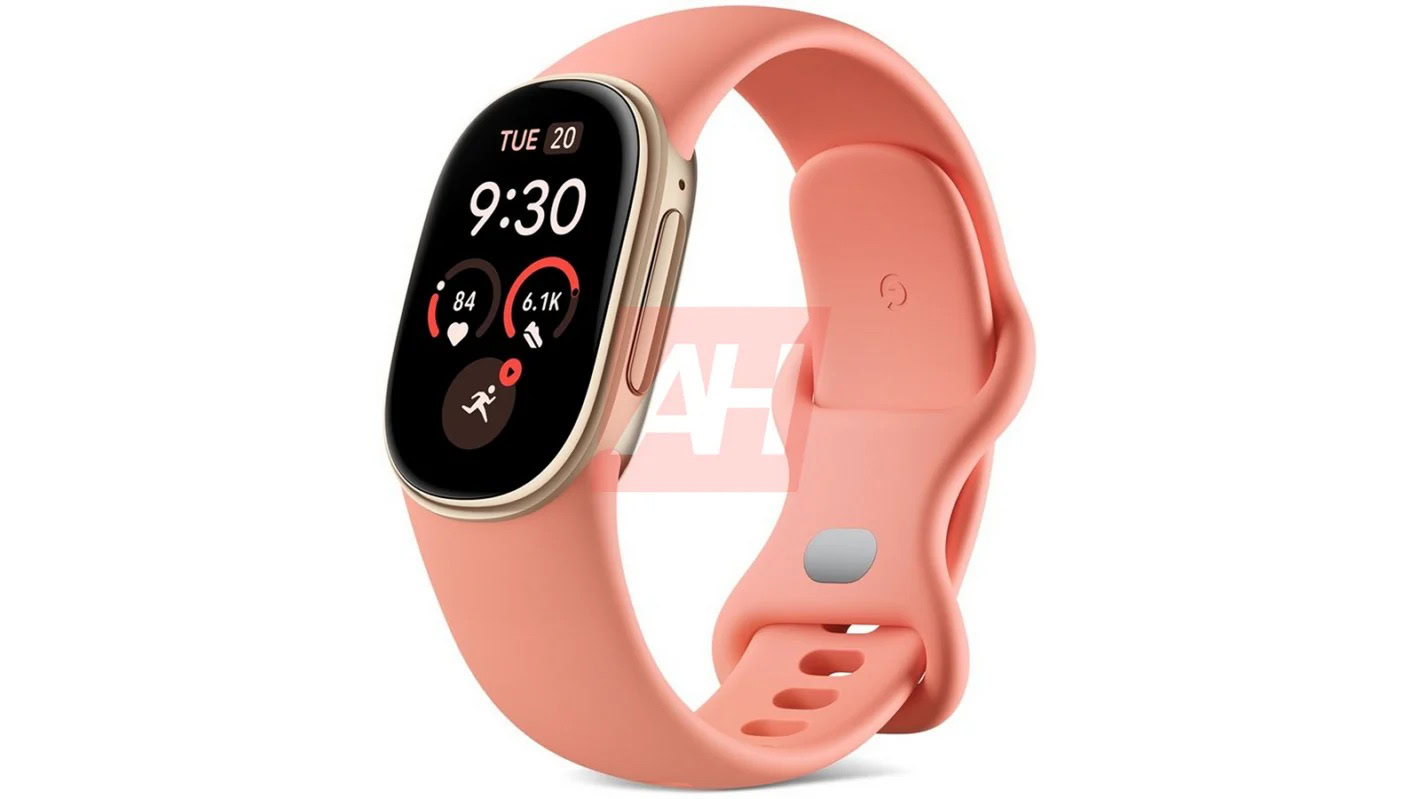
The leaked images reveal a device that adheres closely to the established design language of traditional fitness bands, yet incorporates modern refinements. The Fitbit Edge features a distinct small, oval display, a departure from the rectangular screens often seen in previous Fitbit Charge models or the circular face of the Pixel Watch. This form factor suggests an emphasis on discreet wearability and efficiency, prioritizing glanceable information over expansive interactive real estate. Flanking the display, a button on either side hints at an intuitive control scheme, likely offering quick access to functions or navigation through menus, a practical alternative to purely touch-based interactions, especially during physical activity.
On the reverse side, the device houses a prominent sensor array. Initial observations from Android Headlines indicate these sensors bear a closer resemblance to those found on the more basic Fitbit Air rather than the advanced suite present in the Pixel Watch 5. However, this preliminary assessment doesn’t preclude the possibility of additional, less visible sensors designed for tracking a wider array of health metrics. The evolution of biometric sensing in wearables has seen a rapid acceleration, with even mid-tier devices now expected to offer robust heart rate monitoring, sleep tracking, and potentially SpO2 (blood oxygen) measurements.
Aesthetically, the leaked images showcase the Fitbit Edge in three distinct color variants: black, green, and orange. Intriguingly, these hues appear to align remarkably with the Obsidian, Olive, and Canyon finishes available for the recently launched Pixel 11 Pro smartphone. This deliberate color coordination is more than a mere design choice; it signifies Google’s ongoing effort to foster a cohesive and integrated hardware ecosystem. By mirroring the color palettes across its smartphone and wearable lines, Google aims to enhance brand identity and offer consumers a visually unified experience, encouraging cross-device adoption within the Pixel family.
Furthermore, the strap mechanism of the Fitbit Edge appears to utilize a "pinch" system for swapping bands, a practical and user-friendly approach that contrasts with the more complex attachment system found on the Pixel Watch. This choice could offer greater flexibility and affordability in terms of accessory bands, appealing to users who enjoy customizing their device’s appearance without significant additional cost or effort. Such a system often allows for a wider range of third-party band options, further enhancing consumer choice.
A Deep Dive into Reported Specifications and Features
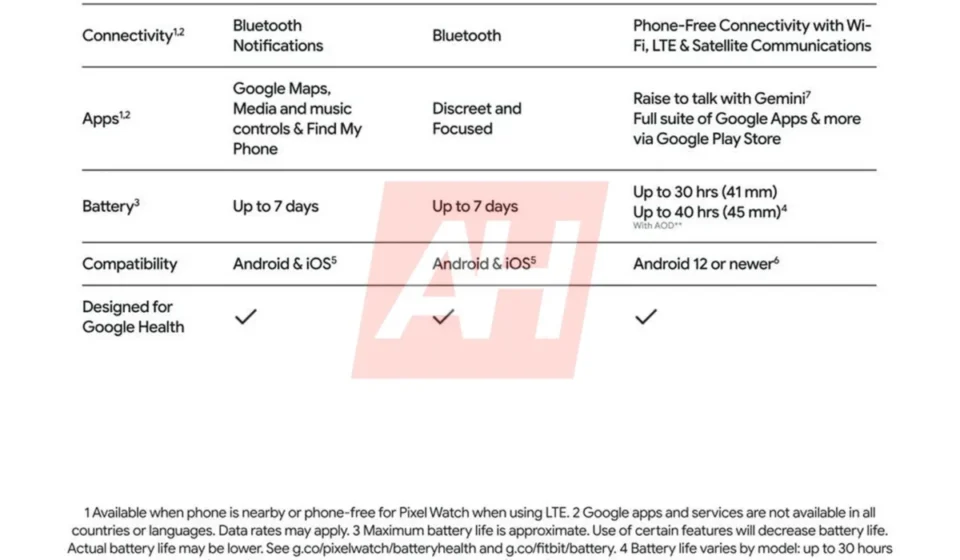
The leaked specifications for the Fitbit Edge paint a picture of a robust fitness tracker designed to meet the demands of active users while maintaining practical everyday usability. One of the most compelling features highlighted is the promise of up to seven days of battery life. In an era where many smartwatches struggle to last beyond a day or two on a single charge, a week-long battery life for a device with a display and advanced tracking capabilities would be a significant selling point. This longevity positions the Edge as a reliable companion for extended adventures or for users who simply prefer not to charge their device daily, a key differentiator from its smartwatch counterparts.
Beyond battery endurance, the Fitbit Edge is expected to incorporate several crucial health and fitness tracking functionalities:
- Integrated GPS: The inclusion of on-board GPS is a critical upgrade for any serious fitness tracker. Unlike "connected GPS" which relies on a paired smartphone for location data, built-in GPS allows users to accurately track their outdoor runs, bike rides, and hikes without carrying their phone. This feature is indispensable for athletes and outdoor enthusiasts seeking precise distance, pace, and route mapping directly from their wrist, providing greater freedom and convenience.
- Altimeter for Elevation Tracking: An altimeter enables the device to measure changes in elevation, a valuable metric for activities such as hiking, stair climbing, and even urban walking. This feature provides a more comprehensive understanding of a user’s physical exertion, allowing for more accurate calorie expenditure calculations and a richer data set for performance analysis. For individuals training in varied terrain, the altimeter adds another layer of sophistication to their fitness tracking.
- Automatic Activity Recognition: Building on Fitbit’s long-standing expertise, the Edge is expected to feature automatic activity recognition. This intelligent function allows the device to automatically detect and log various types of physical activity, such as walking, running, or swimming, without requiring manual input from the user. This seamless tracking removes a common barrier to consistent data collection, ensuring that all movements contribute to the user’s overall activity goals and insights.
- Smartphone Notifications: While primarily a fitness tracker, the Edge will reportedly offer essential smartwatch functionalities, including the display of notifications from a connected smartphone. This capability allows users to stay informed about incoming calls, messages, and app alerts directly on their wrist, reducing the need to constantly check their phone. It strikes a balance between staying connected and minimizing distractions, particularly during workouts.
- Limited App Support: The leak suggests support for a select handful of Google applications, specifically Google Maps, YouTube Music, and Find My Phone. This curated selection of apps underscores the Edge’s focus as a fitness tracker with smart enhancements, rather than a full-fledged smartwatch.
- Google Maps: On-wrist navigation can be incredibly useful during runs or walks in unfamiliar areas, providing turn-by-turn directions without needing to pull out a phone.
- YouTube Music: The ability to control music playback from the wrist is a staple feature for many fitness enthusiasts, allowing them to manage their workout soundtrack effortlessly.
- Find My Phone: This utility provides a practical solution for locating a misplaced smartphone, a common occurrence for many users.
- Cross-Platform Compatibility: Crucially, the Fitbit Edge is expected to offer support for both Android and iOS devices. This broad compatibility ensures that the device can appeal to the widest possible audience, regardless of their preferred smartphone ecosystem, a strategy that has traditionally been a strength for Fitbit devices compared to platform-locked wearables like the Apple Watch.
Google’s Wearable Strategy and the Fitbit Legacy
The potential launch of the Fitbit Edge comes at a pivotal moment for Google’s wearable division. Since its acquisition of Fitbit, approved in 2021, Google has been steadily integrating the brand into its broader hardware strategy. The goal has been to leverage Fitbit’s established expertise in health and fitness tracking while simultaneously developing its own premium smartwatch line with the Pixel Watch. This dual-pronged approach aims to capture different segments of the wearable market.
The Existing Landscape:
Google’s current wearable lineup, post-Fitbit acquisition, can be broadly categorized:
- Fitbit Air: Positioned as a minimalist, distraction-free tracker, often with a hybrid analog-digital design. It caters to users seeking basic activity tracking and long battery life without the complexities of a full smartwatch. Its price point typically starts around $99.
- Pixel Watch Series (e.g., Pixel Watch 5): These represent Google’s premium smartwatch offering, running on Wear OS. They provide a comprehensive smartwatch experience with extensive app support, advanced health tracking, and tight integration with the Android ecosystem. These devices typically command a higher price point, often starting above $300.
The Gap and the Charge Series Legacy:
For several years, the Fitbit Charge series has been the bedrock of Fitbit’s success, offering a balanced blend of advanced fitness tracking, essential smart features, and respectable battery life at an accessible price. The last iteration, the Fitbit Charge 5, was released in 2021 (with the article suggesting no new Charge since 2023, implying the Charge 5 was the most recent before the gap). The Charge 5 notably brought an AMOLED color display, ECG app, EDA sensor for stress management, and built-in GPS to the lineup, demonstrating Fitbit’s commitment to innovation in this form factor.
The absence of a new Fitbit Charge model since 2021 (or 2023 as implied by the article) has left a noticeable void in Google’s wearable portfolio. This "middle ground" segment is highly competitive, populated by devices from Garmin, Samsung, and other players that offer more than basic trackers but less than full-fledged smartwatches. Consumers in this segment value dedicated fitness features, decent battery life, and some smart capabilities without the premium price tag or daily charging requirements of a top-tier smartwatch.
The Fitbit Edge appears poised to fill this precise gap, effectively acting as the spiritual successor to the Charge series. By offering a screen-equipped tracker focused squarely on health and fitness, but with select smart features, it directly addresses the needs of users who found the Fitbit Air too basic and the Pixel Watch too feature-rich or expensive. This strategic positioning is crucial for Google to maintain its relevance and competitiveness across the entire wearable spectrum.
Chronology of Google’s Wearable Strategy (Inferred and Known)
- November 2019: Google announces its intent to acquire Fitbit for $2.1 billion. This move signals Google’s serious commitment to the health and fitness wearable market and its desire to compete more directly with Apple.
- January 2021: The acquisition of Fitbit is completed after a lengthy regulatory review process, particularly in Europe, where Google made commitments regarding data privacy and competition.
- October 2021: Fitbit launches the Fitbit Charge 5, its most advanced fitness tracker to date, featuring an AMOLED display, built-in GPS, ECG, and EDA sensor. This device becomes the benchmark for Fitbit’s mid-tier offering.
- October 2022: Google launches the first-generation Pixel Watch, marking its entry into the premium smartwatch market under its own brand, running Wear OS and deeply integrated with Google services. This launch co-existed with Fitbit devices, but introduced a new tier.
- October 2023: Google likely releases the Pixel Watch 2 (the article references Pixel Watch 5, implying a continued lineage of Pixel Watches, pushing the timeline further). This iterative update would typically bring performance improvements and new features to the premium smartwatch line.
- Late 2023/Early 2024: The period where a successor to the Fitbit Charge 5 might have been expected but did not materialize, creating the perceived "gap" in the lineup.
- October 2026 (Implied by image dates): The current leak of the "Fitbit Edge" emerges, suggesting a launch in this timeframe, years after the Charge 5. This extended gap highlights the strategic importance of the Edge in re-establishing Fitbit’s presence in the screen-equipped tracker category. The article’s reference to Pixel 11 Pro also suggests a future timeline, aligning with the "2026" dates on the leaked images.
Broader Impact and Market Implications
The introduction of the Fitbit Edge, if the leak proves accurate, carries several significant implications for the wearable market and Google’s strategic direction.
Reinvigorating the Mid-Tier: The fitness tracker market has seen a polarization, with basic bands at one end and full smartwatches at the other. The mid-tier, offering a blend of both, has been somewhat underserved or dominated by a few strong players. The Edge’s feature set – built-in GPS, robust battery, and selective smart apps – positions it to capture a substantial share of consumers who are looking for advanced health tracking without the bulk, cost, or complexity of a premium smartwatch. This could breathe new life into a segment that many analysts believed was being squeezed out by increasingly capable basic trackers and more affordable smartwatches.
Strengthening Google’s Ecosystem Play: The consistent color palette with the Pixel 11 Pro is a clear indicator of Google’s ambition to build a seamless and visually harmonious hardware ecosystem. By offering a range of devices that complement each other in design and functionality, Google aims to increase customer loyalty and encourage users to invest further in its product family. The Edge acts as an accessible entry point or a complementary device for Pixel phone users who may not desire a full Pixel Watch.
Competitive Landscape: The Fitbit Edge will enter a competitive arena. It will face off against devices like Garmin’s Vivosmart or Venu series, Samsung’s Galaxy Fit line, and potentially some offerings from Huawei or Xiaomi, all of which vie for market share in the sub-$200 fitness tracker category. Its success will hinge on its ability to deliver superior performance, accuracy, and user experience, particularly given Fitbit’s reputation for robust health tracking algorithms and community features. The seven-day battery life and built-in GPS are strong competitive advantages at the rumored price point.
The Future of Fitbit OS: While the Pixel Watch runs Wear OS, Fitbit’s own operating system has powered its trackers for years. The Edge, likely running a refined version of Fitbit OS, signifies Google’s continued investment in the platform for dedicated fitness devices. This suggests a strategic differentiation: Wear OS for full smartwatches and Fitbit OS for specialized health and fitness trackers. This dual-OS approach allows Google to optimize each platform for its specific use case, offering the best of both worlds to different consumer segments.
Pricing and Availability Analysis
According to the leak, Google could launch the Fitbit Edge "this month," implying a release ahead of the crucial holiday shopping season. This timing is strategically sound, allowing the device to capitalize on peak consumer spending and position itself as an attractive gift option or a personal upgrade for the new year’s fitness resolutions.
Previous Fitbit Charge models typically retailed between $129 and $179 at launch. For context, the more basic Fitbit Air starts at $99. Android Headlines estimates the Fitbit Edge could land in the price range of $149 to $199. This pricing aligns well with its reported feature set, positioning it above the entry-level trackers but comfortably below the premium Pixel Watch series.
At an estimated price point of $149-$199, the Fitbit Edge offers significant value. A device with a display, built-in GPS, altimeter, automatic activity recognition, notifications, and week-long battery life at this price would be highly competitive. For comparison, the Fitbit Charge 5 launched at $179.95, and the Edge appears to be an evolution of that offering, suggesting the estimated price range is plausible. This pricing strategy would allow Google to capture a substantial segment of the market looking for advanced features without the premium cost of a full-fledged smartwatch, further solidifying Fitbit’s position as a leader in accessible, high-quality health technology.
Concluding Thoughts
The leak of the Fitbit Edge underscores Google’s commitment to building a comprehensive and diversified wearable ecosystem. By strategically positioning the Edge between its minimalist tracker and its premium smartwatch, Google aims to cater to a broader audience, offering a compelling blend of advanced fitness tracking and essential smart features. The device’s reported specifications, including long battery life, built-in GPS, and limited app support, coupled with its cohesive design language aligned with the Pixel brand, suggest a thoughtful approach to meeting consumer demands in the competitive mid-tier wearable market. While official confirmation from Google or Fitbit is still pending, the detailed nature of this leak provides a strong indication of what consumers can expect as the tech giant continues to evolve its health and fitness offerings. The Fitbit Edge could very well be the device that redefines expectations for screen-equipped fitness trackers in the years to come.