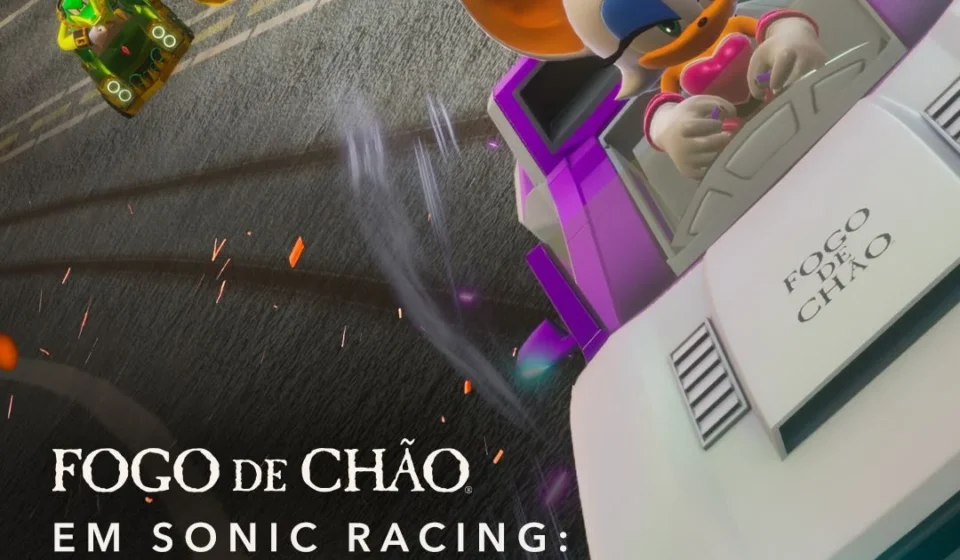

The collaboration allows players of Sonic Racing: CrossWorlds to customize their in-game vehicles with exclusive Fogo de Chão branding. These digital assets, known as decals, feature the restaurant’s iconic logo and visual identity, allowing users to race through the Sonic universe while displaying the mark of the world-famous churrascaria. This initiative is not merely a cosmetic addition but represents a sophisticated "advergaming" strategy designed to foster brand recognition within a virtual space that millions of players inhabit daily.
Technical Integration and Customization Mechanics
Sonic Racing: CrossWorlds is recognized for its robust customization engine, which provides players with an unprecedented level of control over the aesthetics and performance of their racing machines. According to the game’s developers, there are currently over 70,000 possible combinations of parts, colors, and decals available to users. The inclusion of the Fogo de Chão brand adds a unique cultural element to this vast library of options.
To access the branded content, players navigate to the vehicle customization menu, where they can select from a variety of licensed and original decals. The Fogo de Chão assets are designed to be seamlessly applied to any vehicle in the game’s roster. This level of integration ensures that the brand remains visible during high-speed gameplay, replays, and online multiplayer matches, providing constant, non-intrusive exposure to the restaurant’s identity.
The game itself is widely available across multiple generations of hardware. It is currently published for the PlayStation 5, PlayStation 4, Xbox Series X|S, Xbox One, and PC. Notably, the partnership extends to the Nintendo ecosystem, with the game being accessible on the Nintendo Switch and cited as compatible with future Nintendo hardware iterations. This broad availability ensures that the Fogo de Chão marketing campaign reaches a global audience across all major gaming demographics.
Strategic Vision and Long-Term Planning
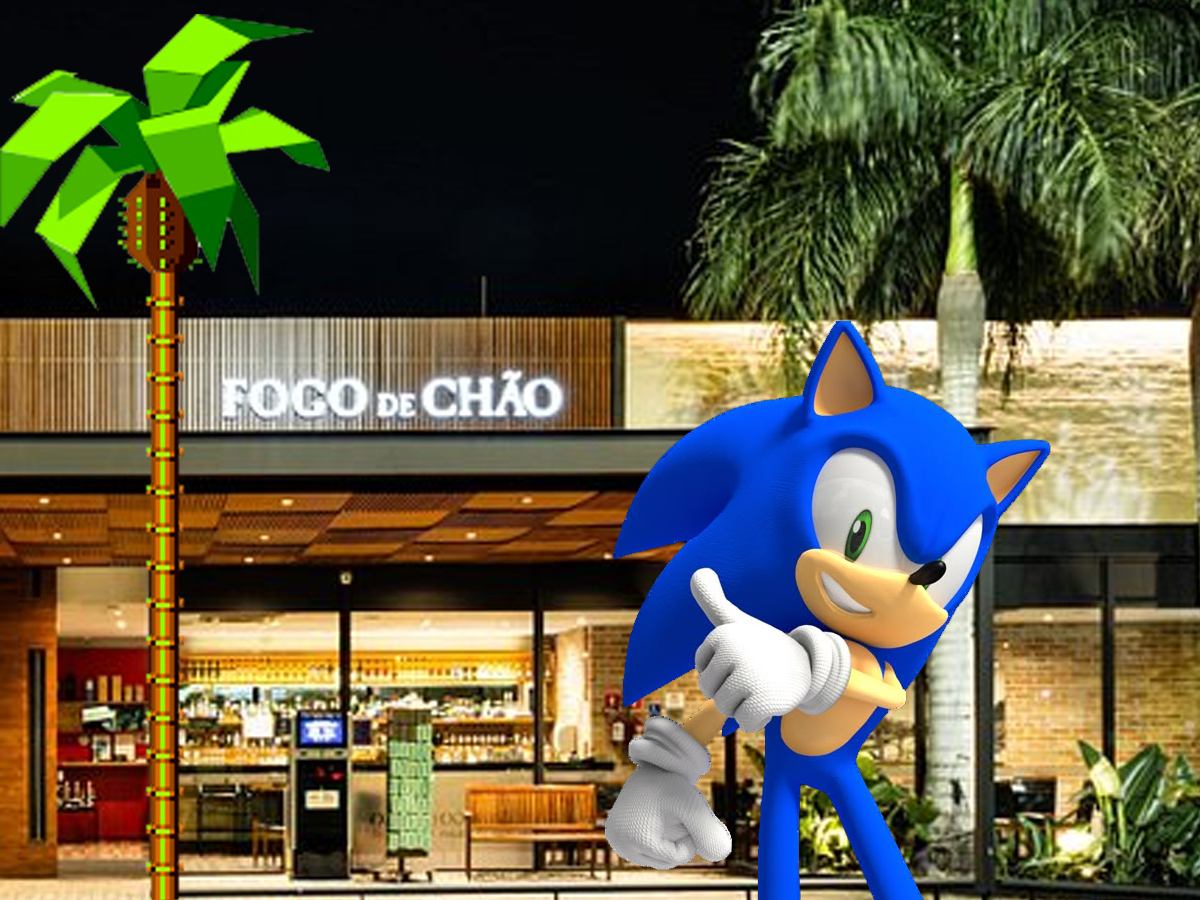
While the introduction of digital decals may appear to be a straightforward marketing tactic, the executive leadership at Fogo de Chão emphasizes that this is the result of a rigorous, multi-year planning process. João Galoppi, the Director of Marketing and Sales for Fogo de Chão Brazil, revealed that the project was the culmination of two years of collaborative development between the restaurant’s marketing teams and SEGA’s licensing department.
"The project is the result of two years of joint development between the teams, consolidating a strategic collaboration between the two brands," Galoppi stated. "Presence in the game expands Fogo de Chão’s reach with the young public, connecting the gastronomic scene to the gaming universe in a creative and innovative way. We are proud to be the only Brazilian brand to be part of this initiative."
Galoppi further explained that this move is part of a broader "internationalization" strategy. Fogo de Chão is seeking to evolve its brand positioning to focus more heavily on customer experience and cultural relevance. By entering the gaming world, the company is attempting to transform the perception of the "rodízio" (continuous service) steakhouse from a traditional dining destination into a lifestyle brand that resonates with the digital habits of Generation Z and Millennials.
The Growth of the Brazilian Gaming Market
The decision for a Brazilian-founded company to partner with a Japanese giant like SEGA is supported by the explosive growth of the gaming industry in Brazil. Recent market data indicates that Brazil is the largest gaming market in Latin America and the 10th largest in the world by revenue. With over 100 million gamers in the country, the potential for brand integration is immense.
Industry analysts suggest that "non-endemic" brands—companies that do not sell gaming hardware or software—are increasingly looking toward titles like Sonic the Hedgehog to reach audiences that are moving away from traditional television and print media. For Fogo de Chão, which operates over 100 units globally, including significant clusters in Brazil, the United States, the Middle East, and Turkey, the gaming platform provides a unified global stage to promote its brand regardless of geographic boundaries.

Chronology of Brand Evolution
To understand the weight of this partnership, it is necessary to look at the timeline of Fogo de Chão’s expansion. Founded in 1979 in Porto Alegre, Brazil, the company spent its first two decades establishing the "Gaúcho" way of grilling as a premium dining experience. In 1997, the brand expanded to the United States, opening its first international location in Dallas, Texas.
Since then, the brand has undergone several phases:
- 1997–2010: Rapid expansion across major U.S. metropolitan areas, establishing the brand as a leader in the "Brazilian Steakhouse" category.
- 2011–2020: Global diversification, with openings in Mexico City, Dubai, and Jeddah, alongside a modernization of the restaurant interiors and menu offerings (including the introduction of the "Market Table").
- 2021–Present: A focus on digital transformation and experiential marketing, culminating in the current partnership with SEGA.
This timeline shows a clear trajectory from a regional specialty restaurant to a global entity that now competes for "share of mind" in the digital entertainment space. The two-year development cycle mentioned by Galoppi suggests that the discussions for the SEGA deal began during a period of significant post-pandemic recovery, where digital engagement became a priority for brick-and-mortar businesses.
Public Response and Social Media Impact
The announcement of the partnership was made through a collaborative "collab" post on Instagram, featuring both the official Fogo de Chão account and the official Sonic the Hedgehog Brazil account. The reaction from the public was a mix of surprise and humor, reflecting the "unexpected" nature of the crossover.
Social media metrics showed a high level of engagement, with users praising the creativity of the campaign. Some comments became viral in their own right, with fans jokingly suggesting that SEGA should implement a "steakhouse-themed" race track where cars drive through oversized grills or past waiters carrying skewers of meat. This type of organic interaction is a key performance indicator for Fogo de Chão, as it demonstrates that the brand is being discussed in a playful, positive context by a demographic that might not have previously considered the restaurant for their dining choices.

Broader Implications for Advergaming
The Fogo de Chão and SEGA deal is a textbook example of the evolving "advergaming" landscape. Unlike early forms of in-game advertising, which often felt forced or out of place, modern integrations are designed to be part of the player’s creative expression. In Sonic Racing: CrossWorlds, the choice to use the Fogo de Chão decal rests entirely with the player, making the brand a participant in the user’s personal gaming journey.
For SEGA, partnering with a high-end restaurant chain adds a layer of "real-world" prestige to the game. It also provides a blueprint for how other international brands can utilize the Sonic franchise—a brand with deep nostalgic roots and a massive current following—to maintain visibility.
As the gaming industry continues to expand, and with the potential launch of new hardware like the "Nintendo Switch 2" on the horizon, these types of cross-industry collaborations are expected to become more frequent. Fogo de Chão has set a precedent for Brazilian companies, proving that even the most traditional industries can find a home in the fast-paced, high-tech world of competitive gaming.
In conclusion, the partnership between Fogo de Chão and SEGA represents more than just a logo on a digital car. It is a calculated move into the future of brand communication, where the "flame" of the traditional Brazilian barbecue is kept alive in the hearts—and consoles—of a new generation of consumers. By leveraging the global appeal of Sonic the Hedgehog, Fogo de Chão is ensuring that its brand remains relevant in an increasingly digital world, bridging the gap between the physical pleasure of a premium meal and the digital excitement of a high-speed race.