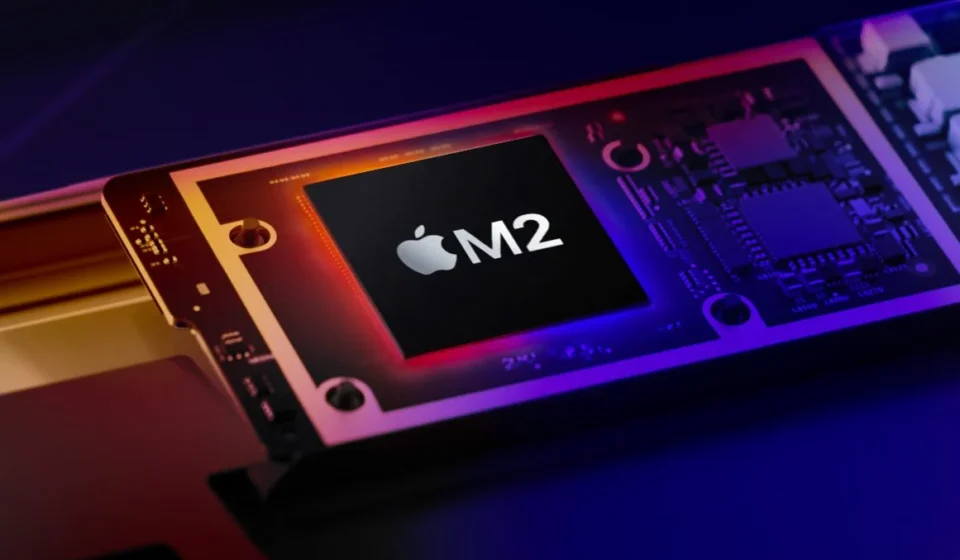

Apple discontinued the Mac Pro earlier this year, ending a 20-year run for a computer that once represented the very best of the company’s desktop lineup. However, Apple reportedly had much bigger plans for the machine before ultimately replacing it with the Mac Studio. According to Bloomberg’s Mark Gurman, Apple developed an M3 Extreme chip that could have offered twice as many CPU and GPU cores as the M3 Ultra. The processor was intended to sit above the Ultra tier and could have finally given the Mac Pro the performance advantage it badly needed. Apple eventually abandoned the chip due to concerns over production costs and limited demand for such an expensive machine.
The Genesis of an Unreleased Powerhouse: Apple’s M3 Extreme Ambitions
Reports surfacing in early 2022 first hinted at Apple’s exploration of an "Extreme" tier within its M-series silicon lineup. Mark Gurman of Bloomberg detailed the company’s development of an M2 Extreme chip, slated for the inaugural Apple Silicon Mac Pro. This hypothetical processor was envisioned to boast a staggering 48 CPU cores and 152 GPU cores, effectively doubling the specifications of the anticipated M2 Ultra. Such a chip would have positioned the Mac Pro as an unparalleled desktop workstation, catering to the most demanding professional workflows.
However, the sheer manufacturing complexity and associated costs presented significant hurdles. Industry analysts estimated that an M2 Extreme-equipped Mac Pro could have commanded a price tag exceeding $10,000 before any customization, firmly placing it within an exceptionally niche market segment. This economic reality, coupled with potential engineering challenges in perfecting such a high-density chip, ultimately led to the project’s shelving.

A Pattern of Unfulfilled Potential: The M3 Extreme’s Fate
The recent revelations suggest that Apple revisited the concept of an "Extreme" chip with its M3 generation. While specific details regarding the M3 Extreme’s core count remain speculative, it is understood to have been designed to offer double the CPU and GPU capabilities of the M3 Ultra. The M3 Ultra, as currently configured, features a 32-core CPU and an 80-core GPU. An M3 Extreme would therefore have pushed these figures to an unprecedented 64 CPU cores and 160 GPU cores, representing a significant leap in raw processing power.
This advanced chip was reportedly intended for the then-upcoming Mac Pro. The Mac Pro, a machine historically defined by its modularity and extreme performance for creative professionals, was seen by many as the ideal platform for such a potent processor. The promise of an M3 Extreme would have offered a distinct performance advantage over other Apple Silicon Macs, providing a clear justification for the Mac Pro’s existence and its premium pricing.
The Mac Pro’s Shifting Landscape: From Cheese Grater to Mac Studio
The discontinuation of the Mac Pro in early 2024 marked the end of an era for Apple’s professional desktop line. For two decades, the Mac Pro, particularly its iconic "cheese grater" design from 2019, symbolized the pinnacle of Apple’s desktop computing power, offering expandability and raw performance unmatched by its consumer-grade siblings.
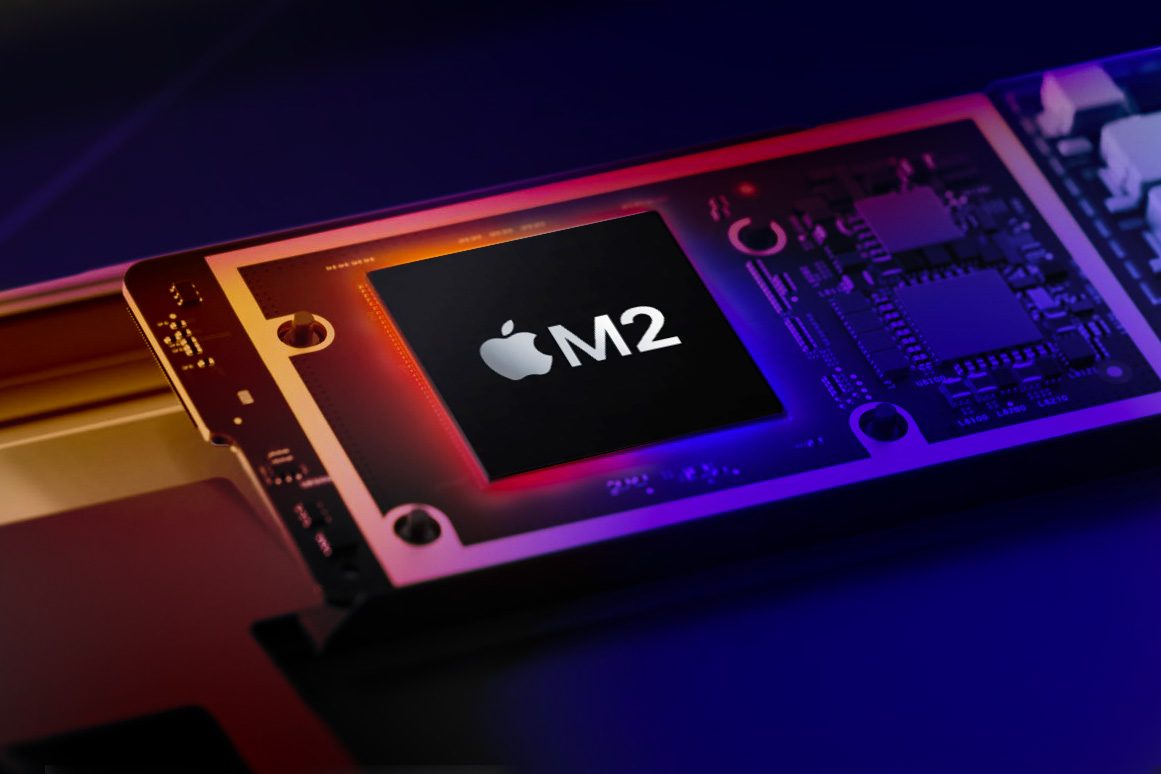
The transition to Apple Silicon, while lauded for its efficiency and performance gains, introduced a new dynamic. The first Apple Silicon Mac Pro, launched in 2023, featured the M2 Ultra chip, a component also available in the significantly more affordable Mac Studio. While the Mac Pro offered PCIe expansion slots, a key differentiator for certain professional workflows, its performance parity with the Mac Studio, coupled with a substantially higher price point, raised questions about its value proposition for many users. The absence of a bespoke, top-tier chip like the M3 Extreme meant the Mac Pro struggled to carve out a distinct performance niche within Apple’s own product ecosystem.
Production Costs and Market Demand: The Sticking Points
The primary drivers behind the abandonment of both the M2 Extreme and M3 Extreme projects appear to be rooted in the economic realities of high-end chip manufacturing. Producing chips with such an extreme number of cores presents significant engineering challenges, leading to lower yields and consequently, higher per-unit costs. Apple’s internal cost-benefit analysis likely concluded that the development and production expenses for these ultra-high-core-count chips could not be justified by the projected sales volume.
The market for workstations capable of harnessing the power of an M3 Extreme would, by definition, be exceptionally small. These machines are typically purchased by a select group of professionals in fields such as high-end video editing, complex 3D rendering, scientific simulation, and advanced AI development. While these users demand the utmost performance, their numbers are finite, and they often have specific hardware and software compatibility requirements that can influence purchasing decisions.

Furthermore, the competitive landscape for professional workstations is robust, with established players offering highly configurable systems. Apple’s approach to silicon integration, while offering impressive performance, has also historically favored a more unified and less modular design compared to traditional PC workstations. The decision to forgo the M3 Extreme suggests Apple may have concluded that the incremental performance gains would not offset the substantial investment required, especially when considering the success of its existing M-series Ultra chips in serving a broader professional user base through products like the Mac Studio and the existing Mac Pro.
The Implication for Professional Workflows and Apple’s Strategy
The cancellation of the M3 Extreme chip and the eventual discontinuation of the Mac Pro signal a potential shift in Apple’s strategy for its highest-end desktop offerings. It suggests a focus on optimizing existing chip tiers and integrating them into more consolidated product lines, such as the Mac Studio, which offers a compelling blend of performance and value for many professionals.
For users who relied on the Mac Pro for its ultimate expandability and the promise of bleeding-edge, bespoke silicon, this news may be disappointing. The M3 Extreme could have provided a tangible performance uplift that justified the Mac Pro’s premium positioning, offering a clear upgrade path beyond the M2 Ultra. Without such a chip, the Mac Pro’s unique selling proposition became increasingly reliant on its PCIe expansion capabilities, which, while valuable, do not appeal to all professional users.

The decision also highlights the delicate balance Apple must strike between pushing the boundaries of silicon innovation and maintaining commercially viable product lines. The pursuit of extreme performance, while a hallmark of Apple’s engineering prowess, must ultimately align with market demand and production feasibility. The M3 Extreme, in this context, appears to have been a casualty of these pragmatic considerations, a testament to the high stakes involved in developing and marketing the most powerful computing hardware available.
Looking ahead, it remains to be seen how Apple will address the needs of its most demanding professional users. The company’s commitment to powerful Apple Silicon is undeniable, and future iterations of chips like the M4 and beyond will undoubtedly continue to push performance envelopes. However, the specific path Apple takes for its ultra-high-end desktop offerings, whether through enhanced existing tiers or entirely new product categories, will be closely watched by professionals who depend on the company’s hardware for their critical work. The absence of an "Extreme" chip for the Mac Pro underscores the economic realities that even the most innovative technology companies must navigate.