OnePlus Exits North America and Europe, Marking a Significant Shift in the Global Smartphone Landscape

The departure of OnePlus from the North American and European markets represents a substantial change in the global smartphone industry, impacting consumer choice and the competitive dynamics of the Android ecosystem. While the company has confirmed that it will continue to provide software updates and after-sales support for existing customers, its decision to cease launching new products in these key regions signifies a strategic pivot away from two of the world’s most significant consumer electronics markets. This move has generated considerable discussion among tech enthusiasts and industry observers, prompting a deeper examination of the brand’s trajectory and its impact on the broader Android landscape.
The Evolving Android Market in Key Regions
The Android market in the United States and Europe, while vast, has become increasingly consolidated at the flagship level. Consumers seeking high-end devices have largely found their options limited to offerings from Samsung and Google. Samsung, with its established Galaxy S and Fold series, commands a significant market share, consistently delivering polished devices with robust feature sets. Google, through its Pixel line, has carved out a niche by focusing on software innovation, AI integration, and a pure Android experience, often lauded for its exceptional camera performance.

Into this landscape, OnePlus emerged as a distinctive player, often positioned as a challenger brand offering compelling specifications at competitive price points, coupled with a design philosophy that sought to differentiate itself from the mainstream. The brand’s commitment to unique materials, innovative design features, and a user-centric software experience, OxygenOS, resonated with a segment of the market that desired alternatives to the prevailing aesthetics and functionalities. The withdrawal of OnePlus from these markets effectively reduces the diversity of flagship Android offerings available to consumers in these regions.
A Chronology of OnePlus’s Design Evolution and Market Presence
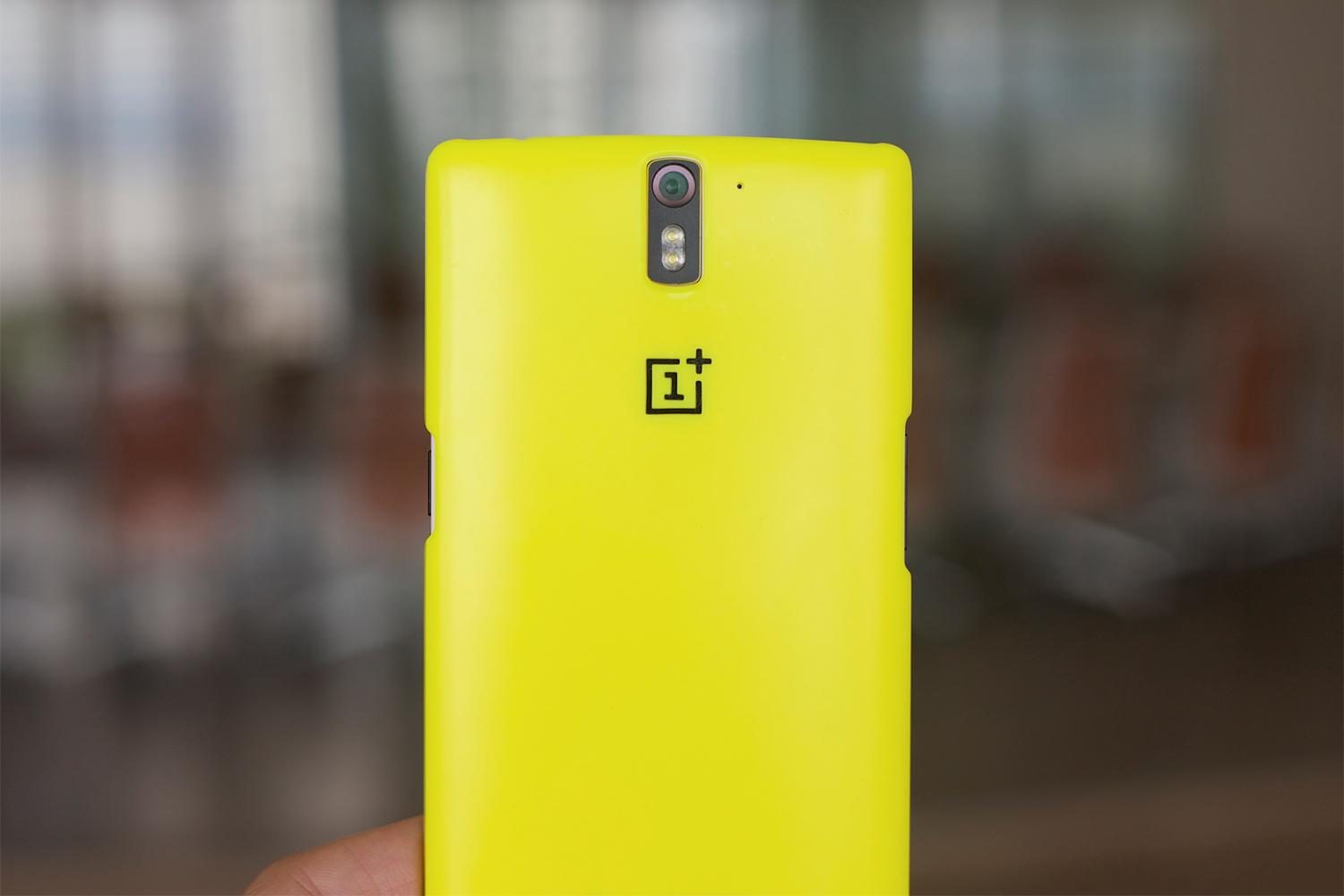
Founded in 2013, OnePlus quickly established a reputation for its "flagship killer" ethos, aiming to deliver high-performance smartphones with premium build quality at more accessible prices than established competitors. The initial launch of the OnePlus One in 2014 was particularly notable for its distinctive Sandstone Black back, a textured finish that offered a tactile experience vastly different from the glossy or metallic finishes prevalent at the time. This emphasis on unique materials and user feel became a hallmark of early OnePlus devices.
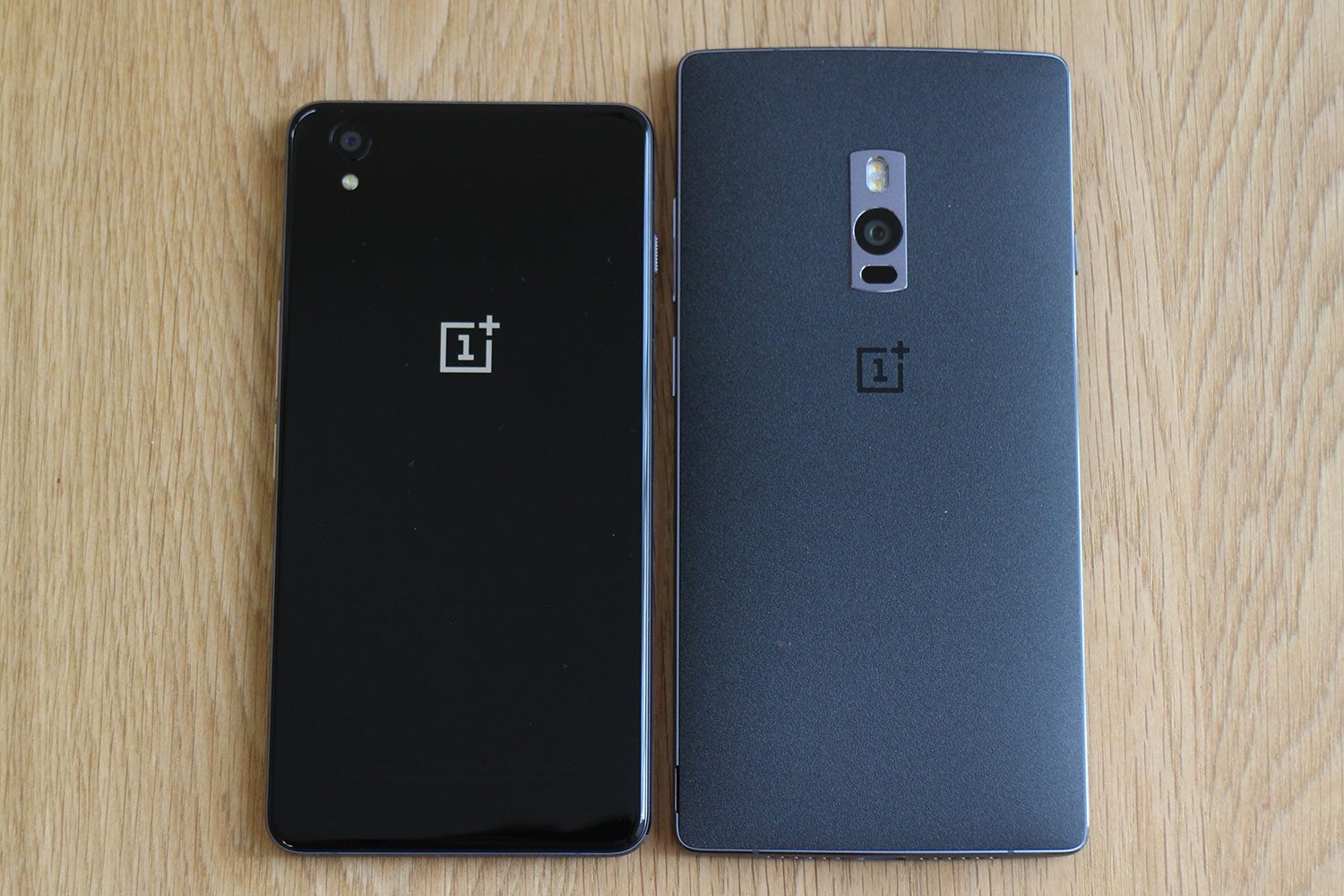
The company continued this exploration of alternative materials with the OnePlus 2, offering StyleSwap covers in options like bamboo, rosewood, and Kevlar. This approach allowed users a degree of personalization and further differentiated the brand. However, OnePlus demonstrated a capacity for reinvention. The OnePlus X, launched in 2015, marked a departure from textured backs, embracing a more elegant design with glossy glass, polished metal frames, and even a limited ceramic edition. This showcased the brand’s willingness to experiment with different aesthetic directions, moving from rugged and tactile to sleek and refined.
Subsequent generations saw OnePlus embrace aluminum unibodies and then return to glass construction with models like the OnePlus 6. Each iteration, while adhering to the underlying glass-sandwich design, often featured unique colorways and finishes, such as Mirror Black, Midnight Black, Silk White, and a vibrant red edition, contributing to a sense of individuality for each device.
The OnePlus 7T Pro, released in 2019, is often cited as a prime example of the brand’s innovative design spirit. Its pop-up selfie camera eliminated the need for notches or punch-hole cutouts, enabling a truly edge-to-edge, uninterrupted display. This design choice, coupled with finishes like the deep blue on the McLaren Edition, projected a futuristic yet understated aesthetic. This era also saw the conceptual exploration of technologies like electrochromic glass, as seen in the Concept One, which could make rear cameras invisible when not in use, underscoring OnePlus’s willingness to push boundaries and explore unconventional features.
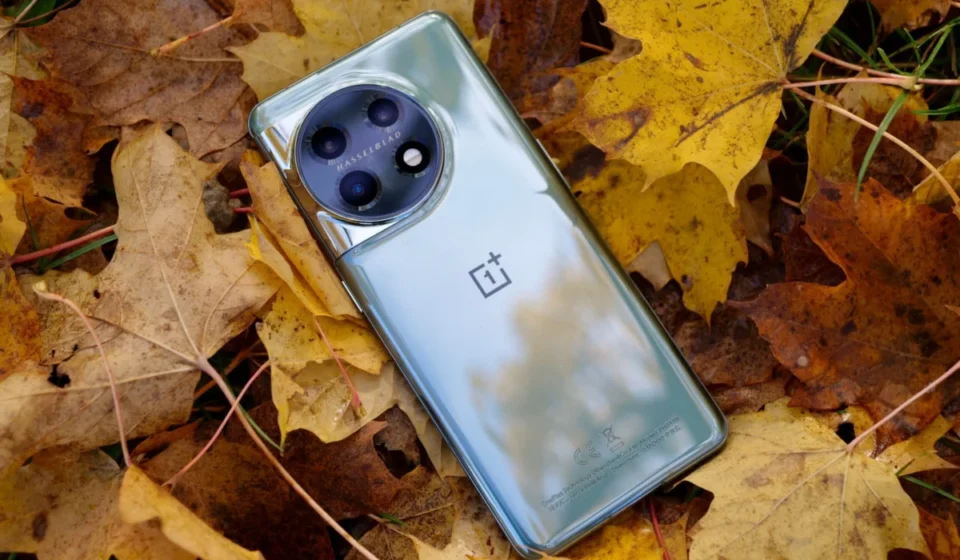
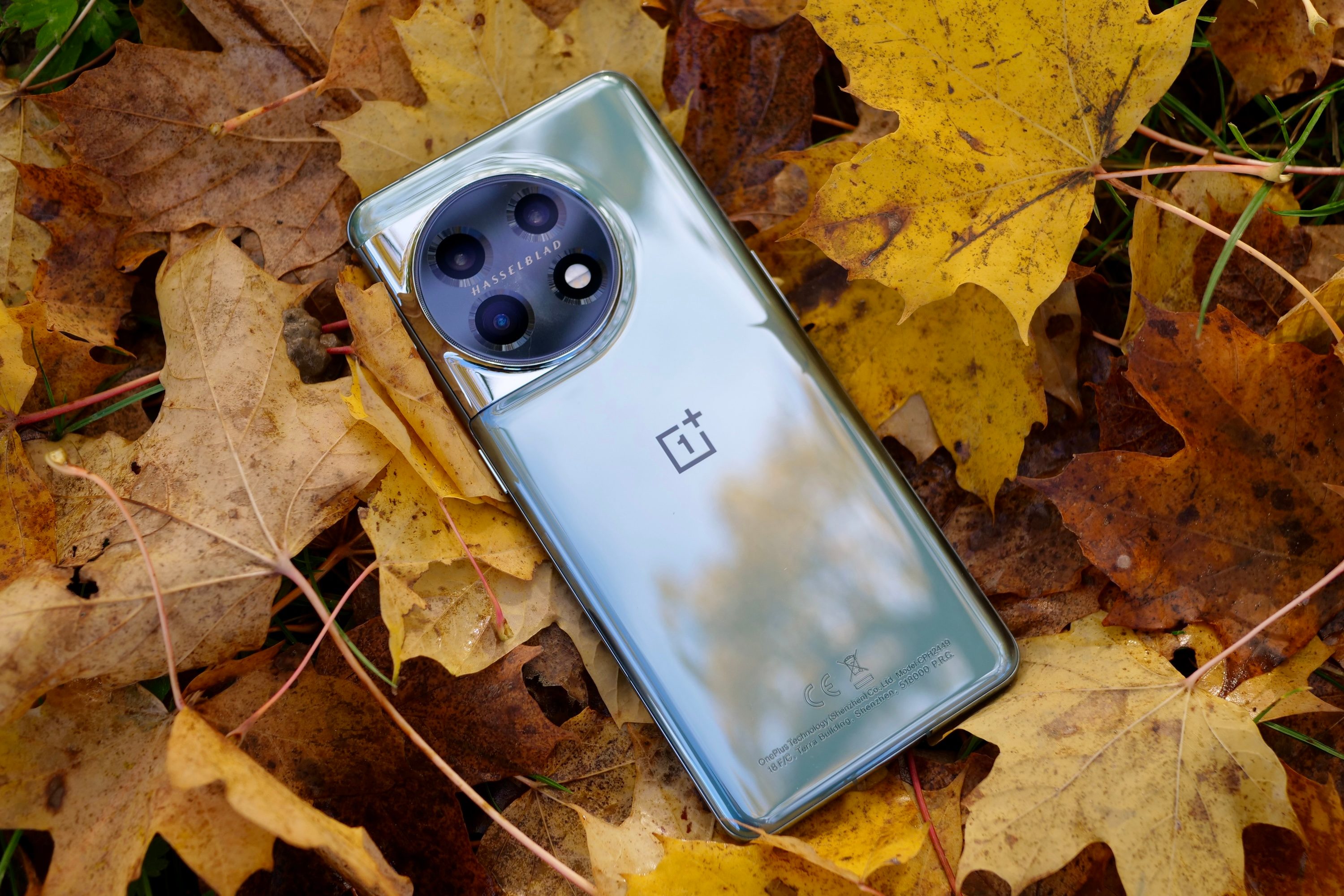
More recent years have seen OnePlus continue to introduce distinctive design elements. The OnePlus 11’s prominent circular camera module, the OnePlus 12’s "Flowy Emerald" finish resembling frozen water, and the OnePlus Open’s options of matte glass and vegan leather all contributed to a visual identity that, while evolving, consistently aimed to stand out. Even the Nord series, positioned as a more budget-friendly line, explored materials like metal at a time when many competitors were opting for plastic.
Supporting Data and Market Trends
The decision to exit North America and Europe comes amidst a complex global smartphone market. While global smartphone shipments have shown periods of growth and contraction, the premium segment, where OnePlus primarily competed, is characterized by intense competition.
According to data from industry analysis firms, the Android market share in the US has historically hovered around the 40-50% mark, with iOS dominating the remainder. Within the Android segment, Samsung has consistently held the largest share, often exceeding 25-30% of the total smartphone market, while Google’s Pixel devices have typically maintained a single-digit percentage. OnePlus, in its prime, managed to capture a notable, albeit smaller, share within this competitive landscape.
Several factors likely contributed to OnePlus’s strategic review of its presence in these markets. Increased competition from established players, rising manufacturing costs, and the need for substantial marketing investment to maintain brand visibility in saturated markets are significant considerations. Furthermore, the company’s integration with Oppo, its sister company under the BBK Electronics umbrella, has led to a more consolidated product strategy across brands, potentially influencing regional market focus.

Industry Analysis and Implications
OnePlus’s withdrawal from North America and Europe is likely to have several implications:
- Reduced Consumer Choice: The most immediate impact is a reduction in the number of distinct flagship Android options available to consumers in these regions. While Samsung and Google offer excellent devices, the absence of OnePlus removes a brand that often catered to a specific segment seeking unique designs and a differentiated user experience.
- Shifting Competitive Dynamics: The departure may allow Samsung and Google to further solidify their positions in the premium Android segment without the disruptive presence of OnePlus. This could potentially lead to less pressure on these dominant players to innovate in certain design or feature areas.
- Focus on Emerging Markets: OnePlus’s continued presence in markets like India, where it has a strong foothold, and potentially other regions in Asia, suggests a strategic realignment. These markets may offer greater growth potential and a more receptive audience for the brand’s evolving product strategy.
- Impact on Innovation: While OnePlus will continue to innovate internally, its absence from two major markets might reduce the immediate pressure on other manufacturers to match its more experimental design choices or feature introductions that previously gained traction in these regions.
Official Statements and Corporate Strategy
While specific detailed statements regarding the reasons for the exit from North America and Europe have not been extensively elaborated upon by OnePlus or its parent company, BBK Electronics, the company’s official communications have emphasized a commitment to its existing customer base. The confirmation that software updates and after-sales support will continue is a crucial point for current owners.
This strategic shift can be viewed within the broader context of the global smartphone industry’s evolution. Companies are increasingly focusing their resources on markets where they can achieve significant scale and profitability. The substantial investment required to compete effectively in highly developed and competitive markets like the US and Europe, particularly in the premium segment, may have led OnePlus to re-evaluate its return on investment.
Looking Ahead: The Legacy of a Design Innovator
The legacy of OnePlus in North America and Europe will likely be defined by its willingness to experiment and its impact on the perception of what a smartphone could be. The brand consistently challenged conventions, from its early adoption of unique materials to its pursuit of immersive display experiences and innovative camera mechanisms.
In a market often characterized by iterative updates and safe design choices, OnePlus frequently provided a welcome element of surprise. While Samsung and Google have established themselves as reliable providers of high-quality, consistent Android experiences, their approach often prioritizes refinement over radical reinvention. OnePlus, conversely, embraced risk, and in doing so, offered consumers a glimpse into a more diverse and personality-driven smartphone future. The brand’s departure from these key markets signifies the end of an era for a company that, for a significant period, was a vital catalyst for design innovation and consumer choice within the Android ecosystem. The challenge for the remaining players will be to fill the void left by a brand that, despite its eventual withdrawal, consistently demonstrated that smartphones could be both technologically advanced and aesthetically compelling, offering a unique personality in an increasingly homogenized landscape.