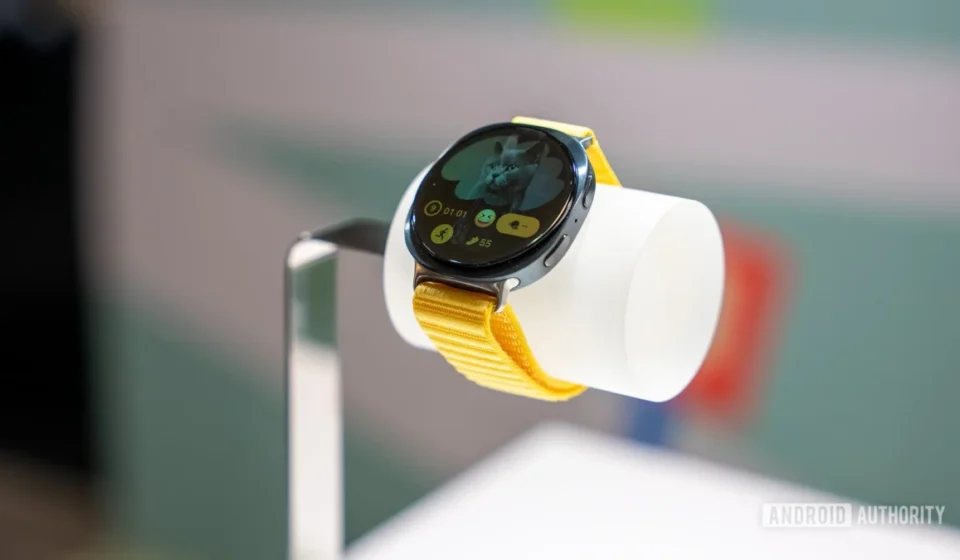
Samsung Initiates One UI 9 Watch Beta for Galaxy Watch 8 Series, Extending Wear OS 7 Innovations

Samsung has officially commenced the One UI 9 Watch beta program, making its advanced Wear OS 7-based experience accessible to users of the Galaxy Watch 8 and Galaxy Watch 8 Classic. This move signifies Samsung’s commitment to bringing its latest software innovations, previously exclusive to its current-generation Galaxy Watch 9 and Galaxy Watch Ultra 2, to a broader segment of its premium smartwatch ecosystem. The beta rollout, a critical phase in software development, allows early adopters to test and provide feedback on upcoming features, ensuring a more refined and stable public release. This strategic expansion underscores Samsung’s dedication to robust device support and enhancing user experience across its diverse wearable portfolio, maintaining a competitive edge in the rapidly evolving smartwatch market.
The initial phase of the One UI 9 Watch beta program has been launched specifically for users within South Korea. Industry observer Tarun Vats highlighted on the social media platform X that the beta is currently live for owners of the Galaxy Watch 8 series in Samsung’s home market. The update package, identified by the firmware version ZZH3, is substantial, weighing in at a hefty 2,010.76MB. This considerable file size suggests a comprehensive overhaul and the introduction of numerous new features and optimizations, rather than a minor incremental update. Accompanying this significant software upgrade is the August 5, 2026, security patch level, reinforcing Samsung’s continuous efforts to maintain the security and integrity of its devices against emerging threats. The inclusion of the latest security protocols is a standard practice for major software releases, reflecting a commitment to user data protection and system stability.
A notable enhancement detailed in the official notice distributed via the Samsung Members application pertains to the beta enrollment process itself. Samsung has streamlined the onboarding experience, requiring users to agree to the general beta terms only once. This redesigned approach aims to facilitate easier and more seamless participation in future beta tests across various smartwatch models. Previously, users might have had to re-accept terms for each new beta program or device, creating unnecessary friction. This simplification is expected to encourage greater participation from the user community, leading to more extensive testing and ultimately, a higher quality final product. Such user-centric improvements in the beta program management demonstrate Samsung’s responsiveness to user feedback and its dedication to fostering a collaborative development environment.
While the full changelog for One UI 9 Watch was not entirely visible in the initial screenshots, the update description provides a tantalizing glimpse into the key enhancements. The Wear OS 7-based update is poised to introduce a thoroughly revamped visual design, promising a refreshed and more intuitive user interface. This redesign is likely to encompass new iconography, refined animations, and an optimized layout that enhances readability and ease of navigation. Furthermore, the update is set to deliver richer watch face customization options, allowing users unprecedented flexibility in personalizing their smartwatch aesthetics. This could include new complications, expanded color palettes, dynamic backgrounds, and more interactive elements, catering to a wider range of user preferences and styles.
Beyond aesthetics, One UI 9 Watch is also slated to bring new safety tools, reflecting a growing emphasis on user well-being and emergency preparedness in wearable technology. While specific details are yet to be fully disclosed, these safety features could range from enhanced fall detection and emergency SOS capabilities to improved location sharing for peace of mind. Such innovations align with broader industry trends where smartwatches are increasingly positioned as vital personal safety devices.
The Samsung Health application, a cornerstone of Samsung’s wearable ecosystem, is also set to receive substantial upgrades. These enhancements are expected to provide users with deeper and more actionable insights into various aspects of their health and fitness. Specifically, the update mentions deeper insights into aerobic load, a crucial metric for athletes and fitness enthusiasts to optimize training and prevent overtraining. The inclusion of advanced sleep vital signs suggests more granular data on sleep quality, potentially incorporating metrics beyond basic sleep stages, such as heart rate variability during sleep or blood oxygen saturation. Moreover, the update promises improved heart health tracking, which could involve more sophisticated algorithms for detecting irregular heart rhythms, enhanced ECG capabilities, or more personalized heart rate zone training. These comprehensive health upgrades reinforce Samsung’s ambition to be a leader in digital health and wellness through its smartwatches.
The Strategic Importance of Beta Programs in Software Development
Beta programs are an indispensable component of modern software development, particularly for complex operating systems like One UI Watch built upon Wear OS. For Samsung, initiating a beta for its One UI 9 Watch on devices like the Galaxy Watch 8 series, even before a stable public release, serves multiple critical functions. Firstly, it provides a real-world testing environment that simulates diverse usage scenarios far beyond what internal testing can achieve. Thousands of users with varying daily routines, app installations, and connectivity environments can uncover bugs, performance bottlenecks, and compatibility issues that might otherwise go unnoticed. This crowd-sourced quality assurance is invaluable for identifying and rectifying problems before a widespread rollout, significantly reducing the risk of major post-release issues.
Secondly, beta programs foster a strong sense of community and direct engagement with the user base. By allowing dedicated users to get an early look at new features, Samsung cultivates a loyal following and gathers direct feedback on feature usability, design choices, and overall user experience. This feedback loop is crucial for refining features, prioritizing improvements, and ensuring that the final product truly meets user expectations. The simplified enrollment process, as noted in the Samsung Members app, is a direct testament to Samsung’s effort to lower the barrier to participation and maximize this engagement.
Furthermore, a well-managed beta program helps in stress-testing server infrastructure for update delivery and identifying potential regional rollout challenges. The substantial size of the ZZH3 firmware update, over 2GB, highlights the need for robust distribution mechanisms. A phased beta rollout allows Samsung to incrementally test its update servers and ensure a smooth experience when the stable version is eventually released to millions of users globally.
One UI Watch and Wear OS: A Symbiotic Relationship
The One UI 9 Watch beta, being Wear OS 7-based, underscores the deep collaboration between Samsung and Google in the smartwatch domain. Historically, Samsung developed its own Tizen-based OS for its smartwatches, which offered a unique user experience but suffered from a smaller app ecosystem compared to Google’s Wear OS. The pivotal shift occurred with the Galaxy Watch 4 series, when Samsung opted to transition its smartwatches to a unified platform, combining Google’s Wear OS with its proprietary One UI Watch interface. This collaboration aimed to leverage Wear OS’s vast app library and Google services while retaining Samsung’s distinctive design language and health tracking prowess.
Wear OS 7, the underlying framework for One UI 9 Watch, represents the latest iteration of Google’s smartwatch operating system. Each version typically brings performance improvements, battery optimizations, and new API access for developers, enabling richer applications and more sophisticated hardware integration. By building One UI 9 Watch on Wear OS 7, Samsung ensures that its devices benefit from Google’s foundational advancements while still differentiating themselves through exclusive features, refined aesthetics, and deeper integration with the broader Samsung Galaxy ecosystem. This symbiotic relationship has been instrumental in revitalizing the Wear OS platform and challenging Apple’s dominance in the smartwatch sector.
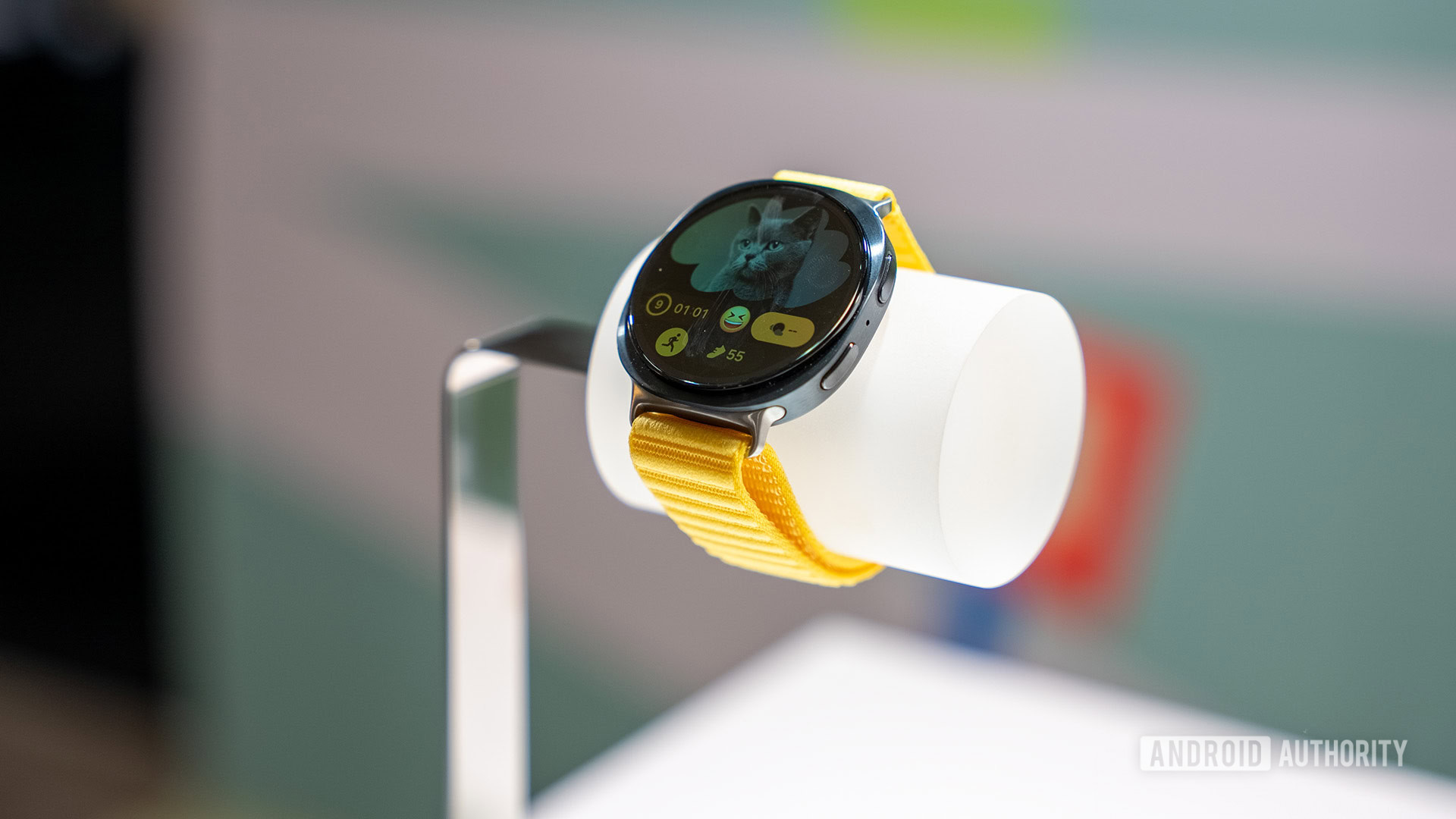
Evolution of Samsung’s Smartwatch Software: A Brief Timeline
Samsung’s journey in smartwatch software has been one of continuous evolution and adaptation.
- 2013-2014: Samsung initially experimented with Android-based smartwatches (Galaxy Gear) before quickly pivoting to its homegrown Tizen OS, starting with the Gear 2 and Gear Fit.
- 2015-2020: The Tizen era flourished, with devices like the Gear S2, Gear S3, Galaxy Watch, and Galaxy Watch 3 gaining significant traction. Tizen was praised for its battery efficiency and intuitive rotating bezel interface, but its limited third-party app support remained a consistent challenge.
- 2021: A landmark partnership with Google was announced, leading to the creation of a unified platform that merged the best of Wear OS and Tizen. The Galaxy Watch 4 and Watch 4 Classic were the first devices to launch with this new "Wear OS Powered by Samsung" (later branded as Wear OS 3 with One UI Watch). This marked a significant strategic shift, prioritizing a richer app ecosystem over OS independence.
- 2022-2025: Subsequent generations, like the Galaxy Watch 5 and Watch 6 series, continued to refine the One UI Watch experience on Wear OS, introducing incremental improvements in performance, health tracking, and customization. The introduction of Wear OS 4, 5, and 6 brought further optimizations and feature sets.
- 2026 (Current): The launch of the Galaxy Watch 9 and Galaxy Watch Ultra 2 with Wear OS 7 and One UI 9 Watch, followed by this beta for the Watch 8 series, demonstrates Samsung’s rapid iteration cycle and commitment to bringing its latest software to recent hardware. This timeline illustrates Samsung’s agility in navigating the complex landscape of wearable technology, consistently striving to deliver a compelling user experience.
Market Implications and Competitive Landscape
The rollout of One UI 9 Watch beta, and its eventual stable release, carries significant implications for Samsung’s standing in the highly competitive smartwatch market. By extending the latest software to previous-generation devices, Samsung enhances the value proposition for existing users, fostering brand loyalty and extending the perceived lifespan of their devices. This contrasts with some competitors who might limit major software updates to only the newest models, potentially leading to user frustration and earlier upgrade cycles.
Samsung’s primary competitor in the premium smartwatch segment remains Apple, with its dominant Apple Watch series. Apple’s integrated hardware and software ecosystem provides a seamless experience for iPhone users. However, Samsung, through its partnership with Google and its expansive Galaxy ecosystem, aims to offer a similarly compelling experience for Android users. The continuous evolution of One UI Watch, particularly with advanced health features and robust customization, directly challenges Apple’s offerings in terms of functionality and user appeal.
Beyond Apple, Samsung also competes with other Wear OS manufacturers like Google (Pixel Watch), Mobvoi (TicWatch), and various fashion brands. By providing a highly polished and feature-rich One UI Watch experience, Samsung sets a high bar for the Wear OS platform, potentially encouraging other manufacturers to innovate further. Furthermore, the market also includes dedicated fitness trackers from brands like Garmin and Fitbit (now owned by Google), which often prioritize battery life and specialized sports tracking over comprehensive smartwatch features. Samsung Health’s deeper insights into aerobic load, sleep vital signs, and heart health directly address the capabilities offered by these specialized fitness devices, aiming to provide a comprehensive solution in a single wearable.
Rollout Strategy and Future Expectations
Currently, the One UI 9 Watch beta is confined to Bluetooth and LTE variants in South Korea. This controlled, localized initial release is a standard practice, allowing Samsung to closely monitor performance, gather initial feedback, and address any critical issues within a smaller, manageable user base before broadening the scope.
However, Samsung traditionally follows a predictable pattern of expanding its beta programs. It is highly anticipated that the One UI 9 Watch beta will soon become available in other key markets, including the United States, the United Kingdom, India, Poland, and Germany. These regions represent significant portions of Samsung’s global user base and are crucial for gathering diverse feedback. The expansion will likely occur in subsequent waves, giving Samsung time to stabilize the software further based on initial Korean feedback.
Looking ahead, older models within Samsung’s smartwatch lineup, specifically the Galaxy Watch 7 and Galaxy Watch 6 series, are also expected to gain access to the One UI 9 Watch beta in later phases. This tiered rollout strategy ensures that resources are focused on newer devices first, then gradually extended to a wider range of compatible hardware. This commitment to updating older, yet still highly capable, devices is a strong selling point for Samsung, demonstrating a long-term support strategy that enhances customer satisfaction and extends product relevance. The ultimate goal is a stable public release of One UI 9 Watch for all compatible devices, likely following a period of rigorous beta testing, potentially within a few months of the initial beta launch, leading up to the end of 2026 or early 2027.
User Experience and Long-Term Device Support
For the end-user, the arrival of One UI 9 Watch, even in its beta form, promises a significantly enhanced experience. The revamped visual design will offer a fresh and modern aesthetic, making daily interactions with the smartwatch more enjoyable. Richer watch face customization options will allow for unparalleled personalization, turning the smartwatch into a true extension of individual style and preference. The new safety tools are a crucial addition, providing peace of mind and potentially life-saving functionality in emergency situations.
Perhaps most impactful are the substantial upgrades to Samsung Health. The deeper insights into aerobic load will empower fitness enthusiasts to optimize their training regimens with greater precision. Advanced sleep vital signs will offer a more comprehensive understanding of sleep quality, enabling users to make informed adjustments to improve their rest. Enhanced heart health tracking capabilities will provide proactive monitoring, potentially aiding in early detection of cardiovascular issues, a feature that continues to grow in importance for health-conscious consumers.
This continuous software evolution is a core component of long-term device support, a critical factor for consumers making significant investments in technology. By consistently delivering major feature updates and security patches, Samsung ensures that its smartwatches remain relevant, secure, and performant for years after their initial purchase. This commitment not only builds trust and loyalty among its existing customer base but also serves as a compelling argument for new users considering a Samsung wearable. The One UI 9 Watch beta for the Galaxy Watch 8 series is more than just a software update; it is a clear indicator of Samsung’s ongoing dedication to pushing the boundaries of wearable technology and enriching the lives of its users.