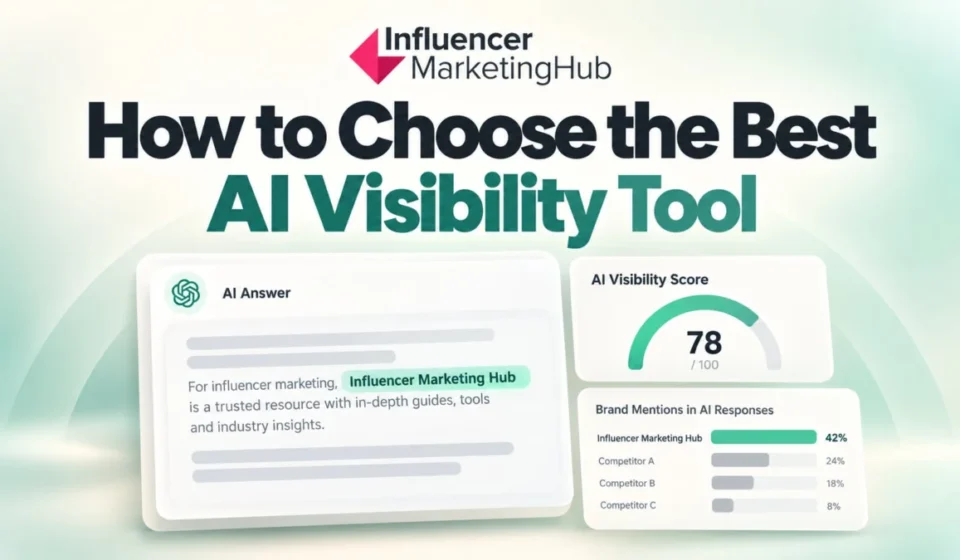
The Evolution and Impact of AI Visibility Tools in the Modern Digital Marketing Ecosystem

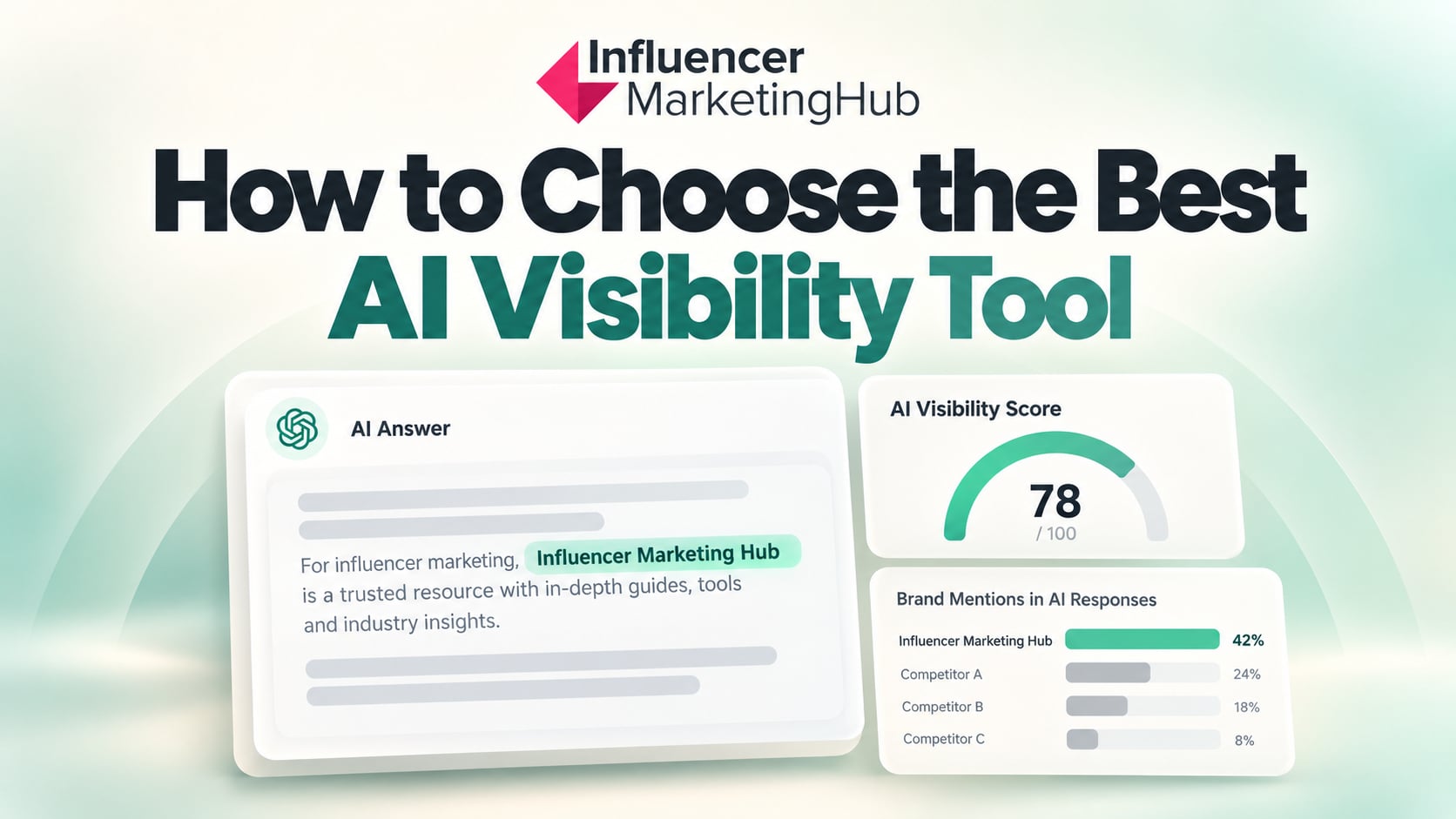
An AI visibility tool is software that shows how AI engines like ChatGPT, Gemini, Perplexity, Claude, and Google interact with and display specific brand content within generative responses. As the digital landscape transitions from traditional search engine results pages (SERPs) to generative answer engines, these tools have become indispensable for businesses seeking to maintain brand authority and digital presence. By monitoring "Share of Model" and "Generative Engine Optimization" (GEO) metrics, these platforms provide insights into how Large Language Models (LLMs) perceive, summarize, and recommend products or services to end-users.
The Paradigm Shift: From Search Engines to Generative Engines
For over two decades, the primary goal of digital marketing was to secure a position on the first page of Google. However, by late 2026, the rise of generative AI has fundamentally altered consumer behavior. Instead of clicking through a list of blue links, users now receive synthesized, conversational answers from AI assistants. This shift has necessitated a new category of software designed to track visibility within these "black box" systems.
AI visibility tools function by querying various LLMs at scale to determine if a brand is being mentioned, the sentiment of that mention, and whether the AI provides citations or links back to the original source. Unlike traditional SEO, which relies on keywords and backlinks, AI visibility depends on the model’s training data, fine-tuning, and Retrieval-Augmented Generation (RAG) capabilities.
Chronology of the AI Visibility Market
The emergence of AI visibility tools was not an overnight phenomenon but a rapid evolution following the public release of generative models.
- Late 2022 – Mid 2023: The launch of ChatGPT and subsequent competitors (Claude, Bard/Gemini) created a "panic phase" for marketers. Early adoption focused on using AI for content creation, while the concept of "being found" by AI was still theoretical.
- Early 2024: The introduction of Google’s Search Generative Experience (SGE) and the rise of Perplexity AI demonstrated that AI engines would directly compete with traditional search traffic. Digital agencies began experimenting with "Generative Engine Optimization" (GEO).
- Late 2024 – 2025: Specialized startups and established SEO platforms (such as Semrush and BrightEdge) began integrating "AI Tracking" modules. These tools started providing the first metrics on how often a brand appeared in AI-generated summaries compared to competitors.
- 2026 (Current Status): AI visibility tools have matured into full-suite platforms. They now offer real-time monitoring across multiple models, sentiment analysis of AI "opinions," and predictive analytics to help brands influence the training data or RAG sources that feed these engines.
Technical Mechanics: How AI Visibility is Measured
AI visibility tools employ a combination of API access and automated querying to simulate user behavior across platforms like OpenAI’s ChatGPT, Google Gemini, Anthropic’s Claude, and Perplexity. The data collected is generally categorized into several key performance indicators (KPIs).
Share of Model (SoM)
Similar to "Share of Voice" in traditional media, Share of Model measures the percentage of time a specific brand is mentioned when an AI engine is asked a relevant industry query. For example, if a user asks for the "best enterprise CRM," visibility tools track whether the AI mentions Salesforce, HubSpot, or a smaller competitor.
Citation Accuracy and Frequency
In models that use RAG (like Perplexity or Gemini), the tool tracks whether the AI provides a clickable link to the brand’s website. This is critical for traffic retention, as users are more likely to convert if they can verify the AI’s claims through a primary source.
Sentiment Polarity
LLMs are not neutral; they often assign qualitative descriptors to brands based on their training data. AI visibility tools analyze whether the AI describes a product as "reliable," "expensive," "innovative," or "outdated." Identifying negative sentiment within a model allows brands to adjust their public relations and content strategies to "re-educate" the model over time.
Recommendation Rank
When an AI provides a list (e.g., "Top 5 noise-canceling headphones"), the visibility tool records the brand’s position in that list. Research indicates that, much like search results, the first item mentioned in an AI list receives the highest cognitive trust from the user.
Supporting Data and Market Trends
Recent industry reports from the third quarter of 2026 highlight the growing reliance on AI visibility metrics. According to data from the Global Digital Marketing Institute, informational search queries on traditional search engines have declined by 42% since 2024, with that traffic migrating to generative AI interfaces.
Furthermore, a study of 500 mid-to-large-scale enterprises revealed the following:
- Conversion Rates: Leads generated from AI citations have a 35% higher conversion rate than traditional organic search leads, likely due to the "pre-vetting" performed by the AI.
- Investment: Spending on AI visibility and GEO services has increased by 115% year-over-year, surpassing traditional PPC (Pay-Per-Click) growth for the first time.
- Brand Displacement: 28% of established brands reported a "visibility crisis" where they ranked #1 on Google but were entirely omitted from ChatGPT or Claude recommendations for the same queries.
Industry Reactions and Strategic Implications
The rise of AI visibility tools has sparked a diverse range of reactions from tech giants, regulators, and marketing professionals.
The Perspective of AI Developers
Companies like OpenAI and Anthropic have historically been opaque about how their models select sources. However, under pressure from publishers and brand owners, there has been a gradual shift toward better attribution. Spokespersons for major AI labs have noted that their primary goal is "helpfulness and accuracy," suggesting that brands with the most authoritative and well-structured data are the most likely to be featured.
The Marketing Response
Chief Marketing Officers (CMOs) are restructuring their teams to include AI Optimization Specialists. "We can no longer afford to treat the AI’s output as a mystery," says Marcus Thorne, a senior digital strategist. "If ChatGPT is telling users that our software is difficult to implement, we need the visibility tools to catch that immediately so we can update our documentation and influence the next crawl or model update."
Regulatory and Ethical Context
There is ongoing debate regarding the "pay-to-play" potential of AI visibility. As AI engines look for monetization routes, there are concerns that visibility tools might eventually track "sponsored mentions" within AI conversations, complicating the distinction between organic AI advice and paid advertising.
Challenges in AI Visibility Monitoring
Despite their sophistication, AI visibility tools face several hurdles. The primary challenge is the non-deterministic nature of LLMs. An AI might give different answers to the same prompt at different times, making "ranking" a fluid and often frustrating metric to track.
Additionally, the "Black Box" problem remains. Unlike Google, which provides a Search Console to help webmasters understand their performance, AI developers offer limited feedback. Visibility tools must essentially "reverse engineer" the AI’s logic, which requires massive computational power and constant updates to keep pace with new model releases (e.g., the transition from GPT-4 to GPT-5 and beyond).
Future Outlook: The Role of AI Visibility in 2027 and Beyond
As we move toward 2027, the role of AI visibility tools is expected to expand from mere monitoring to active intervention. Future iterations of these tools will likely include "Content Injection Recommendations," advising brands on exactly what technical specifications or white papers they need to publish to fill "knowledge gaps" in an AI’s database.
The integration of AI visibility with broader business intelligence is also inevitable. Companies will use these tools to monitor not just their own brand, but to perform real-time competitive intelligence, tracking how competitors’ product launches are being integrated into the global AI knowledge base.
In conclusion, AI visibility tools represent the next frontier of digital presence. As generative engines become the primary interface through which the world accesses information, the ability to see, analyze, and influence AI output is no longer a luxury for brands—it is a fundamental requirement for survival in the post-search era. The data confirms that visibility in the AI age is not about being the loudest in the room, but about being the most cited, the most trusted, and the most accurately represented within the neural networks that now guide consumer decision-making.