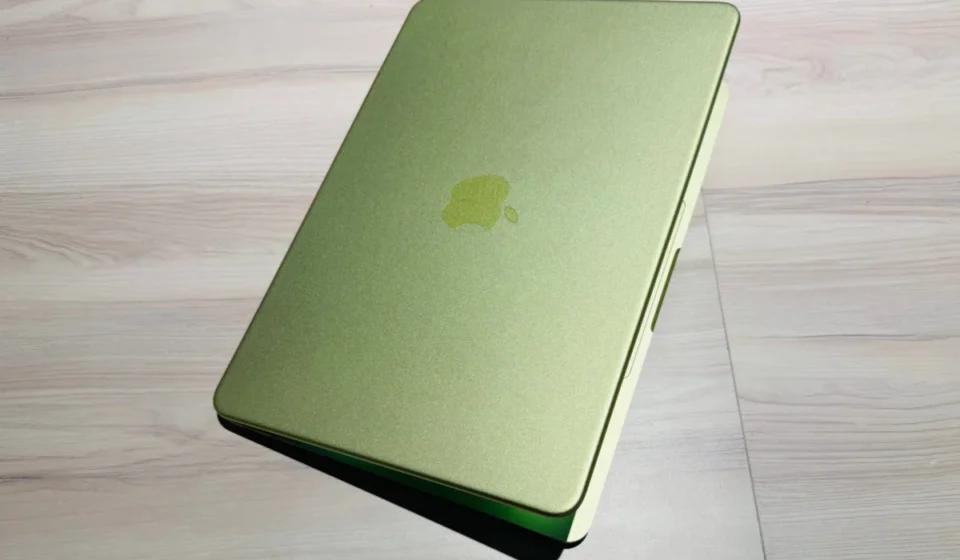
The next MacBook Neo could arrive with an A19 Pro chip, more memory, and fresh new colors

Apple is reportedly in the advanced stages of development for a refreshed iteration of its budget-friendly MacBook Neo, a move that comes mere months after the initial launch of its most accessible laptop. This forthcoming update, detailed by sources close to the company and as reported by Bloomberg’s Mark Gurman, suggests a strategic enhancement aimed at addressing key performance limitations and extending the device’s longevity in an increasingly demanding digital landscape. The testing phase is already underway, pointing towards a potential release in the near future, possibly aligning with Apple’s typical product cycle refreshes.
A Deeper Dive into the Anticipated Upgrades

The core of the anticipated upgrade lies in the integration of the A19 Pro chip, a component already slated for use in the higher-tier iPhone 17 Pro and Pro Max models. This silicon leap is expected to bring significant performance gains across the board, encompassing improvements in central processing unit (CPU) speed, graphics processing unit (GPU) capabilities, and the crucial Neural Engine for artificial intelligence and machine learning tasks. This upgrade promises to not only boost the MacBook Neo’s raw power but also to enhance its efficiency, potentially leading to improved battery life for demanding applications.
However, perhaps the most impactful upgrade anticipated for the next-generation MacBook Neo is an increase in its unified memory (RAM). The current model is equipped with a binned A18 Pro chip and 8GB of unified memory. While this configuration serves well for basic tasks such as web browsing, streaming content, and standard productivity applications, it can become a bottleneck when users engage in more intensive multitasking scenarios, such as running multiple applications concurrently or maintaining a large number of open browser tabs. The limited memory on the current model has been identified as a primary performance constraint.
Previous reports have alluded to the possibility of 12GB of unified memory for the next iteration. Such an increase would provide considerably more headroom for multitasking, allowing users to seamlessly switch between applications and handle larger datasets without experiencing slowdowns. Furthermore, this upgrade would align the MacBook Neo more closely with the hardware requirements for running advanced Apple Intelligence features locally. As Apple continues to integrate AI capabilities more deeply into its operating systems and applications, having sufficient RAM will become increasingly critical for unlocking the full potential of these intelligent features. This suggests a forward-looking approach by Apple, ensuring that even its more affordable devices are positioned to take advantage of future software advancements.
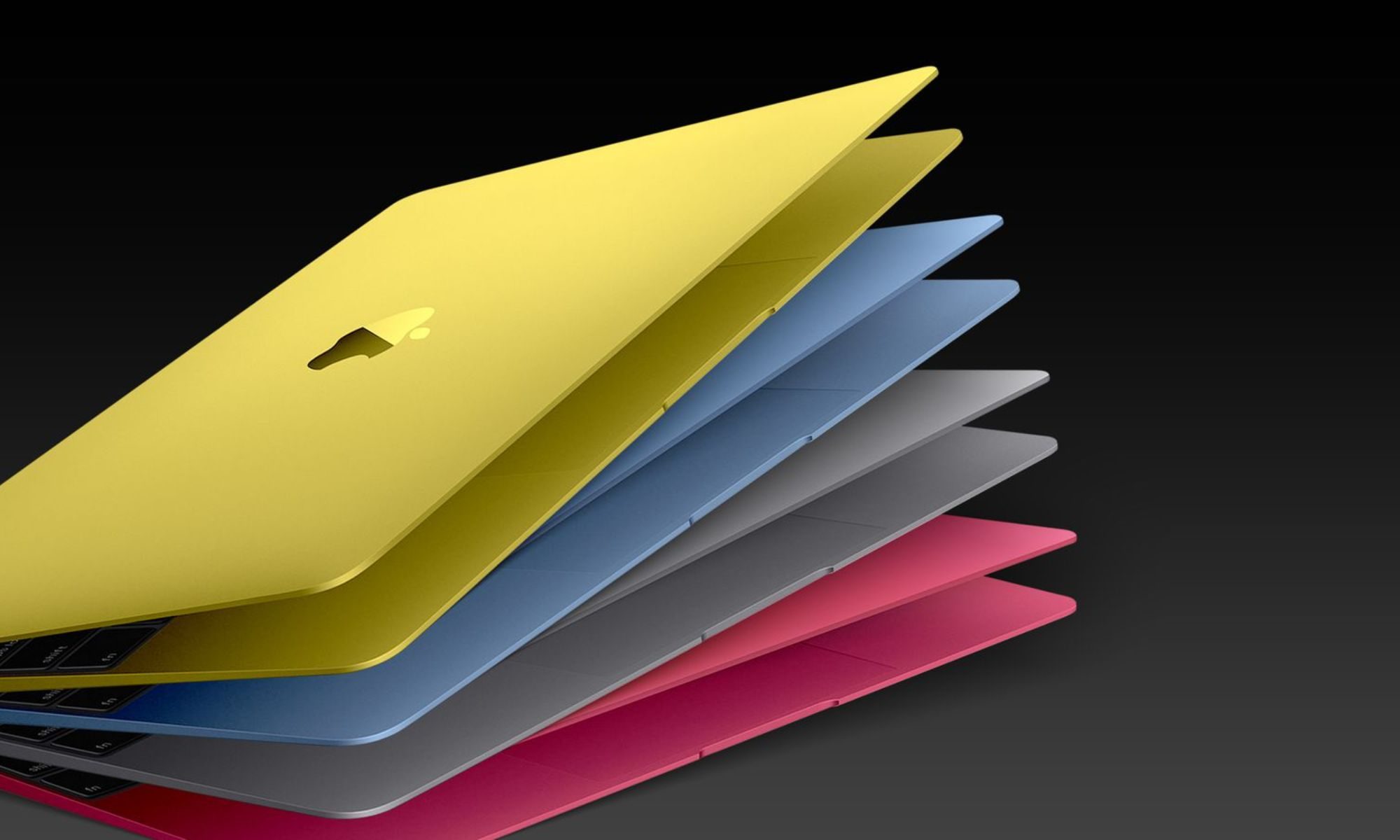
Beyond the internal specifications, there are indications that Apple may also introduce a range of new color options for the refreshed MacBook Neo. This move would not only cater to a broader aesthetic preference among consumers but also serve to differentiate the updated model visually, potentially revitalizing interest in the product line. While the exact color palette remains undisclosed, Apple’s history suggests a thoughtful selection of hues that complement its existing product ecosystem.
Addressing Performance Bottlenecks: A Strategic Imperative
The MacBook Neo was launched with the strategic objective of making the Apple ecosystem more accessible to a wider audience. Priced aggressively at its inception, it aimed to capture a segment of the market often swayed by more budget-conscious Windows laptops. The current model’s performance, while adequate for its intended use case, has highlighted the inherent trade-offs associated with its entry-level positioning. The primary performance bottleneck identified by users and reviewers alike has been the constraint imposed by 8GB of unified memory, particularly when pushing the device beyond its core functionalities.

The decision to upgrade the chip to the A19 Pro and, crucially, to increase the memory capacity, indicates Apple’s commitment to refining the user experience even for its more affordable hardware. This is not merely an incremental update; it’s a targeted enhancement designed to directly address the most significant pain points experienced by users of the current MacBook Neo. By bolstering the memory, Apple is essentially future-proofing the device, ensuring it can comfortably handle the increasing demands of modern software and operating system updates, including the burgeoning field of on-device AI processing.
The Pricing Conundrum: Balancing Cost and Capability
A significant question that looms over this impending refresh is its impact on pricing. The original MacBook Neo debuted at a competitive $599. However, in June, following a general increase in memory costs that affected Apple’s entire Mac lineup, the starting price of the MacBook Neo was adjusted to $699. This price adjustment underscored the sensitivity of the device’s cost to component expenses, particularly RAM.

The inclusion of more unified memory in the next iteration will undoubtedly present a challenge for Apple in maintaining its aggressive pricing strategy. While the exact cost implications are yet to be determined, it is plausible that the upgraded model will see a further increase in its price point. However, it is also likely that Apple will strive to keep the MacBook Neo positioned comfortably below the entry-level MacBook Air, preserving its role as the most affordable gateway into the macOS ecosystem. The strategic balance between enhanced performance and market accessibility will be a key factor in the final pricing decisions.
Beyond Performance: Potential for Further Refinements
While the focus of the current reports is on the A19 Pro chip and increased memory, there remains speculation about whether Apple will address other compromises made in the first-generation MacBook Neo. The absence of a backlit keyboard, the use of a mechanical trackpad, and reports of inconsistent USB speeds were among the "papercuts" that detracted from an otherwise compelling value proposition for some users.
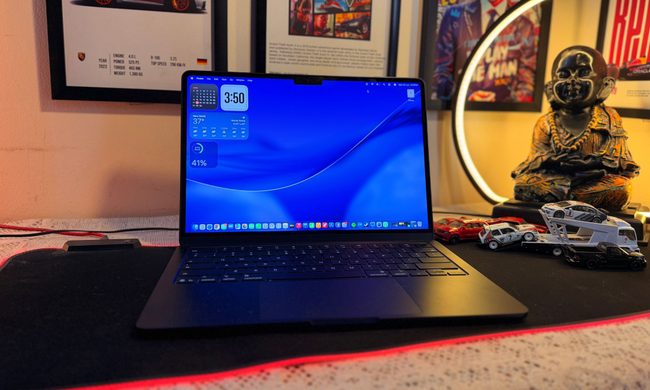
It is logical to infer that as Apple refines the MacBook Neo’s performance capabilities, it may also consider addressing these user experience aspects. A backlit keyboard, for instance, would significantly improve usability in low-light conditions, a common scenario for laptop users. Enhancements to the trackpad and USB connectivity would further elevate the overall user experience and bring the Neo more in line with the premium feel associated with Apple’s broader product range. However, without concrete information, these remain areas of hopeful anticipation rather than confirmed upgrades.
Timeline and Broader Product Strategy
The refreshed MacBook Neo is tentatively expected to be unveiled at Apple’s spring launch event in 2027. This timing places it within a broader rollout of new Apple products, potentially alongside the standard iPhone 18 and the iPhone 18e. This strategic clustering of announcements allows Apple to present a cohesive vision of its upcoming hardware and software innovations to consumers and the tech industry.

The continued development and enhancement of the MacBook Neo also fit into a larger pattern of Apple’s product strategy. By offering a more capable and potentially more feature-rich entry-level MacBook, Apple aims to solidify its position in the education market and attract first-time Mac buyers. This approach allows the company to cultivate loyalty from an early stage, guiding users towards higher-tier MacBook models as their needs and budgets evolve. The successful integration of advanced features and performance improvements into an affordable package is a testament to Apple’s ability to innovate across its entire product spectrum.
The evolution of the MacBook Neo, from its initial market entry to its anticipated refresh, reflects Apple’s dynamic approach to product development. By actively listening to user feedback and strategically incorporating advancements in silicon and memory technology, Apple aims to ensure that its most accessible laptop continues to offer compelling value and a robust user experience, even as the demands of the digital world continue to escalate. The forthcoming iteration promises to be a significant step forward, addressing key performance limitations and solidifying the MacBook Neo’s place as a viable and attractive option for a wide range of users.