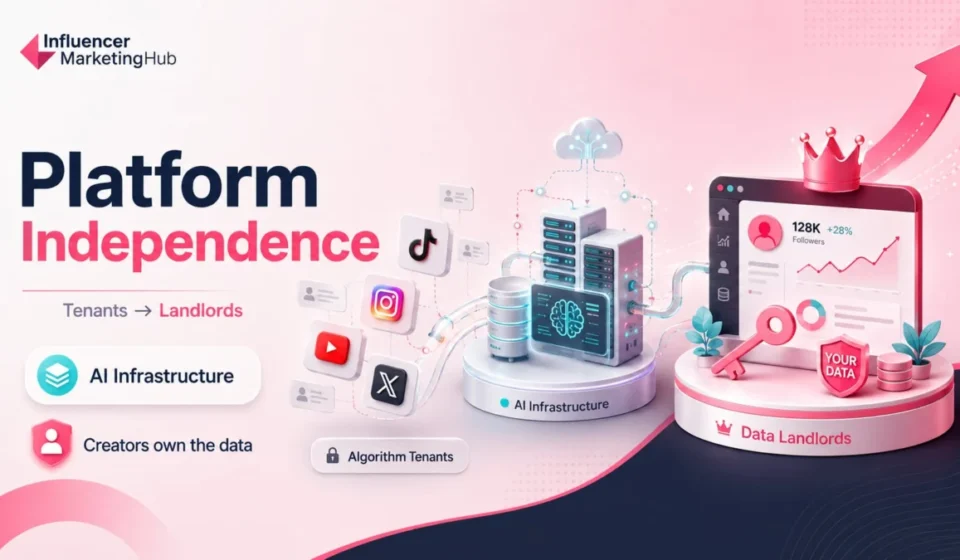
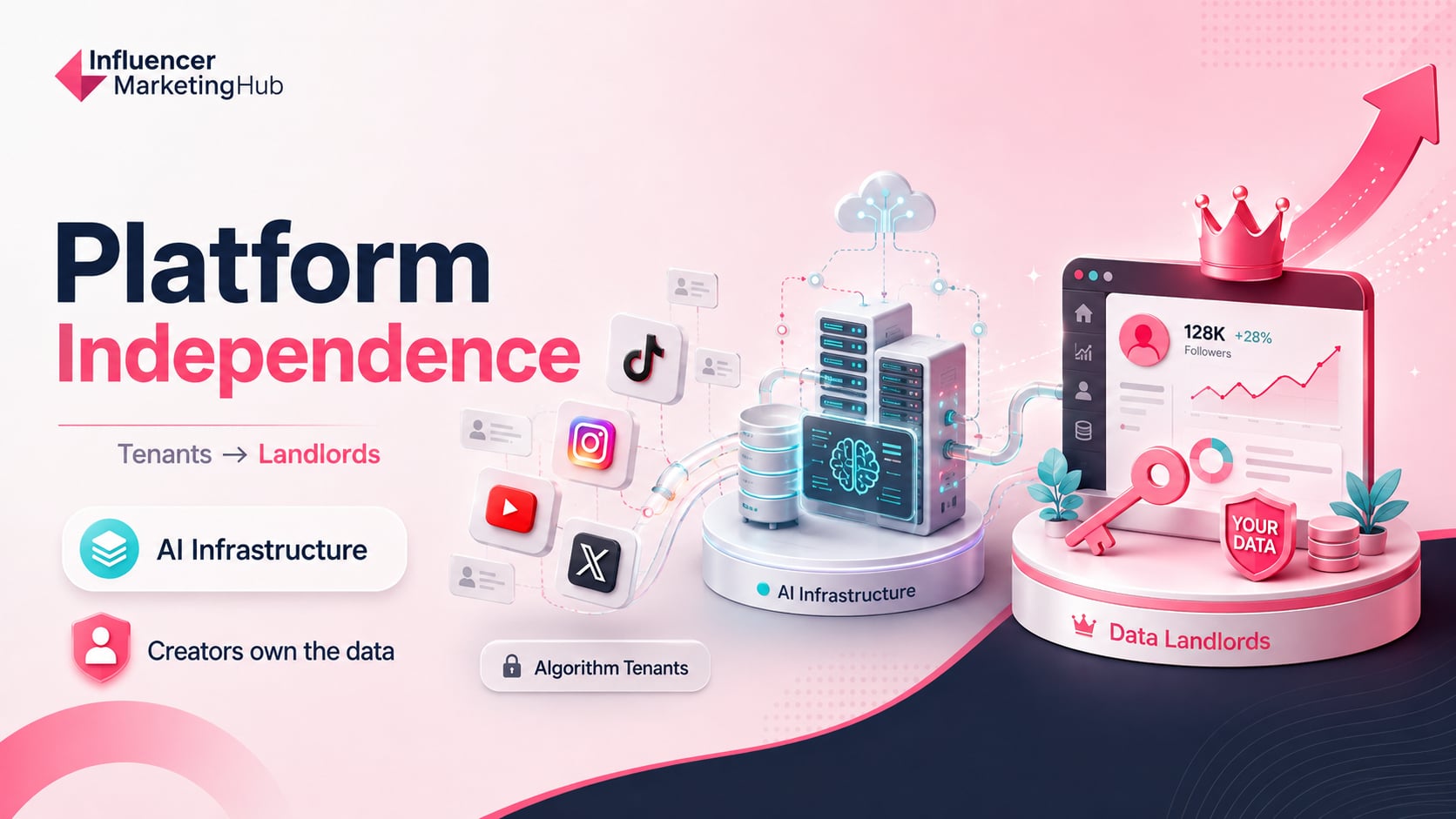
The Rise of Data Sovereignty: How AI Infrastructure is Transforming the Creator Economy from Platform Renters to Digital Landlords

The global creator economy is undergoing a fundamental structural shift as independent content producers transition from "renting" audiences via social media algorithms to establishing total sovereignty over their data and customer relationships. This evolution, once hindered by the prohibitive cost and technical complexity of building independent digital infrastructure, is being accelerated by a new generation of artificial intelligence tools that provide creators with the "technological equity" necessary to operate as fully realized enterprises. By compressing years of traditional business development into automated, one-click executables, AI is enabling creators to bypass the historical reliance on third-party platforms that have long dictated the terms of their digital livelihoods.
The Evolution of the Digital Marketplace: From Connection to Commerce
The trajectory of the creator economy can be traced back to the early 2000s, an era defined by the rise of social networking sites primarily designed for interpersonal connection. Platforms like MySpace and Facebook were initially utilized to bridge geographical gaps and reunite old acquaintances. However, as these platforms matured, they morphed into massive commerce engines, facilitating a new form of "social commerce" where creators could monetize their influence through follower engagement.
Despite nearly two decades of growth, the creator economy has largely remained in what industry analysts describe as a "gold-rush phase." This period is characterized by an intense focus on top-of-funnel metrics—likes, views, comments, and follower counts—which often serve as vanity metrics rather than indicators of sustainable business health. The underlying flaw in this model is that creators do not own their audience; they rent it. This dependency leaves creators vulnerable to "algorithmic volatility," where a single update to a platform’s code can result in a catastrophic loss of visibility and income.
Steven Zhou, Co-Founder and COO of Fypro, notes that creators who recognize the difference between "rented followers" and "owned customers" are the ones currently building the next generation of consumer brands. The push for data sovereignty is a response to the realization that while Big Tech companies utilize creator-generated data to train Large Language Models (LLMs), the creators themselves often bear the brunt of lost organic traffic and platform-wide policy changes.
The Chronology of Algorithmic Instability
The move toward data independence is driven by a history of unpredictable platform behavior. Since 2009, Facebook alone has implemented over a dozen major, public changes to its News Feed algorithm, with countless other unannounced updates occurring regularly. These shifts often prioritize different types of content, forcing creators into a perpetual cycle of adaptation.
Furthermore, the risk of platform exclusion is a significant driver of creator anxiety. In 2021, Facebook disclosed during a congressional hearing that it had removed 1.3 billion fake accounts in just a three-month window between October and December 2020. While intended to clean the platform, the sheer scale of account bans—billions annually across all major networks—highlights the precarious nature of building a business on "rented land." Popular influencers frequently maintain multiple backup accounts across various platforms to mitigate the risk of being suddenly locked out of their primary source of income. This climate of uncertainty has catalyzed the demand for "digital property rights," mirroring the earlier migration of e-commerce sellers from marketplaces like eBay to independent ecosystems like Shopify.
Bridging the Technological Gap for the "CEO Without a Team"
A primary roadblock to creator entrepreneurship has historically been the "technological gap." While top-tier influencers often have the capital to hire developers, designers, and managers, mid-tier creators—those with 100,000 to 500,000 followers—often operate as "CEOs without a team." These individuals frequently possess the trust of a massive audience but lack the time and technical expertise to convert that trust into a sustainable business.
Traditional business systems serving an audience of 100,000 would typically require departments for marketing, analytics, customer relationship management (CRM), and product development. Creators, however, have been forced to manually "stitch together" a fragmented array of single-purpose tools, including link-in-bio services, storefronts, and basic analytics. This manual integration is often so labor-intensive that it prevents creators from focusing on their core competency: storytelling and strategic growth.
AI infrastructure is now filling this gap by providing an intelligence layer that unifies content strategy with monetization. This shift allows creators to transition from being "algorithmic tenants" to "digital landlords" without the need for a large operational budget or a staff of specialists.
Core Capabilities of AI-Driven Creator Infrastructure
The emergence of platforms like Fypro.ai exemplifies how AI is democratizing access to enterprise-level tools. These systems provide three critical capabilities that were previously inaccessible to individual creators:
1. Rapid Deployment of Branded Real Estate
In the current era, technological equity means that creators can own the commercial infrastructure that was once the exclusive domain of large corporations. AI platforms allow creators to launch independent, branded websites and custom CRM systems in minutes. By entering their account details, creators receive "digital real estate" that includes independent domain stores and exclusive client lists. This allows them to bypass the "middleman" of the social media algorithm and establish a direct, unmediated line of communication with their fans.
2. Intelligent Product Matching and Sourcing
Traditional affiliate marketing models typically offer creators commissions in the range of 10%. Furthermore, creators often spend hours manually searching for products that align with their niche. AI-assisted frameworks change this dynamic by automatically matching trending products from global suppliers, such as Alibaba, to a creator’s specific audience profile.
This system optimizes the structure of digital assets, surfacing products with transparent margins ranging from 30% to 70% per transaction. By automating the sourcing and matching process, the AI ensures that the right opportunities come to the creator, rather than the other way around, significantly increasing the profitability of each post.
3. Authentic Content Generation via "Creator DNA"
A common criticism of early AI content tools was their tendency to produce "generic" output that lacked the creator’s unique voice. Modern AI infrastructure solves this by analyzing "Creator DNA"—the specific subfields, hooks, and plot structures that define a creator’s brand.
For instance, by analyzing millions of viral videos within specific genres like beauty or lifestyle, AI can generate "one-click viral scripts" that are tuned to a creator’s authentic persona. This helps maintain high engagement and completion rates, which are critical for ranking authority within recommendation feeds, while freeing the creator from the "content treadmill" of constant manual production.
Case Studies: Scaling Through AI Infrastructure
The practical impact of these tools is evident in the performance of creators who have adopted AI-driven workflows.
Case Study: Ashley (Beauty Creator, 10.1K Followers)
Ashley, a working mother and beauty content creator, faced a creative bottleneck despite having a healthy 4% engagement rate. She struggled with the time-consuming nature of scriptwriting and the unpredictability of her reach. By utilizing an AI "Viral Breakdown" tool, she was able to identify the psychological structures behind her most successful posts. The AI generated scripts that mimicked her natural voice while optimizing for platform recommendation algorithms. This resulted in an 80% increase in reach, driven by higher completion rates and genuine user sharing.
Case Study: Stephanie (Fitness Professional, 350K Followers)
Stephanie, a fitness coach with an 8% engagement rate, sought to decouple her personal hours from her business growth. Her primary challenges included a lack of "digital property rights" and the low margins associated with random affiliate promotions. By integrating an AI-powered storefront and an omni-channel CRM, she automated her asset management. The system introduced zero-inventory, high-margin products tailored to her audience. This allowed her to build an independent data set of her customers while increasing her revenue per follower, effectively moving her from being an "influencer" to an "entrepreneur."
Data Sovereignty and the "Creator Flywheel"
The most valuable asset in the modern digital economy is "zero-party data"—information that is intentionally and proactively shared by a customer with a brand. True business security does not exist on a social media platform’s rented ledger; it lives in the data the creator owns.
The "Creator Flywheel" model, facilitated by AI, creates a virtuous cycle:
- AI extracts the creator’s unique brand DNA.
- The system produces native, high-engagement content.
- This content attracts real fans to an independent storefront.
- AI matches these fans with high-margin products.
- Every transaction is recorded in the creator’s own CRM.
Unlike traditional social media interactions, where the platform retains the user’s email and purchase history, an AI-powered storefront ensures the creator builds an encapsulated customer list. This list, containing purchase history and repeat-buyer signals, can be exported with a single click. This flexibility ensures that creators are not perpetually tied to any one platform; if they choose to leave, they take their business assets and customer relationships with them.
Broader Implications for Individual Entrepreneurship
The shift toward AI-enabled data sovereignty marks a new chapter in the history of labor. Historically, running an enterprise that served 100,000 people required massive infrastructure, a dozen employees, and a significant budget for logistics and wages. This high barrier to entry alienated many creators who were earning "low-to-medium" income from their content.
AI infrastructure provides the technological equity needed to remove these roadblocks. By offering tools that do not take a revenue cut or claim ownership of customer data, these platforms align themselves directly with the interests of the creator. This "ownership model" is a stark contrast to the "extraction model" employed by many traditional social media platforms.
As the creator economy continues to mature, the distinction between "influence" and "ownership" will become the primary determinant of long-term success. The creators who thrive over the next decade will not necessarily be those with the highest follower counts, but those who have successfully transitioned from renting traffic to owning their storefronts, their brand assets, and, most importantly, their customer relationships. The rise of AI infrastructure ensures that the path to this transition is no longer a complex, multi-year endeavor, but a streamlined process accessible to any creator with a dedicated audience.