Valve Just Gave Steam Wishlists and Gifting a Major Quality-of-Life Upgrade

In a move that significantly streamlines the user experience for one of the world’s largest PC gaming platforms, Valve has rolled out a series of substantial updates to Steam’s gifting and wishlist functionalities. These enhancements, deployed shortly after the much-anticipated launch of the Steam Deck, address long-standing player requests for more intuitive and flexible ways to share and track games. The changes are poised to benefit both those looking to surprise friends with digital gifts and gamers meticulously curating their future purchases.
Enhanced Gifting Options: Simplicity and Inclusivity
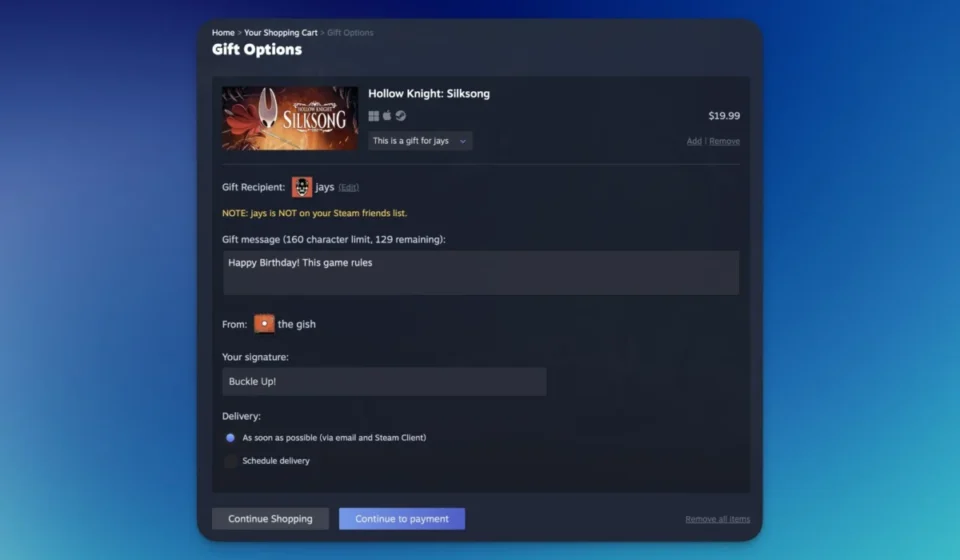
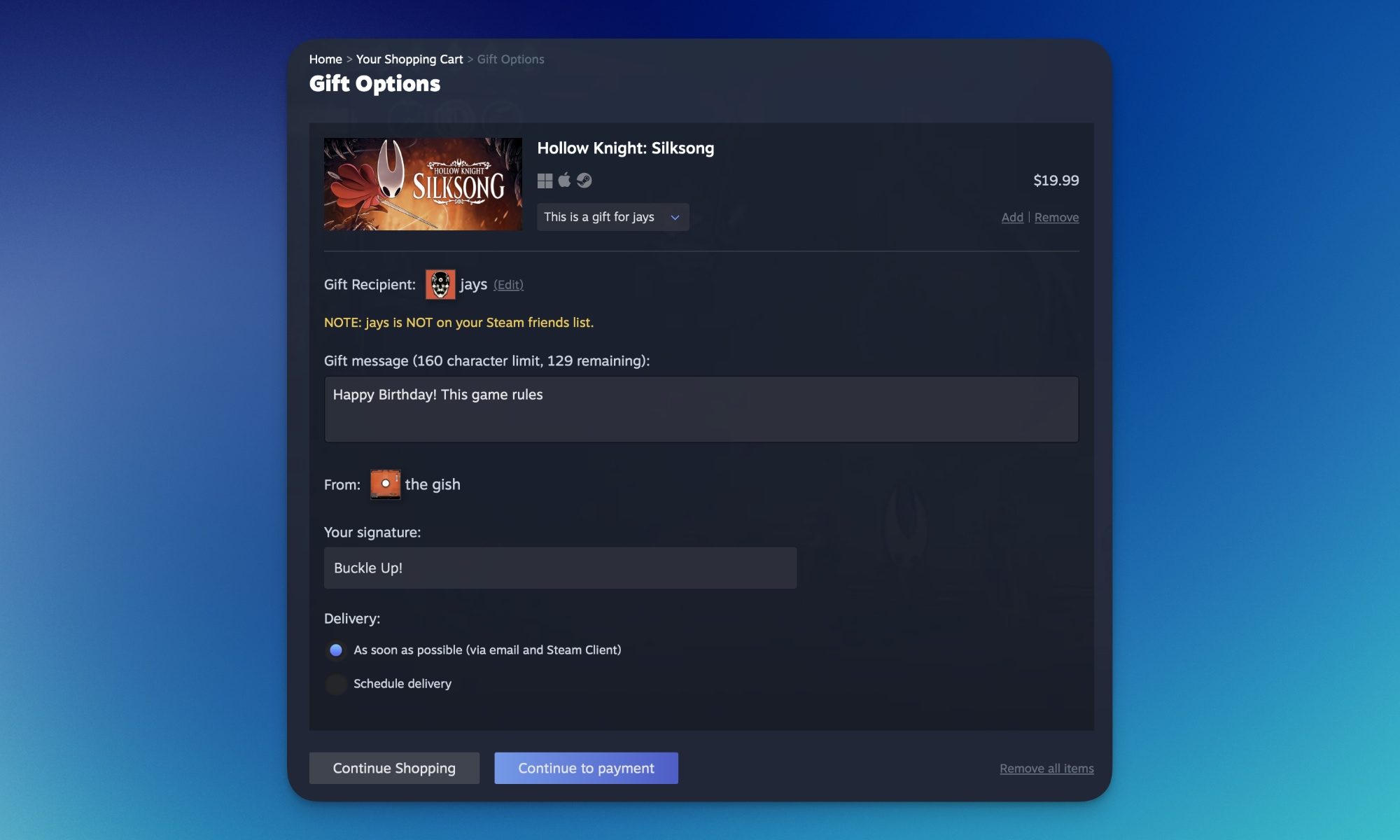
The most impactful change to the gifting system is the expansion of guest checkout capabilities. Previously, this feature was limited to gift cards and hardware purchases. Now, it extends to every game available on Steam. This means that individuals can purchase a game as a gift for another Steam user without the necessity of creating their own Steam account. This significantly lowers the barrier to entry for casual gift-givers, enabling them to easily fulfill a friend’s wishlist item without the commitment of account creation. This inclusivity is a strategic move to broaden the accessibility of Steam gifting.
Furthermore, the update introduces a more discreet gifting method: sending games and gift cards directly to an email address. This feature is particularly useful when a gift-giver may not know the recipient’s specific Steam username or wishes to maintain an element of surprise. The system facilitates the transfer of digital goods via email, allowing recipients to redeem their gifts seamlessly. However, Valve has implemented a policy where unclaimed gifts will be automatically refunded after 30 days, encouraging timely redemption. An important geographical restriction remains in place: recipients must reside in the same country as the purchaser to receive the gift.
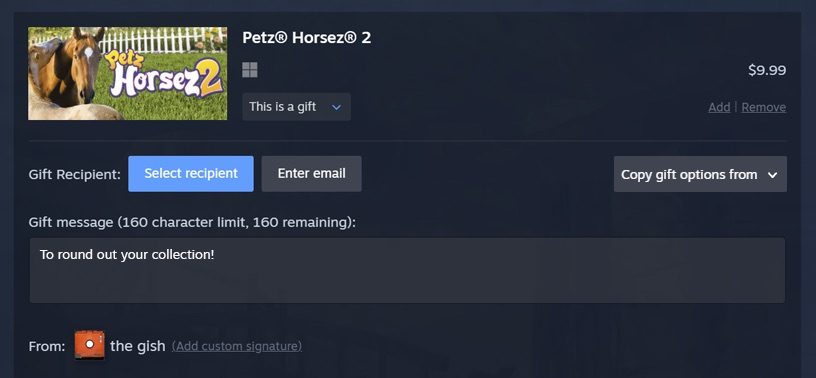
Cross-region gifting has also received a crucial overhaul. Previously, purchasing a gift for a friend in a country with a different currency and pricing structure could be a cumbersome process, often requiring manual calculation of local pricing for gift cards. The new system automates this conversion at checkout. As long as the recipient is already on the purchaser’s Steam friends list, the platform will handle the currency exchange, simplifying international gifting and ensuring a more equitable gifting experience across different regions. This addresses a significant pain point for the global Steam community.
Wishlist Revitalization: Organization and Discovery
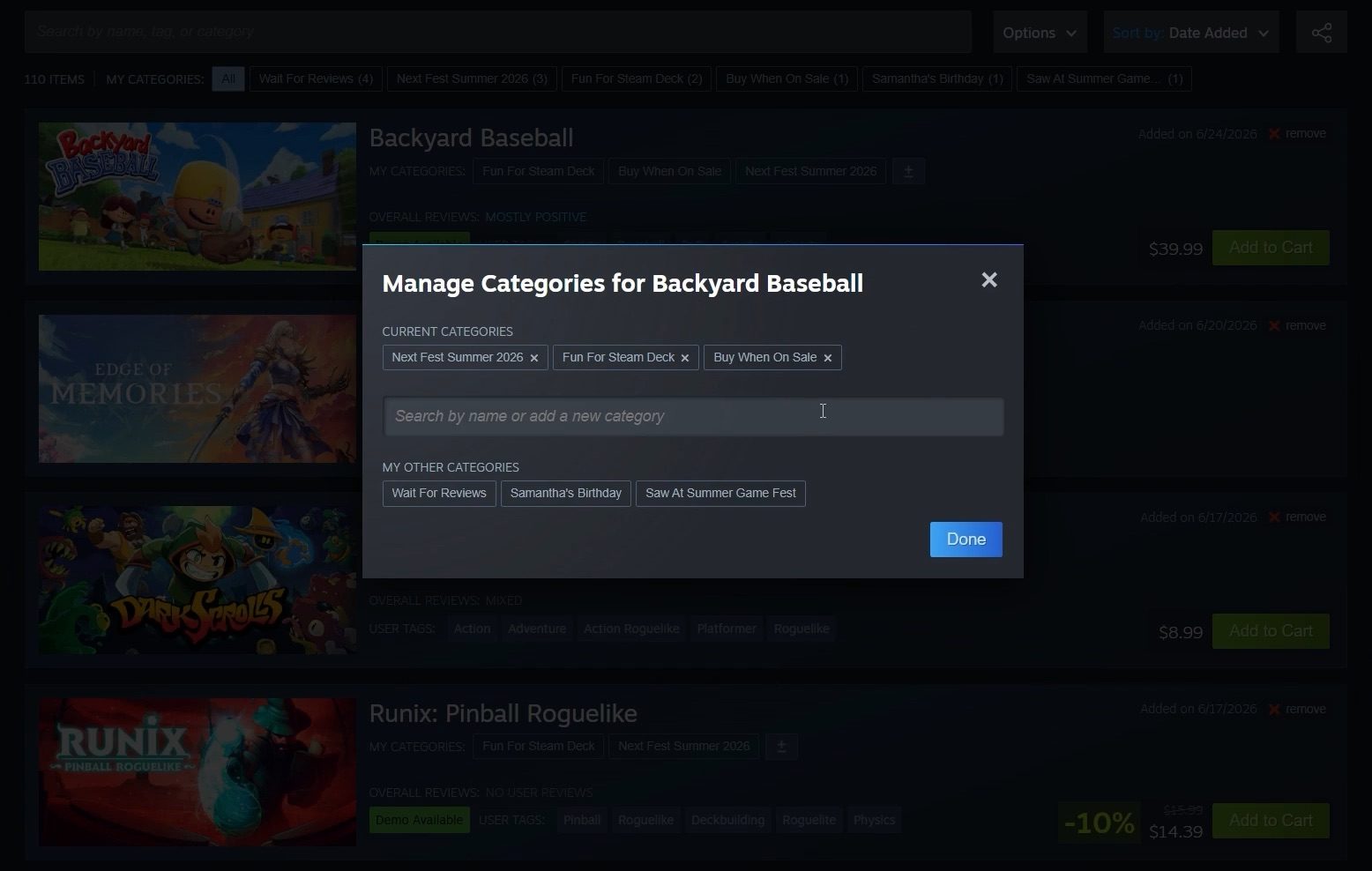
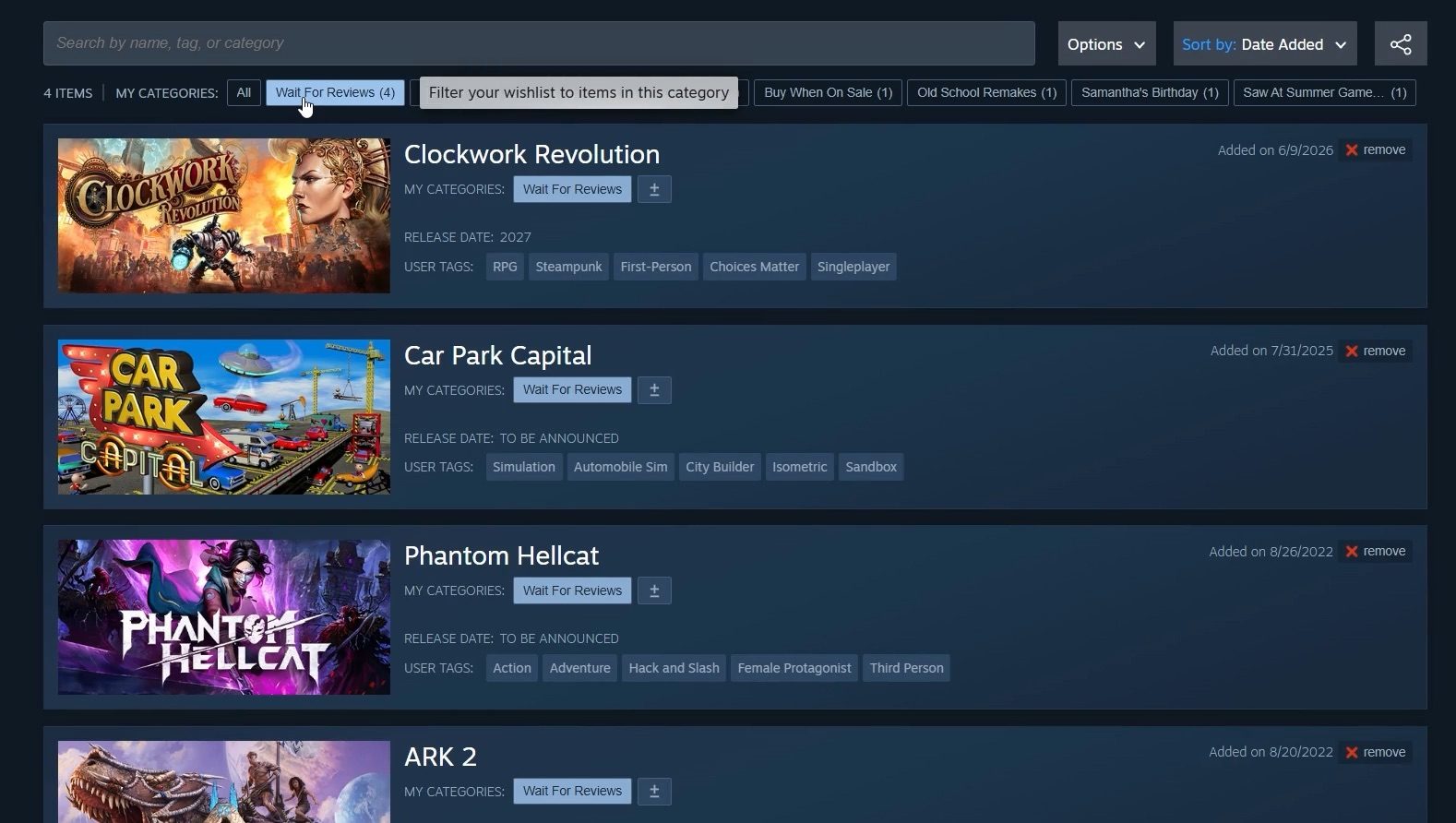
The overhaul of the wishlist system is equally significant, introducing much-needed organizational tools and enhancing game discovery. The headline feature is the addition of custom categories. Players can now create and assign their games to personalized categories, transforming the once-monolithic wishlist into a structured library. This allows for much more granular control over tracking desired games.
The benefits of these categories are manifold. Users can filter their wishlist with a single click, instantly bringing up games that fit specific criteria, such as "Upcoming RPGs," "Indie Gems," or "Games on Sale." Adding games to these custom categories is now possible directly from the game’s store page, streamlining the process of adding new discoveries to organized lists. Moreover, users can opt to receive notifications only for games within specific categories, reducing notification fatigue and ensuring that alerts are relevant to their current interests.
Valve has also reported improvements to search functionality within the wishlist and store. The introduction of autocomplete suggestions speeds up the process of finding specific games, making the browsing experience more efficient. Beyond organizational tools, the update enhances game discovery. Steam now actively flags when a wishlisted game has a playable demo available, providing a low-risk opportunity for players to sample titles before committing to a purchase. Additionally, hovering over a game’s visual representation on the store page (its "capsule") now triggers a brief microtrailer, offering a quick glimpse of gameplay and atmosphere without requiring a full page load.
The ability to share wishlists has also been enhanced. Users can now generate a direct link to their entire wishlist or to a specific, filtered category. Friends who receive these links can view the curated lists and, crucially, can purchase games directly from these shared links without needing to log into their own Steam accounts. This further amplifies the ease of gifting, allowing friends to seamlessly contribute to each other’s gaming libraries.
Background and Context: A Persistent Demand for Improvement
These updates arrive at a pivotal moment for Valve and the PC gaming ecosystem. The recent launch of the Steam Deck, Valve’s portable PC gaming device, has brought renewed attention to the Steam platform’s usability and accessibility. The Steam Deck’s success hinges on its ability to seamlessly integrate with the vast Steam library, and improvements to core functionalities like wishlisting and gifting directly contribute to a more cohesive and enjoyable user experience across all Valve’s hardware and software offerings.
For years, the Steam community has voiced desires for more robust wishlist management and a more straightforward gifting process. The platform’s massive user base, estimated to be in the hundreds of millions, generates a constant stream of feedback through forums, social media, and direct support channels. While Valve has historically been responsive to community input, the scale and complexity of the Steam platform mean that significant overhauls can take time. The current updates suggest a concentrated effort to address these long-standing user pain points, indicating a strategic prioritization of user experience enhancements.
The evolution of PC gaming has also seen a rise in digital gift-giving and the increasing importance of curated wishlists as a primary tool for managing desired purchases, especially during frequent sales events like the Steam Summer Sale. The previous limitations in these areas were becoming increasingly noticeable as the platform matured and user expectations evolved.

Analysis of Implications: Fostering Community and Expanding Reach
The implications of these updates extend beyond mere convenience. By making gifting more accessible and less intimidating, Valve is fostering a stronger sense of community and social interaction within the Steam platform. Easy gifting encourages players to share their passion for games with friends and family, potentially introducing new users to the platform or reinforcing existing relationships through shared gaming experiences. The expansion of guest checkout, in particular, can act as a gateway for individuals who might not have otherwise engaged with Steam as purchasers.
The enhanced wishlist organization tools serve a dual purpose. For dedicated gamers, they offer a sophisticated method for managing a potentially vast backlog of desired titles, ensuring that no potential purchase is overlooked. For Valve, a more organized and actively used wishlist can provide valuable data on player preferences and purchasing intent, informing future game recommendations and platform development. The ability to filter and share specific categories also allows for more targeted recommendations and gift suggestions.
The automated cross-region gifting addresses a global market, acknowledging the international nature of PC gaming. By simplifying this process, Valve aims to reduce friction for international gift exchanges, potentially increasing the volume of cross-border transactions and further solidifying Steam’s position as a global digital marketplace.
In essence, these updates represent a significant investment in user experience, demonstrating Valve’s commitment to refining the core functionalities of its platform. By making it easier to give, receive, and track games, Valve is not only enhancing the day-to-day experience for its existing user base but also potentially attracting new users and further cementing Steam’s dominance in the PC gaming landscape. The focus on simplifying complex processes underscores a strategic vision to make PC gaming more approachable and enjoyable for a broader audience.