YouTube Introduces Customizable Home Feeds and Redesigns Navigation Bar to Enhance User Experience

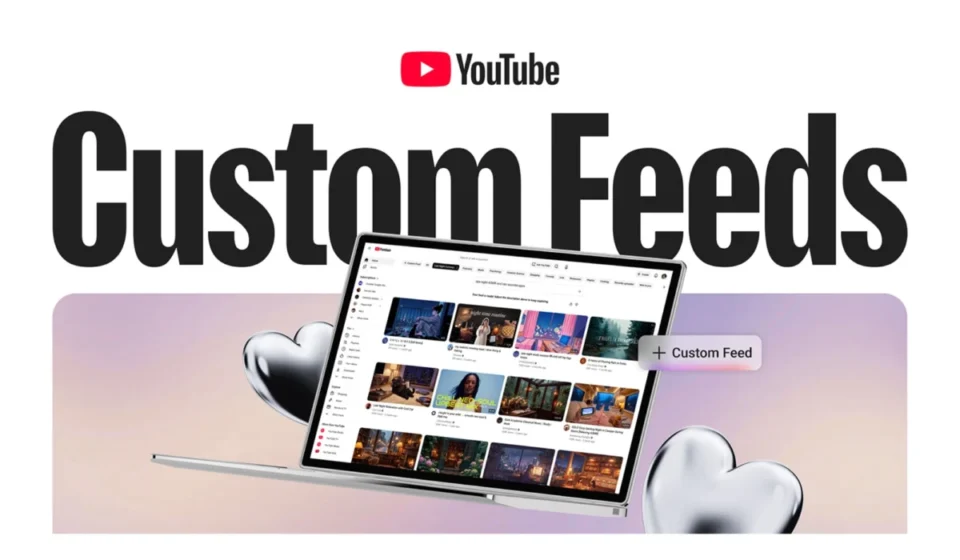
YouTube is significantly overhauling its Home page experience, granting users greater autonomy over content curation and streamlining access to frequently used features. The platform is rolling out "Custom Feeds," a feature that will gradually replace the existing topic chips for eligible users. Concurrently, YouTube is piloting a redesigned top navigation bar on its mobile application, which will prominently feature the Subscriptions tab alongside other core sections like Home. This dual approach aims to personalize the viewing journey and make content discovery more intuitive and efficient for its vast global audience.
The introduction of Custom Feeds represents a substantial shift in how YouTube tailors recommendations. Previously, users relied on broad topic categories or the platform’s algorithmic interpretation of their viewing habits. Custom Feeds allow for a more granular and direct approach. Users can now articulate their specific interests, moods, or even niche topics through text prompts, and YouTube will generate a dedicated, continuously updated stream of relevant videos. This move from a generalized recommendation engine to a user-defined content curator signals a deeper commitment to individual viewer preferences.
Background Context: A History of Personalization Efforts

YouTube’s journey towards enhanced personalization is not new. Over the years, the platform has continuously refined its algorithms to better understand user behavior. Features like watch history, search history, and engagement metrics (likes, dislikes, subscriptions) have formed the backbone of its recommendation system. However, these have largely operated as black boxes, with users having limited direct input into the precise nature of their content streams.
The genesis of Custom Feeds can be traced back to earlier experimental phases. In the spring of 2026, YouTube began testing a nascent version of this feature, allowing users to input search queries that would then be transformed into personalized recommendation channels. This initial exploration laid the groundwork for the current, more robust implementation. The decision to integrate Custom Feeds as a core component of the Home page suggests that user feedback and testing indicated a strong demand for this level of control. The platform’s extensive user base, estimated to be over 2.5 billion monthly active users as of late 2025, provides a fertile ground for such personalized features to gain traction.
Creating Your Personalized YouTube Universe: The Mechanics of Custom Feeds
The process of creating a Custom Feed is designed to be straightforward. Users will find a new plus (+) button at the top of their Home page. Tapping this button initiates the creation process, where users can then describe their desired content in natural language. This prompt can be as specific as a particular YouTube channel’s latest uploads, a genre of documentaries, or even a mood, such as "relaxing instrumental music" or "inspiring TED Talks." YouTube’s sophisticated natural language processing (NLP) capabilities will then interpret these prompts to curate a dynamic feed.

For standard YouTube accounts, the platform allows for the creation and saving of up to three Custom Feeds simultaneously. This limit provides a balance between offering significant personalization and preventing overwhelming complexity for the average user. In contrast, YouTube Premium subscribers, who already benefit from an ad-free experience and other exclusive features, will have the capacity to save up to eight Custom Feeds. This tiered approach incentivizes subscription while still offering substantial customization to all users.
Each saved Custom Feed will be readily accessible from the top of the Home page, ensuring that users can quickly switch between their curated content streams. The flexibility extends to managing these feeds; users will have the ability to edit the prompts or remove feeds entirely at their discretion. The rollout of Custom Feeds is currently targeted at signed-in viewers aged 13 and older in the United States who are using English-language settings. For the feature to function effectively, both watch history and search history must be enabled on the user’s account, as these data points are crucial for refining the personalized recommendations. The feature is available across both mobile and desktop platforms, indicating a commitment to a consistent cross-device experience.
Redesigned Navigation: Subscriptions Take Center Stage on Mobile
In parallel with the Custom Feeds initiative, YouTube is also testing a significant alteration to its mobile Home tab navigation bar. This redesign aims to bring frequently accessed sections into closer proximity, thereby reducing the number of taps required to reach them. The most notable change is the relocation of the "Subscriptions" tab to a more prominent position within this top bar. Historically, Subscriptions has been a separate tab, requiring users to navigate away from the Home feed to see content from their subscribed channels. Its integration into the primary navigation bar signifies a renewed emphasis on the core user-generated content ecosystem that underpins YouTube’s success.

Alongside Subscriptions, the redesigned bar will also feature direct access to other standard feeds, including "Live" content and "Music." For viewers who subscribe to YouTube Premium or have active subscriptions to YouTube TV or other related services, a "Movies & TV" option will also be present. This consolidation aims to create a more streamlined and efficient user interface, particularly for mobile users who often prioritize speed and convenience. The testing phase for this redesigned navigation bar suggests that YouTube is gathering user feedback to refine the layout before a wider rollout.
Analyzing the Implications: A More Engaged and Empowered User
The introduction of Custom Feeds and the redesign of the mobile navigation bar represent a strategic evolution for YouTube. By granting users more control over their content consumption, the platform is likely to foster deeper engagement and a stronger sense of ownership over their viewing experience. This move can be seen as a response to the increasing fragmentation of online content and the growing demand for personalized digital environments.
From a data perspective, Custom Feeds could provide YouTube with even richer insights into user intent and preferences. While watch and search history offer implicit signals, explicit prompts from Custom Feeds offer a more direct understanding of what users are actively seeking. This could lead to more effective advertising targeting, although YouTube has historically tread carefully in balancing personalization with user privacy concerns.

The enhanced visibility of the Subscriptions tab on mobile is also a significant development. It acknowledges the enduring importance of creator-audience relationships and encourages users to actively engage with the channels they follow. This could potentially boost viewership for established creators and provide a more consistent audience for emerging talent.
The rollout of these features, starting with specific regions and languages, is a common strategy for large-scale platform updates. It allows YouTube to monitor performance, gather feedback, and iron out any technical glitches before a global release. The inclusion of YouTube Premium subscribers in the testing and rollout phases also highlights the platform’s commitment to its premium tier, reinforcing the value proposition for paying users.
Looking Ahead: The Future of YouTube’s Home Page
As YouTube continues to evolve, these changes suggest a future where the Home page is not just a passive portal of recommendations but an active, user-defined space. The ability to create bespoke content streams and easily access subscribed channels marks a significant step towards a more individualized and satisfying viewing experience. This strategic pivot is likely to solidify YouTube’s position as the dominant video platform by catering to the diverse and evolving needs of its global audience. The success of these features will be measured not only by user adoption rates but also by their impact on overall watch time, creator engagement, and user satisfaction.