Bloomwalker: A Glimpse into the Future of Ni no Kuni Amidst Industry Concerns

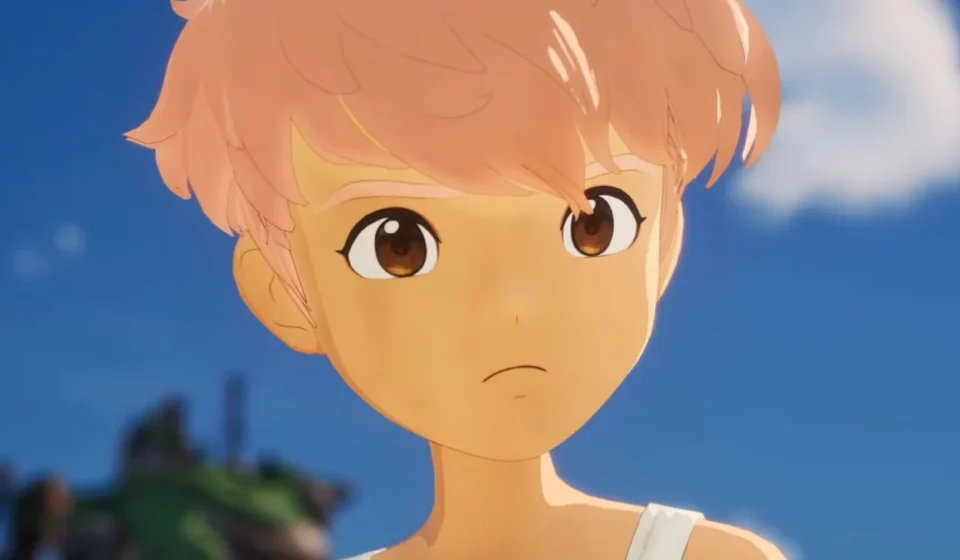
The Ni no Kuni franchise, a beloved beacon for fans of animated fantasy and rich storytelling, stands at a precipice as the seventh installment, tentatively known as Bloomwalker, emerges from development. This latest entry, first unveiled in 2025 and subsequently refined in its reveal at Tokyo Game Show 2026, promises to continue the series’ legacy of enchanting worlds and engaging narratives, albeit under a shadow cast by recent controversies surrounding its developer, Level-5. The game’s aesthetic, characterized by vibrant, hand-drawn-esque visuals and the return of familiar creature designs, initially evoked the magical realism synonymous with Studio Ghibli, the famed animation studio that has lent its artistic prowess to earlier titles in the series. However, a growing unease among the fanbase and industry observers centers on Level-5’s recent embrace of generative artificial intelligence (AI) in its development pipeline, raising critical questions about the integrity and artistic direction of Bloomwalker.
Genesis of Bloomwalker: From Xbox Exclusive to Multi-Platform Ambition
Project Bloomwalker’s initial public debut occurred in 2025 during the Gamescom Xbox showcase. The preview presented a visually striking experience, drawing immediate comparisons to the whimsical architectural designs and fantastical elements reminiscent of Hayao Miyazaki’s "Howl’s Moving Castle." At this stage, the game was exclusively slated for Xbox consoles, suggesting a strategic partnership with Microsoft. The early footage highlighted a protagonist wielding a broom, a nod to the series’ magical undertones, and accompanied by a retinue of sentient mechanical companions. The inclusion of "higgledies," the small, sprite-like creatures that played a significant role in the original Ni no Kuni: Wrath of the White Witch, further cemented the game’s connection to the established lore, even as it was presented without the franchise’s titular name.
The subsequent unveiling at Tokyo Game Show 2026 marked a significant evolution in Bloomwalker’s rollout. The ‘Project’ designation was officially dropped, signaling its transition from a concept to a more concrete release. Crucially, the platform exclusivity shifted, with the game now confirmed for release on both the Nintendo Switch and its anticipated successor, the Switch 2. This multi-platform strategy broadens the potential audience considerably, aligning with Nintendo’s strong market presence in the role-playing game (RPG) genre. The visual presentation remained consistent with its initial reveal, showcasing a world brimming with vibrant colors and imaginative character designs, reinforcing the expectation of a deeply immersive and visually appealing experience.
The Shadow of Generative AI: Level-5’s Controversial Stance
The critical juncture in the narrative surrounding Bloomwalker is Level-5’s increasingly prominent use of generative AI in its development processes. Ni no Kuni has historically been a property of Level-5, with the developer being the primary creative force behind the series. Previous installments, such as the critically acclaimed "Ni no Kuni: Wrath of the White Witch" and the more ambitious "Ni no Kuni II: Revenant Kingdom," were lauded for their intricate narratives, charming aesthetics, and engaging gameplay mechanics. These titles were developed with traditional animation and art direction techniques, often benefiting from the stylistic influence of Studio Ghibli, which contributed significantly to the series’ unique visual identity.
However, Level-5’s recent actions have ignited significant backlash from its dedicated fanbase. In September 2026, the developer hosted an extensive showcase of its upcoming projects, including new titles in the "Professor Layton" and "Yo-Kai Watch" franchises. This presentation was notably hosted by a fully generated AI "spokesperson," a move that was met with widespread disapproval and criticism. Many fans perceived this as a disregard for traditional artistic talent and a concerning trend towards automation in creative fields. The incident led to a significant erosion of goodwill, with many long-time supporters expressing their disillusionment and questioning their commitment to Level-5’s future releases. This controversy casts a long shadow over Bloomwalker, as the game is intrinsically linked to Level-5’s creative output and its evolving development philosophy.
Artistic Integrity and the AI Dilemma
The core of the fan consternation lies in the potential impact of generative AI on the artistic integrity of games that have, until now, been celebrated for their handcrafted aesthetic. The whimsical, hand-drawn style that is a hallmark of the Ni no Kuni series is deeply intertwined with the human artistry of its creators. The prospect of AI-generated assets or even stylistic elements replacing or augmenting this human touch raises concerns about a potential dilution of the series’ unique charm.

While the current trailers and promotional materials for Bloomwalker do not explicitly confirm the use of AI-generated art, the developer’s recent actions make it a significant point of scrutiny. Fans are actively seeking clarification on the extent of AI integration, fearing that the distinctive "whimsy of Ghibli-like worlds" could be compromised by algorithmic creations. The absence of explicit denial or confirmation from Level-5 only intensifies this uncertainty, leaving a palpable sense of apprehension within the community. The very essence of what makes Ni no Kuni special is its deeply personal and artistic creation process, and any perceived deviation from this could alienate a core segment of its audience.
A History of Technological Integration and Fan Reaction
This is not the first time a Ni no Kuni title has faced a degree of fan scrutiny regarding its technological underpinnings. The most recent major release in the franchise, "Ni no Kuni: Cross Worlds," launched with integrated blockchain and cryptocurrency features, a move that proved divisive. While proponents argued for the potential of these technologies in gaming economies, a significant portion of the fanbase expressed concerns about the financial risks, the potential for exploitative practices, and the disruption of traditional gameplay immersion.
The integration of these features in Cross Worlds was met with considerable negative feedback, leading to a gradual shift in the game’s implementation. Notably, the servers for Cross Worlds officially shut down on September 17, 2026. However, the game had previously undergone a relaunch in July of the same year, consolidating its servers and removing the controversial Marblex integration. This pivot suggests a potential acknowledgement by the developers, or at least the publishers, of the negative reception to the blockchain elements. A Reddit post from the gachagaming subreddit detailed the developer’s notice regarding the server consolidation and the removal of Marblex integration, underscoring the community’s engagement with these issues. This history of fan reaction to technological integrations, from blockchain to generative AI, highlights a critical sensitivity within the Ni no Kuni community regarding the preservation of the series’ core identity.
Broader Implications for the Gaming Industry
The controversy surrounding Level-5’s use of generative AI in its showcase and its potential application in Bloomwalker is indicative of a broader, ongoing debate within the video game industry. The rapid advancement of AI technologies presents both exciting opportunities and significant challenges. On one hand, AI can streamline development workflows, assist in asset creation, and potentially lead to more dynamic and responsive game worlds. Tools can be used to generate placeholder assets, assist with procedural generation, or even aid in testing and debugging.
However, the ethical implications of AI-generated content are profound. Concerns about job displacement for artists, the potential for AI to replicate and perpetuate biases present in training data, and the philosophical question of authorship in creative works are all part of this complex discussion. For a franchise like Ni no Kuni, which derives so much of its appeal from its artistic soul and the unique vision of its creators, the integration of AI requires a delicate balance. Transparency from developers about the extent and nature of AI’s role in game development is becoming increasingly crucial for maintaining fan trust.
The success of Bloomwalker, therefore, may hinge not only on its gameplay and narrative quality but also on Level-5’s ability to navigate these sensitive issues. The series has a proven track record of delivering enchanting experiences, and the anticipation for a new installment is high. However, the industry is at a crossroads, and how developers like Level-5 choose to integrate emerging technologies will shape not only their own futures but also the broader landscape of interactive entertainment. The hope remains that Bloomwalker will ultimately deliver on the promise of its whimsical premise, learning from past fan reactions and forging a path that honors the artistic heritage of the Ni no Kuni universe while embracing innovation responsibly. The coming months will be critical for Level-5 to provide clarity on its development practices and reassure fans that the magic of Ni no Kuni will continue to be crafted by human hands, augmented, perhaps, but never replaced, by artificial intelligence.