
CUPERTINO, CA – September 18, 2026 – Apple’s latest flagship smartphone, the iPhone 18 Pro Max, has introduced a novel shipping requirement due to its substantial battery capacity, exceeding the 20 watt-hour (Wh) threshold. This necessitates a firmware-based limitation on the battery’s maximum charge level when the device is in transit, a measure designed to comply with stringent international shipping regulations for lithium-ion batteries.
The iPhone 18 Pro Max, which was unveiled earlier this month alongside its Pro counterpart and the much-anticipated foldable iPhone Duo at Apple’s "Surprise and Shine" event on September 9th, features a battery engineered to support its advanced capabilities and extended usage times. However, this increased power density presents logistical challenges. International air cargo regulations, such as those established by the International Civil Aviation Organization (ICAO) and the International Air Transport Association (IATA), place restrictions on the shipment of batteries exceeding certain energy capacities. Specifically, batteries with an energy rating greater than 20Wh but less than 100Wh are subject to specific handling and packaging requirements, often including a limit on the state of charge to mitigate the risk of thermal runaway during transport.
Apple’s solution involves an "innovative battery-firmware solution," as detailed in their official support documentation. This system proactively manages the battery’s charge level. From the moment an iPhone 18 Pro Max is manufactured until it reaches the end consumer, its battery capacity is intentionally capped at below 20Wh. This is achieved through sophisticated firmware programming that dynamically adjusts the maximum allowable charge. The limitation is automatically removed once the iPhone is activated by the user, restoring the battery to its full charging potential. Devices that remain in their original packaging and are yet to be activated are already compliant with these shipping regulations, as their batteries are inherently maintained at a charge level below the 20Wh threshold.
The "Prepare to Ship" Feature: A New Protocol for Transit
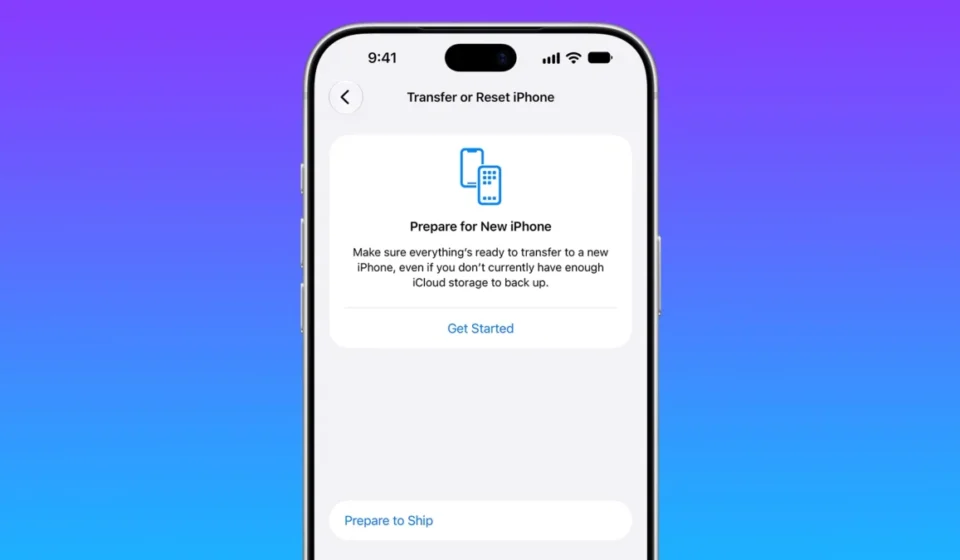
For existing iPhone 18 Pro Max owners who need to ship their devices for reasons such as repairs, trade-ins, or other logistical purposes, Apple has introduced a new feature within the device’s operating system called "Prepare to Ship." This utility is crucial for ensuring that any iPhone 18 Pro Max being sent through the shipping network adheres to the battery charge limitations.
Activating the "Prepare to Ship" function initiates a controlled discharge process. The firmware actively reduces the battery’s charge to below the 20Wh mark and then sets a permanent charge limit until the device is prepared for re-activation. This ensures that the battery remains within the regulatory limits throughout the entire shipping journey, from the point of dispatch to its destination.
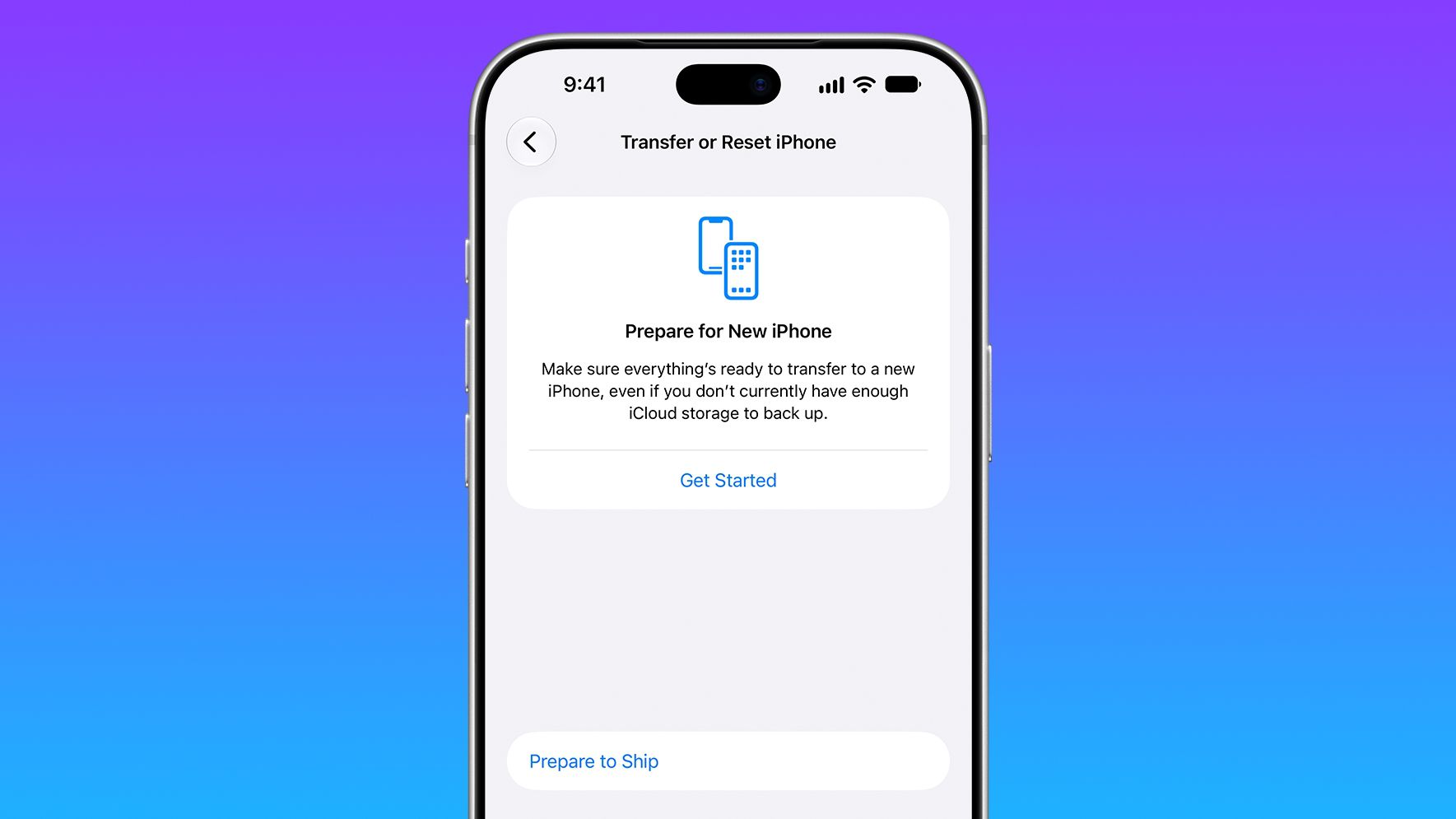
The accessibility of this feature is designed for user convenience and compliance. Users can navigate to Settings > General > Transfer or Reset iPhone > Prepare to Ship to initiate the process. Apple has provided a clear warning that during the "Prepare to Ship" operation, the iPhone might generate more heat than usual, particularly if the battery requires a significant discharge. This is a normal consequence of the process and a testament to the battery management system at work. Upon successful completion, the iPhone will display a "Ready to Ship" status within the Settings application, signaling that it is now compliant with shipping regulations.
Reversing the Shipping Preparation
Recognizing that shipping preparations might need to be undone for various reasons, Apple has also incorporated a mechanism to reverse the "Prepare to Ship" state. This option is available in the same section of the Settings app. However, the ability to disable the shipping preparation may be subject to a waiting period, which can extend up to 14 days. This waiting period is likely a safeguard to ensure that the battery has fully settled into its regulated state and to prevent immediate reversal that could potentially bypass the intended safety protocols. The duration of this waiting period might also vary depending on the specific reason the user selected when initiating the "Prepare to Ship" function, though Apple has not provided explicit details on these variations.
Apple has been proactive in reassuring users about the safety of the iPhone 18 Pro Max for transportation. The company emphasizes that the implemented battery limit is a regulatory requirement and does not compromise the device’s overall safety or its suitability for air travel. This procedure is unique to the iPhone 18 Pro Max because it is the first iPhone model to feature a single-cell battery configuration that exceeds the 20Wh capacity threshold. Previous iPhone models, and even the standard iPhone 18 and iPhone 18 Pro (which likely utilize batteries with capacities below this regulatory threshold), do not require this specific shipping preparation.
Background Context: Evolving Battery Regulations and Device Power Demands
The implementation of the "Prepare to Ship" feature is a direct response to the increasingly complex landscape of regulations governing the transportation of lithium-ion batteries. These regulations have become more stringent over the years due to a history of incidents involving damaged or improperly handled batteries, particularly in air cargo. The ICAO and IATA continuously update their guidelines to enhance safety, and manufacturers like Apple must adapt their product designs and logistics to comply.
The development of the iPhone 18 Pro Max’s advanced features, such as a more powerful processor, enhanced camera systems, and potentially new display technologies, naturally leads to a greater demand for battery power. To meet these demands and provide users with competitive battery life, manufacturers often push the boundaries of battery capacity within the physical constraints of a smartphone. This iterative process of innovation and regulation has led to the current situation where cutting-edge devices require specialized protocols for their safe transit.
The "Surprise and Shine" event, held on September 9, 2026, was a significant showcase for Apple’s latest product lineup. Alongside the iPhone 18 Pro Max, the event introduced the standard iPhone 18, the higher-tier iPhone 18 Pro, and the highly anticipated foldable iPhone Duo. Reports from the event indicated that the iPhone 18 Pro and Pro Max models boast significant upgrades, contributing to their increased power consumption and, consequently, their larger battery requirements. The inclusion of a new generation of the A-series chip, expected to be the A18 Bionic, and advancements in display technology and camera sensors are all factors that contribute to the need for a more robust power source.
Broader Impact and Analysis
The "Prepare to Ship" feature represents a subtle but significant shift in how consumer electronics are managed post-purchase, particularly for high-capacity devices. While primarily a compliance measure, it also highlights the increasing sophistication of firmware in controlling hardware functions. This level of granular control over battery behavior through software underscores Apple’s commitment to integrating hardware and software seamlessly, even extending to logistical aspects.
For consumers, the primary implication is a minor additional step when preparing to send their device for service or trade-in. While the process is designed to be straightforward, the potential 14-day waiting period to undo the preparation might cause inconvenience for some users who require a faster turnaround. This could lead to increased reliance on in-store service options or a need for more careful planning when shipping devices.
From an industry perspective, Apple’s solution may set a precedent for other manufacturers producing devices with high-capacity batteries. As technology continues to advance, other smartphone makers might face similar regulatory hurdles for their future flagship devices. The development of such firmware-based solutions could become a standard practice for ensuring compliance in the global supply chain.
Furthermore, the regulatory environment for lithium-ion batteries is not static. Ongoing research into battery safety, alternative battery chemistries, and evolving international standards means that manufacturers will need to remain agile and adaptable. Apple’s proactive approach with the iPhone 18 Pro Max suggests a forward-thinking strategy that anticipates future regulatory changes and technological advancements. The fact that this procedure is not required for other models underscores the specific engineering choices made for the Pro Max variant, likely prioritizing maximum battery life and performance, which in turn necessitated these shipping accommodations. The company’s emphasis on safety and compliance, coupled with a user-friendly interface for managing these requirements, aims to mitigate any potential disruption for its customer base.