The Lenovo Googlebook 15 Signals Google’s Bold Leap into Premium Android-Powered Laptops

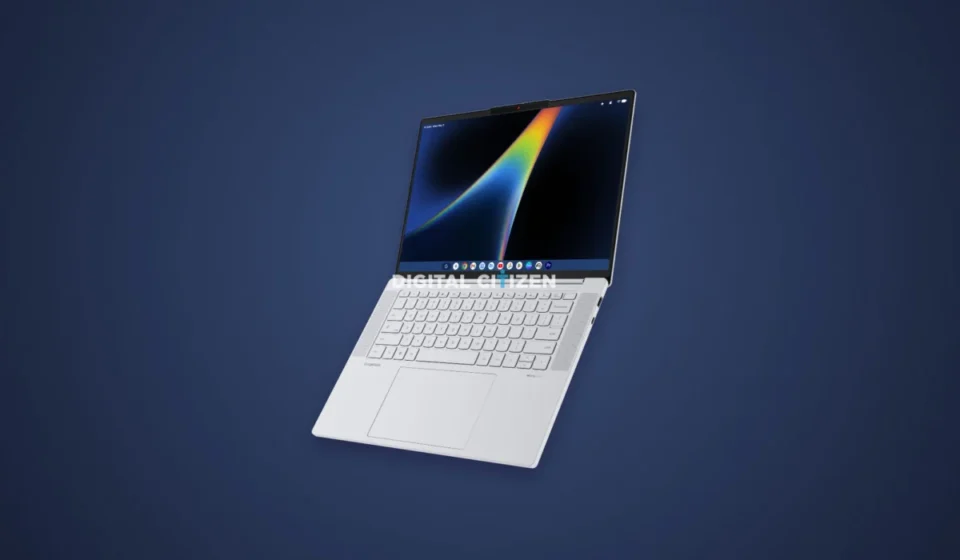
After a decade and a half dedicated to carving out a significant presence in the laptop market with its Chromebooks, Google appears poised to redefine its ambitions with a new generation of Android-powered computers. Leaked press images of the unannounced Lenovo Googlebook 15 suggest a deliberate strategy to position these devices as serious contenders alongside premium Windows machines, aiming to shed any lingering perceptions of compromise. This forthcoming model stands apart from Lenovo’s previously leaked 2-in-1 tablet, indicating a multi-pronged approach to expanding Google’s hardware ecosystem.
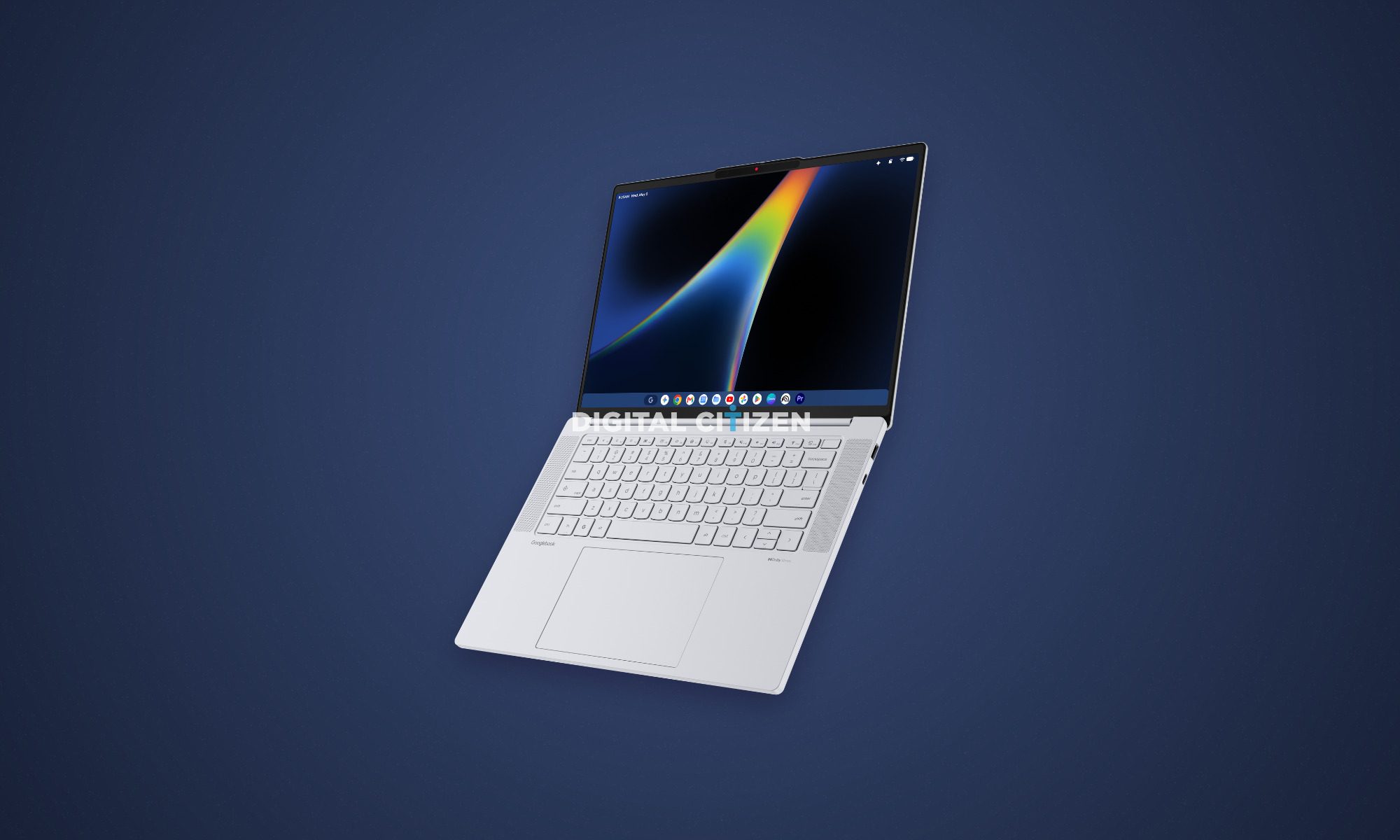
The comprehensive collection of press images, obtained by Digital Citizen, offers an unprecedented look at the Lenovo Googlebook 15. These visuals reveal the device’s exterior design, the layout of its keyboard, the array of its ports, and, most significantly, Google’s evolved desktop interface for its Android ecosystem. While Lenovo has yet to formally unveil the Googlebook 15, industry observers anticipate a potential debut at the IFA consumer electronics trade show in Berlin this September, a venue often favored by manufacturers for major product launches.
The Gemini Key: A Direct Line to AI Integration
A striking departure from conventional laptop design is immediately apparent on the Googlebook 15’s keyboard: the familiar Windows key has been replaced by a dedicated key emblazoned with Google’s "G" logo. This strategically placed button provides direct hardware access to Gemini, Google’s advanced artificial intelligence model. This integration signifies Google’s commitment to embedding AI capabilities at a fundamental level within its computing hardware, moving beyond software-only implementations.
Beyond the prominent Gemini key, the keyboard boasts a thoughtfully designed function row. The Caps Lock key has been repurposed to act as an application launcher, streamlining access to frequently used programs. The 14-key function row offers a suite of controls, including dedicated buttons for taking screenshots, accessing accessibility features, muting the microphone, managing windows, and adjusting keyboard brightness. This ergonomic consideration aims to enhance user productivity and convenience directly through hardware shortcuts.
Despite the substantial 15-inch chassis, the Lenovo Googlebook 15 omits a dedicated number pad. This design choice appears to prioritize a centered, spacious keyboard and an oversized trackpad, suggesting a focus on an uncluttered and ergonomic typing and navigation experience. This layout could appeal to users who prefer ample desk space and a more streamlined input area.
Connectivity and Multimedia: Addressing User Demands
Lenovo has seemingly taken a proactive approach to address a common criticism of modern ultrabooks: limited port selection. The renders depict a robust array of connectivity options, including two USB-C ports, a traditional USB-A port, an HDMI output for external displays, an SD card reader for convenient media transfer, and a standard 3.5mm headphone jack. This comprehensive port configuration suggests the Googlebook 15 is designed to be a versatile device, capable of connecting to a wide range of peripherals and external devices without the need for dongles or adapters.
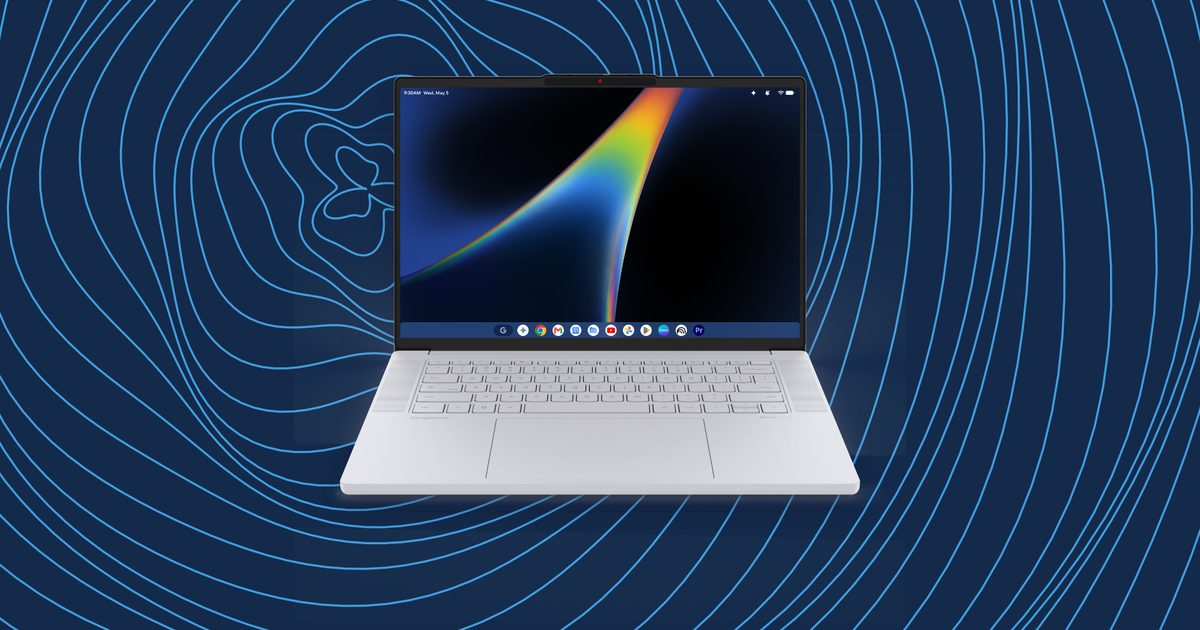
The audio experience is also a point of emphasis, with upward-facing speakers proudly displaying Dolby Atmos branding. This suggests an intention to deliver an immersive and high-fidelity audio output, a feature often overlooked in laptop design. Furthermore, the slim webcam bezel incorporates a physical privacy shutter, a welcome addition that addresses growing user concerns about digital privacy and security. This feature offers a tangible assurance that the camera can be physically disabled when not in use. The emphasis on audio quality is particularly noteworthy, as it has historically been a weakness in many Windows laptops, and the inclusion of Dolby Atmos branding hints at a deliberate effort to elevate this aspect of the user experience.
A Refined Desktop Interface for Android
Perhaps the most significant revelation from the leaked images is the glimpse into Google’s refined desktop interface for its Android ecosystem. The interface features a distinct phone-style status bar at the top, displaying essential icons for battery status, Wi-Fi connectivity, notifications, and a dedicated Gemini icon. Complementing this is a more conventional taskbar positioned along the bottom of the screen, a familiar element for users accustomed to desktop operating systems.
The taskbar prominently displays icons for core Google applications such as Chrome, Gmail, Calendar, YouTube, and Google Photos. The inclusion of the Play Store icon signifies seamless access to the vast library of Android applications. Notably, the presence of Adobe Premiere Pro and Canva icons within the promotional render is particularly intriguing. While their inclusion suggests potential for robust content creation capabilities, it is crucial to note that a mere icon in a promotional image does not confirm the specific version of these professional applications that will be available or the level of performance users can expect. Further details regarding optimization and functionality will be essential to gauge the true creative potential of the Googlebook 15.
Googlebooks: The Convergence of Android, ChromeOS, and AI
Google’s vision for its "Googlebooks" encompasses a potent combination of Android applications, the underlying technology of ChromeOS, deeper smartphone integration, and the advanced capabilities of Gemini’s Magic Pointer. This ambitious undertaking aims to create a unified and intelligent computing experience. The initial wave of these devices is slated for release this fall, with established hardware partners including Acer, Asus, Dell, HP, and Lenovo.
The strategic partnership with these major manufacturers underscores Google’s seriousness in challenging the established dominance of Windows in the premium laptop segment. By leveraging the strengths of its existing platforms and integrating cutting-edge AI, Google is positioning itself to offer a compelling alternative.
Background and Context: A Gradual Evolution
Google’s journey into the laptop space began with the introduction of Chromebooks in 2011. Initially positioned as affordable, cloud-centric devices primarily for education and basic productivity, Chromebooks have steadily evolved. Over the past 15 years, they have gained significant traction, demonstrating Google’s ability to establish a viable operating system in a market dominated by Microsoft. This evolution has seen Chromebooks become more capable, with improved hardware specifications and the integration of Android apps, blurring the lines between traditional laptops and tablets.
The development of Googlebooks represents a significant escalation of this strategy. Moving beyond the established Chromebook paradigm, Googlebooks are being envisioned as premium devices that can compete head-to-head with high-end Windows laptops. This shift signifies a move upmarket, targeting users who demand performance, advanced features, and a sophisticated user experience.
The recent leak of Lenovo’s 2-in-1 tablet, which also leverages Google’s platform, further indicates a broad strategy to diversify its hardware offerings. However, the Googlebook 15, with its traditional laptop form factor and emphasis on a desktop-like interface, suggests a direct assault on the core laptop market.
Implications and Analysis: A New Challenger Emerges
The emergence of the Lenovo Googlebook 15, powered by Google’s advanced Android desktop interface and AI integration, has several significant implications for the broader computing landscape:
- Increased Competition in the Premium Laptop Market: By targeting the premium segment, Googlebooks directly challenge established players like Apple’s MacBooks and high-end Windows laptops from Dell, HP, and Lenovo itself. This could lead to greater innovation and potentially more competitive pricing across the board.
- AI Integration as a Differentiator: The prominent placement of the Gemini key and the integration of AI features suggest that artificial intelligence will be a key selling point for Googlebooks. As AI becomes increasingly integral to computing, devices that offer seamless and powerful AI integration will likely gain an advantage.
- The Maturation of Android on Desktop: The leaked interface hints at a more polished and functional desktop experience for Android applications. If executed effectively, this could make Android-powered laptops a more attractive option for users who rely heavily on Android apps but desire a more traditional laptop form factor and productivity tools.
- Potential for Disruption in Content Creation: The inclusion of professional software like Adobe Premiere Pro, even if performance details are scarce, suggests an aspiration to capture a segment of the content creation market. The success of this endeavor will hinge on the hardware’s ability to handle demanding creative workloads.
- User Choice and Ecosystem Diversification: The continued development of alternative operating systems and hardware ecosystems is beneficial for consumers. Googlebooks offer another choice beyond the macOS and Windows duopoly, potentially fostering greater innovation and catering to diverse user needs.
Unanswered Questions and Future Outlook
While the leaked images provide a tantalizing glimpse into the future of Google’s laptop ambitions, several crucial details remain unknown. The exact specifications regarding processor, RAM, storage capacity, and battery life will be critical in determining the Googlebook 15’s performance capabilities and its ability to truly compete with established premium laptops. Pricing will also be a significant factor in its market reception. If Googlebooks are positioned as premium devices, their pricing will need to reflect the value proposition they offer to justify the investment for consumers.
The success of the Lenovo Googlebook 15 and the broader Googlebooks initiative will ultimately depend on Google’s ability to deliver a seamless, powerful, and compelling user experience that addresses the needs and expectations of a demanding consumer base. The company’s 15-year journey with Chromebooks has laid a solid foundation, and the Googlebook 15 appears to be the ambitious next step in its quest to redefine the personal computing landscape. The coming months, particularly the potential IFA reveal, will be keenly watched by industry analysts and consumers alike as Google makes its boldest play yet in the premium laptop arena.