
Google has commenced the rollout of Google Health application version 5.09 across both Android and iOS platforms, introducing a suite of significant enhancements designed to deepen user insights into their personal health and wellness. This update marks a strategic progression in Google’s commitment to digital health, bringing sophisticated monitoring capabilities to its Pixel Watch ecosystem while simultaneously broadening support for popular third-party wearables like Garmin and Apple Watch. The core focus of this release centers on advanced physiological tracking, refined fitness logging, and improved dietary management, reflecting an industry-wide trend towards comprehensive, data-driven personal health.
Pioneering Health Guardian Features for Pixel Watch Users
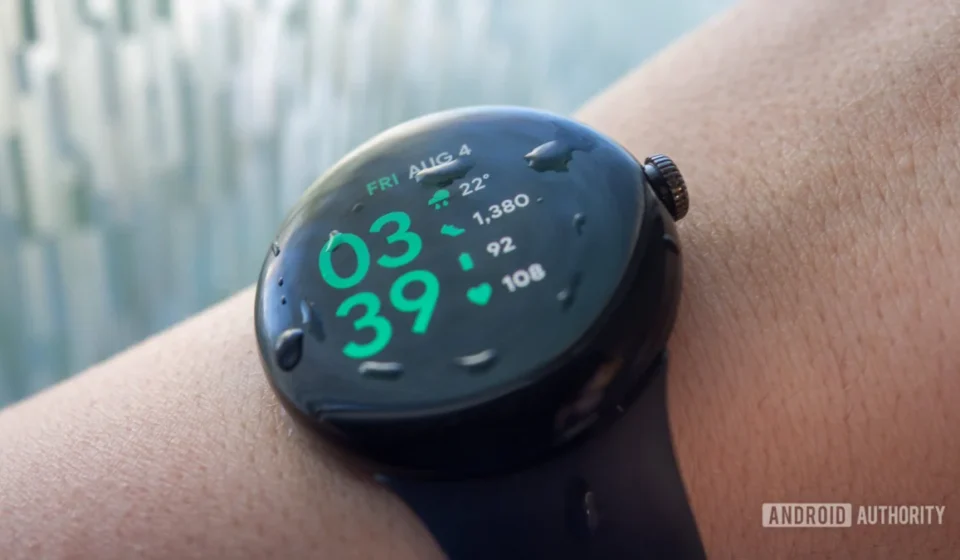
At the forefront of the Google Health 5.09 update are groundbreaking Health Guardian features specifically tailored for owners of the Google Pixel Watch 3, 4, and 5. These devices are set to receive capabilities for tracking blood pressure, charting insulin resistance trends, and delivering novel insights into sleep breathing quality. This represents a significant leap for the Pixel Watch series, positioning it as a more robust health monitoring tool in an increasingly competitive market.
The integration of blood pressure tracking directly onto a smartwatch is a development with profound implications for preventative health. Hypertension, or high blood pressure, affects millions globally and is a leading risk factor for heart disease, stroke, and kidney failure. Traditionally, blood pressure monitoring has required external cuffs and manual measurements. While smartwatches are generally not medical-grade diagnostic devices and often require calibration with a traditional cuff, their ability to track trends over time can provide invaluable data for users and their healthcare providers. This continuous or regular monitoring, even if indicative rather than diagnostic, empowers individuals to observe patterns influenced by diet, exercise, stress, and medication adherence, fostering proactive management of cardiovascular health. The data collected by the Pixel Watch can serve as an early warning system, prompting users to consult medical professionals when significant deviations or concerning trends are observed, thereby bridging the gap between sporadic clinical check-ups and daily health surveillance.
Equally innovative is the introduction of insulin resistance trend charting. Insulin resistance is a physiological condition where cells in the body become less responsive to insulin, leading to elevated blood glucose levels. It is a precursor to prediabetes and Type 2 diabetes, a chronic condition affecting hundreds of millions worldwide. Early detection and management of insulin resistance are critical for preventing or delaying the onset of Type 2 diabetes and its associated complications. While a smartwatch cannot directly measure insulin levels or resistance, it can infer trends by correlating various physiological metrics such as heart rate variability, activity levels, sleep patterns, and potentially, if integrated with other data sources, dietary intake. By providing users with insights into these trends, the Pixel Watch aims to encourage lifestyle modifications – such as increased physical activity and healthier eating habits – that can improve insulin sensitivity and mitigate risk factors. This feature underscores Google’s ambition to move beyond mere activity tracking towards more sophisticated metabolic health monitoring.
Furthermore, the update brings enhanced sleep breathing quality data, addressing another critical aspect of overall health. Sleep disturbances, particularly those related to breathing, like sleep apnea, are widespread but often undiagnosed. Untreated sleep apnea can lead to serious health issues, including cardiovascular problems, fatigue, and impaired cognitive function. Smartwatches typically employ a combination of accelerometers to detect body movement, optical heart rate sensors to monitor heart rate variability, and potentially SpO2 (blood oxygen saturation) sensors to identify breathing irregularities during sleep. By analyzing these data points, the Pixel Watch can now provide more nuanced information about the quality of a user’s nocturnal respiration, flagging potential issues that might warrant further investigation by a medical professional. This focus on granular sleep data aligns with a growing understanding of sleep as a foundational pillar of health, providing users with actionable insights to improve their rest and overall well-being.
Broadening the Ecosystem: Support for Third-Party Wearables
Beyond the Pixel Watch-specific enhancements, Google Health 5.09 also extends its utility to a wider array of wearable devices, including popular models from Garmin and Apple Watch. This update introduces the crucial ability for these third-party wearables to sync workout data directly with Google Health, contributing to a unified "Cardio Load" metric. This strategic move highlights Google’s commitment to building a more inclusive digital health platform, recognizing that users often utilize a variety of devices across different ecosystems.
The "Cardio Load" feature is particularly valuable for athletes and fitness enthusiasts, but also for individuals aiming to maintain general cardiovascular fitness. Cardio Load quantifies the physiological stress placed on the cardiovascular system during exercise, offering a more holistic view of training intensity and recovery needs than simple duration or calorie burn. By integrating heart rate data from any compatible wearable – be it a Garmin Forerunner, an Apple Watch, or other devices capable of measuring heart rate – Google Health can now provide users with a comprehensive overview of their cumulative cardiovascular exertion. This data is essential for optimizing training regimens, preventing overtraining, and ensuring adequate recovery, thereby enhancing athletic performance and reducing the risk of injury. The ability to pull this data from diverse sources transforms Google Health into a more central hub for aggregated fitness metrics, fostering a more complete understanding of one’s physical activity patterns regardless of the brand of wearable device chosen. This interoperability is a significant competitive advantage, as it allows Google Health to serve as a comprehensive health dashboard for a broader user base, irrespective of their primary device ecosystem.
General App Refinements and User Experience Improvements
In addition to the headline-grabbing health tracking features, Google Health 5.09 delivers several important refinements aimed at improving the overall user experience and data accuracy within the application. These general improvements address common pain points and enhance the usability of core functionalities.
The update introduces new options for logging activities under the "Fitness" section. This enhancement provides users with greater granularity and flexibility in categorizing and recording their workouts. Whether it’s a specific yoga pose, a unique strength training routine, or a niche outdoor activity, the expanded logging options ensure that users can accurately document their diverse physical pursuits. Accurate activity logging is crucial for deriving meaningful insights into caloric expenditure, training intensity, and progress towards fitness goals. By making this process more intuitive and comprehensive, Google Health encourages users to maintain a consistent record of their physical activity, which in turn feeds into more accurate overall health assessments and recommendations.
A notable bug fix in this release addresses an issue where old step streaks were not appearing correctly within the application. For many users, step streaks serve as a powerful motivational tool, celebrating consistency and encouraging continued adherence to daily activity goals. The incorrect display of these streaks could be demotivating and undermine user engagement. Rectifying this bug ensures that users can reliably track and celebrate their progress, reinforcing positive habits and contributing to sustained physical activity over time. This seemingly minor fix underscores Google’s attention to detail in maintaining user engagement and trust in its data presentation.
Finally, for users who rely on Google Health to track their food intake, the 5.09 update brings improved functionality for entering serving units and meal times for custom food items. Dietary tracking is a cornerstone of weight management, nutritional awareness, and chronic disease management. However, the process can often be cumbersome and prone to inaccuracies, especially when dealing with homemade meals or unique food items not found in standard databases. By streamlining the entry process for serving units and allowing for more precise meal time logging, Google Health aims to make dietary tracking more efficient and accurate. Furthermore, the update addresses and fixes several glitches related to food tracking on iOS, ensuring a smoother and more reliable experience for Apple device users. These improvements are vital for users seeking to monitor their macronutrient and caloric intake, identify dietary patterns, and make informed choices to support their health objectives.
Google’s Strategic Vision in Digital Health
The Google Health 5.09 update is not an isolated event but rather a significant chapter in Google’s long-term strategy to establish itself as a dominant player in the burgeoning digital health market. Google’s journey in health tech has been marked by various initiatives, including Google Fit, its acquisition of Fitbit in 2021, and the subsequent launch of the Pixel Watch series. This latest update consolidates and expands upon these efforts, showcasing a clear intent to integrate hardware and software into a seamless, comprehensive health monitoring ecosystem.
The global digital health market is projected to reach hundreds of billions of dollars in the coming years, driven by increasing consumer interest in preventative care, the rising prevalence of chronic diseases, and advancements in wearable technology and artificial intelligence. Companies like Apple, Samsung, and various dedicated health tech firms are all vying for market share. Google’s approach, as evidenced by this update, appears to be multifaceted: leveraging its own hardware (Pixel Watch) for premium, advanced features, while simultaneously embracing an open ecosystem philosophy by supporting third-party wearables. This hybrid strategy allows Google Health to appeal to a broad spectrum of users, from those deeply embedded in the Google ecosystem to those who prefer other wearable brands but seek a centralized platform for health data aggregation.
The inclusion of features like blood pressure tracking and insulin resistance trends also signals Google’s ambition to move beyond basic fitness tracking into more clinical-grade, albeit still wellness-oriented, health monitoring. While these features are typically presented as tools for personal awareness and trend identification rather than medical diagnosis, they inherently push the boundaries of consumer health tech towards applications traditionally reserved for medical devices. This trajectory raises important considerations regarding data accuracy, validation, and potential future regulatory oversight by bodies like the FDA, particularly if these features evolve towards diagnostic capabilities. For now, Google’s careful phrasing of "tracking" and "charting trends" keeps them within the wellness domain, empowering users with more information to share with their doctors.
Data privacy and security also remain paramount concerns as smartwatches collect increasingly sensitive personal health information. Google, like all major tech companies, must continually reinforce its commitment to robust data protection measures and transparent privacy policies to maintain user trust. The secure handling of health data is not just a regulatory requirement but a fundamental expectation of users who entrust these platforms with their most personal information.
Implications and Future Outlook
The Google Health 5.09 update carries several significant implications for users, the digital health market, and the future of preventative care. For users, these enhancements offer unprecedented levels of insight into their cardiovascular health, metabolic function, and sleep quality, empowering them to take more proactive steps towards managing their well-being. The improved user experience for fitness and food tracking further democratizes access to tools that were once complex or inaccessible.
In the competitive landscape, this update strengthens Google’s position against rivals like Apple Health and Samsung Health. By offering advanced features on its Pixel Watch and expanding interoperability with other devices, Google is building a more compelling and inclusive health ecosystem. The strategic move to integrate with Garmin and Apple Watch users underscores a pragmatic approach to market penetration, acknowledging the existing loyalties of wearable users while offering a unified platform for health data.
Looking ahead, this update lays the groundwork for even more sophisticated health monitoring capabilities. As wearable sensor technology continues to advance, and as artificial intelligence and machine learning become more adept at processing complex physiological data, we can anticipate further innovations from Google Health. This might include more predictive health analytics, personalized interventions based on individual data profiles, and deeper integrations with professional healthcare systems, potentially transforming the way individuals manage their health and interact with medical providers. The evolution of Google Health, as showcased by version 5.09, signifies a future where personal health monitoring is not just about tracking steps, but about unlocking comprehensive, actionable insights for a healthier life.