Apple Agrees to $250 Million Settlement in Siri AI Lawsuit, Claimants to Receive at Least $61 Per Device

In a significant legal development, Apple has agreed to a $250 million settlement to resolve a United States class action lawsuit concerning the delayed launch of its advanced Siri AI capabilities. With one month remaining to submit claims through the official settlement website, preliminary data suggests that eligible iPhone owners could receive at least $61 per qualifying device. This substantial payout stems from allegations of false advertising and misleading representations regarding the rollout of Siri’s enhanced artificial intelligence features.
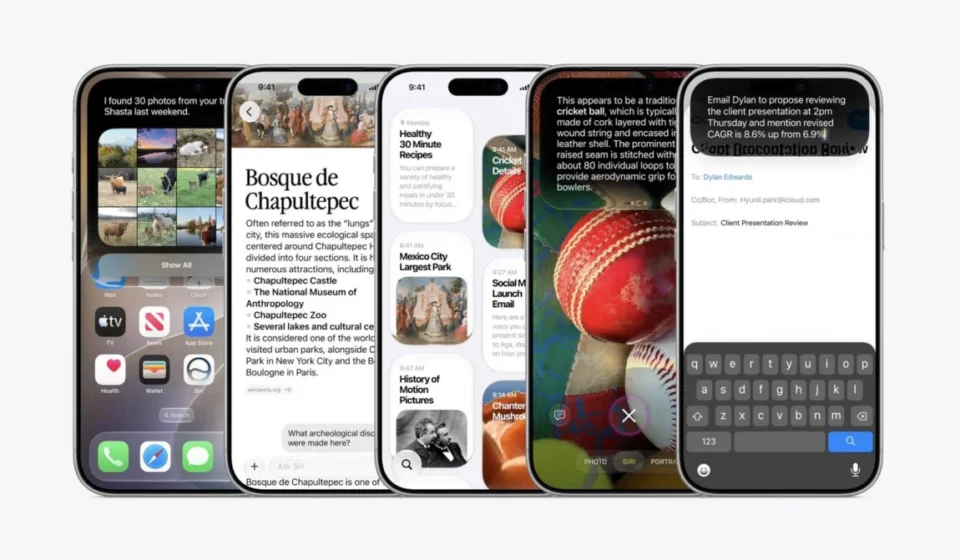
The settlement, finalized in May of this year, addresses claims that Apple misrepresented the imminent availability and functionality of its new Siri AI when it was initially previewed. The legal action was initiated following Apple’s announcement of "Apple Intelligence," a suite of AI-powered features for its devices, which included a significantly upgraded Siri. While these advancements were showcased in June 2024, demonstrating capabilities like on-screen awareness, contextual understanding, and deeper per-app integration, the full realization of these features, particularly the personalized aspects of Siri, faced delays.
A recent court document filed earlier this week provided further insight into the potential financial recovery for claimants. Lawyers representing the class members indicated that based on the current volume of claim submissions, the average payout per eligible iPhone is projected to be at least $61. This figure is derived from an analysis of early participation data, which aims to distribute the $250 million settlement fund equitably among those who qualify.
Timeline of Events Leading to the Settlement
The legal saga began to unfold following Apple’s public unveiling of its ambitious "Apple Intelligence" initiative in June 2024. During product presentations, on its official website, and even in a widely publicized television commercial featuring actor Bella Ramsey, Apple showcased a vision of a more intuitive and capable Siri. These demonstrations highlighted Siri’s ability to understand user context, interpret on-screen information, and interact seamlessly with various applications. For instance, a user could theoretically ask Siri about flight details or lunch reservations by referencing information embedded within their Mail and Messages applications, showcasing a new level of personal integration.
However, the promise of this advanced AI assistant met a significant roadblock. In March 2025, Apple announced a delay in the launch of the personalized version of Siri. This postponement, attributed to the need for further refinement and integration, directly contradicted the expectations set by earlier marketing efforts. The discrepancy between the advertised capabilities and the actual delivery timeline formed the crux of the class action lawsuit, which alleged false advertising and deceptive trade practices.
While Apple publicly stated its intention to "stay focused" on "delivering the most innovative products and services to our users" and highlighted other Apple Intelligence features that had already been released, the company ultimately agreed to the settlement. This decision was reportedly made to avoid the considerable costs, protracted legal battles, and inherent uncertainties associated with a full trial. Apple, as is its standard practice in such situations, has maintained its denial of all allegations made within the lawsuit, asserting that the settlement was a strategic move rather than an admission of wrongdoing.

The long-awaited "Siri AI," now a core component of Apple Intelligence, was officially announced at WWDC 2026 in June. It is currently available to users with iPhone 15 Pro models and newer, running iOS 27, which was released to the public in September of this year. Despite the public release of iOS 27, Siri AI is still considered by some to be in a beta phase, suggesting ongoing development and refinement.
Eligibility Criteria for Claimants
To qualify for a payout from the $250 million settlement, individuals must meet specific criteria. Applicants must be U.S. residents and must have purchased one of the designated iPhone models within the United States for personal use, rather than for resale. The purchase period for eligible devices spans from June 10, 2024, to March 29, 2025. This timeframe aligns directly with the period during which the allegedly misleading advertisements and previews of the advanced Siri AI were most prominent.
The full list of eligible iPhone models, though not explicitly detailed in the provided excerpt, is crucial for determining qualification. Typically, such lists encompass the latest models available during the specified purchase window. It is understood that customers who purchased eligible devices within the defined period should have received an email notification containing a unique claim ID and PIN code. However, the settlement website, smartphoneaisettlement.com, also provides an avenue for submitting claims even without this specific information.
The claims process requires applicants to provide personal details and, crucially, the serial number of their eligible iPhone. For those unable to provide the serial number, alternative verification methods are available, including the submission of their Apple Account email address and the associated iPhone’s phone number. This multi-faceted approach aims to ensure that genuine claimants can successfully navigate the process.
Understanding the Payout Structure
The financial compensation for eligible claimants is structured on a per-device basis, with a maximum potential payout of $95 per qualifying iPhone. However, the exact amount each individual will receive is subject to a critical variable: the total number of valid claims submitted. This means that the more people who file claims, the lower the individual payout will be, as the $250 million settlement fund will be divided among them.
The estimation of "at least $61 per eligible iPhone" made by the legal representatives on November 16 is a significant indicator of the expected payout. This projection is based on early participation rates, suggesting that the current number of claims is not so high as to significantly dilute the payout below this threshold. Nevertheless, claimants are cautioned that a substantial increase in claim submissions in the final month could alter this projection. The lawyers emphasized that this minimum amount is contingent on the current trend of claim filings, with the possibility of a lower payout if a significant surge occurs before the deadline.

The Claims Submission and Payment Timeline
The window for submitting claims is drawing to a close. Eligible individuals have until December 21 to file their applications through the dedicated settlement website. It is imperative for potential claimants to act promptly to ensure their submissions are received and processed within the stipulated timeframe.
Following the claims submission period, a final approval hearing is scheduled for February 24, 2027. This hearing is a critical step in the legal process, where a judge will formally review and approve the settlement terms and the distribution plan. Consequently, customers are not expected to begin receiving payments until sometime after this date, likely in the latter half of 2027. The exact disbursement schedule will be determined by the court and the settlement administrator following the final approval.
Broader Context and Implications
The Siri AI lawsuit highlights the increasing scrutiny faced by technology giants regarding their product development timelines and marketing practices. As artificial intelligence becomes more deeply integrated into consumer products, the expectations set by developers are under a microscope. The case underscores the potential legal ramifications of prematurely showcasing advanced features that are not immediately available or are significantly delayed in their rollout.
For Apple, this settlement represents a strategic decision to mitigate legal risk and maintain focus on its core business objectives. While the company maintains its innocence, the financial and reputational cost of a protracted legal battle could have been substantial. The resolution of this lawsuit allows Apple to move forward without the cloud of litigation, particularly as it continues to integrate and refine its Apple Intelligence suite across its product ecosystem.
The legal team representing the class members has emphasized the importance of the settlement website as a resource for additional information. This includes details on how to opt out of the settlement for individuals who may wish to pursue their claims independently, as well as answers to frequently asked questions. Prospective claimants are strongly advised to thoroughly review the information provided on the settlement website to ensure they understand their rights and obligations.
The ongoing development and rollout of Siri AI, as evidenced by recent software updates like iOS 27.2, which introduced new Siri AI languages, and the beta testing of iOS 27.3 with potential daily access limits and paid upgrades, indicate a continuous evolution of the technology. The settlement, therefore, addresses a specific period of alleged misrepresentation, while Apple continues to innovate and expand the capabilities of its AI assistants. The outcome of this lawsuit serves as a precedent for future cases involving the marketing and delivery of cutting-edge technological features, reinforcing the need for transparency and accuracy in consumer communications.