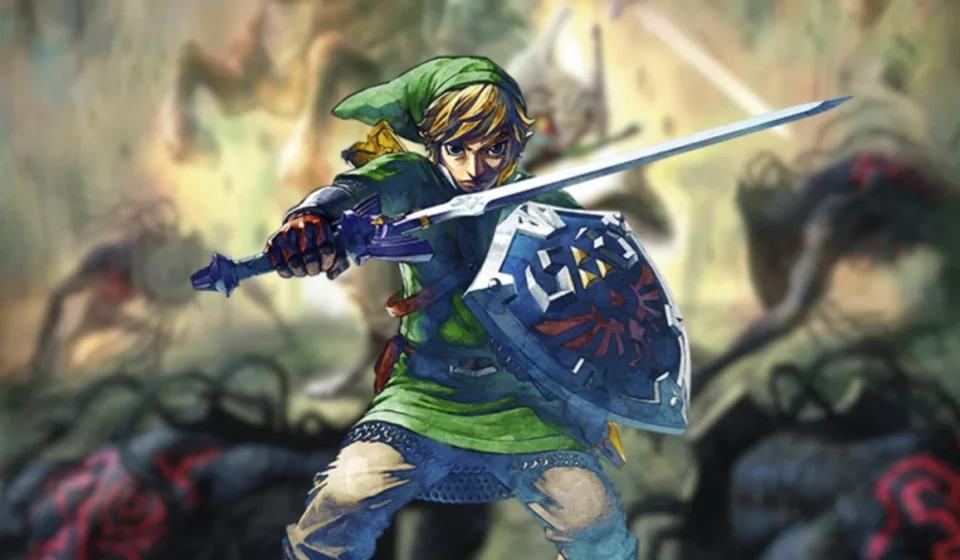
The Legend of Zelda’s Anniversary Triumvirate: Skyward Sword, Twilight Princess, and A Link to the Past Celebrate Milestones

It’s a momentous week for enthusiasts of Nintendo’s venerable The Legend of Zelda franchise, as three critically acclaimed titles, each a cornerstone in the series’ expansive lore and gameplay evolution, are being honored with significant anniversaries. This convergence of celebrations, occurring within a remarkably short timeframe, offers a compelling opportunity for fans to revisit Hyrule and its rich tapestry of adventures, particularly following the recent release of an Ocarina of Time remake on the Nintendo Switch. The timing suggests a natural inclination for players to delve back into these seminal entries, perhaps to appreciate their foundational contributions or to simply immerse themselves once more in the magic of Hyrule.
A Trifecta of Anniversaries: Unpacking the Significance
This celebratory period shines a spotlight on The Legend of Zelda: Skyward Sword, The Legend of Zelda: Twilight Princess, and The Legend of Zelda: A Link to the Past. Each game represents a distinct era and thematic exploration within the sprawling Zelda universe, contributing unique mechanics, narrative depth, and pivotal moments to the overall saga. The proximity of these anniversaries, occurring over a span of mere days, underscores the enduring legacy and multifaceted appeal of these interactive masterpieces.
Skyward Sword: The Genesis of Hyrule’s Legend
Commencing this anniversary celebration is The Legend of Zelda: Skyward Sword, which originally launched for the Nintendo Wii. Its release window spanned from November 18th to November 24th, 2011, varying by global region. Skyward Sword holds a particularly distinguished position within the Zelda canon, as it is officially recognized as the earliest point in the series’ intricate timeline. This foundational narrative introduced players to the earliest known incarnations of the legendary hero Link and Princess Zelda, along with their loyal, winged companions known as Loftwings. The game also prominently featured Fi, the sentient spirit residing within the Master Sword, who served as an integral guide and companion throughout Link’s arduous quest.
The significance of Skyward Sword in establishing the overarching lore cannot be overstated. Its narrative intricately weaves the origins of the Triforce, the eternal struggle between good and evil, and the very genesis of the Master Sword. By providing a comprehensive backstory, the game offered crucial context for subsequent titles, solidifying its role as a prequel of immense importance. The introduction of motion controls via the Wii Remote Plus was a defining feature, aiming to translate the intricate swordplay and item usage into a more intuitive, albeit sometimes divisive, player experience. Despite the varied reception of its control scheme, the game’s narrative depth and its contribution to the Zelda mythology remain undisputed. The release of The Legend of Zelda: Skyward Sword HD on the Nintendo Switch in July 2021 has made this foundational chapter more accessible to a new generation of players, allowing for a smoother and more refined experience than its original iteration.
Twilight Princess: A Darker Journey Through the Child Era
Following closely in the anniversary timeline is The Legend of Zelda: Twilight Princess. This installment, released on November 19th, 2006, for both the Nintendo GameCube and the Nintendo Wii, presented a narrative branch distinct from the seafaring adventure of The Wind Waker. Twilight Princess is renowned for its darker, more mature tone, positioning it within the "child era" of the Zelda timeline, a period set after the events of Majora’s Mask. The game’s narrative centers on Link’s transformation into a wolf and his struggle against the encroaching forces of the Twilight Realm, a parallel dimension of shadow and corruption.
The game’s atmosphere is characterized by its detailed and often somber environments, reflecting the dire circumstances facing the kingdom of Hyrule. The introduction of Midna, a mysterious imp from the Twilight Realm, added a compelling dynamic to the narrative, as her complex motivations and evolving relationship with Link formed a core emotional arc. Twilight Princess also expanded the gameplay mechanics with the introduction of various transformations, allowing Link to utilize his wolf form’s unique abilities to solve puzzles and navigate the world. The Wii version further leveraged motion controls for sword combat and item manipulation, offering a different approach to player interaction compared to its GameCube counterpart. The thematic exploration of duality, light versus shadow, and the corruption of innocence resonated deeply with players, solidifying Twilight Princess‘s status as a fan favorite and a significant entry in the series’ darker narratives. The recent availability of Twilight Princess HD on the Wii U further revitalized interest in this beloved title.
A Link to the Past: The SNES Masterpiece That Defined a Generation
Rounding out this significant anniversary trifecta is the timeless classic, The Legend of Zelda: A Link to the Past. Released on November 21st, 1991, for the Super Nintendo Entertainment System (SNES), this game is widely regarded as one of the most influential and beloved entries in the entire franchise. Its enduring popularity is such that it remains readily playable today through the Nintendo Switch Online service, providing a nostalgic gateway for veteran players and an essential introduction for newcomers who may not possess vintage gaming hardware. A Link to the Past also serves as a direct narrative precursor to the Nintendo 3DS title, The Legend of Zelda: A Link Between Worlds, further cementing its importance within a specific branch of the timeline.
The game’s narrative is set in a Hyrule that has been ravaged by a millennia-long conflict. It follows Link as he embarks on a quest to rescue Princess Zelda and defeat the tyrannical wizard Agahnim, who seeks to unleash the imprisoned Ganon upon the world. A Link to the Past is credited with establishing many of the foundational gameplay elements that would become hallmarks of the Zelda series, including the dual-world mechanic (Hyrule and the Dark World), the interconnected overworld design, and a rich array of iconic items and dungeons. Its intricate puzzle design, challenging combat, and captivating story set a new benchmark for action-adventure games.

In terms of its placement within the overarching Zelda timeline, A Link to the Past is situated as a distant prequel to the original The Legend of Zelda and Zelda II: The Adventure of Link. Crucially, it is recognized as the progenitor of the "defeated hero" timeline, a branch where Ganon is ultimately vanquished by Link, but his malevolent spirit persists, leading to his eventual return. This narrative consequence has had profound implications for the subsequent games that occupy this particular timeline. The game’s enduring impact is evident in its consistent ranking among the greatest video games of all time and its continued influence on game design principles.
Supporting Data and Chronological Context
The anniversaries of these three games highlight distinct evolutionary stages within the The Legend of Zelda series:
- 1991: A Link to the Past (SNES) – This title solidified the 2D Zelda formula, establishing core mechanics and a rich narrative framework. It represented a significant leap in scope and complexity from its predecessors, defining the standard for action-adventure games for years to come. Its sales figures were robust for its era, exceeding 4 million units worldwide, a testament to its widespread appeal.
- 2006: Twilight Princess (GameCube/Wii) – This entry marked a transition towards more cinematic presentation and darker themes, leveraging the capabilities of the GameCube and later the Wii. The Wii version, in particular, benefited from the console’s innovative motion controls, selling over 8.5 million units worldwide. It demonstrated the franchise’s ability to adapt to new hardware and player expectations.
- 2011: Skyward Sword (Wii) – As the earliest point in the official timeline, Skyward Sword provided critical lore and origin stories. Its narrative focus and introduction of motion-centric gameplay were ambitious. While its sales were respectable, reaching over 3.6 million units, its control scheme was a point of contention for some players, influencing the design philosophy for subsequent titles. The HD remaster on Switch has seen renewed interest, with sales figures for the remaster steadily growing since its 2021 release.
Timeline Placement and Narrative Significance
The placement of these games within the complex Zelda timeline is crucial for understanding their individual contributions and their interconnectedness:
- The "Defeated Hero" Timeline: A Link to the Past serves as a foundational entry in this branch. It establishes a scenario where Link defeats Ganon, but Ganon’s malice endures, leading to his eventual return in later titles within this specific timeline. This concept of a recurring evil is a recurring theme throughout the series.
- The "Child Era" Timeline: Twilight Princess is a significant entry in this branch, taking place after the events of Majora’s Mask. This era often explores the aftermath of Link’s adventures and the consequences for Hyrule. Twilight Princess specifically delves into the lingering threats from the Twilight Realm, showcasing a mature and consequence-driven narrative.
- The "Era of the Goddess": Skyward Sword occupies the very beginning of the Zelda timeline, preceding all other known events. It chronicles the creation of the Master Sword and the initial establishment of the cyclical conflict between the forces of good and evil, laying the groundwork for the entire saga.
Broader Impact and Fan Reception
The anniversaries of Skyward Sword, Twilight Princess, and A Link to the Past serve as a potent reminder of the The Legend of Zelda series’ profound impact on the gaming industry and its dedicated global fanbase. Each title, in its own right, pushed the boundaries of game design, storytelling, and player engagement.
The decision by Nintendo to re-release remastered versions of these games, such as Skyward Sword HD and Twilight Princess HD, underscores their continued relevance and commercial viability. These remasters not only cater to nostalgic fans but also introduce these seminal works to a new generation of players on current hardware. This strategy allows for a broader appreciation of the series’ evolution and its foundational pillars.
While no official statements have been released by Nintendo specifically regarding these anniversaries, the consistent re-release and celebration of these titles through official channels and fan communities speak volumes about their enduring significance. The ongoing popularity of these games, evidenced by their consistent presence in "best of" lists and active fan discussions, indicates a deep and lasting connection with players worldwide.
As fans reflect on these anniversaries, it’s an opportune moment to revisit these critically acclaimed adventures. Whether it’s exploring the origins of Hyrule in Skyward Sword, confronting the encroaching shadows in Twilight Princess, or reliving the classic quest of A Link to the Past, these games offer rich experiences that continue to captivate and inspire. The ongoing legacy of The Legend of Zelda is a testament to its timeless design, compelling narratives, and the unwavering passion of its player base. For those seeking to navigate the expansive world of Hyrule, resources such as guides on the order of Zelda games and curated lists of the best Zelda titles can provide valuable starting points for exploration.