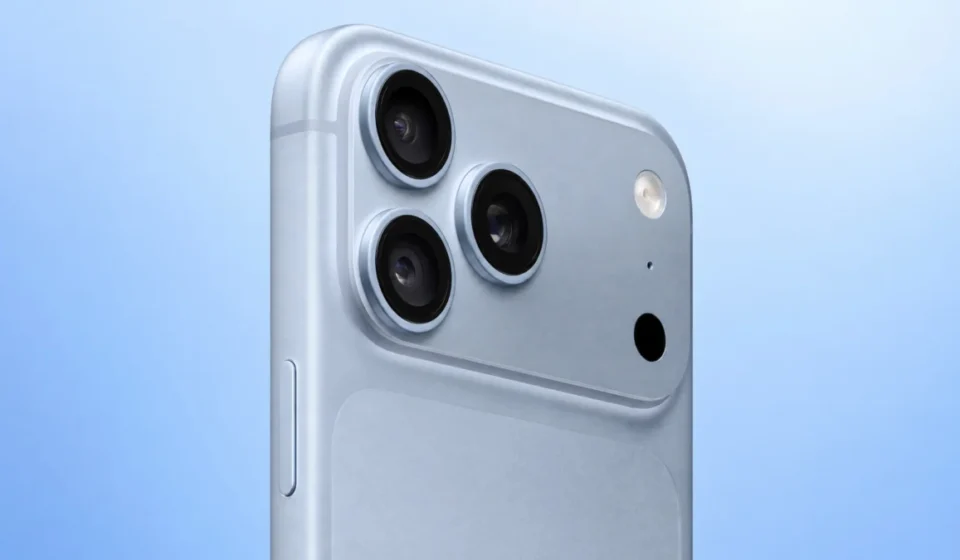
IPhone 18 Pro Max Users on AT&T Network Experience Widespread Cellular Service Disruptions, Prompting Urgent Software and Hardware Solutions

Apple has officially confirmed a significant issue impacting a portion of its iPhone 18 Pro Max user base exclusively on the AT&T network, resulting in a complete loss of cellular service. This widespread disruption prevents affected users from making phone calls, sending text messages, and accessing mobile data, leading to considerable frustration and a surge of complaints across Apple’s official Support Community and various online forums. While Apple characterizes the affected user group as a "small number," the sheer volume of user reports suggests a concerning level of impact.
Timeline of Disruption and Resolution Efforts
The issue appears to have emerged shortly after the release of iOS 27.0.1 earlier this week, an update intended to enhance overall device performance and security. However, for iPhone 18 Pro Max devices operating on AT&T’s network, this update, in conjunction with specific network configurations, seems to have triggered the cellular service degradation. This has led to a critical need for swift action from both Apple and AT&T.
In response to the growing number of affected users, Apple has taken a two-pronged approach to address the problem. First, the company released iOS 27.0.1, which, while initially coinciding with the onset of the issue, is now being strongly recommended as a foundational step for all iPhone 18 Pro Max users to ensure their devices are running the latest stable software. This update aims to provide necessary underlying system stability.
Secondly, and more directly addressing the AT&T-specific cellular problem, Apple, in collaboration with AT&T, issued an urgent carrier settings update earlier today. Carrier settings updates are crucial for optimizing how a device connects to a mobile network, managing features like data roaming, call forwarding, and network provisioning. This specific update is designed to re-establish a stable connection for iPhone 18 Pro Max devices on AT&T.
Official Statements and User Guidance
Apple’s official statement, shared with MacRumors, clearly outlines the situation and provides guidance:
"We have identified an issue affecting a small number of iPhone 18 Pro Max users on the AT&T network that may cause a device to lose service and be unable to make calls. We released iOS 27.0.1 earlier this week and strongly encourage all iPhone 18 Pro Max users to update now, and are also issuing a carrier settings update today. These updates together are meant to help prevent this issue from occurring."
The company is urging all iPhone 18 Pro Max users to immediately install the iOS 27.0.1 update by navigating to Settings > General > Software Update. This proactive step is paramount for users to benefit from the combined efforts to resolve the connectivity issue.
For AT&T customers, the carrier settings update is scheduled to download automatically over the next 14 days. However, users seeking immediate resolution can manually trigger this update by going to Settings > General > About. This will prompt the device to check for and install the latest carrier configuration.
The Critical Distinction: Software Fix vs. Hardware Replacement
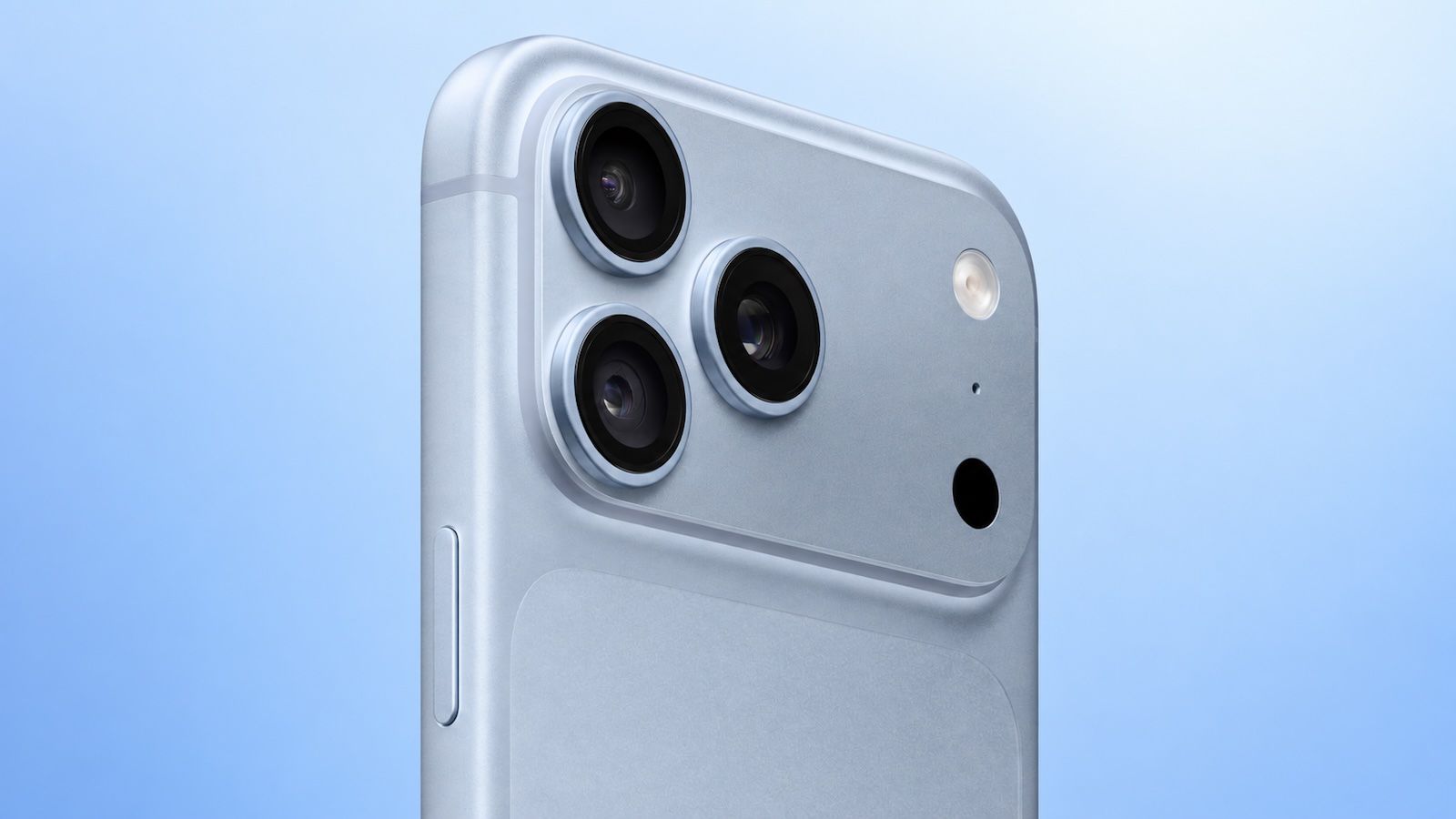
A particularly concerning aspect of this issue is Apple’s revelation that affected iPhone 18 Pro Max devices that have experienced this cellular problem on AT&T cannot have their service reactivated through software updates alone. This indicates a more fundamental problem that software patches cannot rectify. For these specific devices, a complete hardware replacement is mandated.
This policy necessitates that customers experiencing the complete loss of cellular service contact Apple Support directly, visit an Apple Store, or reach out to an AT&T service location. Apple’s proactive stance on offering replacements for demonstrably faulty hardware underscores the severity of the situation for these users. While the exact number of devices requiring replacement is not disclosed, the implication is that a subset of the affected users will face a more involved resolution process.
Scope of the Issue and Potential Contributing Factors
Crucially, Apple has emphasized that this cellular service disruption has been observed exclusively among iPhone 18 Pro Max models operating on the AT&T network. No other iPhone models or other carrier networks are currently known to be affected by this particular issue. This specificity suggests a potential interplay between the iPhone 18 Pro Max’s hardware, its modem technology, and AT&T’s network infrastructure or specific provisioning for this device.
The underlying cause of the problem remains undisclosed by Apple. However, it is known that U.S. models of the iPhone 18 Pro Max are equipped with Qualcomm’s advanced Snapdragon X80 modem for cellular connectivity. In contrast, variants sold internationally utilize Apple’s in-house developed C2 modem. The fact that the issue is confined to a specific carrier within a specific region raises questions about whether the Qualcomm modem, or its interaction with AT&T’s network, is a contributing factor. Further investigation into potential modem-specific vulnerabilities or network compatibility issues is likely underway.
Broader Implications and Future Considerations
The occurrence of such a significant service disruption, even if affecting a "small number" of users, carries broader implications. For Apple, it represents a challenge to its reputation for seamless user experience, especially with its flagship Pro Max model. For AT&T, it signifies a potential loss of confidence among its subscribers who rely on consistent mobile connectivity.
The requirement for hardware replacements for some users could lead to increased logistical challenges for Apple and its retail partners, including managing inventory for replacement units and streamlining the replacement process to minimize customer downtime. The potential for an official Apple Service Program dedicated to this issue is also a significant consideration. Such programs are typically established for widespread hardware defects, offering extended warranty periods or free repairs/replacements. While it is too early to confirm, the nature of the problem and the necessity for replacement suggest this possibility cannot be ruled out. Customers experiencing the issue are advised to book appointments at Apple Stores, specifically with the Genius Bar, to facilitate the replacement process.
The incident also highlights the complex ecosystem of hardware, software, and network providers that must function in perfect harmony for modern smartphone services to operate flawlessly. Even minor discrepancies can lead to significant user impact, as demonstrated in this case. Apple’s swift acknowledgement and multi-faceted response, including a software update and a carrier settings patch, alongside a commitment to hardware replacement for unfixable devices, aim to mitigate the damage and restore user confidence. The ongoing investigation into the root cause will be critical in preventing similar issues with future device launches and software updates. As of now, users are strongly encouraged to perform the recommended software updates and, if affected, to seek immediate support from Apple or AT&T.