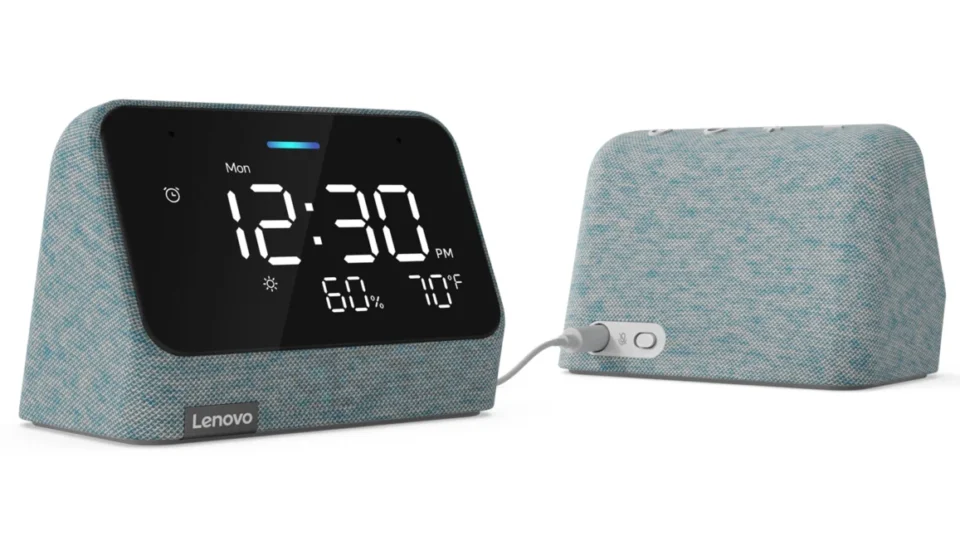
Lenovo Smart Clock Essential Weather Display Restored After Months of User Discontent, Highlighting Smart Home Reliability Challenges

The Lenovo Smart Clock Essential, a popular entry-level smart home device, has seen a crucial feature, its weather display, silently restored to users after months of reported absence. This unannounced return follows widespread user frustration and a period of silence from the manufacturer, casting a spotlight once again on the reliability and long-term support challenges inherent in the rapidly evolving smart home ecosystem. While the return of functionality is a welcome development for owners, the lack of transparency surrounding both the disappearance and reappearance of the feature underscores a broader concern within the connected device industry regarding manufacturer accountability and consumer trust.
The Disappearance and Return of a Core Feature
For a device marketed as "essential," its core functionalities are paramount. The Lenovo Smart Clock Essential, known for its minimalist LED display, prominently featured both the current time and local weather conditions as a primary utility. However, reports began surfacing in mid-2023, specifically around "this past summer," indicating that the weather information had vanished from the clocks, leaving only the time displayed. This sudden degradation of functionality left many users bewildered and frustrated, transforming their smart clock into little more than a basic digital timepiece.
The issue was not isolated. Across various online forums, including Reddit threads dedicated to Google Home and smart devices, as well as comment sections of tech news outlets like Android Authority, users shared similar experiences. They described their attempts to troubleshoot the problem, from factory resets to re-linking accounts, all to no avail. The common thread was a complete absence of the weather forecast, a feature many had come to rely on daily for quick glance information.
During this period of user discontent, inquiries were reportedly made to Lenovo by tech publications seeking an explanation for the vanishing weather display and any potential plans for a fix. However, these attempts to elicit an official response from the manufacturer proved fruitless, leaving both affected users and industry observers in the dark. The silence exacerbated the frustration, fostering a perception of abandonment or neglect for a product that was still actively in use by a significant consumer base.
Then, without any prior announcement or official communication from Lenovo, reports began to emerge this week from Smart Clock Essential owners confirming that their weather displays had spontaneously returned. Users noted the reappearance overnight, a quiet restoration that mirrored the unannounced disappearance. While a welcome relief, this silent fix has done little to address the underlying questions about what caused the disruption in the first place, or why users were left without information for months.
Chronology of a Smart Home Glitch
To fully appreciate the significance of this event, it is helpful to trace the timeline of the Lenovo Smart Clock Essential and the reported glitch:
- Initial Launch (Early 2020s): The Lenovo Smart Clock Essential was introduced as an affordable, simplified alternative to full-fledged smart displays like the Google Nest Hub. Its primary appeal lay in its ability to offer smart assistant capabilities (initially Google Assistant, later also an Alexa-enabled version) alongside essential information like time and weather on a clear, albeit basic, LED display. It carved a niche for users seeking smart home integration without the complexity or cost of a touchscreen device.
- Mid-2023 (Approximately "This Past Summer"): Users began to notice the weather display feature disappearing. Initial reports were scattered, with some users suspecting individual device malfunctions or temporary network issues. As more reports accumulated across different geographical regions and user accounts, it became clear that this was a widespread issue affecting the product line.
- Late 2023 – Early 2024: The problem persisted and became a significant topic of discussion within smart home communities. Frustrated users sought solutions and explanations on platforms like Reddit and support forums. Media outlets, including Android Authority, picked up on the story, highlighting the user complaints and attempting to solicit comments from Lenovo. The lack of official communication during this period contributed to growing user dissatisfaction.
- February 2024 (Specific "This Week" in original article’s context): Reports from users began confirming the silent return of the weather display. This resolution, while positive for functionality, occurred without any accompanying explanation or apology from Lenovo, leaving many to wonder about the cause and the company’s communication strategy.
The Broader Landscape of Smart Home Device Reliability
The saga of the Lenovo Smart Clock Essential’s weather display is far from an isolated incident in the smart home industry. It highlights a persistent and growing concern among consumers: the long-term reliability and support of internet-connected devices. Unlike traditional appliances, smart devices are heavily reliant on cloud infrastructure, third-party APIs, and ongoing software updates. This interconnectedness, while enabling advanced features, also introduces multiple points of failure and dependencies that are often beyond the user’s control.
Cloud Dependency and its Vulnerabilities: Many smart home features, including displaying real-time weather, are not processed entirely on the device itself. Instead, the device sends a request to a cloud service (e.g., Google’s or Amazon’s smart home platform, which then queries a weather data provider API), receives the information, and displays it. If any link in this chain breaks – an API changes, a cloud service experiences an outage, or a manufacturer decides to cease supporting an integration – the device’s functionality can be severely impaired or entirely lost. This makes smart devices inherently more vulnerable to external factors than their non-smart counterparts.
Manufacturer Abandonment and Feature Degradation: The smart home market has seen numerous instances where manufacturers have either discontinued support for older products, shut down essential cloud services, or deprecated features without adequate notice. A notable example cited in the original article, Belkin’s Wemo smart home products, faced similar issues where cloud infrastructure changes rendered devices less functional or entirely obsolete. Such practices erode consumer trust and lead to a perception of "planned obsolescence," where devices, despite being physically capable, are digitally bricked or devalued.
The Impact on User Trust and Brand Reputation: When a core feature of a device vanishes without explanation, it directly impacts user trust. Consumers invest in smart home products with an expectation of consistent performance and ongoing support, particularly for devices that are integral to their daily routines. The silence from Lenovo during the months-long outage, followed by an equally silent fix, could be interpreted by some as a lack of respect for its customer base. This can have long-term repercussions for brand loyalty and overall market perception, as word-of-mouth and online reviews heavily influence purchasing decisions in the competitive smart home sector.
Lenovo’s Smart Clock Ecosystem and Market Position
Lenovo has established itself as a significant player in the smart display and smart clock market, often collaborating closely with Google and Amazon to integrate their respective smart assistants. The Smart Clock Essential series specifically targeted a segment of the market looking for affordability and simplicity. These devices are often positioned as bedroom companions, serving as alarm clocks, nightlights, and quick information hubs.
- Affordability and Accessibility: The "Essential" moniker signifies its role as a streamlined, budget-friendly option. Its lower price point makes smart home technology accessible to a broader audience.
- Competition: It competes with devices like the Amazon Echo Dot with Clock and smaller Google Nest Hubs. In this competitive landscape, maintaining core functionality is critical for differentiation and customer satisfaction.
- The "Essential" Promise: For a device named "Essential," the consistent delivery of fundamental features like time and weather is not just a bonus but a foundational promise. When such a feature fails, it directly contradicts the product’s core identity.
The incident raises questions about Lenovo’s internal processes for monitoring product functionality and communicating with its user base. In an age where immediate information is expected, a months-long outage of a key feature, coupled with a complete lack of official acknowledgment, stands in stark contrast to best practices in customer relations.
Analysis of Potential Causes (Inferred)
Given the absence of an official statement from Lenovo, any analysis of the cause behind the weather display’s disappearance and return must be based on common industry practices and educated inference. Several possibilities exist:
- Third-Party API Changes: Weather data is typically sourced from third-party application programming interfaces (APIs). It is plausible that the API Lenovo was using for its Smart Clock Essential changed its terms, deprecated an old version, or underwent an update that broke compatibility with the clock’s existing software. If this were the case, Lenovo would have needed to update its software to integrate with the new API or switch to an alternative provider.
- Server-Side Glitch or Maintenance: The issue could have stemmed from a problem within Lenovo’s own cloud infrastructure or the specific servers responsible for routing weather data to these devices. This could have been an accidental misconfiguration, a temporary shutdown for maintenance, or an unexpected bug that took time to diagnose and resolve. The silent return suggests a fix was deployed server-side or via a silent firmware update.
- Firmware Update Rollback or Bug: While less likely to affect only the weather display, a faulty firmware update pushed to devices could have inadvertently disabled the feature. Alternatively, a subsequent, unannounced firmware update could have contained the fix. Many smart devices receive background updates without explicit user interaction or notification.
- Resource Allocation and Prioritization: In large tech companies, product support and maintenance can sometimes be subject to resource allocation decisions. It is conceivable that addressing this specific bug was deprioritized for a period, perhaps due to more critical issues or a smaller perceived impact, before eventually being resolved. The sheer volume of smart devices and features a company like Lenovo supports makes such prioritization a constant challenge.
The fact that the fix was rolled out silently, without any communication, points towards an internal resolution that Lenovo opted not to publicize. While this might be an attempt to minimize negative publicity, it inadvertently exacerbates user frustration by leaving them feeling unheard and uninformed.
Implications and Future Outlook
The resolution of the Lenovo Smart Clock Essential weather display issue, while a positive outcome for users, leaves several implications for the smart home industry and consumer expectations:
- Demand for Transparency: The incident highlights a strong consumer demand for transparency from smart device manufacturers. Users want to know when features are removed, why they are removed, and what the timeline is for restoration or alternative solutions. Clear communication can significantly mitigate frustration and maintain trust, even in the face of technical difficulties.
- Importance of Long-Term Support: As smart homes become more ubiquitous, the expectation for devices to remain functional and supported over several years will only grow. Manufacturers need to consider the entire lifecycle of their products, from launch to end-of-life, and establish robust policies for updates, bug fixes, and feature maintenance.
- Consumer Advocacy and Community Role: The incident also showcases the power of user communities and tech media in bringing attention to problems and indirectly pressuring manufacturers for resolutions. Without widespread user reports and subsequent media coverage, such issues might go unaddressed for even longer.
- Lingering Concerns: The Lenovo Smart Clock ecosystem faces other reported issues, such as the persistent problem with "light control" on its other Smart Clock models. This suggests that the weather display issue might not be an isolated incident but part of a broader pattern of inconsistent feature support or communication challenges within the brand’s smart home division. Addressing these cumulative issues will be crucial for Lenovo to solidify its reputation in the smart home market.
In conclusion, the silent restoration of the weather display on the Lenovo Smart Clock Essential is a partial victory for users who endured months of a diminished product experience. While the immediate functionality has returned, the larger narrative is one of a smart home industry grappling with the complexities of cloud dependence, the delicate balance of feature management, and the paramount importance of transparent communication with its dedicated user base. For Lenovo and other smart device manufacturers, this episode serves as a critical reminder that while innovation drives sales, reliability and clear communication build lasting trust.