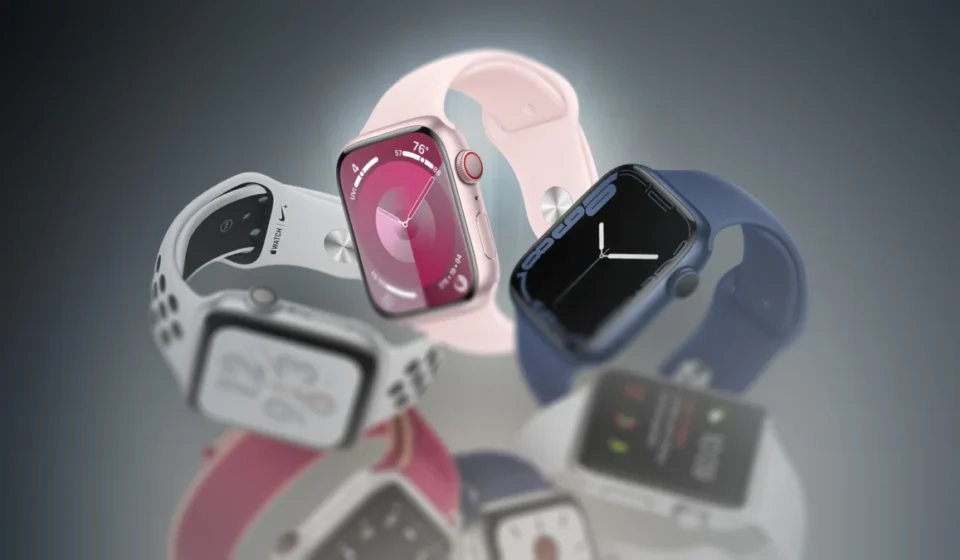
The Apple Watch Series 12 Buyer’s Guide: Navigating Upgrades and Justifying the Investment

The landscape of wearable technology, particularly the Apple Watch, has seen a steady evolution. While Apple has consistently refined its smartwatch offering with incremental updates, the pace of truly transformative changes has become more deliberate in recent generations. This judicious approach to upgrades necessitates a careful consideration of when a new device is genuinely warranted, and when an existing, perhaps older, Apple Watch might still adequately serve a user’s needs. As the Series 12 prepares to enter the market, alongside potential announcements for the Series 13 in the following year, a comprehensive look at the generational leaps becomes crucial for consumers seeking to make informed purchasing decisions.
Understanding the Incremental Shift: A Generational Overview
The Apple Watch Series 11, which followed the Series 10, was characterized as one of the most subtle refreshes in the device’s history. This lack of dramatic alteration underscores a broader trend: significant technological leaps are becoming less frequent, making the cumulative benefits of skipping multiple generations more pronounced. While Apple often discontinues older models from its direct sales channels, these devices can frequently be found at reduced prices through third-party retailers and the pre-owned market, presenting a viable alternative for budget-conscious consumers.
To facilitate a clear understanding of the value proposition of upgrading, a detailed examination of the advancements made with each successive Apple Watch model, compared to its immediate predecessor, is invaluable. This granular breakdown allows users to quantify the accumulated benefits of delaying an upgrade, and to identify which generations historically offered the most substantial improvements.
Apple Watch Series 12 (2026): A Leap Forward in Health and Performance
The Series 12 represents a more substantial departure from its predecessor, the Series 11, offering a suite of enhancements that could justify an upgrade for a broader range of users. For those heavily invested in fitness tracking and recovery, the new heart sensors and more frequent Heart Rate Variability (HRV) measurements are particularly noteworthy. The introduction of a dedicated "Readiness" app, likely to provide deeper insights into an individual’s capacity for physical exertion, and extended workout battery life are significant additions for serious athletes and fitness enthusiasts.
Furthermore, the inclusion of Sound Recognition technology could prove to be a game-changer for individuals who are deaf or hard of hearing, enhancing the accessibility and utility of the Apple Watch. The aesthetic evolution of the Series 12 is also marked by the availability of a ceramic case option, offering a premium finish not present in the Series 11.
For users currently sporting a Series 11, the upgrade path to the Series 12 brings the aforementioned health-centric features, coupled with the Series 11’s advancements such as 5G connectivity on cellular models and an improved general battery life. Stepping up from a Series 10 introduces further benefits, including a refined, thinner design, a larger display, and the addition of a depth gauge and water temperature sensor, features that enhance the watch’s utility for water sports and general environmental awareness.
The cumulative impact of these upgrades becomes even more compelling for users migrating from Series 8 models and earlier. For these individuals, the prospect of enhanced battery longevity, especially considering potential battery degradation in older devices, is a significant draw. Owners of the Series 7 will gain Crash Detection and temperature sensing capabilities, in addition to the newer design language and the advanced health features introduced with the Series 12. The most profound transformation will undoubtedly be experienced by those upgrading from a Series 6 or an even older model. However, the overall condition of their current device and the financial outlay for a new purchase remain critical factors in the decision-making process.
watchOS 27 and Beyond: Software Support as a Deciding Factor
A critical, and often overlooked, aspect of Apple Watch longevity is its software support. The latest operating system, watchOS 27, is confirmed to support the Series 9 and subsequent models, effectively marking older devices, such as the Series 8 and earlier, as no longer receiving the most current major software release. While this does not signify an immediate cessation of functionality or all security updates, it positions these devices as legacy hardware. For individuals in the market for a replacement, a discounted or pre-owned Series 11 might represent a superior value proposition if the advanced health-specific features of the Series 12 are not a priority, provided it can be acquired at a sufficiently attractive price point.
The situation is even more pronounced for users of the Series 5 and older. These devices are not compatible with watchOS 26, indicating a more pressing need for an upgrade to ensure continued access to essential software features and security patches.
The Road Ahead: Anticipating the Series 13
Looking towards the future, industry projections and early leaks suggest that the Apple Watch Series 13, expected next year, could usher in a period of significant innovation. Rumors of a complete redesign and the integration of novel sensor technologies point towards a potentially substantial upgrade, making it an exceptionally attractive option for those currently using Series 11 or older models who have been awaiting a more dramatic evolution.
Apple Watch Series 11 (2025): Refinement and Extended Utility
The Series 11, while not a revolutionary leap, presented a considered set of enhancements over the Series 10. The improvements were primarily focused on refining the user experience and extending the device’s practical applications. For many users, particularly those upgrading from devices several generations older, the Series 11 offered a compelling balance of new features and established performance. The integration of 5G connectivity for cellular models expanded the device’s standalone capabilities, allowing for more seamless communication and data access even when a paired iPhone was not in close proximity. This was particularly beneficial for users who frequently engage in outdoor activities or prefer to leave their phone behind during workouts.
Furthermore, the Series 11 saw an incremental increase in rated everyday battery life. While not a dramatic surge, this extended endurance contributed to a more reliable user experience throughout a full day, reducing the anxiety of needing to recharge mid-afternoon. This subtle but impactful improvement is often appreciated by users who rely on their Apple Watch for continuous health monitoring, sleep tracking, and general notifications.
Apple Watch Series 10 (2024): Design Evolution and Enhanced Environmental Sensing
The Series 10 marked a notable shift in design philosophy, introducing a thinner profile and a larger display compared to its predecessors. This refined aesthetic not only improved the watch’s visual appeal but also offered a more immersive viewing experience for apps, notifications, and watch faces. The expanded screen real estate made it easier to interact with the device and consume information at a glance.
Beyond the design, the Series 10 incorporated a depth gauge and a water temperature sensor. These additions significantly broadened the Apple Watch’s utility for aquatic activities. The depth gauge provided real-time information for recreational diving and snorkeling, while the water temperature sensor offered valuable data for swimmers and water sports enthusiasts, contributing to a more comprehensive understanding of the user’s environment. For users engaged in these activities, these sensors represented a tangible upgrade in functionality.
Apple Watch Series 9 (2023): Performance Boost and Enhanced Interaction
The Series 9 brought a focus on performance and a new, intuitive interaction method. At its core, the device featured a significantly faster processor, leading to snappier app performance, quicker loading times, and a more fluid overall user experience. This computational power was crucial for handling more demanding tasks and ensuring that the watch could keep pace with the user’s daily activities without lag.
The standout feature of the Series 9 was the introduction of the "Double Tap" gesture. This innovative input method allowed users to control key functions of the watch by tapping their index finger and thumb together twice. This was particularly useful for one-handed operation, enabling users to answer calls, play or pause music, or dismiss notifications without needing to physically touch the screen. This accessibility feature was a significant step forward in simplifying interaction with the device, especially when hands were occupied or wet.
Apple Watch Series 8 (2022): Safety and Health Monitoring Advancements
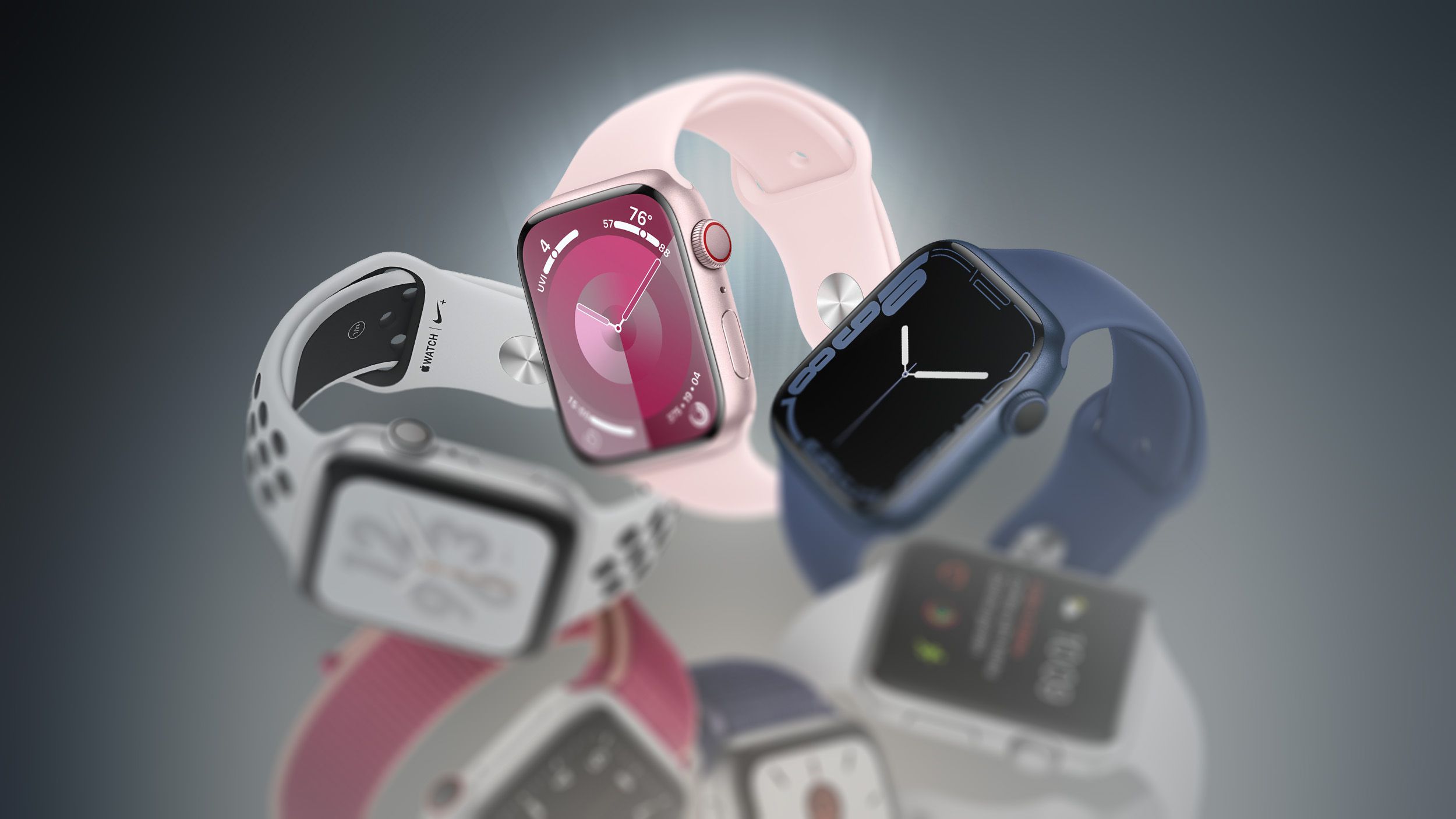
The Series 8 continued Apple’s commitment to user safety and health, introducing two pivotal features: Crash Detection and temperature sensing. Crash Detection leverages advanced sensors, including a high-g accelerometer and gyroscope, to detect if the wearer has been involved in a severe car crash. Upon detection, the watch can automatically initiate a call to emergency services and notify emergency contacts, potentially saving crucial time in life-threatening situations.
The temperature sensing capability, primarily focused on women’s health, provided retrospective ovulation estimates and enhanced period predictions. By measuring wrist temperature during sleep, the Series 8 offered valuable insights into a user’s menstrual cycle, contributing to a more informed approach to reproductive health tracking. These features underscored the Apple Watch’s evolution from a mere notification device to a comprehensive health and safety companion.
Apple Watch Series 7 (2021): Display Dominance and Durability
The Series 7 represented a significant leap in display technology for the Apple Watch. It boasted a larger, edge-to-edge screen with thinner bezels, offering approximately 20% more screen area than the Series 6. This larger display not only made on-screen text easier to read but also allowed for a redesigned, full QWERTY keyboard, facilitating more convenient text input directly on the watch.
In addition to the display enhancements, the Series 7 also featured improved durability. It was Apple’s first Watch model to achieve an IP6X dust resistance rating, complementing its WR50 water resistance. This increased resilience made it better suited for a wider range of environments and activities, providing greater peace of mind for users.
Apple Watch Series 6 (2020): Health Monitoring Takes Center Stage
The Series 6 marked a pivotal moment in the Apple Watch’s health tracking capabilities with the introduction of the Blood Oxygen sensor. This sensor allowed users to measure their blood oxygen saturation levels, a key indicator of respiratory and circulatory health. The data gathered could provide insights into an individual’s overall fitness and well-being, and potentially flag issues related to respiratory conditions.
Alongside the Blood Oxygen sensor, the Series 6 also featured an always-on altimeter, enabling users to track their elevation changes in real-time. This was particularly useful for hikers, runners, and anyone interested in their vertical movement. The Series 6 also offered a performance boost with a faster S6 SiP (System in Package), ensuring a smoother and more responsive user experience.
Apple Watch Series 5 (2019): Always-On Display and Enhanced Navigation
The Series 5 introduced the much-anticipated Always-On display, a feature that allowed the watch face to remain visible at all times, albeit at a lower brightness. This meant users no longer had to raise their wrist or tap the screen to check the time or glance at key complications. This subtle yet significant change greatly enhanced the watch’s utility as a timepiece and improved the user’s ability to quickly access information.
Furthermore, the Series 5 integrated a built-in compass, providing more accurate directional information and enabling new navigation-focused apps. This was a valuable addition for outdoor enthusiasts and anyone who relied on their watch for orientation. The Series 5 also saw the introduction of the International Emergency Calling feature on cellular models, further enhancing its safety credentials.
Apple Watch Series 4 (2018): A Revolution in Health and Design
The Series 4 represented a significant redesign and a major leap forward in health monitoring capabilities. It featured a larger display with thinner bezels, making the watch appear more modern and allowing for more information to be presented on the screen. The digital crown was also redesigned with haptic feedback, providing a more tactile and precise scrolling experience.
Crucially, the Series 4 introduced the Electrical Heart Sensor, enabling users to take an electrocardiogram (ECG) directly from their wrist. This was a groundbreaking feature for a consumer device, allowing for the detection of signs of atrial fibrillation (AFib), a common heart rhythm disorder. The Series 4 also incorporated fall detection, which could automatically contact emergency services if a hard fall was detected and the user remained unresponsive. These health features positioned the Apple Watch as a vital tool for proactive health management.
Apple Watch Series 3 (2017): Cellular Connectivity and Increased Independence
The Series 3 was a pivotal release, primarily for its introduction of cellular connectivity as an independent option. This allowed users to make calls, send texts, and stream music directly from their Apple Watch without needing to have their iPhone nearby. This significantly enhanced the device’s independence and opened up new use cases, such as leaving your phone at home during a run or workout.
Beyond cellular capabilities, the Series 3 also featured a faster processor and improved performance. While its design remained largely similar to previous generations, the addition of cellular connectivity made it a more capable and versatile device for a broader range of users.
Apple Watch Series 2 (2016): Water Resistance and Built-in GPS
The Series 2 was a crucial step in making the Apple Watch a more robust and capable fitness tracker. It introduced built-in GPS, allowing users to accurately track their runs, walks, and bike rides without needing to carry their iPhone. This was a significant enhancement for outdoor activity tracking.
Furthermore, the Series 2 significantly improved water resistance, making it suitable for swimming. This opened up a new category of use for the device, allowing users to track their swimming workouts and monitor their performance in the water. The Series 2 also featured a brighter display, improving visibility in various lighting conditions.
The Long-Term Value Proposition: When to Upgrade and When to Wait
The journey from the original Apple Watch to the anticipated Series 12 showcases a consistent drive towards enhancing health monitoring, improving user interaction, and extending battery life. For users with a Series 6 or older, the cumulative benefits of upgrading to a Series 12 are substantial, encompassing a wider array of health sensors, advanced safety features, improved performance, and a more refined user experience. The potential for significant advancements in the upcoming Series 13 further incentivizes those on older models to consider a leap in the near future.
However, for users with Series 7 or Series 8 models, the decision to upgrade may be less immediate. While the Series 12 offers compelling new features, the existing capabilities of these slightly older models might still adequately meet their daily needs, especially if budget is a primary consideration. The availability of discounted Series 11 models presents a particularly attractive middle-ground option for those seeking newer technology without the premium price tag of the latest generation, provided the absence of the Series 12’s most advanced health features is acceptable.
Ultimately, the justification for an Apple Watch upgrade hinges on a personal assessment of individual needs, usage patterns, and financial priorities. By understanding the incremental progress made with each generation, consumers can navigate the evolving Apple Watch ecosystem with confidence, ensuring their investment aligns with their desired functionality and technological aspirations.