Microsoft Unleashes Surface Laptop Ultra, Challenging Apple’s Creator Market Dominance with Powerful New Hardware and Aggressive Pricing

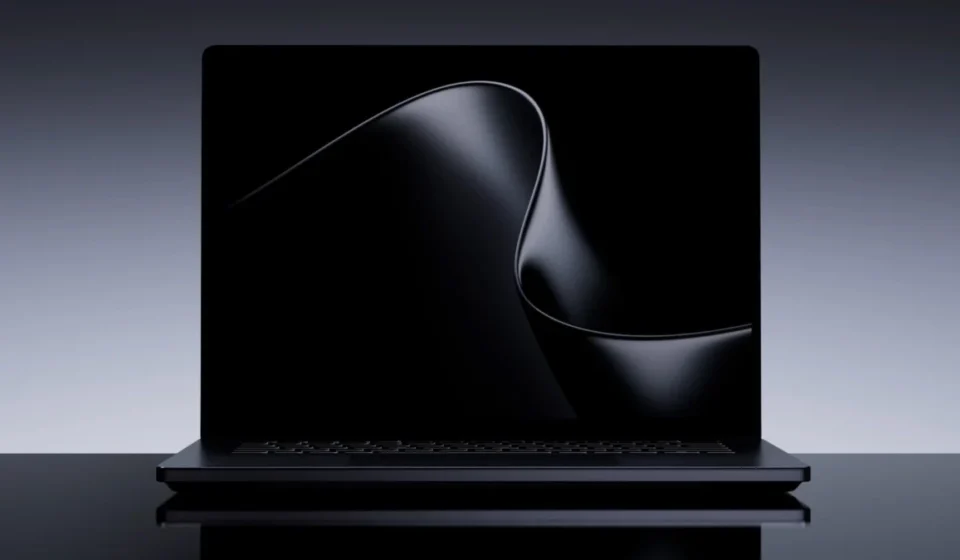
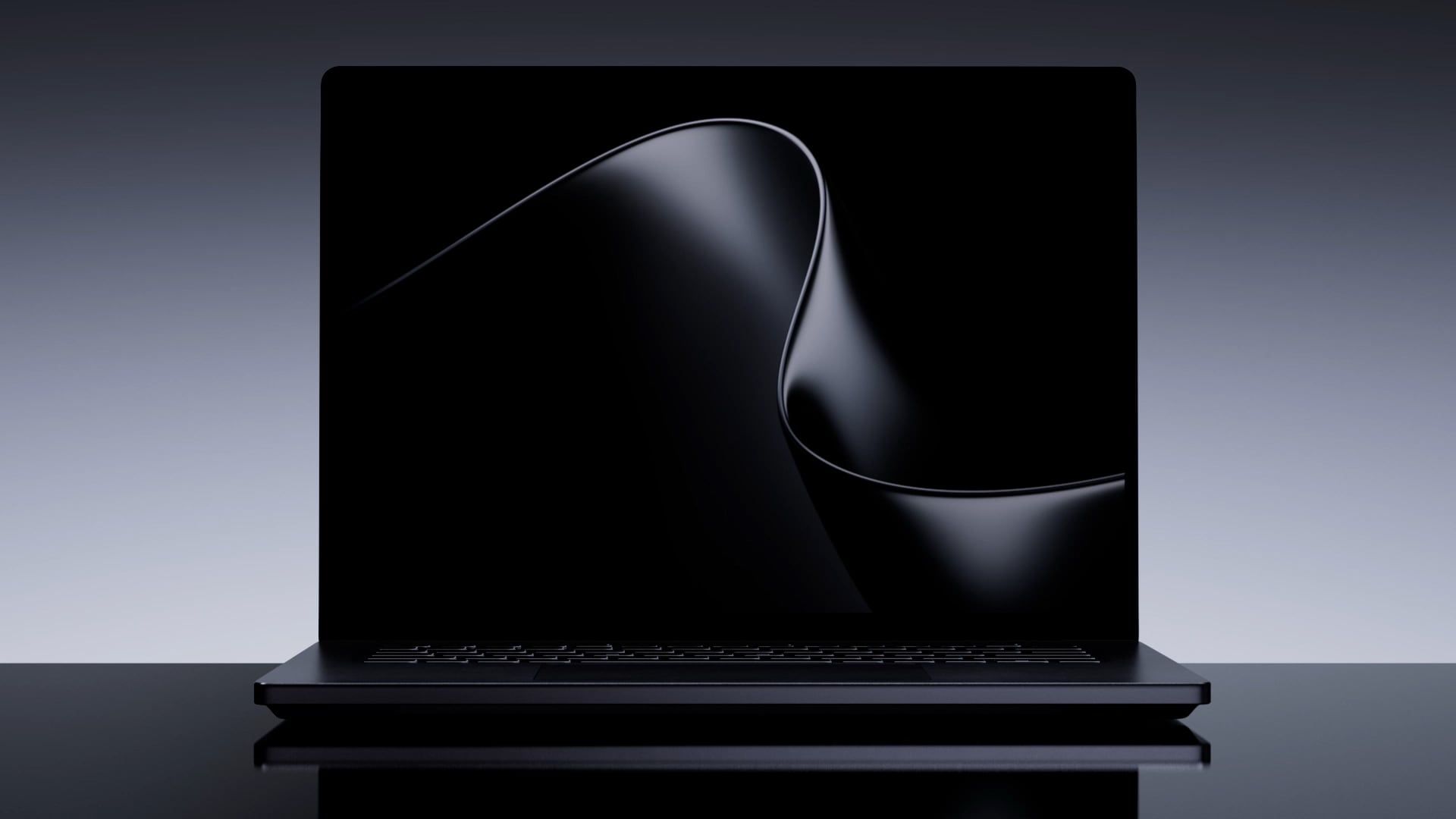
Microsoft today unveiled the highly anticipated Surface Laptop Ultra, a premium notebook designed to directly confront Apple’s established dominance in the creative and developer professional markets. With a starting price of $2,599 for its 15-inch model, Microsoft is strategically undercutting the 16-inch MacBook Pro, which begins at $2,999, signaling a clear intent to capture a significant share of this lucrative segment. The company also announced the Surface RTX Spark Dev Box, a formidable workstation aimed at competing with Apple’s Mac Studio and Mac mini, further solidifying its multi-pronged assault on Apple’s professional hardware ecosystem.
The launch timing, with pre-orders commencing immediately and shipments expected to begin on October 16, marks a pivotal moment for Microsoft’s Surface line. This strategic release follows earlier teasers of the Surface Laptop Ultra earlier this year, building anticipation for a device that promises to redefine performance and capability within the Windows ecosystem. Microsoft’s official announcement, disseminated through its Windows Devices blog, emphasized the "most powerful Surface devices ever," a bold claim that will undoubtedly be scrutinized by industry analysts and the target audience alike.
A New Era of Performance: The Nvidia RTX Spark Architecture
At the heart of the Surface Laptop Ultra lies the groundbreaking Nvidia RTX Spark chip. This integrated solution represents a significant departure from previous Surface architectures, featuring an Nvidia Blackwell RTX GPU equipped with up to 6,144 cores and an Nvidia Grace CPU boasting up to 20 cores. This powerful combination is designed to handle the most demanding creative, software development, AI, engineering, and 3D workloads with unprecedented efficiency. The architecture supports a substantial amount of unified memory, configurable up to 128GB, ensuring seamless multitasking and the handling of complex datasets.
Crucially, the RTX Spark chip is built on an Arm-based architecture. This necessitates the use of Windows on Arm, a platform that has seen continuous development and improvement. To ensure compatibility with existing software, Microsoft is leveraging its Prism emulation technology, which allows for the execution of x86 applications on the Arm platform. While emulation has historically presented performance challenges, advancements in this area suggest that the Surface Laptop Ultra could offer a compelling balance of native Arm performance and broad application support.
Display Technology and User Experience: A Focus on Immersion
Microsoft has positioned the Surface Laptop Ultra’s display as a key differentiator. The company asserts it is the "brightest, sharpest, and most vivid display" ever featured on a Surface device. With peak HDR brightness reported to be 25% higher than that of Apple’s M5-powered MacBook Pro, the display promises an exceptional visual experience for content creation, editing, and consumption. The implementation of a mini-LED panel further enhances contrast ratios and black levels, crucial for professionals working with visual media.
The 15-inch display is also a touchscreen, incorporating gesture and navigation support. While this feature enhances user interaction and provides a more fluid experience for certain workflows, it’s important to note that pen input is not supported on this particular model. This decision might be a strategic one, potentially reserving pen functionality for other Surface devices or future iterations, or it could reflect a deliberate focus on touch-based interaction for its intended user base.
Design and Connectivity: Refined Ergonomics and Future-Proofing
In terms of physical design, the Surface Laptop Ultra aims for a balance of portability and robust build quality. It is reported to be lighter than the 16-inch MacBook Pro, a critical factor for professionals who frequently travel or work remotely. The inclusion of a large haptic trackpad suggests a commitment to a premium user experience, providing precise and responsive control.
Microsoft has also addressed a common user pain point by incorporating upgradeable storage, allowing users to expand their storage capacity as needed without being limited by the initial configuration. Perhaps one of the most notable design innovations is the adoption of "Magnetic Connect," a feature that Microsoft describes as the "world’s first built-in magnetic USB-C charging on a laptop." This system functions as a MagSafe equivalent, offering a convenient and secure magnetic connection for charging, preventing accidental dislodging and potentially reducing wear on the ports.
The port selection on the Surface Laptop Ultra is comprehensive, catering to a wide range of professional needs. It includes three USB-C ports, a USB-A port for legacy devices, an HDMI port for external displays, an SD card reader for photographers and videographers, and a 3.5mm headphone jack. This array of connectivity options minimizes the need for dongles and adapters, a welcome convenience for professionals on the go.
The Surface RTX Spark Dev Box: A New Contender in the Workstation Arena
Complementing the Surface Laptop Ultra, Microsoft has introduced the Surface RTX Spark Dev Box, a high-performance workstation priced at $5,999. This device is explicitly engineered to challenge established players like the Mac Studio and Mac mini. It also features the powerful Nvidia RTX Spark chip, delivering an impressive performance ceiling of up to 1 petaflop in AI processing. The Dev Box’s ability to support AI models with up to 120 billion parameters underscores its suitability for advanced machine learning and data science tasks.
The Dev Box’s introduction signifies Microsoft’s commitment to providing a complete hardware ecosystem for professionals, from portable notebooks to desktop workstations. This dual-pronged approach allows Microsoft to address a broader spectrum of professional workflows and user preferences.
Strategic Market Positioning and Competitive Incentives
Microsoft’s messaging around the Surface Laptop Ultra clearly indicates a direct competitive strategy against Apple. The company’s website features a promotional offer that encourages MacBook owners to "break up" with their Apple devices. By trading in an eligible MacBook, customers can receive up to $1,000 cash back on their Surface Laptop Ultra purchase. This aggressive incentive program aims to lower the barrier to entry for MacBook users considering a switch to the Windows platform, leveraging the familiarity of the operating system while offering potentially superior hardware at a competitive price point.
Microsoft’s accompanying statement on its website, "We’re confident that once today’s creators and developers experience everything Surface Laptop Ultra has to offer, they won’t look back," reflects a strong belief in the product’s capabilities and its potential to sway user loyalty.
The Evolving Landscape of Professional Laptops
The launch of the Surface Laptop Ultra arrives at a time of significant flux in the professional laptop market. Industry rumors suggest Apple is also preparing to launch its own "MacBook Ultra" device, potentially featuring an OLED touchscreen, M5 Pro and M5 Max chips, and a thinner, lighter design. This indicates a broader industry trend towards more powerful, feature-rich laptops designed for demanding professional users. The prospect of an "Ultra" branded device from Apple, potentially with a touchscreen, directly mirrors Microsoft’s strategic positioning with the Surface Laptop Ultra, setting the stage for intense competition in the coming months and years.
The development and release of these high-performance machines highlight the increasing convergence of consumer and professional computing needs. As artificial intelligence and complex computational tasks become more integrated into everyday workflows, the demand for hardware capable of handling these challenges efficiently will only continue to grow. Microsoft’s investment in the Surface Laptop Ultra and the RTX Spark Dev Box demonstrates its ambition to be a leading provider of such solutions, challenging the status quo and offering compelling alternatives to existing market leaders. The success of these new devices will hinge not only on their technical specifications and pricing but also on Microsoft’s ability to build out its software ecosystem and provide the robust support that professional users have come to expect.