Ratatan: A Rhythm Roguelike’s Ambitious Evolution Meets Switch 2’s Performance Hurdles

Ratatan, the highly anticipated rhythm-action roguelike from Ratata Arts and TVT Co., has launched on the Nintendo Switch 2, aiming to capture the magic of the beloved Patapon series while forging its own path. Spearheaded by a team including former developers of the iconic PlayStation Portable rhythm games, Ratatan endeavors to blend the core mechanics of its predecessors with the replayability and strategic depth of the roguelike genre. While the game undeniably succeeds in many of its creative aspirations, delivering a vibrant world, engaging customization, and a compelling gameplay loop, its console debut is marred by notable performance issues and a surprising lack of polish, particularly on the Switch 2 platform.
Genesis of a Rhythm Revolution
The journey of Ratatan began with the developers’ desire to revisit the unique rhythmic combat that defined the Patapon series. Released initially on the PlayStation Portable between 2007 and 2010, Patapon garnered a cult following for its innovative drum-command gameplay, where players tapped out rhythms to guide their army of one-eyed creatures, the Patapons, through a surreal and challenging world. The recent remaster of Patapon 1+2 further reignited interest in this distinctive gameplay style, setting the stage for a new spiritual successor.
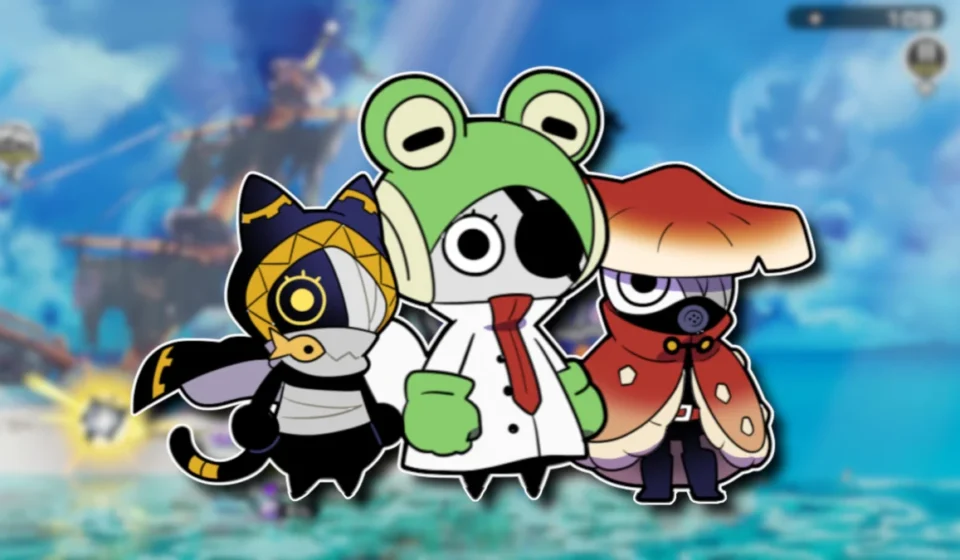
Ratatan’s development was first hinted at during a Nintendo Direct presentation in March, sparking immediate excitement among fans of rhythm games and strategy titles alike. The announcement of its impending release on the Switch 2, coupled with the pedigree of its development team, positioned Ratatan as a significant contender in the console’s burgeoning indie game landscape. The game’s premise involves players controlling a cast of colorful, doll-like creatures known as Ratatans, who lead their armies of Cobuns through various levels with the ultimate goal of reaching "The Everafter" and meeting "The Goddess."
A Rhythmic Blend of Familiarity and Innovation
At its core, Ratatan retains the rhythmic combat that made Patapon so memorable. Players are tasked with inputting specific drum beats to command their Cobun soldiers, influencing their actions in battle. However, the integration of the roguelike structure marks a significant departure and, according to many early impressions, a successful evolution. Between each combat encounter, players are presented with "Ratakaruta" cards. These cards serve as the primary means of customization and progression, offering buffs to normal attacks, unique "Hustle Abilities," and other combat modifiers.
The strategic depth of the Ratakaruta system becomes apparent as players learn to synergize different elemental buffs and abilities. Stacking cards of the same type can unlock powerful additional effects, such as lightning strikes or poison spheres, significantly altering combat outcomes. This layer of strategic decision-making, combined with the procedural generation inherent to roguelikes, ensures a high degree of replayability, with each expedition presenting new challenges and opportunities for character development.
A notable quality-of-life improvement over the original Patapon is the auto-revival of Cobun soldiers. In Patapon, the loss of a significant number of units could quickly lead to mission failure. Ratatan’s approach mitigates this risk, allowing players to focus more on strategic command and less on micromanagement of fallen troops, thereby facilitating a more enjoyable and less punishing experience.

Diverse Playstyles and Deep Customization
Ratatan features eight distinct Ratatan characters, each possessing unique abilities and the capacity to command two different classes of Cobun. This diversity is a cornerstone of the game’s replayability, offering a wide array of build possibilities that cater to various playstyles. For instance, the reviewer highlights "Mashuma" as a personal favorite, a Ratatan specializing in inflicting status effects like burn, poison, and freeze. This specialization allows for a tactical approach to combat, weakening enemies and controlling the battlefield.
Beyond the Ratatan’s inherent skills, players can further customize their armies through a variety of weapons and "cute little accessories" for their Cobun soldiers. This multifaceted customization system encourages experimentation and allows players to tailor their strategies to overcome specific enemy types and boss encounters. The combination of character abilities, troop classes, weapon choices, and accessory selection creates a robust framework for emergent gameplay and encourages players to explore different team compositions with each new run.
Auditory Excellence and Vibrant Aesthetics
As expected from a game rooted in rhythm, Ratatan’s soundtrack is a significant highlight. The music is described as "slapping hard," providing an energetic and driving force for the gameplay. The sound design complements the music effectively, with audio cues that swell and recede in sync with successful combos, further immersing the player in the game’s dynamic combat. This synergistic interplay between music and sound effects contributes to a vibrant and engaging atmosphere, making the world of Ratatan a pleasure to inhabit.
The visual presentation is equally striking, characterized by "colorful characters" and a generally lively aesthetic. Each Ratatan is also given a unique voice actor, imbuing them with personality and making them feel more distinct and alive. This attention to detail in characterization and presentation enhances the overall charm and appeal of the game’s world.
The Shadow of Technical Deficiencies
Despite its many strengths, Ratatan’s console release on the Switch 2 is significantly hampered by performance issues and a general lack of polish. The game has been in Early Access on Steam for over a year, leading to expectations of a more refined experience for its 1.0 console launch. Unfortunately, these expectations are not fully met.
The most glaring issue reported is a severe stutter that occurs when a shop spawns as the final area before a boss fight. This performance hiccup is so pronounced that it can create the impression of an imminent game crash, disrupting the flow of gameplay and detracting from the overall experience. Such technical blemishes suggest that the console port may not have received the extensive optimization required, especially given the extended period of public testing on PC.
Beyond the significant stuttering, players have encountered other visual glitches, particularly when navigating the Ratakaruta selection menu. Furthermore, minor textual inconsistencies, such as incorrect spacing in sentences, point to a need for further proofreading and refinement. These issues, while perhaps not game-breaking in isolation, collectively contribute to a feeling of incompleteness and detract from the otherwise polished presentation of the game’s core mechanics.

User Interface and Accessibility Concerns
A significant quality-of-life concern raised is the minuscule text size used throughout the game’s interface. Currently, there is no option for UI scaling in the settings, forcing players to squint at their screens or play in handheld mode to comfortably read dialogue and information. This lack of accessibility can be a major barrier for many players, particularly those with visual impairments or those who prefer to play on a larger display. The vibrant and colorful art style, while visually appealing, also contributes to this problem by sometimes creating insufficient separation between foreground and background elements in the hub world, leading to navigational difficulties and visual disorientation.
The Tutorial Conundrum
Another area of critique lies in the game’s tutorial implementation. While the initial tutorial effectively covers the basic controls and rhythm combat, it is noted to rely heavily on prior knowledge of the Patapon series. More complex aspects of the gameplay, such as the intricacies of the Ratakaruta system, the meaning of various in-game terms, and the specific abilities of different Ratatans, are not adequately explained during active gameplay.
Instead, players are directed to a separate "Help" menu for detailed explanations. While the information within the Help menu is acknowledged as useful and comprehensive, the reviewer expresses a preference for in-game tutorials that introduce these mechanics organically. This approach, where crucial information is relegated to a separate menu, can hinder player learning and make it more challenging for newcomers to grasp the game’s deeper strategic nuances, potentially impacting their ability to improve and progress effectively.
Concluding Remarks and Future Prospects
In summation, Ratatan presents a compelling and enjoyable evolution of the Patapon formula. Its integration of rhythm combat with roguelike elements, coupled with extensive customization options and a vibrant presentation, creates a satisfying gameplay loop that rewards player investment. The core mechanics are strong, and the potential for deep strategic play is evident.
However, the game’s debut on the Switch 2 is undeniably hindered by technical shortcomings. The persistent performance issues, particularly the severe stuttering, alongside a lack of overall polish and user interface accessibility concerns, prevent Ratatan from reaching its full potential in its current state on the platform.
The developers at Ratata Arts and TVT Co. have expressed a commitment to supporting the game post-launch. It is hoped that future updates will address these critical performance issues and introduce much-needed quality-of-life improvements, such as UI scaling and more integrated tutorials. If these concerns can be effectively resolved, Ratatan has the potential to become a truly standout title, offering a deeply rewarding experience for fans of rhythm games and roguelikes alike. The foundation is undoubtedly strong; the execution, particularly on console, requires further refinement to fully realize its ambitious vision.